Introduction to Gantt Charts
Gantt charts are essential tools in project management, particularly for project managers operating in regulated industries. They provide a visual representation of project timelines, helping teams to plan, coordinate, and track progress effectively. Understanding Gantt charts is crucial for ensuring compliance with industry regulations, as they facilitate transparency and accountability throughout the project lifecycle.
Definition of Gantt Charts and Their Key Components
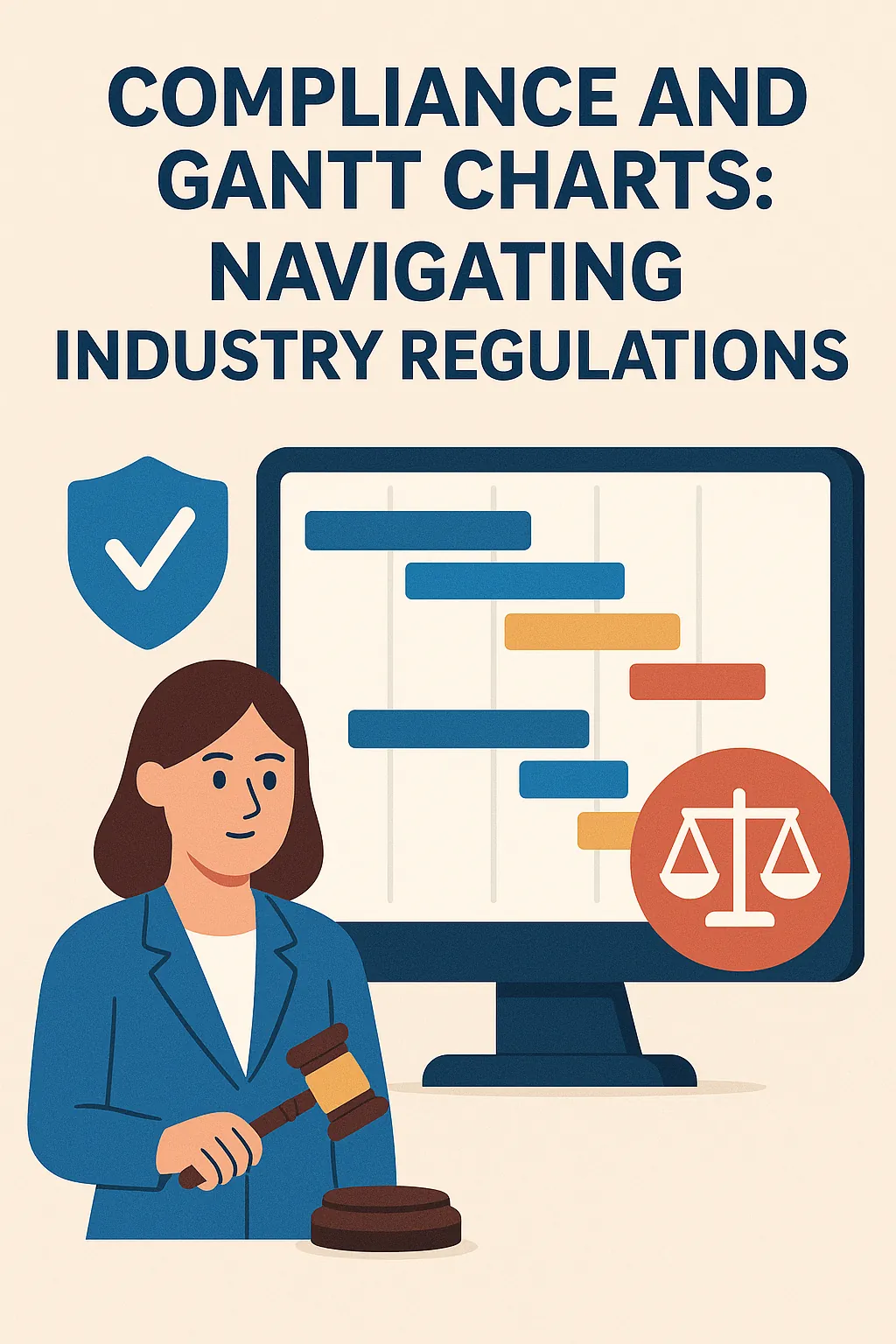
A Gantt chart is a type of bar chart that illustrates a project schedule. It displays the start and finish dates of various elements of a project, allowing project managers to visualize the timeline and the relationships between tasks. The key components of a Gantt chart include:
- Tasks: Each task or activity is represented by a horizontal bar, with the length of the bar indicating the duration of the task.
- Timeline: The horizontal axis typically represents time, which can be divided into days, weeks, or months, depending on the project’s scope.
- Milestones: Important deadlines or significant points in the project are marked as milestones, often represented by diamond shapes on the chart.
- Dependencies: Arrows or lines may connect tasks to indicate dependencies, showing which tasks must be completed before others can begin.
Brief History of Gantt Charts in Project Management
The Gantt chart was developed by Henry Gantt in the 1910s as a means to improve project scheduling and management. Initially used in manufacturing and construction, Gantt charts have evolved to become a standard tool across various industries. Their ability to provide a clear visual representation of project timelines has made them invaluable for project managers, especially in regulated environments where adherence to schedules is critical for compliance.
Importance of Visual Representation of Project Timelines
The visual nature of Gantt charts offers several advantages in project management:
- Clarity: Gantt charts provide a clear overview of the project timeline, making it easier for project managers and stakeholders to understand the project’s progress at a glance.
- Communication: They serve as effective communication tools, allowing teams to discuss timelines, deadlines, and task dependencies without confusion.
- Monitoring Progress: By visually tracking the completion of tasks against the planned schedule, project managers can quickly identify delays and take corrective actions to keep the project on track.
- Regulatory Compliance: In regulated industries, maintaining compliance with timelines is crucial. Gantt charts help ensure that all tasks are completed on schedule, which is often a requirement for regulatory adherence.
Understanding Regulatory Compliance in Project Management
Regulatory compliance is a critical aspect of project management, particularly in industries where adherence to laws, regulations, and standards is mandatory. For project managers, understanding and implementing compliance measures is essential to ensure that projects not only meet their objectives but also align with legal and ethical standards. Here’s a closer look at the concept of regulatory compliance, its implications, and its significance across various industries.
Definition of Regulatory Compliance
Regulatory compliance refers to the process of adhering to laws, regulations, guidelines, and specifications relevant to an organization’s business processes. In project management, this means ensuring that all project activities are conducted in accordance with applicable legal and regulatory requirements. Compliance can encompass a wide range of areas, including safety standards, environmental regulations, financial reporting, and data protection laws.
- Implications for Project Managers: For project managers, regulatory compliance is not just a legal obligation; it is a fundamental component of project planning and execution. It requires a thorough understanding of the relevant regulations and the ability to integrate compliance measures into project workflows. Failure to comply can lead to significant legal repercussions, financial penalties, and damage to an organization’s reputation.
Overview of Industries Requiring Strict Compliance
Certain industries are particularly subject to stringent regulatory requirements due to the nature of their operations and the potential impact on public health and safety. Some of these industries include:
- Healthcare: In healthcare, compliance with regulations such as HIPAA (Health Insurance Portability and Accountability Act) is crucial for protecting patient information and ensuring quality care. Project managers must navigate complex regulations related to patient safety, data privacy, and clinical trials.
- Finance: The financial sector is heavily regulated to prevent fraud, protect consumers, and maintain market integrity. Regulations such as the Sarbanes-Oxley Act and the Dodd-Frank Act impose strict compliance requirements on financial reporting and risk management practices.
- Construction: In construction, compliance with safety standards, building codes, and environmental regulations is essential. Project managers must ensure that all construction activities meet legal requirements to avoid accidents and legal liabilities.
Consequences of Non-Compliance in Project Execution
The consequences of failing to adhere to regulatory compliance can be severe and far-reaching. Some potential repercussions include:
- Legal Penalties: Organizations may face fines, sanctions, or legal action if they fail to comply with regulations. This can lead to costly litigation and damage to the organization’s financial standing.
- Project Delays: Non-compliance can result in project delays as organizations may need to halt operations to address compliance issues or rectify violations. This can disrupt timelines and increase costs.
- Reputational Damage: Non-compliance can tarnish an organization’s reputation, leading to a loss of trust among stakeholders, clients, and the public. This can have long-term implications for business relationships and market position.
- Operational Risks: Non-compliance can expose organizations to operational risks, including safety hazards and financial mismanagement. This can jeopardize the success of projects and the overall stability of the organization.
The Role of Gantt Charts in Managing Compliance Requirements
Particularly within regulated industries, maintaining compliance with industry standards and regulations is paramount. Gantt charts serve as a powerful tool in this context, providing project managers with a visual representation of tasks, timelines, and dependencies that are crucial for meeting compliance requirements. Here’s how Gantt charts can facilitate adherence to regulatory standards:
Visualizing Compliance Tasks and Deadlines
- Clarity and Organization: Gantt charts allow project managers to break down complex compliance requirements into manageable tasks. By visualizing these tasks on a timeline, teams can easily see what needs to be done and when, reducing the risk of overlooking critical compliance activities.
- Task Dependencies: Gantt charts illustrate the relationships between tasks, helping project managers understand which compliance activities are dependent on others. This clarity ensures that teams prioritize tasks effectively, avoiding delays that could jeopardize compliance.
Tracking Regulatory Milestones
- Milestone Management: Regulatory compliance often involves specific milestones that must be met within set timeframes. Gantt charts enable project managers to mark these milestones clearly, ensuring that all team members are aware of key deadlines and the importance of meeting them.
- Progress Monitoring: By regularly updating the Gantt chart, project managers can track progress against compliance milestones. This ongoing monitoring allows for timely adjustments to the project plan, ensuring that any potential compliance issues are addressed before they escalate.
Examples of Compliance-Related Tasks Managed with Gantt Charts
- Documentation and Reporting: Many regulatory frameworks require extensive documentation and reporting. Gantt charts can be used to schedule and track the completion of these documents, ensuring that all necessary reports are submitted on time.
- Training and Certification: Compliance often necessitates that team members undergo specific training or obtain certifications. Gantt charts can help manage the scheduling of these training sessions, ensuring that all personnel are compliant with industry standards.
- Audit Preparation: Preparing for audits is a critical compliance task. Gantt charts can outline the steps needed for audit readiness, from gathering documentation to conducting internal reviews, ensuring that nothing is overlooked.
Integrating Compliance Checks into Gantt Chart View
In regulated industries, project managers face the dual challenge of meeting project deadlines while ensuring compliance with industry regulations. Gantt charts, a staple in project management, can be effectively utilized to navigate these complexities. Here are practical steps for incorporating compliance checks into the Gantt chart framework:
1. Identifying Compliance Checkpoints
- Define Compliance Requirements: Begin by thoroughly understanding the regulatory requirements relevant to your project. This may include industry standards, legal obligations, and internal policies.
- Map Compliance Checkpoints: Identify specific compliance checkpoints that need to be integrated into the project timeline. These could be milestones such as obtaining necessary approvals, conducting audits, or completing mandatory training sessions.
- Incorporate into Gantt Chart: Once identified, integrate these checkpoints into the Gantt chart as distinct tasks or milestones. This ensures that compliance is not an afterthought but a fundamental part of the project plan.
2. Scheduling Regular Reviews and Updates
- Establish Review Intervals: Schedule regular reviews of compliance tasks within the Gantt chart. This could be weekly, bi-weekly, or monthly, depending on the project’s complexity and regulatory requirements.
- Update Progress: During these reviews, update the Gantt chart to reflect the current status of compliance tasks. This helps in tracking progress and identifying any potential delays in meeting compliance deadlines.
- Adjust Timelines as Necessary: If compliance tasks are falling behind schedule, adjust the Gantt chart timelines accordingly. This proactive approach allows for timely interventions to keep the project on track.
3. Using Color-Coding and Annotations
- Implement Color-Coding: Use color-coding to differentiate compliance-critical tasks from other project activities. For example, tasks that require regulatory approval could be marked in red, while those that are on track could be in green. This visual differentiation makes it easier for project teams to prioritize compliance-related activities.
- Add Annotations for Clarity: Utilize annotations within the Gantt chart to provide additional context for compliance tasks. This could include notes on specific regulations, responsible parties, or deadlines. Annotations enhance communication among team members and ensure everyone is aware of compliance obligations.
- Highlight Dependencies: Clearly indicate any dependencies between compliance tasks and other project activities. This helps in understanding how delays in compliance could impact the overall project timeline.
By integrating compliance checks into the Gantt chart view, project managers can create a more structured approach to regulatory compliance. This not only aids in meeting industry standards but also enhances overall project efficiency and accountability. Embracing these practices will empower project managers in regulated industries to navigate the complexities of compliance with confidence.
Best Practices for Using Gantt Charts in Regulated Industries
Gantt charts are invaluable tools in project management, particularly in regulated industries where compliance with industry standards and regulations is critical. By providing a visual representation of project timelines, tasks, and dependencies, Gantt charts can significantly enhance a project manager’s ability to navigate complex regulatory landscapes. Here are some best practices for effectively using Gantt charts to improve compliance:
1. Regularly Update and Maintain Gantt Charts for Accuracy
- Frequent Revisions: Ensure that Gantt charts are updated regularly to reflect the current status of the project. This includes adjusting timelines, task completion percentages, and resource allocations. Regular updates help in identifying potential compliance issues early, allowing for timely interventions.
- Version Control: Implement a version control system for Gantt charts to track changes over time. This practice not only aids in maintaining accuracy but also provides a historical record that can be useful during audits or compliance reviews.
2. Engage Stakeholders in Compliance Discussions Reflected in Gantt Charts
- Collaborative Planning: Involve key stakeholders, including compliance officers, legal advisors, and team members, in the planning phase. Their insights can help identify regulatory requirements that need to be incorporated into the Gantt chart.
- Transparent Communication: Use Gantt charts as a communication tool to keep stakeholders informed about project timelines and compliance milestones. This transparency fosters accountability and ensures that everyone is aligned with compliance objectives.
3. Leverage Software Tools for Gantt Chart Creation and Management
- Utilize Project Management Software: Invest in robust project management software that offers Gantt chart functionalities. These tools often come with features that facilitate real-time updates, collaboration, and reporting, making it easier to manage compliance-related tasks.
- Integrate Compliance Checklists: Many project management tools allow for the integration of checklists and reminders directly into Gantt charts. This feature can help project managers ensure that all compliance tasks are completed on time and that nothing is overlooked.
By implementing these best practices, project managers in regulated industries can enhance their compliance efforts through effective Gantt chart use. Regular updates, stakeholder engagement, and the right software tools not only streamline project management processes but also ensure adherence to industry regulations, ultimately leading to successful project outcomes.
Challenges and Limitations of Gantt Charts in Compliance Management
Gantt charts are widely recognized as valuable tools in project management, particularly for visualizing timelines and task dependencies. However, when it comes to navigating the complexities of regulatory compliance in highly regulated industries, project managers may encounter several challenges and limitations. Understanding these issues is crucial for effectively leveraging Gantt charts in compliance tasks.
Common Challenges Faced When Using Gantt Charts for Compliance Tasks
- Static Nature: Gantt charts are often static representations of project timelines. This rigidity can be problematic in compliance management, where regulations and requirements may change frequently. Project managers may find it challenging to update Gantt charts in real-time to reflect these changes, leading to outdated information that can jeopardize compliance efforts.
- Over-Simplification: While Gantt charts provide a clear overview of tasks and timelines, they can oversimplify complex compliance processes. Regulatory requirements often involve intricate interdependencies and multiple stakeholders, which may not be adequately represented in a Gantt chart format. This can result in a lack of clarity regarding responsibilities and timelines.
- Limited Detail: Gantt charts typically focus on task duration and sequencing but may not capture the nuances of compliance requirements, such as documentation, audits, and stakeholder approvals. This lack of detail can lead to gaps in compliance tracking and oversight.
Limitations of Gantt Charts in Complex Project Environments
- Difficulty in Managing Multiple Regulations: In industries with overlapping regulations, Gantt charts can become cluttered and difficult to interpret. Project managers may struggle to visualize how different compliance tasks relate to one another, making it challenging to ensure that all regulatory requirements are met.
- Resource Allocation Issues: Gantt charts may not effectively represent resource allocation, which is critical in compliance management. Project managers need to ensure that the right resources are available at the right time to meet compliance deadlines. Gantt charts alone may not provide the necessary insights into resource availability and utilization.
- Inflexibility in Agile Environments: In fast-paced or agile project environments, Gantt charts may not be the best fit. The need for rapid adjustments and iterative processes can conflict with the linear nature of Gantt charts, making it difficult to adapt to changing compliance requirements.
Alternatives or Complementary Tools That Can Be Used Alongside Gantt Charts
To address the challenges and limitations of Gantt charts in compliance management, project managers can consider the following alternatives or complementary tools:
- Kanban Boards: Kanban boards offer a more flexible approach to managing tasks and workflows. They allow project managers to visualize work in progress and prioritize tasks based on compliance requirements. This adaptability can be particularly beneficial in dynamic regulatory environments.
- Compliance Management Software: Specialized compliance management tools can provide comprehensive tracking of regulatory requirements, documentation, and audits. These tools often include features for real-time updates, notifications, and reporting, which can enhance compliance oversight beyond what Gantt charts can offer.
- Integrated Project Management Solutions: Utilizing integrated project management platforms that combine Gantt charts with other project management methodologies (such as Agile or Lean) can provide a more holistic view of compliance tasks. These platforms can facilitate better resource management, collaboration, and adaptability to changing regulations.
- Dashboards and Reporting Tools: Implementing dashboards that aggregate compliance data from various sources can help project managers monitor compliance status in real-time. These tools can complement Gantt charts by providing insights into compliance metrics and performance indicators.
By acknowledging the challenges and limitations of Gantt charts in compliance management, project managers can adopt a more nuanced approach that incorporates alternative tools and methodologies. This strategic combination can enhance their ability to navigate industry regulations effectively while ensuring compliance across complex project environments.
Conclusion: The Future of Gantt Charts in Regulatory Compliance
As project managers in regulated industries navigate the complexities of compliance, Gantt charts remain an invaluable tool for effective project management. Their visual representation of project timelines and tasks provides clarity and organization, which are essential when adhering to industry regulations. Here are the key takeaways regarding the benefits and future of Gantt charts in managing compliance:
- Recap of Benefits: Gantt charts facilitate the tracking of project milestones and deadlines, ensuring that all compliance-related tasks are completed on time. They allow project managers to visualize dependencies between tasks, which is crucial for understanding how delays in one area can impact compliance in another. This proactive approach helps in identifying potential compliance risks early, enabling timely interventions.
- Evolving Role of Technology: The integration of advanced technology into Gantt chart functionalities is transforming how project managers approach compliance. Modern project management software now offers features such as real-time collaboration, automated updates, and integration with regulatory databases. These enhancements not only streamline the compliance process but also provide project managers with the tools to adapt to changing regulations swiftly. As technology continues to evolve, Gantt charts will likely incorporate even more sophisticated analytics and reporting capabilities, further supporting compliance efforts.
- Encouragement for Adoption: Project managers are encouraged to embrace and adapt Gantt chart practices to enhance their compliance strategies. By leveraging the strengths of Gantt charts, such as their ability to break down complex projects into manageable tasks, project managers can ensure that compliance is not an afterthought but an integral part of the project lifecycle. Continuous learning and adaptation of Gantt chart methodologies will empower project managers to stay ahead of regulatory changes and maintain compliance effectively.
In conclusion, Gantt charts will continue to play a pivotal role in regulatory compliance within project management. Their ability to provide clarity, enhance collaboration, and adapt to technological advancements makes them a timeless asset for project managers striving to meet industry standards. As we look to the future, the ongoing evolution of Gantt charts will undoubtedly support project managers in navigating the intricate landscape of compliance with confidence and efficiency.
Find out more about Shaun Stoltz https://www.shaunstoltz.com/about/.
This post was written by an AI and reviewed/edited by a human.