Introduction
The integration of Agile methodologies has emerged as a cornerstone for fostering flexibility, collaboration, and responsiveness to change. Agile characteristics, such as iterative development, customer collaboration, and adaptive planning, empower teams to deliver high-quality products while accommodating shifting requirements. These traits are essential in today’s fast-paced business environment, where the ability to pivot quickly can determine a project’s success.
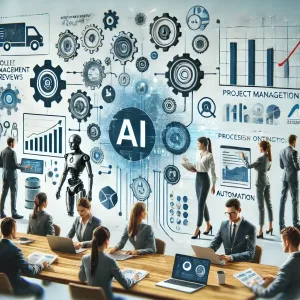
As we delve into the future of project management, the role of Artificial Intelligence (AI) becomes increasingly significant. AI tools are revolutionizing how project managers approach their work, offering innovative solutions that enhance decision-making, streamline processes, and improve team dynamics. By automating routine tasks, providing data-driven insights, and facilitating real-time communication, AI can significantly augment the Agile framework, allowing teams to focus on what truly matters: delivering value to customers.
This discussion will explore how AI acts as a catalyst for enhancing Agile methodologies. By examining the synergies between AI and Agile characteristics, we will uncover how these technologies can work together to create more efficient, responsive, and successful project management practices. As we navigate this intersection, it becomes clear that the future of project management lies in the seamless integration of AI with Agile principles, paving the way for a new era of innovation and effectiveness in delivering projects.
Understanding Agile Characteristics
Integrating artificial intelligence (AI) with agile methodologies presents a transformative opportunity for tech-savvy project managers and innovators. To effectively leverage AI tools within agile frameworks, it is essential to first understand the core characteristics that define agile principles. Here are the key points that encapsulate the essence of agile methodologies:
- Iterative Development: Agile methodologies prioritize iterative development, which involves breaking projects into smaller, manageable cycles known as sprints. This approach allows teams to continuously improve their processes and products through regular feedback and adjustments. By focusing on short cycles, teams can quickly respond to changes and enhance their output based on real-time insights.
- Collaboration: At the heart of agile is the emphasis on collaboration among team members and stakeholders. Agile frameworks encourage open communication and teamwork, fostering an environment where diverse perspectives can contribute to problem-solving and innovation. This collaborative spirit not only enhances team dynamics but also ensures that stakeholder input is integrated throughout the project lifecycle.
- Flexibility: One of the defining characteristics of agile is its inherent flexibility. Agile methodologies are designed to accommodate changing requirements, allowing teams to pivot and adapt as new information or challenges arise. This adaptability is crucial in today’s fast-paced business environment, where project parameters can shift rapidly due to market demands or technological advancements.
- Customer Focus: Agile places a strong emphasis on delivering value to customers through continuous feedback. By involving customers in the development process, teams can ensure that the final product aligns with user needs and expectations. This customer-centric approach not only enhances satisfaction but also drives innovation by encouraging teams to explore new ideas based on user insights.
- Simplicity: Agile methodologies advocate for simplicity in project management, emphasizing the importance of prioritizing tasks that deliver the most value. By focusing on essential features and functionalities, teams can streamline their efforts and avoid unnecessary complexity. This principle encourages project managers to make informed decisions about resource allocation and task prioritization, ultimately leading to more efficient project execution.
Incorporating AI tools into these agile characteristics can further enhance project outcomes. For instance, AI can facilitate data analysis during iterative cycles, improve collaboration through intelligent communication platforms, and provide insights that help teams remain flexible and customer-focused. By understanding and embracing these agile principles, project managers can effectively navigate the future of project management, driving innovation and success in their endeavors.
The Role of AI in Project Management
The integration of Artificial Intelligence (AI) with agile methodologies is transforming how projects are planned, executed, and monitored. Agile characteristics, such as flexibility, collaboration, and iterative progress, align seamlessly with AI capabilities, creating a powerful synergy that enhances project outcomes. Here are some key points on how AI can enhance agile project management processes:
- Automation of Repetitive Tasks: One of the most significant advantages of AI in project management is its ability to automate mundane and repetitive tasks. By utilizing AI tools, project managers can reduce manual effort in project tracking, scheduling, and reporting. This automation not only saves time but also minimizes human error, allowing teams to focus on more strategic activities that require critical thinking and creativity.
- Data Analysis: AI excels in processing vast amounts of data quickly and efficiently. In the context of project management, AI can analyze project data to derive actionable insights. This capability enables project managers to make informed decisions based on real-time data, improving the overall effectiveness of the project. For instance, AI can identify trends in team performance, budget utilization, and timeline adherence, providing a clearer picture of project health.
- Predictive Analytics: One of the most transformative aspects of AI is its predictive analytics capabilities. By leveraging historical data and machine learning algorithms, AI can anticipate potential project risks and outcomes. This foresight allows project managers to proactively address issues before they escalate, ensuring smoother project execution. For example, AI can predict delays based on past performance metrics, enabling teams to adjust their strategies accordingly.
- Resource Optimization: Effective resource management is crucial in agile project management. AI tools can enhance team allocation and workload management by analyzing team members’ skills, availability, and past performance. This optimization ensures that the right resources are assigned to the right tasks, maximizing productivity and minimizing burnout. AI can also help in balancing workloads across the team, ensuring that no individual is overwhelmed while others are underutilized.
The integration of AI with agile characteristics in project management not only streamlines processes but also enhances decision-making and resource management. As project managers and innovators embrace these technologies, they can expect to see improved project outcomes, increased efficiency, and a more adaptive approach to managing projects in an ever-changing environment. The future of project management lies in harnessing the power of AI to complement agile methodologies, paving the way for more successful and innovative project delivery.
How AI Enhances Agile Characteristics
The integration of Artificial Intelligence (AI) with agile methodologies presents a transformative opportunity for tech-savvy project managers and innovators. By leveraging AI tools, organizations can enhance key agile characteristics, leading to more efficient and effective project outcomes. Here are several ways AI enhances these agile characteristics:
Improving Iterative Development
AI significantly contributes to the iterative development process by facilitating rapid prototyping and testing. With machine learning algorithms, teams can analyze previous iterations and predict potential outcomes, allowing for quicker adjustments and refinements. This capability not only accelerates the development cycle but also ensures that products are continuously improved based on real-time data and user feedback. AI can automate testing processes, enabling teams to focus on innovation rather than manual testing, thus enhancing the overall speed and quality of product development.
Enhancing Collaboration
Collaboration is a cornerstone of agile methodologies, and AI-driven communication tools are revolutionizing how teams interact. Platforms equipped with AI capabilities can analyze communication patterns, suggest optimal collaboration methods, and even automate routine updates. For instance, AI chatbots can facilitate real-time communication among team members, ensuring that everyone is aligned and informed. Additionally, AI can help identify potential collaboration bottlenecks by analyzing team dynamics and suggesting interventions, thereby fostering a more cohesive working environment.
Boosting Flexibility
Agile methodologies thrive on flexibility, and AI enhances this characteristic through adaptive planning. By utilizing AI insights, project managers can make data-driven decisions that reflect current project realities. AI tools can analyze market trends, resource availability, and team performance metrics to provide actionable insights that inform planning and resource allocation. This adaptability allows teams to pivot quickly in response to changing project requirements or external factors, ensuring that they remain aligned with business goals.
Strengthening Customer Focus
AI tools play a crucial role in gathering and analyzing customer feedback, which is vital for maintaining a customer-centric approach in agile projects. By employing natural language processing and sentiment analysis, AI can sift through vast amounts of customer data to identify trends and preferences. This information enables project teams to prioritize features and enhancements that resonate with users, ensuring that the final product meets customer needs effectively. Furthermore, AI can facilitate personalized customer interactions, enhancing engagement and satisfaction.
Streamlining Simplicity
Simplicity is a fundamental principle of agile methodologies, and AI assists in prioritizing backlogs effectively. By analyzing project data and team capacity, AI can help project managers identify which tasks should be prioritized based on their potential impact and urgency. This capability not only streamlines the backlog management process but also ensures that teams focus on delivering the most valuable features first. AI can also automate routine backlog grooming tasks, freeing up team members to concentrate on more strategic initiatives.
The integration of AI with agile methodologies offers a powerful synergy that enhances iterative development, collaboration, flexibility, customer focus, and simplicity. As project managers and innovators embrace these technologies, they can drive their teams toward greater efficiency and success in an increasingly complex project landscape. The future of project management lies in harnessing the capabilities of AI to complement and elevate agile practices, ultimately leading to more successful project outcomes.
AI Tools for Agile Project Management
The integration of Artificial Intelligence (AI) with agile methodologies is transforming how teams operate. Agile characteristics, such as flexibility, collaboration, and iterative progress, are enhanced by AI tools that streamline processes, improve decision-making, and foster innovation. Below, we explore popular AI tools that complement agile practices, discuss integration with existing project management software, and highlight future trends in AI tool development for agile teams.
Overview of Popular AI Tools
- Trello:
- Trello has introduced AI features that assist in task management and prioritization. Its AI can analyze team workflows and suggest optimal task assignments based on team members’ past performance and availability.
- The tool’s automation capabilities, such as Butler, allow teams to automate repetitive tasks, freeing up time for more strategic work.
- Asana:
- Asana’s AI functionalities include smart project templates and predictive task assignments. The tool uses machine learning to analyze project data and recommend the best course of action for upcoming tasks.
- Asana also offers features like workload management, which helps teams balance their efforts and avoid burnout by predicting resource needs based on project timelines.
- Jira:
- Jira, widely used in software development, incorporates AI to enhance issue tracking and project management. Its AI-driven insights help teams identify bottlenecks and optimize sprint planning.
- The tool’s integration with Confluence allows for seamless documentation and collaboration, further enhancing agile practices by ensuring that all team members have access to the latest information.
Integration of AI with Existing Project Management Software
Integrating AI tools with existing project management software is crucial for maximizing their potential. Many agile teams are leveraging APIs and plugins to enhance their current systems. For instance, integrating AI chatbots with tools like Trello or Asana can facilitate real-time communication and updates, ensuring that all team members are aligned and informed. Additionally, AI can analyze historical project data from these tools to provide actionable insights, helping teams make data-driven decisions.
Future Trends in AI Tool Development for Agile Teams
As AI technology continues to advance, several trends are emerging that will shape the future of project management:
- Enhanced Predictive Analytics: Future AI tools will likely offer even more sophisticated predictive analytics, enabling teams to foresee potential challenges and adjust their strategies proactively.
- Increased Automation: The automation of routine tasks will become more prevalent, allowing project managers to focus on strategic planning and team development rather than administrative duties.
- Personalized User Experiences: AI will enable more personalized experiences within project management tools, adapting to individual user preferences and work styles to enhance productivity.
- Collaboration and Communication Tools: The integration of AI in collaboration tools will facilitate better communication among team members, regardless of their location, fostering a more cohesive agile environment.
The integration of AI tools with agile methodologies is not just a trend but a significant shift in how project management is approached. By leveraging these technologies, agile teams can enhance their efficiency, improve collaboration, and ultimately deliver better results. As AI continues to evolve, project managers must stay informed about these developments to remain competitive in the future landscape of project management.
Challenges and Considerations
Integrating AI tools with agile methodologies presents a unique set of challenges that project managers must navigate to ensure successful implementation. Here are some key hurdles to consider:
- Resistance to Change: One of the most significant challenges in adopting AI within agile frameworks is overcoming skepticism among team members. Many individuals may be hesitant to embrace new technologies due to fears of job displacement or a lack of understanding of how AI can enhance their work. To address this, project managers should foster an open dialogue about the benefits of AI, provide demonstrations, and involve team members in the transition process to build trust and acceptance.
- Data Privacy and Security: As organizations increasingly rely on AI tools, ensuring compliance with data privacy regulations becomes paramount. Project managers must be vigilant in understanding the legal implications of using AI, particularly when handling sensitive information. This includes implementing robust data protection measures and ensuring that AI systems are designed with privacy in mind, thereby safeguarding both the organization and its clients.
- Skill Gaps: The integration of AI into agile methodologies often reveals skill gaps within teams. Many project managers may find that their teams lack the necessary expertise to effectively utilize AI tools. To mitigate this issue, organizations should invest in training and upskilling initiatives that empower team members to harness AI capabilities. This could involve workshops, online courses, or partnerships with educational institutions to ensure that the workforce is equipped to thrive in an AI-enhanced environment.
- Balancing Automation with Human Input: While AI can significantly streamline processes and improve efficiency, it is crucial to maintain the human touch in project management. Agile methodologies emphasize collaboration, creativity, and adaptability—qualities that are inherently human. Project managers must find a balance between leveraging automation for routine tasks and ensuring that team members remain engaged in decision-making processes. This balance is essential to preserve the core values of agile while reaping the benefits of AI.
By addressing these challenges head-on, tech-savvy project managers and innovators can effectively integrate AI with agile methodologies, paving the way for a more efficient and responsive project management landscape.
Conclusion
The integration of Artificial Intelligence (AI) with agile characteristics presents a transformative opportunity for tech-savvy project managers and innovators. The synergy between AI and agile methodologies not only enhances efficiency but also fosters a more adaptive and responsive project environment. Here are the key insights from our exploration:
- Enhanced Decision-Making: AI tools can analyze vast amounts of data in real-time, providing project managers with actionable insights that inform decision-making. This capability aligns perfectly with agile’s emphasis on iterative progress and responsiveness to change, allowing teams to pivot quickly based on data-driven insights.
- Improved Collaboration: AI can facilitate better communication and collaboration among team members by automating routine tasks and providing platforms for seamless interaction. This enhancement supports agile principles of teamwork and collective ownership, ensuring that all voices are heard and valued.
- Predictive Analytics: By leveraging AI’s predictive capabilities, project managers can anticipate potential challenges and risks before they arise. This proactive approach aligns with agile’s focus on continuous improvement and risk management, enabling teams to address issues swiftly and maintain project momentum.
- Streamlined Processes: AI can automate repetitive tasks, freeing up team members to focus on higher-value activities. This efficiency not only accelerates project timelines but also enhances the quality of deliverables, which is a core tenet of agile methodologies.
Whether it’s through implementing AI-driven project management software or utilizing machine learning algorithms for data analysis, the potential for innovation is vast.
Looking ahead, the future of project management lies in the seamless integration of AI with agile methodologies. As these technologies continue to evolve, they will empower project teams to achieve unprecedented levels of efficiency, adaptability, and success. Embracing this integration will not only enhance project outcomes but also redefine the very nature of how we approach project management in an increasingly complex and dynamic world.
By exploring and adopting AI tools, project managers can position themselves at the forefront of this exciting evolution, ready to harness the full potential of agile methodologies in the age of technology.
Find out more about Shaun Stoltz https://www.shaunstoltz.com/about/.
This post was written by an AI and reviewed/edited by a human.