Introduction to Work Breakdown Structure (WBS)
The Work Breakdown Structure (WBS) serves as a foundational tool that aids project managers and team leaders in organizing and managing their projects effectively. Understanding the WBS is crucial for ensuring that projects are completed on time, within scope, and within budget.
Definition of Work Breakdown Structure
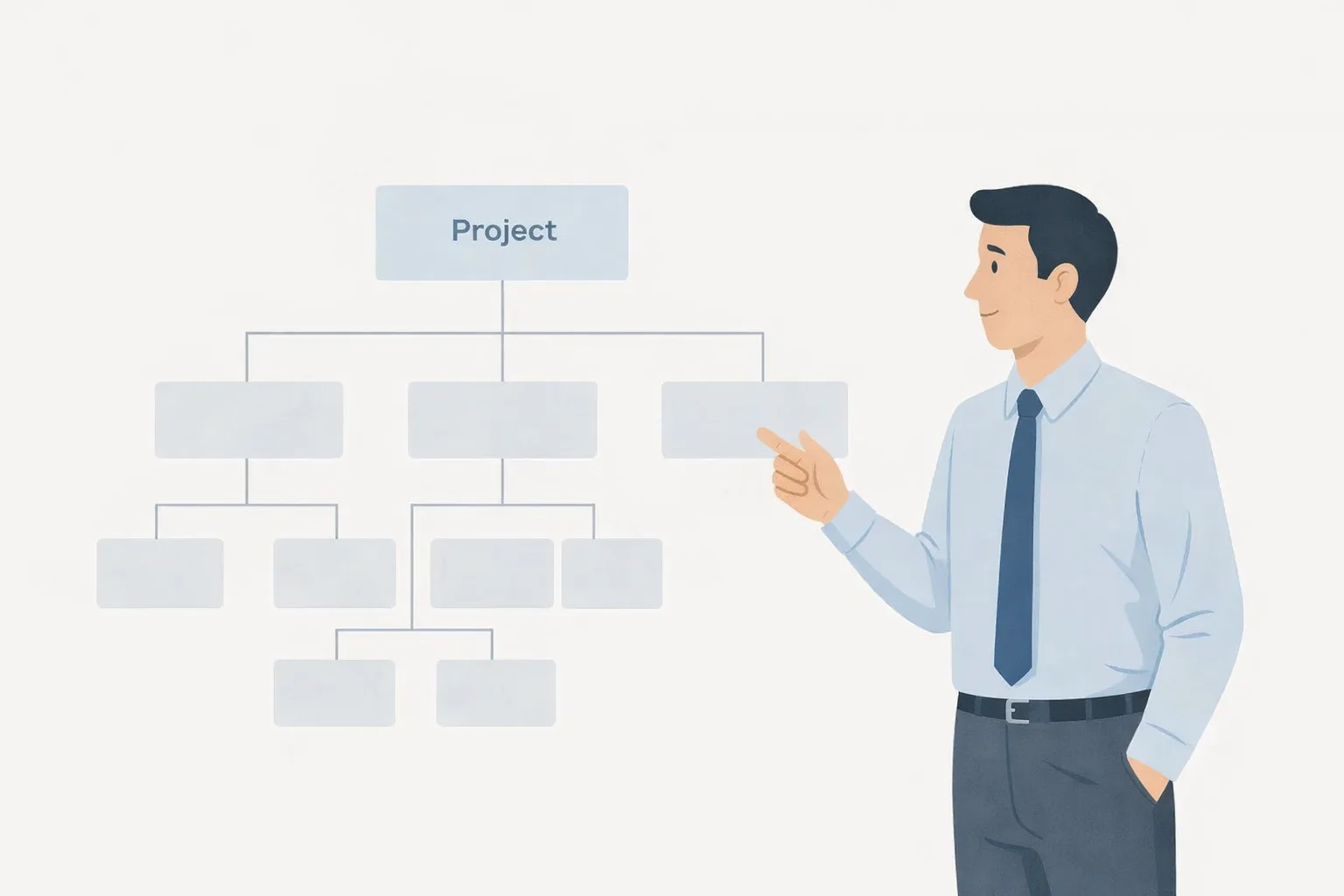
A Work Breakdown Structure (WBS) is a hierarchical decomposition of a project into smaller, more manageable components. It breaks down the overall project into deliverables, tasks, and subtasks, allowing project managers to visualize the entire scope of the project. Each level of the WBS represents a more detailed breakdown of the project, making it easier to assign responsibilities, estimate costs, and track progress.
The Role of WBS in Project Planning and Execution
The WBS plays a pivotal role in both the planning and execution phases of a project. Here are some key functions it serves:
- Clarifies Project Scope: By breaking down the project into smaller parts, the WBS helps to define the scope clearly, ensuring that all stakeholders have a shared understanding of what is included in the project and what is not.
- Facilitates Resource Allocation: With a clear structure in place, project managers can allocate resources more effectively, ensuring that team members are assigned to tasks that match their skills and expertise.
- Enhances Communication: The WBS serves as a communication tool among team members and stakeholders, providing a visual representation of the project that can be easily understood by all parties involved.
Overview of Benefits
Creating an effective WBS offers numerous benefits that contribute to the overall success of a project:
- Improved Project Clarity: A well-structured WBS provides clarity on project deliverables and timelines, reducing ambiguity and confusion among team members.
- Increased Focus: By breaking the project into smaller tasks, team members can concentrate on specific components, leading to higher quality outputs and better performance.
- Easier Tracking and Reporting: The hierarchical nature of the WBS allows for easier tracking of progress and reporting on project status, enabling project managers to identify potential issues early and make necessary adjustments.
Why Create a Work Breakdown Structure?
Creating a Work Breakdown Structure (WBS) is a fundamental practice in project management that offers numerous advantages, making it an essential tool for project managers and team leaders. Here are the key reasons why developing a WBS is crucial for successful project execution:
- Facilitates Better Project Planning and Resource Allocation: A WBS breaks down the project into smaller, manageable components, allowing project managers to plan more effectively. By clearly defining tasks and deliverables, it becomes easier to allocate resources appropriately, ensuring that each part of the project has the necessary manpower, time, and budget to succeed. This structured approach minimizes the risk of overlooking critical tasks and helps in creating a realistic project timeline.
- Improves Communication Among Project Stakeholders: A well-structured WBS serves as a common language for all project stakeholders, including team members, clients, and sponsors. By providing a visual representation of the project scope, it enhances understanding and clarity, reducing the chances of miscommunication. Stakeholders can easily see how their contributions fit into the larger project framework, fostering collaboration and alignment on project goals.
- Helps in Scope Management and Tracking Progress: One of the primary benefits of a WBS is its role in scope management. By clearly delineating project deliverables, it helps prevent scope creep—where additional tasks are added without proper evaluation. Furthermore, a WBS allows for effective progress tracking, as project managers can measure the completion of individual components against the overall project timeline. This visibility enables timely adjustments and ensures that the project stays on track.
- Aids in Risk Management by Identifying Potential Issues Early: The process of creating a WBS encourages project managers to think critically about each component of the project. This detailed breakdown helps identify potential risks and issues early in the project lifecycle. By recognizing these challenges upfront, teams can develop mitigation strategies, allocate contingency resources, and ultimately reduce the likelihood of project delays or failures.
Key Components of a Work Breakdown Structure
Creating a Work Breakdown Structure (WBS) is a fundamental step in project management that helps ensure clarity and organization throughout the project lifecycle. A well-structured WBS allows project managers and team leaders to break down complex projects into manageable components, facilitating better planning, execution, and monitoring. Here are the essential elements that comprise an effective WBS:
- Tasks: At the core of a WBS are the tasks, which represent the breakdown of project deliverables into manageable units. Each task should be specific and actionable, allowing team members to understand their responsibilities clearly. For instance, if the project is to develop a software application, tasks might include requirements gathering, design, coding, testing, and deployment.
- Subtasks: To enhance clarity and ensure that no detail is overlooked, tasks can be further divided into subtasks. This division allows project managers to assign smaller, more focused activities to team members, making it easier to track progress and manage workloads. For example, the task of “coding” could be broken down into subtasks such as “frontend development,” “backend development,” and “database integration.”
- Deliverables: Each task and subtask should be associated with clear outcomes or deliverables. Deliverables are the tangible or intangible results produced as a result of completing a task. They provide a way to measure progress and success. For instance, the deliverable for the “testing” task might be a fully functional software application that has passed all quality assurance checks.
- Levels of Hierarchy: Understanding the structure and organization of the WBS is crucial for effective project management. A WBS typically has multiple levels, starting from the highest level, which represents the overall project, down to the lowest level, which includes individual tasks and subtasks. This hierarchical structure helps in visualizing the project scope and ensures that all components are aligned with the project objectives. It also aids in resource allocation and risk management by providing a clear overview of all project elements.
By incorporating these key components into your WBS, you can create a comprehensive framework that not only guides your project planning but also enhances communication and collaboration among team members. A well-defined WBS serves as a roadmap, ensuring that everyone involved in the project understands their roles and responsibilities, ultimately leading to successful project outcomes.
Step 1: Define Your Project Scope
Defining the project scope is a critical first step in creating an effective Work Breakdown Structure (WBS). A well-articulated project scope sets the foundation for the entire project, ensuring that all team members and stakeholders have a clear understanding of what the project entails. Here are the key points to consider when defining your project scope:
- Importance of a Clear Project Scope Statement: A clear project scope statement serves as a guiding document that outlines the boundaries of the project. It specifies what is included and excluded from the project, helping to prevent scope creep—an occurrence where additional tasks or deliverables are added without proper evaluation or approval. A well-defined scope statement ensures that all stakeholders have aligned expectations and that the project team can focus on delivering the agreed-upon outcomes.
- Identifying Key Deliverables and Objectives: To effectively define the project scope, project managers must identify the key deliverables and objectives. This involves breaking down the project into manageable components that can be easily understood and tracked. Deliverables are the tangible outputs of the project, while objectives are the goals that the project aims to achieve. By clearly outlining these elements, project managers can create a more structured WBS that reflects the project’s overall vision and purpose.
- Engaging Stakeholders to Gather Input on Project Scope: Engaging stakeholders early in the project is essential for gathering valuable input on the project scope. Stakeholders can provide insights into their needs, expectations, and any constraints that may impact the project. Conducting interviews, surveys, or workshops can facilitate this engagement, allowing project managers to capture diverse perspectives and ensure that the project scope aligns with stakeholder interests. This collaborative approach not only enhances the quality of the project scope statement but also fosters buy-in and support from stakeholders throughout the project lifecycle.
By taking the time to define the project scope thoroughly, project managers can lay a solid foundation for the WBS, ultimately leading to more successful project outcomes.
Step 2: Identify Major Deliverables
Identifying major deliverables is a crucial step in creating a Work Breakdown Structure (WBS). This process not only helps in organizing the project but also ensures that all team members have a clear understanding of what needs to be accomplished. Here’s a comprehensive guide to effectively identifying major deliverables.
Breaking Down the Project into Major Components
- Define the Scope: Begin by reviewing the project scope statement. This document outlines the project’s objectives, constraints, and deliverables. Understanding the scope is essential for identifying the major components that will form the basis of your WBS.
- Use a Top-Down Approach: Start with the overall project goal and break it down into major deliverables. This method allows you to visualize the project as a whole before diving into the specifics. For instance, if your project is to develop a new software application, major deliverables might include requirements gathering, design, development, testing, and deployment.
- Engage Stakeholders: Collaborate with key stakeholders to gather insights on what they consider to be the major deliverables. Their input can provide valuable perspectives that may not be immediately apparent, ensuring that all critical components are included.
Understanding the Relationship Between Deliverables and Project Objectives
- Align Deliverables with Objectives: Each major deliverable should directly support the project’s objectives. For example, if one of your project objectives is to enhance user experience, a major deliverable could be the user interface design. This alignment ensures that every component of the project contributes to its overall success.
- Establish Dependencies: Recognize how major deliverables relate to one another. Understanding these relationships helps in identifying dependencies, which can impact the project timeline and resource allocation. For instance, the development phase cannot commence until the design phase is completed.
Documenting Deliverables to Ensure Clarity
- Create a Deliverables List: Document each major deliverable in a clear and concise list. This list should include descriptions, responsible parties, and deadlines. Having a well-documented list serves as a reference point for the entire project team and helps in tracking progress.
- Utilize Visual Tools: Consider using visual aids such as flowcharts or diagrams to represent the major deliverables and their relationships. Visual tools can enhance understanding and communication among team members, making it easier to grasp complex interdependencies.
- Review and Revise: Regularly review the documented deliverables with your team and stakeholders. This practice ensures that everyone is on the same page and allows for adjustments based on feedback or changes in project scope.
By following these steps to identify major deliverables, project managers can create a solid foundation for their Work Breakdown Structure. This clarity not only aids in project planning but also enhances team collaboration and accountability, ultimately leading to successful project outcomes.
Step 3: Break Down Deliverables into Tasks
Creating a Work Breakdown Structure (WBS) is a crucial step in project management that helps ensure project success by clearly defining deliverables and tasks. In this section, we will focus on how to effectively break down deliverables into actionable tasks, providing a comprehensive guide for project managers and team leaders.
Using the Top-Down Approach for Task Breakdown
The top-down approach is a widely recognized method for decomposing deliverables into smaller, manageable tasks. This method involves starting with the highest level of the project and progressively breaking it down into finer details. Here’s how to implement this approach effectively:
- Identify Major Deliverables: Begin by listing the primary deliverables of your project. These are the key outputs that must be completed to achieve project objectives.
- Decompose Deliverables: For each major deliverable, break it down into smaller components or sub-deliverables. Continue this process until you reach a level where tasks can be clearly defined and assigned.
- Visual Representation: Utilize tools like flowcharts or WBS diagrams to visually represent the breakdown. This not only aids in clarity but also helps in communicating the structure to your team.
Ensuring Tasks are SMART
Once you have decomposed the deliverables, it’s essential to ensure that each task meets the SMART criteria. This framework helps in creating tasks that are clear and actionable:
- Specific: Each task should be well-defined and unambiguous. Instead of saying “Develop marketing materials,” specify “Create a brochure for the product launch.”
- Measurable: Establish criteria for measuring progress and success. For example, “Complete the first draft of the project report by April 15” allows for tracking progress.
- Achievable: Ensure that the tasks are realistic and attainable within the project constraints. Consider the resources, skills, and time available.
- Relevant: Each task should align with the overall project goals. Ask yourself how this task contributes to the deliverable and the project’s success.
- Time-bound: Assign deadlines to each task to create a sense of urgency and accountability. For instance, “Finalize the budget by April 30” provides a clear timeline.
Identifying Dependencies Between Tasks
Understanding task dependencies is critical for effective project planning and execution. Dependencies can affect the sequence in which tasks are performed and the overall project timeline. Here’s how to identify and manage them:
Types of Dependencies: Familiarize yourself with the different types of dependencies:
- Finish-to-Start (FS): Task A must be completed before Task B can start.
- Start-to-Start (SS): Task A must start before Task B can start.
- Finish-to-Finish (FF): Task A must finish before Task B can finish.
- Start-to-Finish (SF): Task A must start before Task B can finish (less common).
Mapping Dependencies: Use a dependency mapping tool or a Gantt chart to visualize how tasks are interconnected. This will help in identifying the critical path and potential bottlenecks in the project timeline.
Regular Review: As the project progresses, regularly review and update the dependencies to reflect any changes in the project scope or timeline. This ensures that the project remains on track and that team members are aware of their responsibilities.
Step 4: Organize the WBS Hierarchically
Creating a Work Breakdown Structure (WBS) is a crucial step in project management that helps in organizing and defining the total scope of a project. In this section, we will focus on how to structure the WBS in a hierarchical format, which is essential for clarity and effective project execution.
Creating a Visual Representation of the WBS
A visual representation of the WBS is vital for understanding the project’s structure at a glance. This can be achieved through various methods, such as:
- Flowcharts: These provide a clear, linear representation of tasks and deliverables.
- Tree Diagrams: These illustrate the hierarchical relationships between different components, making it easy to see how tasks are interconnected.
- Mind Maps: These can be useful for brainstorming and visually organizing ideas related to the project.
Using visual tools not only aids in comprehension but also facilitates communication among team members and stakeholders, ensuring everyone is aligned on project objectives.
Defining Levels of Hierarchy
A well-structured WBS typically consists of three main levels of hierarchy:
- Project Level: This is the highest level of the WBS, representing the overall project. It encapsulates the project’s goals and objectives, serving as the foundation for all subsequent levels.
- Deliverable Level: At this level, the major deliverables or outcomes of the project are defined. Each deliverable should be clearly articulated, as it represents a significant component of the project that contributes to its success.
- Task Level: This is the most granular level of the WBS, where individual tasks or activities required to produce each deliverable are outlined. Each task should be specific, measurable, and assigned to a responsible team member to ensure accountability.
By clearly defining these levels, project managers can ensure that all aspects of the project are accounted for and that team members understand their roles and responsibilities.
Using Software Tools for WBS Creation
In today’s digital age, leveraging software tools can significantly enhance the process of creating a WBS. Various project management software options offer features specifically designed for WBS development, including:
- Microsoft Project: This tool allows users to create detailed WBS diagrams and manage tasks effectively.
- Lucidchart: A versatile diagramming tool that enables the creation of flowcharts and tree diagrams for WBS visualization.
- WBS Schedule Pro: This software is dedicated to WBS creation and provides templates and tools for easy organization and management.
Using these tools not only streamlines the WBS creation process but also allows for easy updates and modifications as the project evolves. Additionally, many of these tools offer collaboration features, enabling team members to contribute to the WBS in real-time, fostering a more inclusive project environment.
Step 5: Validate the WBS with Stakeholders
Validating the Work Breakdown Structure (WBS) with stakeholders is a crucial step in the project management process. This phase ensures that the WBS not only meets the project requirements but also aligns with the expectations and needs of all parties involved. Here’s a comprehensive walkthrough of how to effectively engage stakeholders during this validation phase.
Engaging Project Stakeholders for Feedback
- Identify Key Stakeholders: Begin by identifying all relevant stakeholders, including team members, clients, sponsors, and any other parties who have a vested interest in the project. Understanding their roles and perspectives is essential for gathering comprehensive feedback.
- Facilitate Open Communication: Create an environment that encourages open dialogue. Schedule meetings or workshops where stakeholders can review the WBS and provide their insights. Use visual aids, such as charts or diagrams, to help stakeholders understand the structure and components of the WBS clearly.
- Ask Targeted Questions: During discussions, ask specific questions that prompt stakeholders to think critically about the WBS. For example, inquire whether the tasks are adequately defined, if any critical components are missing, or if the hierarchy of tasks makes sense from their perspective.
Revising the WBS Based on Stakeholder Input
- Document Feedback: As stakeholders provide their input, document all feedback meticulously. This record will serve as a reference for making necessary adjustments and will also demonstrate that stakeholder opinions are valued and considered.
- Analyze and Prioritize Feedback: Not all feedback will carry the same weight. Analyze the input to determine which suggestions are most critical to the project’s success. Prioritize changes that align with project goals and stakeholder expectations.
- Update the WBS: Revise the WBS based on the prioritized feedback. Ensure that changes are clearly communicated to all stakeholders, and provide a rationale for any modifications made. This transparency helps maintain trust and buy-in from the team.
Ensuring Alignment Between the WBS and Project Goals
- Cross-Reference Project Objectives: After revisions, cross-reference the updated WBS with the overall project goals. Ensure that each component of the WBS contributes to achieving these objectives. This alignment is vital for maintaining focus throughout the project lifecycle.
- Seek Final Approval: Once the WBS has been revised, present the final version to stakeholders for approval. This step not only confirms that their feedback has been incorporated but also solidifies their commitment to the project.
- Establish a Feedback Loop: Validation should not be a one-time event. Establish a feedback loop where stakeholders can continue to provide input as the project progresses. This ongoing engagement helps to adapt the WBS to any changes in project scope or stakeholder needs.
Best Practices for Creating an Effective WBS
Creating a Work Breakdown Structure (WBS) is a critical step in project management that helps in organizing and defining the total scope of a project. Here are some best practices to ensure that your WBS is effective and serves its purpose well:
1. Keep the WBS Manageable and Not Overly Detailed
- Focus on Deliverables: When constructing your WBS, concentrate on the major deliverables and outcomes rather than getting bogged down in minute details. This approach helps in maintaining clarity and ensures that team members understand the key components of the project.
- Limit Levels of Detail: Aim for a maximum of three to four levels of hierarchy in your WBS. This keeps the structure simple and prevents confusion. Each level should represent a breakdown of the previous one, but excessive detail can lead to complexity that hinders project progress.
2. Maintain Flexibility for Changes During the Project Lifecycle
- Adaptability is Key: Projects often evolve, and requirements may change. Design your WBS to be flexible enough to accommodate these changes without requiring a complete overhaul. This can be achieved by using a modular approach, where components can be added or modified as needed.
- Incorporate Feedback Loops: Regularly solicit feedback from team members and stakeholders about the WBS. This practice not only helps in identifying necessary adjustments but also fosters a collaborative environment where everyone feels invested in the project’s success.
3. Regularly Review and Update the WBS as Necessary
- Scheduled Reviews: Establish a routine for reviewing the WBS throughout the project lifecycle. This could be at the end of each project phase or milestone. Regular reviews help in identifying any discrepancies between the planned and actual progress, allowing for timely adjustments.
- Document Changes: Keep a record of any changes made to the WBS, including the reasons for those changes. This documentation can be invaluable for future projects and for understanding the evolution of the current project.
By following these best practices, project managers can create a WBS that not only serves as a foundational tool for project planning and execution but also adapts to the dynamic nature of project environments. A well-structured WBS enhances communication, clarifies responsibilities, and ultimately contributes to the successful delivery of project objectives.
Common Mistakes to Avoid When Creating a WBS
Creating a Work Breakdown Structure (WBS) is a critical step in project management that helps in organizing project tasks and deliverables. However, there are several common pitfalls that project managers and team leaders should be aware of to ensure the WBS is effective and serves its purpose. Here are some key mistakes to avoid:
- Overcomplicating the WBS with Too Many Levels: One of the most frequent errors in WBS creation is making it overly complex by adding too many hierarchical levels. While it is important to break down tasks into manageable components, excessive detail can lead to confusion and make the WBS difficult to navigate. A well-structured WBS should maintain clarity and simplicity, allowing team members to understand their responsibilities without being overwhelmed by unnecessary complexity.
- Failing to Involve Team Members and Stakeholders: Another common mistake is not engaging team members and stakeholders in the WBS development process. Their insights and expertise are invaluable in identifying tasks and deliverables that may not be immediately apparent to project managers. By involving the team, you not only enhance the accuracy of the WBS but also foster a sense of ownership and accountability among team members, which can lead to better project outcomes.
- Neglecting to Define Clear Deliverables and Outcomes: A WBS should clearly outline the deliverables and outcomes expected from each task. Failing to do so can result in ambiguity and misalignment among team members regarding project goals. Each component of the WBS should be specific and measurable, ensuring that everyone understands what is expected and can track progress effectively. Clear definitions help in setting realistic timelines and resource allocations, ultimately contributing to the project’s success.
By being mindful of these common mistakes, project managers can create a more effective WBS that serves as a solid foundation for project planning and execution. Avoiding these pitfalls will not only streamline the project management process but also enhance team collaboration and project success.
Conclusion
Mastering the Work Breakdown Structure (WBS) is essential for project managers and team leaders aiming to enhance project planning and execution. A well-structured WBS not only provides clarity and direction but also serves as a foundational tool for effective project management. Here’s a recap of the steps to create an effective WBS:
- Define the Project Scope: Begin by clearly outlining the project objectives and deliverables. This sets the stage for breaking down the work into manageable components.
- Identify Major Deliverables: Break the project into major deliverables or phases. This helps in organizing the work into logical sections that can be easily managed.
- Decompose Deliverables into Smaller Tasks: Further divide each major deliverable into smaller, more manageable tasks or work packages. This granularity allows for better tracking and accountability.
- Assign Responsibilities: Clearly assign tasks to team members, ensuring that everyone understands their roles and responsibilities within the project.
- Review and Refine: Regularly review the WBS with your team to ensure it remains relevant and comprehensive. Adjust as necessary to accommodate changes in project scope or objectives.
By adopting a WBS in your future projects, you can significantly improve your team’s efficiency and communication. It fosters a shared understanding of project goals and helps in identifying potential risks early on.
Find out more about Shaun Stoltz https://www.shaunstoltz.com/about/.
This post was written by an AI and reviewed/edited by a human.