Introduction to Change Log Management
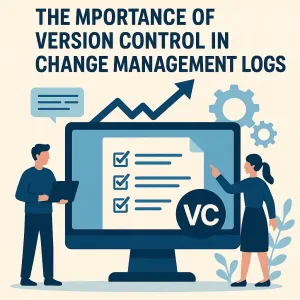
Change log management is a critical aspect of project management that involves systematically documenting all changes made throughout the lifecycle of a project. A change log serves as a chronological record that captures modifications, updates, and revisions, ensuring that all stakeholders are informed and aligned with the project’s progress. This documentation is essential for tracking the evolution of a project, providing transparency, and facilitating communication among team members and stakeholders.
Definition of Change Log Management
Change log management refers to the process of recording and maintaining a detailed log of changes that occur during a project. This includes not only the features and updates introduced but also bug fixes and any other modifications that impact the project’s scope, timeline, or deliverables. A well-structured change log typically includes key elements such as the date and time of the change, a description of the change, and the individuals responsible for implementing it [7][12].
Importance of Maintaining a Change Log in Project Management
Maintaining a change log is vital for several reasons:
- Transparency: A change log fosters transparency by providing a clear record of what changes have been made and why. This is crucial for building trust among team members and stakeholders [5].
- Accountability: By documenting who made each change, a change log holds team members accountable for their contributions and decisions, which can enhance overall project performance [10].
- Tracking Progress: Change logs help project managers track the evolution of a project over time, making it easier to assess the impact of changes on the project’s budget and schedule [11].
- Facilitating Communication: A well-maintained change log serves as a communication tool that keeps all stakeholders informed about the project’s status and any adjustments that have been made [15].
Overview of the Challenges Faced in Traditional Change Log Management
Despite its importance, traditional change log management can present several challenges:
- Manual Documentation: Many teams still rely on manual processes to document changes, which can lead to inconsistencies, errors, and omissions in the log [12].
- Lack of Standardization: Without a standardized approach to change log management, different team members may document changes in varying formats, making it difficult to compile and analyze the information effectively [10].
- Difficulty in Accessing Information: In traditional systems, retrieving specific change records can be cumbersome, especially if the log is not organized chronologically or thematically [13].
- Limited Collaboration: Traditional change logs may not facilitate real-time collaboration, leading to delays in communication and decision-making among team members [5].
Effective change log management is essential for successful project management. By understanding its definition, importance, and the challenges associated with traditional methods, project managers can better appreciate the need for digital tools that streamline this process and enhance overall project efficiency.
Benefits of Digital Tools for Change Log Management
Maintaining an accurate and comprehensive change log is crucial for tracking modifications and ensuring project success. Digital tools designed for change log management offer several advantages that can significantly enhance the efficiency and effectiveness of project teams. Here are some key benefits:
- Increased Accuracy and Reduced Human Error: Digital tools minimize the risk of human error by automating data entry and updates. This ensures that all changes are recorded accurately, which is essential for maintaining the integrity of project documentation. By relying on technology, project managers can trust that the information in the change log reflects the most current status of the project, thereby reducing discrepancies and misunderstandings [1][14].
- Real-Time Updates and Accessibility: One of the standout features of digital change log management tools is their ability to provide real-time updates. Team members can access the change log from anywhere, ensuring that everyone is on the same page regarding project modifications. This immediacy not only enhances transparency but also allows for quicker decision-making, as stakeholders can see the latest changes as they happen [2][8].
- Enhanced Collaboration Among Team Members: Digital tools facilitate better communication and collaboration among project team members. With features such as task delegation, comments, and file sharing, team members can easily discuss changes and their implications. This collaborative environment fosters a sense of ownership and accountability, as everyone is involved in the change management process [2][10].
- Improved Tracking and Reporting Capabilities: Digital change log management tools often come equipped with advanced tracking and reporting features. Project managers can easily generate reports that summarize changes over time, analyze the impact of those changes, and assess how they align with project goals. This capability not only aids in project evaluation but also supports strategic planning for future initiatives [5][13].
Leveraging digital tools for change log management provides project managers with a robust framework to enhance accuracy, facilitate real-time collaboration, and improve overall project tracking. These advantages are essential for navigating the complexities of modern project management and ensuring successful outcomes.
Criteria for Selecting Change Log Management Tools
When it comes to managing change logs in project management, selecting the right digital tool is crucial for ensuring efficiency and effectiveness. Here are the essential features and criteria that project managers should consider when choosing a change log management tool:
- User-Friendliness and Ease of Integration: A tool should be intuitive and easy to navigate, allowing team members to adopt it quickly without extensive training. Additionally, seamless integration with existing systems and workflows is vital to minimize disruption and enhance productivity. Tools that offer straightforward onboarding processes and user support can significantly improve the user experience [1][2].
- Customization Options and Flexibility: Every project has unique requirements, and a one-size-fits-all approach may not be effective. Therefore, look for tools that offer customization options, allowing project managers to tailor the change log to fit specific project needs. Flexibility in adapting the tool to various project methodologies (like Agile or Waterfall) can also be beneficial [1][2].
- Compatibility with Other Project Management Tools: The ability to integrate with other project management software is essential for maintaining a cohesive workflow. A change log management tool should work well with tools used for task management, communication, and reporting. This compatibility ensures that all project data is synchronized and accessible, facilitating better decision-making [1][2].
- Pricing Structure and Scalability: Understanding the pricing model is crucial for budget management. Project managers should evaluate whether the tool offers a subscription-based model, one-time payment, or tiered pricing based on features. Additionally, consider the scalability of the tool; it should be able to grow with the project or organization, accommodating more users or additional features as needed without incurring prohibitive costs [1][2].
By focusing on these criteria, project managers can select a change log management tool that not only meets their current needs but also supports future growth and adaptability in their project management processes.
Top Digital Tools for Change Log Management
Maintaining an effective change log is crucial for tracking modifications, ensuring transparency, and facilitating communication among stakeholders. Here, we analyze some of the leading digital tools available for change log management, highlighting their features, pros and cons, and best use cases.
Tool A: Rapidr
- Overview of Key Features: Rapidr offers a user-friendly interface that allows project managers to easily document changes, track revisions, and communicate updates with team members. It integrates seamlessly with other project management tools, enhancing its functionality.
- Pros and Cons:
- Pros: Intuitive design, strong integration capabilities, and real-time collaboration features.
- Cons: Limited customization options and a learning curve for new users.
- Best Use Cases: Ideal for small to medium-sized teams looking for a straightforward solution to manage change logs without extensive training.
Tool B: GitHub
- Overview of Key Features: GitHub is widely recognized for its version control capabilities, making it an excellent choice for software development projects. It allows teams to track changes, manage pull requests, and maintain a detailed history of modifications.
- Pros and Cons:
- Pros: Robust version control, extensive community support, and integration with various development tools.
- Cons: Can be overwhelming for non-technical users and may require additional setup for optimal use.
- Best Use Cases: Best suited for software development teams that require detailed tracking of code changes and collaboration among developers.
Tool C: Notion
- Overview of Key Features: Notion combines note-taking, task management, and database functionalities, making it a versatile tool for change log management. Users can create customizable templates for documenting changes and updates.
- Pros and Cons:
- Pros: Highly customizable, visually appealing interface, and excellent for team collaboration.
- Cons: May require time to set up and organize effectively, and some users may find it less intuitive than dedicated project management tools.
- Best Use Cases: Suitable for teams that value flexibility and want to integrate change logs with other project documentation.
Tool D: LaunchNotes
- Overview of Key Features: LaunchNotes focuses on product updates and change management, providing a platform for teams to communicate changes to stakeholders effectively. It includes features for feedback collection and user engagement.
- Pros and Cons:
- Pros: Excellent for user engagement, easy to use, and provides analytics on user interactions with updates.
- Cons: Primarily designed for product teams, which may limit its applicability for other types of projects.
- Best Use Cases: Ideal for product management teams looking to keep users informed about changes and gather feedback efficiently.
These tools represent a range of options for project managers seeking effective solutions for change log management. By evaluating their features, pros and cons, and best use cases, project managers can select the tool that best fits their team’s needs and enhances their project management processes.
Conclusion and Recommendations
Effective change log management is crucial for maintaining clarity and organization throughout the project lifecycle. A well-maintained change log serves as a centralized record that documents all alterations, updates, and enhancements made to a project. This not only aids in tracking progress but also ensures that all stakeholders are informed of significant changes, thereby fostering transparency and accountability. By systematically recording changes, project managers can mitigate risks associated with miscommunication and ensure that the project remains aligned with its objectives [3][12].
When it comes to selecting the right digital tool for change log management, project managers should consider several factors:
- User-Friendliness: The tool should be intuitive and easy to navigate, allowing team members to quickly access and update the change log without extensive training [8].
- Integration Capabilities: It is essential to choose a tool that can seamlessly integrate with existing project management software and other digital tools used by the team. This ensures that all project data is synchronized and accessible in one place [4][6].
- Customization Options: Different projects have unique requirements. A tool that offers customization options can help project managers tailor the change log to fit their specific needs, making it more effective [10][14].
- Collaboration Features: Since project management often involves multiple stakeholders, a tool that facilitates collaboration and allows for real-time updates can enhance communication and streamline the change management process [11][15].
Project managers are encouraged to evaluate various change log management tools based on their specific project needs. By carefully assessing the features and capabilities of each tool, they can select a solution that not only enhances their change management processes but also contributes to the overall success of their projects. Taking the time to choose the right tool will ultimately lead to improved project outcomes and a more efficient workflow [5][13].
Find out more about Shaun Stoltz https://www.shaunstoltz.com/about/.
This post was written by an AI and reviewed/edited by a human.