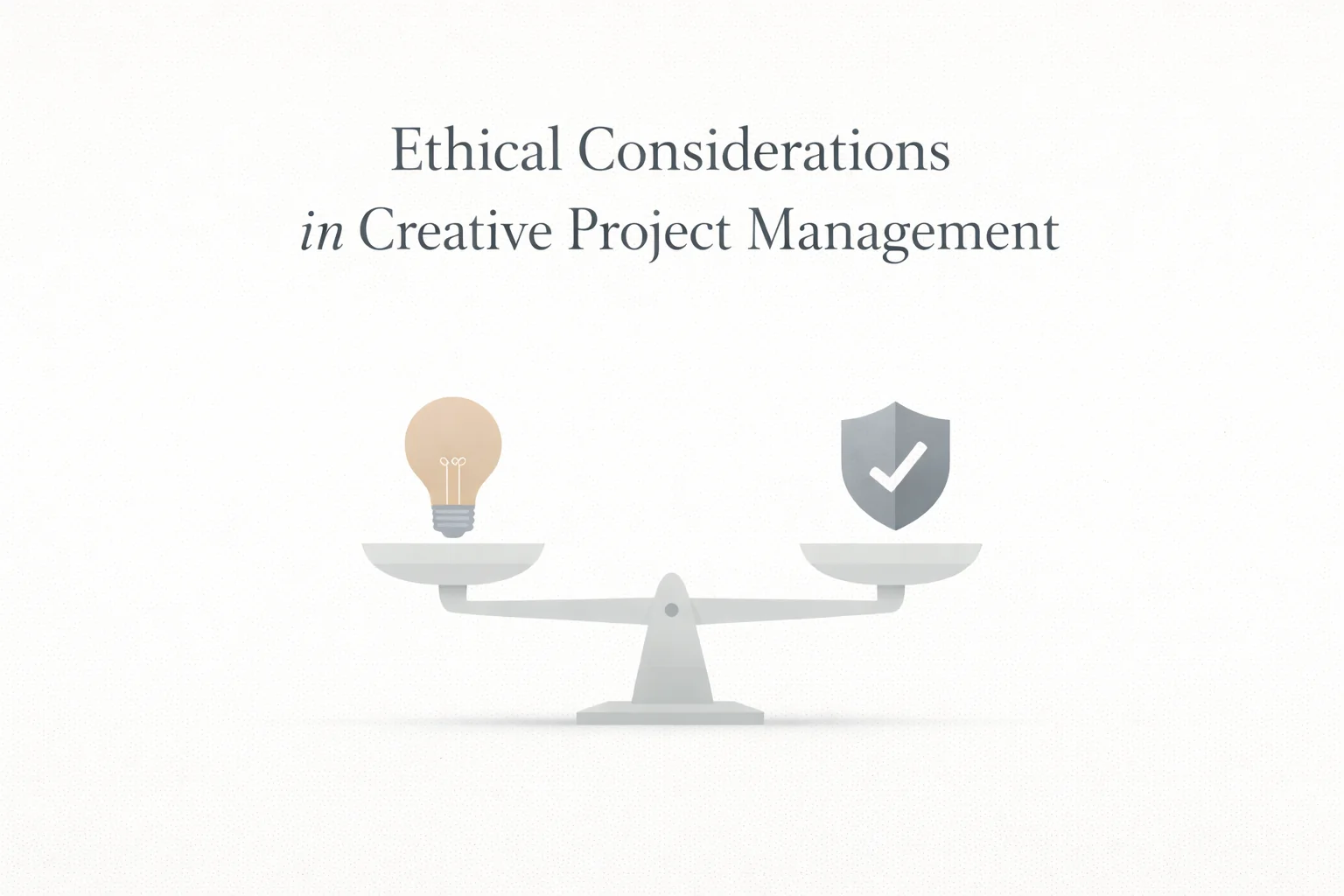
Introduction to Ethical Considerations in Creative Project Management
Creative project management encompasses the planning, execution, and oversight of projects within the creative industries, such as advertising, design, film, and digital media. This field is characterized by its dynamic nature, where innovation and artistic expression are paramount. Unlike traditional project management, creative project management often involves a higher degree of ambiguity and subjective interpretation, making it essential for project managers to navigate a complex landscape of ethical dilemmas.
Definition of Creative Project Management and Its Unique Characteristics
Creative project management refers to the application of project management principles specifically tailored to the creative sector. Key characteristics include:
- Flexibility and Adaptability: Creative projects often evolve as new ideas emerge, requiring project managers to be agile and responsive to change.
- Collaboration and Team Dynamics: These projects typically involve diverse teams of creative professionals, necessitating strong interpersonal skills and the ability to foster collaboration.
- Innovation and Risk-Taking: The creative process inherently involves experimentation, which can lead to both groundbreaking ideas and potential ethical pitfalls.
Overview of Ethical Considerations in Project Management
Ethical considerations in project management are critical to ensuring that projects are conducted with integrity and respect for all stakeholders. Some key ethical issues include:
- Stakeholder Engagement: Ensuring that all voices are heard and considered in the decision-making process is vital for maintaining trust and accountability.
- Conflict of Interest: Project managers must navigate potential conflicts that may arise from personal relationships or financial interests that could compromise project integrity.
- Health and Safety Concerns: In creative environments, particularly those involving physical production, the safety of team members must be prioritized.
Importance of Ethics for Project Managers in Creative Industries
For project managers in the creative industries, adhering to ethical standards is not just a matter of compliance; it is fundamental to the success and sustainability of their projects. The importance of ethics includes:
- Building Trust: Ethical practices foster trust among team members, clients, and stakeholders, which is essential for collaboration and long-term relationships.
- Enhancing Reputation: A strong ethical foundation enhances the reputation of both the project manager and the organization, attracting clients and talent who value integrity.
- Promoting Innovation: An ethical work environment encourages open communication and creativity, allowing teams to explore innovative solutions without fear of retribution or unethical practices.
Common Ethical Dilemmas in Creative Projects
Professionals often encounter unique ethical dilemmas that can significantly impact the success of their projects and the integrity of their teams. Here are some of the most prevalent ethical challenges faced by project managers in creative industries:
- Conflicts of Interest: One of the most pressing ethical issues arises when project managers must navigate conflicting expectations between clients and their own teams. For instance, a client may demand a specific direction that compromises the creative team’s vision or artistic integrity. This situation can lead to tension and dissatisfaction among team members, who may feel pressured to prioritize client demands over their creative input. Project managers must find a balance that respects both the client’s needs and the team’s creative aspirations, ensuring transparent communication and fostering a collaborative environment [5][6].
- Intellectual Property Issues and Plagiarism: The creative industries are particularly sensitive to intellectual property rights. Project managers must ensure that all creative outputs are original and do not infringe on existing works. This includes being vigilant against plagiarism, which can not only damage reputations but also lead to legal repercussions. Establishing clear guidelines for the use of external materials and encouraging a culture of originality within the team are essential steps in mitigating these risks [5][6].
- Balancing Artistic Integrity with Commercial Demands: Creative projects often exist at the intersection of artistic expression and commercial viability. Project managers face the ethical dilemma of maintaining artistic integrity while also meeting the financial objectives set by stakeholders. This balancing act can lead to difficult decisions, such as whether to compromise on creative elements to satisfy budget constraints or client expectations. Project managers must advocate for the creative vision while also being realistic about the project’s commercial aspects, ensuring that the final product aligns with both artistic values and market demands [1][2].
- Managing Diversity and Inclusivity within Creative Teams: The creative industries thrive on diverse perspectives and ideas. However, project managers must navigate the ethical implications of diversity and inclusivity within their teams. This includes ensuring equitable representation and creating an environment where all voices are heard and valued. Ethical leaders in project management should actively promote inclusivity, recognizing that diverse teams can lead to more innovative and effective creative solutions. Fostering a culture of respect and collaboration is crucial in addressing potential biases and ensuring that all team members feel empowered to contribute [5][6].
The Role of Stakeholders in Ethical Decision-Making
Ethical considerations are paramount, particularly when navigating the complex landscape of stakeholder relationships. Understanding the role of stakeholders is essential for project managers and ethical leaders who aim to foster an environment of integrity and accountability. Here are some key points to consider:
- Identifying Key Stakeholders in Creative Projects:
In creative industries, stakeholders can include a diverse array of individuals and groups, such as clients, team members, suppliers, and the community. Each stakeholder brings unique perspectives and interests that can significantly influence the project’s direction and success. Project managers must conduct thorough stakeholder analysis to identify who these key players are and understand their roles within the project lifecycle. This identification process is crucial for ensuring that all relevant voices are heard and considered in decision-making processes. - Understanding Stakeholder Values and Their Impact on Project Outcomes:
Stakeholders often have distinct values and priorities that shape their expectations and contributions to a project. For instance, a client may prioritize innovation and creativity, while team members might focus on collaboration and work-life balance. Recognizing these values is essential for project managers, as they can directly impact project outcomes. Ethical decision-making requires an understanding of how these differing values can lead to conflicts or synergies, and project managers must be adept at balancing these interests to achieve a successful project outcome. - Engaging Stakeholders in Ethical Discussions and Decision-Making Processes:
Engaging stakeholders in ethical discussions is vital for fostering transparency and trust. Project managers should create platforms for open dialogue where stakeholders can express their concerns and perspectives on ethical dilemmas. This engagement not only helps in identifying potential ethical issues early on but also empowers stakeholders by making them feel valued and heard. By involving stakeholders in the decision-making process, project managers can cultivate a collaborative environment that promotes ethical practices and enhances the overall integrity of the project.
Frameworks for Ethical Decision-Making
Navigating the ethical dilemmas unique to creative project management requires a robust understanding of various ethical decision-making frameworks and the establishment of clear guidelines. Here are some key points to consider:
1. Ethical Decision-Making Frameworks
- Utilitarianism: This framework focuses on the outcomes of decisions, advocating for actions that maximize overall happiness or benefit. In creative project management, this could mean prioritizing projects that deliver the greatest value to the largest number of stakeholders, including clients, team members, and the community. Project managers can assess potential actions by evaluating their consequences and choosing the one that leads to the best overall outcome [1].
- Deontology: In contrast to utilitarianism, deontological ethics emphasizes the importance of rules and duties. This framework suggests that certain actions are inherently right or wrong, regardless of their outcomes. For project managers in creative industries, this could involve adhering to established ethical standards, such as honesty in communication and fairness in resource allocation. By committing to these principles, project managers can foster a culture of integrity within their teams [2].
2. Establishing an Ethical Code of Conduct
Creating an ethical code of conduct tailored for creative teams is essential for guiding behavior and decision-making. This code should encompass:
- Core Values: Clearly define the values that the team stands for, such as creativity, collaboration, and respect for diversity. These values should reflect the unique nature of creative work and the importance of fostering an inclusive environment [3].
- Guidelines for Ethical Behavior: Outline specific behaviors that are expected from team members, including transparency in communication, respect for intellectual property, and accountability for actions. This helps to create a shared understanding of what constitutes ethical conduct within the team [4].
- Regular Training and Updates: To ensure that the ethical code remains relevant, project managers should provide regular training sessions and updates. This can help team members stay informed about ethical practices and encourage open discussions about ethical dilemmas they may face in their projects [5].
3. Implementing Guidelines for Ethical Practices
To effectively navigate ethical dilemmas, project managers should implement practical guidelines that can be integrated into daily operations:
- Stakeholder Engagement: Actively involve stakeholders in the decision-making process. This not only helps to identify potential ethical issues early on but also fosters a sense of ownership and accountability among all parties involved [6].
- Ethical Review Processes: Establish a process for reviewing decisions and actions from an ethical standpoint. This could involve setting up an ethics committee or regular check-ins to discuss ongoing projects and any ethical concerns that may arise [7].
- Feedback Mechanisms: Create channels for team members to voice their concerns or report unethical behavior without fear of retaliation. This encourages a culture of openness and trust, allowing for the identification and resolution of ethical issues before they escalate [8].
By employing these frameworks and strategies, project managers in the creative industries can effectively navigate the ethical dilemmas they encounter, fostering a responsible and innovative work environment.
Promoting an Ethical Culture in Creative Teams
Ethical considerations play a pivotal role in shaping team dynamics and project outcomes. As project managers and ethical leaders navigate the unique dilemmas that arise in creative environments, fostering an ethical culture becomes essential. Here are several methods to promote ethical behavior and decision-making within creative teams:
- Training and Awareness Programs: Implementing comprehensive training programs focused on ethical standards and practices is crucial. These programs should educate team members about the importance of ethics in their work, covering topics such as integrity, fairness, and respect. By providing moral education and training, organizations can cultivate a workforce that is not only aware of ethical expectations but also equipped to handle ethical dilemmas effectively [5][9].
- Encouraging Open Communication: Creating an environment where team members feel comfortable discussing ethical concerns is vital. Open communication channels allow individuals to voice their worries without fear of retribution, fostering a culture of transparency. This can be achieved through regular team meetings, anonymous feedback systems, or dedicated forums for discussing ethical issues. Such practices not only enhance trust among team members but also empower them to address potential ethical conflicts proactively [2][9].
- Recognizing and Rewarding Ethical Behavior: Acknowledging and rewarding ethical behavior within the team can significantly reinforce the importance of ethics in project management. This can be done through formal recognition programs, performance evaluations that include ethical considerations, or even informal acknowledgments during team gatherings. By celebrating ethical conduct, project managers can motivate team members to prioritize ethical decision-making and contribute to a positive organizational culture [3][4].
By implementing these strategies, project managers can effectively navigate the ethical dilemmas unique to creative project management, ensuring that their teams operate with integrity and accountability. This commitment to ethical behavior not only enhances team morale but also contributes to the overall success of creative projects, fostering an environment where creativity can thrive alongside ethical standards [6][8].
Conclusion: The Path Forward for Ethical Creative Project Management
Ethical considerations are paramount. As we have explored throughout this blog post, the unique challenges faced by project managers in creative industries necessitate a strong ethical framework. Here are the key points that underscore the importance of ethics in this field:
- Recap of Key Points: Creative project managers often navigate complex decision-making processes that involve diverse stakeholders, artistic integrity, and innovative practices. The ethical dilemmas they encounter can significantly impact project outcomes, team dynamics, and the overall reputation of the organization. By prioritizing ethical considerations, project managers can foster an environment that encourages creativity while maintaining accountability and transparency.
- The Critical Role of Project Managers as Ethical Leaders: Project managers serve as ethical leaders within creative industries, guiding their teams through the intricacies of project execution. Their commitment to integrity, fairness, and respect not only influences the immediate project environment but also sets a standard for the broader industry. By embodying these values, project managers can inspire their teams to uphold ethical practices, ultimately leading to more sustainable and successful creative endeavors.
In conclusion, the path forward for ethical creative project management lies in the hands of project managers who are willing to lead by example. By embracing their role as ethical leaders and committing to the ongoing enhancement of their practices, they can navigate the complexities of the creative landscape while fostering an environment that values integrity and innovation.
Find out more about Shaun Stoltz https://www.shaunstoltz.com/about/.
This post was written by an AI and reviewed/edited by a human.