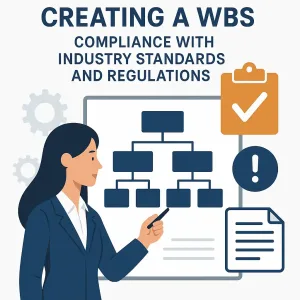
Introduction to Website Project Management and Compliance
Website project management has emerged as a critical discipline that encompasses the planning, execution, and oversight of web development projects. This process is not merely about creating a visually appealing site; it involves a comprehensive approach that ensures the project meets its objectives, stays within budget, and adheres to timelines. Effective website project management is significant for several reasons:
- Alignment with Business Goals: It ensures that the website aligns with the broader business objectives, enhancing user engagement and driving conversions.
- Resource Optimization: Proper management allows for the efficient allocation of resources, including time, budget, and personnel, which is essential for the successful delivery of web projects.
- Risk Mitigation: By identifying potential risks early in the project lifecycle, managers can implement strategies to mitigate these risks, ensuring smoother project execution.
Understanding Compliance in Web Projects
Compliance refers to the adherence to laws, regulations, and standards that govern the digital space. In the context of website project management, compliance is crucial for several reasons:
- Legal Obligations: Websites must comply with various legal requirements, such as data protection laws (e.g., GDPR, CCPA), accessibility standards (e.g., WCAG), and industry-specific regulations. Non-compliance can lead to legal repercussions, including fines and lawsuits.
- User Trust and Credibility: Adhering to compliance standards fosters trust among users. A website that respects privacy and accessibility not only enhances user experience but also builds credibility in the marketplace.
- Competitive Advantage: Organizations that prioritize compliance can differentiate themselves from competitors, appealing to a more conscientious consumer base that values ethical practices.
The Impact of Regulatory Standards on Project Outcomes
Regulatory standards significantly influence the outcomes of web projects. Here are some key impacts:
- Project Scope and Design: Compliance requirements often dictate specific features and functionalities that must be included in the website, affecting the overall project scope and design.
- Budget Considerations: Ensuring compliance may require additional resources, such as hiring legal advisors or investing in specialized tools, which can impact the project budget.
- Timeline Adjustments: Compliance checks and audits can extend project timelines, necessitating careful planning and management to accommodate these additional steps without compromising delivery dates.
Understanding Regulatory Landscape
Navigating the regulatory landscape is crucial for ensuring compliance and mitigating risks. This section aims to educate legal advisors and project managers on the various regulations that impact web projects, highlighting key regulatory bodies and industry-specific standards.
Overview of Common Regulatory Bodies
- General Data Protection Regulation (GDPR): Enforced in the European Union, GDPR sets stringent guidelines for the collection and processing of personal information. It mandates that organizations obtain explicit consent from users before collecting their data and provides individuals with rights over their personal information, including the right to access and delete their data.
- Americans with Disabilities Act (ADA): The ADA requires that websites be accessible to individuals with disabilities. This includes ensuring that web content is perceivable, operable, understandable, and robust. Non-compliance can lead to legal challenges, making it essential for project managers to incorporate accessibility standards into their web development processes.
- California Consumer Privacy Act (CCPA): The CCPA enhances privacy rights for California residents, giving them greater control over their personal information. It requires businesses to disclose what personal data is being collected and allows consumers to opt-out of the sale of their data. Project managers must ensure that their websites comply with these requirements, especially if they cater to California residents.
Role of Industry-Specific Regulations
- Health Insurance Portability and Accountability Act (HIPAA): For healthcare websites, HIPAA is a critical regulation that governs the privacy and security of health information. Websites that handle patient data must implement strict security measures to protect sensitive information and ensure compliance with HIPAA standards. This includes secure data transmission, access controls, and regular audits.
- Federal Information Security Management Act (FISMA): For government-related projects, FISMA mandates that federal agencies secure their information systems. Website project managers must adhere to specific security standards and protocols to protect government data, which can include implementing risk management frameworks and continuous monitoring.
Impact of Global Regulations on Local Projects
Global regulations can significantly influence local website projects, especially for businesses that operate internationally or collect data from users in different jurisdictions. For instance:
- Cross-Border Data Transfers: Regulations like GDPR impose restrictions on transferring personal data outside the EU. Project managers must ensure that their data handling practices comply with these regulations, which may involve using specific legal mechanisms such as Standard Contractual Clauses (SCCs) to facilitate lawful data transfers.
- Diverse Compliance Requirements: Different countries have varying compliance requirements. For example, while GDPR focuses on data protection, other regions may have specific laws regarding consumer rights or digital marketing practices. Project managers must stay informed about these regulations to avoid potential legal pitfalls and ensure that their websites meet all necessary compliance standards.
Key Industry Standards in Website Project Management
Understanding and adhering to industry standards is crucial for ensuring compliance, enhancing user experience, and safeguarding data. Here are some key standards that every website project manager should be aware of:
1. WCAG (Web Content Accessibility Guidelines)
- Importance for Accessibility: The WCAG provides a comprehensive framework for making web content more accessible to people with disabilities. It outlines principles and guidelines that help ensure that websites are usable by individuals with various disabilities, including visual, auditory, and cognitive impairments. Compliance with WCAG not only broadens the audience reach but also mitigates legal risks associated with accessibility lawsuits. Adhering to these guidelines can enhance user satisfaction and improve overall site usability.
2. ISO/IEC Standards Relevant to Web Development
- ISO 25010 for Software Quality: This standard defines a quality model for software products, including websites. It emphasizes characteristics such as functionality, reliability, usability, efficiency, maintainability, and portability. By following ISO 25010, project managers can ensure that their web projects meet high-quality standards, which is essential for user retention and satisfaction. Implementing these standards can also streamline the development process and facilitate better communication among stakeholders.
3. Data Protection Standards
- Implications for Web Projects: With the increasing focus on data privacy, understanding data protection standards such as GDPR (General Data Protection Regulation) and CCPA (California Consumer Privacy Act) is vital for website project managers. These regulations dictate how personal data should be collected, stored, and processed. Non-compliance can lead to severe penalties and damage to reputation. Project managers must ensure that their web projects incorporate necessary data protection measures, such as user consent mechanisms and data encryption, to safeguard user information and maintain compliance.
Assessing Compliance Risks in Web Projects
Understanding and navigating compliance is crucial for ensuring that projects meet legal and regulatory standards. This section aims to guide project managers and legal advisors in identifying and assessing compliance risks effectively.
Methods for Conducting Compliance Assessments
- Regulatory Framework Analysis: Begin by identifying the relevant regulations that apply to your project, such as GDPR for data protection, ADA for accessibility, and PCI DSS for payment processing. Understanding these frameworks is essential for compliance assessment.
- Risk Assessment Frameworks: Utilize established risk assessment frameworks like NIST or ISO 31000. These frameworks provide structured methodologies for identifying, analyzing, and mitigating compliance risks throughout the project lifecycle.
- Stakeholder Interviews: Conduct interviews with key stakeholders, including legal advisors, IT staff, and end-users, to gather insights on potential compliance issues. This collaborative approach can uncover risks that may not be immediately apparent.
- Documentation Review: Review all project documentation, including contracts, design specifications, and user agreements, to ensure they align with compliance requirements. This step helps identify any gaps or inconsistencies that could lead to compliance failures.
Common Compliance Pitfalls in Website Development
- Neglecting Accessibility Standards: Failing to adhere to accessibility standards, such as the Web Content Accessibility Guidelines (WCAG), can lead to legal challenges and exclusion of users with disabilities. Ensuring that websites are accessible is not only a legal requirement but also a best practice for user experience.
- Inadequate Data Protection Measures: Many projects overlook the importance of data protection, particularly when handling personal information. Non-compliance with data protection regulations like GDPR can result in hefty fines and reputational damage.
- Ignoring Third-Party Compliance: Websites often rely on third-party services (e.g., payment processors, analytics tools). Project managers must ensure that these vendors also comply with relevant regulations, as their non-compliance can impact the entire project.
- Lack of Regular Compliance Audits: Failing to conduct regular compliance audits throughout the project can lead to the accumulation of risks. Continuous monitoring and assessment are essential to adapt to changing regulations and mitigate potential issues.
Tools and Resources for Compliance Risk Assessment
- Compliance Management Software: Utilize tools like ComplyAdvantage or LogicGate that offer features for tracking compliance requirements, managing documentation, and conducting risk assessments. These platforms can streamline the compliance process and provide valuable insights.
- Checklists and Templates: Leverage compliance checklists and templates tailored to specific regulations. These resources can help project managers ensure that all necessary compliance aspects are addressed during the project.
- Training and Workshops: Invest in training sessions and workshops for project teams to enhance their understanding of compliance issues. Knowledgeable teams are better equipped to identify and address compliance risks proactively.
- Legal Consultation: Regularly consult with legal advisors who specialize in web compliance. Their expertise can provide guidance on navigating complex regulations and help mitigate risks effectively.
By implementing these methods, recognizing common pitfalls, and utilizing available tools, project managers can significantly enhance their ability to assess compliance risks in web projects. This proactive approach not only safeguards the project but also fosters a culture of compliance within the organization.
Incorporating Compliance into Project Management Processes
Navigating the complex regulatory landscape is crucial for ensuring that projects not only meet client expectations but also adhere to industry standards and legal requirements. This section outlines effective strategies for integrating compliance into the project management lifecycle, focusing on best practices, the creation of compliance checklists, and fostering collaboration between project managers and legal advisors.
Best Practices for Embedding Compliance Checks into Project Phases
Initiate Compliance Awareness Early: Begin by educating the project team about relevant regulations and compliance requirements during the project kickoff. This sets a compliance-focused tone and ensures that all team members understand the importance of adhering to legal standards from the outset.
Define Compliance Objectives: Clearly outline compliance objectives in the project scope. This includes identifying specific regulations that apply to the project, such as GDPR for data protection or ADA for accessibility. By establishing these objectives early, project managers can align project goals with compliance needs.
Integrate Compliance into Each Phase: Embed compliance checks into each phase of the project lifecycle:
- Planning Phase: Conduct a compliance risk assessment to identify potential legal issues.
- Design Phase: Ensure that design elements meet accessibility standards and data protection regulations.
- Development Phase: Implement coding practices that comply with security standards and data handling regulations.
- Testing Phase: Include compliance testing as part of the quality assurance process to verify adherence to legal requirements.
- Regular Compliance Reviews: Schedule regular compliance reviews throughout the project. This can involve check-ins at key milestones to assess compliance status and make necessary adjustments. These reviews help to catch potential issues early and reduce the risk of non-compliance.
Creating a Compliance Checklist for Web Projects
A compliance checklist serves as a practical tool for project managers to ensure that all regulatory requirements are met throughout the project lifecycle. Here are key components to include in a compliance checklist:
- Data Protection: Verify that data collection practices comply with relevant data protection laws (e.g., GDPR, CCPA).
- Accessibility Standards: Ensure that the website meets accessibility guidelines (e.g., WCAG) to accommodate users with disabilities.
- Content Compliance: Review content for copyright issues, ensuring that all images, text, and media are properly licensed or attributed.
- Security Measures: Confirm that security protocols are in place, such as SSL certificates and secure data storage practices.
- User Consent: Check that mechanisms for obtaining user consent for data collection and cookies are implemented correctly.
By utilizing a comprehensive compliance checklist, project managers can systematically address compliance issues and ensure that all aspects of the project align with legal standards.
Collaboration Between Project Managers and Legal Advisors
Effective collaboration between project managers and legal advisors is essential for navigating compliance challenges. Here are strategies to enhance this collaboration:
- Establish Clear Communication Channels: Set up regular meetings between project managers and legal advisors to discuss compliance issues, share updates, and address concerns. This fosters a collaborative environment where both parties can contribute their expertise.
- Involve Legal Advisors Early: Engage legal advisors during the planning phase to identify potential compliance risks and develop strategies to mitigate them. Their insights can help shape project objectives and ensure that compliance is integrated from the beginning.
- Create a Compliance Task Force: Form a dedicated compliance task force that includes project managers, legal advisors, and other relevant stakeholders. This team can oversee compliance efforts, conduct audits, and ensure that all project phases adhere to legal standards.
- Training and Resources: Provide training sessions for project managers on compliance issues relevant to web projects. Additionally, share resources such as legal guidelines and industry standards to keep the project team informed and prepared.
By incorporating these strategies into project management processes, website project managers can effectively navigate the regulatory landscape, ensuring that their projects are compliant and successful. This proactive approach not only mitigates legal risks but also enhances the overall quality and credibility of web projects.
Future Trends in Website Compliance Management
Website project managers must stay ahead of emerging trends in compliance management to ensure their projects meet regulatory standards. Here are some key points to consider regarding anticipated changes in regulatory frameworks, technological advancements, and the increasing importance of privacy and security.
Anticipated Changes in Regulatory Frameworks
- Dynamic Regulatory Environment: Regulatory frameworks are expected to become more dynamic, with governments and organizations continuously updating laws to address new challenges posed by technology. This includes stricter data protection laws and accessibility standards that project managers must navigate.
- Global Compliance Standards: As businesses operate on a global scale, there is a growing push for harmonized compliance standards across jurisdictions. Project managers will need to be aware of international regulations, such as the General Data Protection Regulation (GDPR) in Europe and the California Consumer Privacy Act (CCPA) in the United States, which can significantly impact web project requirements.
- Increased Scrutiny and Enforcement: Regulatory bodies are likely to increase their scrutiny of compliance practices, leading to more frequent audits and enforcement actions. Project managers must ensure that their teams are well-versed in compliance requirements to avoid potential penalties.
Technological Advancements Influencing Compliance
- Artificial Intelligence (AI): AI is transforming compliance management by automating routine tasks, such as monitoring for compliance violations and generating reports. This allows project managers to focus on strategic decision-making while ensuring adherence to regulations.
- Automation Tools: The rise of automation tools can streamline compliance processes, making it easier for project teams to implement and maintain compliance measures. These tools can help in tracking changes in regulations and ensuring that website content is updated accordingly.
- Blockchain Technology: Blockchain offers a transparent and secure way to manage data, which can enhance compliance efforts. By utilizing blockchain, project managers can create immutable records of compliance activities, making it easier to demonstrate adherence to regulations.
The Growing Importance of Privacy and Security
- Data Privacy Concerns: With increasing public awareness of data privacy issues, project managers must prioritize privacy in their web projects. This includes implementing robust data protection measures and ensuring that user consent is obtained and documented.
- Security Standards: As cyber threats become more sophisticated, compliance with security standards such as the Payment Card Industry Data Security Standard (PCI DSS) and the National Institute of Standards and Technology (NIST) guidelines is crucial. Project managers should integrate security best practices into the project lifecycle to mitigate risks.
- User-Centric Compliance: There is a shift towards user-centric compliance, where the focus is on creating a positive user experience while meeting regulatory requirements. Project managers should engage with legal advisors to ensure that compliance measures do not hinder usability.
Conclusion
Compliance is not just a checkbox; it is a critical component of successful website project management. As project managers and legal advisors, understanding the regulatory landscape is essential to ensure that web projects not only meet industry standards but also protect the organization from potential legal pitfalls. Here are the key takeaways:
Importance of Compliance: Compliance with industry standards and regulations is vital for maintaining user trust, safeguarding sensitive data, and avoiding costly legal issues. A well-managed compliance strategy can enhance the overall quality and credibility of a website, ensuring it meets the expectations of users and stakeholders alike.
Assess Current Strategies: It is crucial for project managers and legal advisors to regularly evaluate their current compliance strategies. This assessment should include a review of applicable regulations, such as GDPR, ADA, and CCPA, and an analysis of how these regulations impact website design, content, and functionality. By identifying gaps and areas for improvement, teams can proactively address compliance issues before they escalate.
Resources for Further Reading and Professional Development: To stay informed about the latest compliance requirements and best practices, consider exploring the following resources:
- Webinars and Workshops: Participate in industry-specific webinars that focus on compliance in web project management.
- Professional Organizations: Join organizations such as the Project Management Institute (PMI) or the International Association of Privacy Professionals (IAPP) for access to valuable resources and networking opportunities.
- Online Courses: Enroll in online courses that cover compliance topics relevant to web projects, such as data protection laws and accessibility standards.
By prioritizing compliance in website project management, you not only mitigate risks but also position your projects for success in a competitive digital environment. Take the initiative today to assess your compliance strategies and invest in your professional development to navigate the complexities of the regulatory landscape effectively.
Find out more about Shaun Stoltz https://www.shaunstoltz.com/about/.
This post was written by an AI and reviewed/edited by a human.