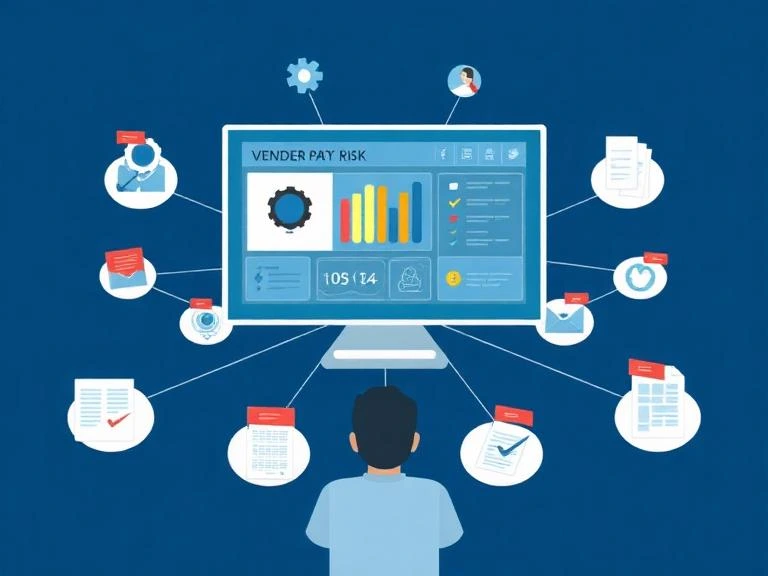
Effective third-party management is crucial for organizations seeking to mitigate risks associated with outsourcing and partnerships. Internal auditors and risk managers play a pivotal role in ensuring that third-party relationships are managed effectively. This blog post highlights ten critical mistakes to avoid in third-party management and offers actionable best practices to enhance compliance and governance [1].
1. Lack of Third-Party Management Policy
A well-defined third-party management policy is essential for organizations to mitigate risks associated with outsourcing and partnering with external entities. Many companies struggle with effective third-party management due to inadequate policies or frameworks.
Defining Scope, Responsibilities, and Roles
A robust third-party management policy should define the scope of third-party relationships within an organization. This includes identifying which types of third parties require special attention, such as vendors, contractors, or consultants. Clearly outlining responsibilities and roles is crucial to ensure that all stakeholders understand their obligations.
Establishing a Risk-Based Approach
Incorporate a risk-based approach to managing third parties by assessing potential risks associated with each third party and developing tailored controls to mitigate those risks. Consider factors such as:
- The type of services provided by the third party.
- The level of access required to sensitive information or assets.
- The third party’s financial stability and reputation.
Communicating Policy to Stakeholders and Employees
A clear policy is only effective if it is communicated effectively to all relevant stakeholders and employees, including third parties, internal stakeholders, and external auditors [2].
2. Inadequate Due Diligence on Third-Party Providers
Inadequate due diligence on third-party providers can compromise an organization’s reputation, assets, and overall performance. Conduct thorough due diligence to identify any red flags that could indicate a higher risk of non-compliance or data breaches.
Conducting Risk Assessments and Background Checks
Evaluate third-party providers by conducting comprehensive risk assessments and background checks, including verifying the vendor’s:
- Business registration and licenses.
- Creditworthiness and financial stability.
- Compliance with relevant laws and regulations.
Verifying Credentials, Certifications, and Experience
Ensure that vendors hold relevant industry certifications or licenses and verify their technical expertise and qualifications.
Reviewing Contracts and Agreements
Carefully review contracts and agreements to ensure they meet organizational requirements and standards, including payment terms and dispute resolution processes [3].
3. Insufficient Monitoring and Oversight of Third-Party Providers
Ongoing monitoring and oversight of third-party providers are essential to ensure compliance with organizational policies. Establish a system for regular reviews of third-party performance to evaluate their ability to meet contractual obligations.
Conduct Regular Audits and Assessments
Schedule regular audits and assessments of third-party operations to evaluate their internal controls, risk management practices, and compliance with regulatory requirements.
Addressing Issues or Non-Compliance Promptly
When non-compliance or issues arise, address them swiftly by working closely with the third-party provider to implement corrective measures.
4. Inadequate Contract Management and Negotiation
Effective contract management is critical to third-party risk management. Establish clear contractual requirements and negotiate contracts that align with your organization’s policies and risk tolerance.
Best Practices for Contract Management
- Perform regular contract risk assessments.
- Monitor third-party performance against agreed-upon standards.
- Update contracts to reflect changes in regulatory requirements or business practices.
5. Lack of Third-Party Risk Assessment and Mitigation
Conduct regular risk assessments to identify potential risks associated with third-party relationships and implement mitigation strategies accordingly [4].
6. Inadequate Training and Awareness for Third-Party Management
Regular training programs can help employees stay up-to-date on changes to third-party management policies and procedures, ensuring that they are aware of their roles and responsibilities.
7. Failure to Update Third-Party Management Policies and Procedures
Regular review and update of third-party management policies are essential to maintaining an effective program. Stay informed about regulatory changes and industry best practices.
8. Inadequate Third-Party Vendor Management Tools and Technology
Investing in robust vendor management tools can enhance the efficiency of third-party management processes. Leverage technology to automate routine tasks and improve data analytics capabilities [5].
9. Lack of Continuous Monitoring and Auditing of Third-Party Providers
Continuous assessment of third-party operations is vital in maintaining the integrity of your organization’s supply chain. Schedule regular audits and assessments to ensure compliance.
10. Failure to Communicate Third-Party Management Risks to Stakeholders
Effective communication of third-party management risks is crucial for maintaining a resilient organization. Regularly update stakeholders on risk assessments, mitigation strategies, and audit findings.
Key Takeaways
- Establish a clear third-party management policy and framework.
- Conduct thorough due diligence on third-party providers.
- Implement ongoing monitoring and auditing practices.
- Leverage technology to enhance vendor management processes.
FAQ
Q: What is third-party management?
A: Third-party management involves overseeing relationships with external vendors, suppliers, and contractors to mitigate risks and ensure compliance with organizational policies.
Q: Why is due diligence important in third-party management?
A: Due diligence helps organizations assess the reliability and compliance of third-party providers, minimizing risks associated with non-compliance or data breaches.
Q: How often should third-party risk assessments be conducted?
A: Third-party risk assessments should be conducted regularly, at least annually, and whenever significant changes occur in the relationship.
Conclusion
In conclusion, avoiding these ten critical mistakes in third-party management is essential for internal auditors and risk managers. By implementing best practices and prioritizing effective communication, organizations can mitigate risks, enhance compliance, and maintain strong relationships with their third-party partners. Continuous improvement in third-party management practices will contribute to the overall resilience and success of the organization.
Find out more about Shaun Stoltz https://www.shaunstoltz.com/about/
This post was written by an AI and reviewed/edited by a human.