Introduction to Cost Tracking in Project Management
Cost tracking is a critical component of project management that involves monitoring and managing the financial resources allocated to a project. It encompasses the processes of estimating, budgeting, and controlling costs to ensure that a project is completed within its financial constraints. Effective cost tracking not only helps project managers maintain control over expenditures but also provides valuable insights into the financial health of a project, enabling informed decision-making and strategic planning.
Significance of Cost Tracking
The significance of cost tracking in project management cannot be overstated. It serves several essential functions:
- Budget Adherence: By continuously monitoring costs, project managers can ensure that the project remains within its budget, preventing overspending and financial overruns.
- Resource Allocation: Cost tracking allows for better allocation of resources, ensuring that funds are directed towards the most critical aspects of the project.
- Performance Measurement: It provides a basis for evaluating project performance against financial goals, helping to identify areas for improvement and optimize future projects.
- Stakeholder Communication: Transparent cost tracking fosters trust and accountability among stakeholders, as it provides clear visibility into how funds are being utilized.
Common Challenges in Traditional Cost Tracking Methods
Despite its importance, traditional cost tracking methods often face several challenges:
- Data Inaccuracy: Manual data entry and disparate systems can lead to errors and inconsistencies in financial reporting, making it difficult to obtain a true picture of project costs.
- Lack of Real-Time Insights: Many traditional systems do not provide real-time data, which can hinder timely decision-making and responsiveness to budgetary issues.
- Complexity of Integration: Integrating cost tracking with other project management tools can be cumbersome, leading to fragmented information and inefficiencies.
- Limited Transparency: Traditional methods may lack transparency, making it challenging for stakeholders to verify and trust the reported financial data.
Overview of Blockchain Technology
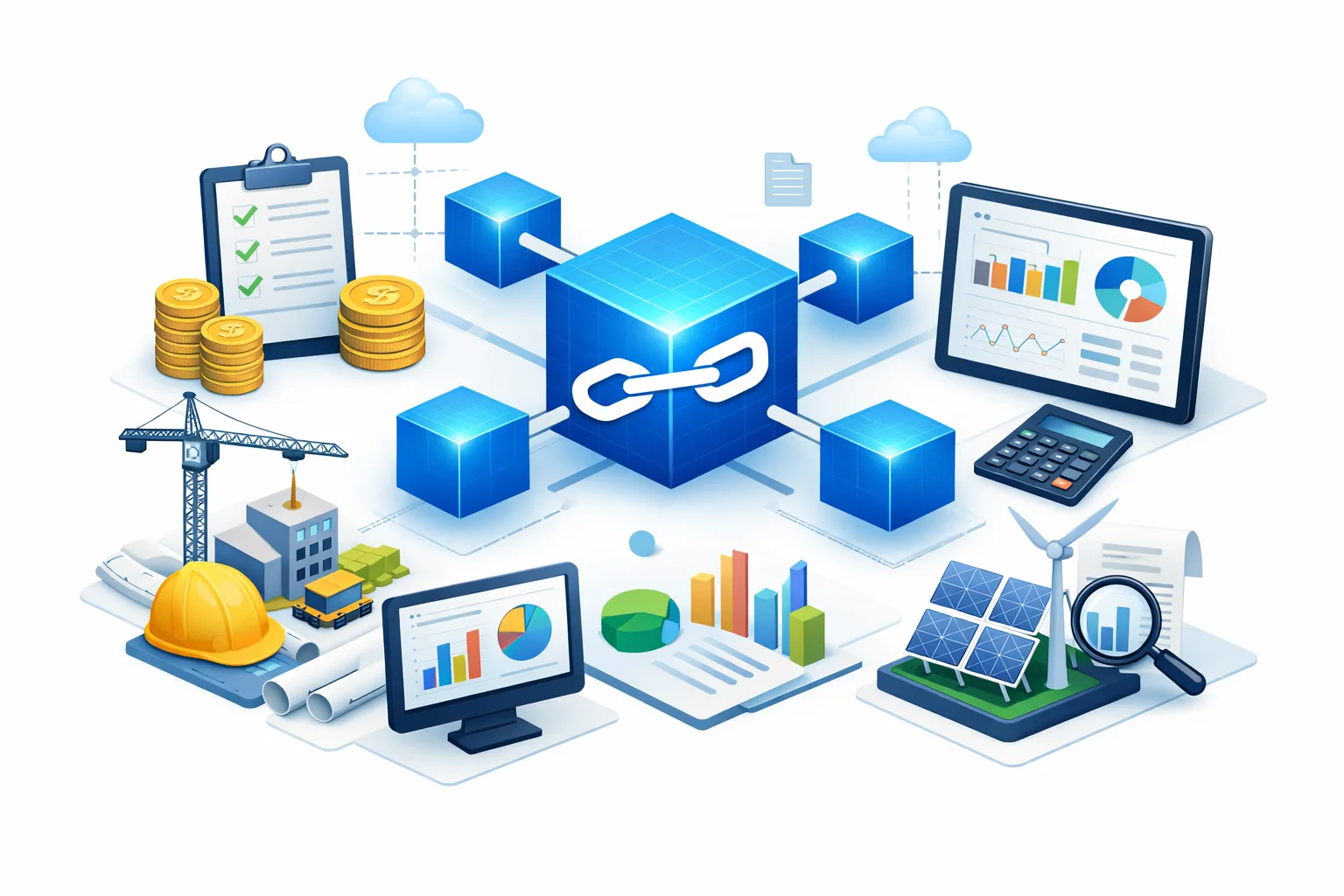
Blockchain technology, originally developed as the backbone of cryptocurrencies, has emerged as a transformative force across various industries, including project management. At its core, blockchain is a decentralized and distributed ledger that records transactions across multiple computers in a way that ensures the security, transparency, and immutability of data.
Key features of blockchain that make it particularly relevant for cost tracking include:
- Transparency: All transactions recorded on a blockchain are visible to authorized participants, providing a clear and verifiable audit trail of financial activities.
- Security: The cryptographic nature of blockchain ensures that data cannot be altered retroactively, reducing the risk of fraud and enhancing trust among stakeholders.
- Real-Time Data Access: Blockchain enables real-time updates and access to financial information, allowing project managers to make informed decisions quickly.
- Smart Contracts: These self-executing contracts can automate payment processes based on predefined conditions, streamlining financial transactions and reducing administrative overhead.
As project managers seek innovative solutions to enhance cost tracking practices, blockchain technology presents a compelling opportunity to address the challenges of traditional methods. By leveraging the transparency, security, and efficiency of blockchain, project managers can revolutionize their approach to cost management, ultimately leading to more successful project outcomes.
Understanding Blockchain Technology
Blockchain technology has emerged as a transformative force across various industries, including project management. For tech-savvy project managers and innovators, understanding the fundamentals of blockchain is essential to leverage its potential for enhancing cost tracking practices. Here are the key points that provide a foundational understanding of blockchain technology:
Explanation of Blockchain Fundamentals
- Decentralization: Unlike traditional databases that are typically controlled by a single entity, blockchain operates on a decentralized network of computers (nodes). This means that no single party has control over the entire database, which enhances security and reduces the risk of data manipulation. Each participant in the network has access to the same information, fostering trust among stakeholders.
- Transparency: Every transaction recorded on a blockchain is visible to all participants in the network. This transparency ensures that all parties can verify transactions independently, which is particularly beneficial in project management where multiple stakeholders are involved. It helps in building trust and accountability, as everyone can see the same data in real-time.
- Immutability: Once a transaction is recorded on the blockchain, it cannot be altered or deleted. This immutability is achieved through cryptographic hashing, which secures the data and makes it tamper-proof. For project managers, this means that cost tracking records are reliable and can be audited easily, reducing disputes and enhancing financial integrity.
How Blockchain Differs from Traditional Databases
- Data Structure: Traditional databases typically use a centralized structure where data is stored in tables and managed by a database management system. In contrast, blockchain organizes data in blocks that are linked together in a chronological chain. Each block contains a set of transactions and a cryptographic hash of the previous block, creating a secure and unchangeable record.
- Control and Access: In traditional databases, access and control are often limited to specific users or administrators, which can lead to data silos and potential misuse. Blockchain, however, allows for a distributed approach where all participants have equal access to the data, promoting collaboration and reducing the chances of fraud.
- Transaction Verification: Traditional databases rely on a central authority to verify transactions, which can introduce delays and bottlenecks. Blockchain employs consensus mechanisms (like Proof of Work or Proof of Stake) to validate transactions across the network, ensuring that all participants agree on the state of the data before it is added to the blockchain.
Real-World Examples of Blockchain Applications Outside Project Management
- Supply Chain Management: Companies like IBM and Walmart are using blockchain to enhance transparency and traceability in their supply chains. By recording every step of the supply chain on a blockchain, stakeholders can track the origin of products, verify their authenticity, and ensure compliance with regulations.
- Healthcare: Blockchain is being utilized to secure patient records and streamline the sharing of medical data among healthcare providers. This not only protects patient privacy but also improves the efficiency of care delivery by ensuring that all parties have access to accurate and up-to-date information.
- Finance: The financial sector has embraced blockchain for various applications, including cross-border payments and smart contracts. For instance, Ripple uses blockchain technology to facilitate real-time international money transfers, reducing costs and transaction times significantly.
By understanding these foundational aspects of blockchain technology, project managers can better appreciate its potential to revolutionize cost tracking practices, leading to more efficient and transparent project management processes.
Challenges in Traditional Cost Tracking Methods
Effective cost tracking is crucial for ensuring projects are completed within budget and on time. However, traditional cost tracking methods often fall short, presenting several challenges that can hinder project success. Here are some key limitations:
- Manual Data Entry and Human Error Risks: Traditional cost tracking often relies on manual data entry, which is prone to human error. Mistakes in data input can lead to inaccurate financial reporting, misallocation of resources, and ultimately, project overruns. The reliance on spreadsheets and manual processes increases the likelihood of errors, making it difficult to maintain accurate and up-to-date financial records.
- Lack of Real-Time Data Access and Transparency: Many conventional cost tracking systems do not provide real-time data access, which can delay decision-making and hinder responsiveness to budgetary issues. Project managers may find themselves working with outdated information, leading to poor financial oversight. This lack of transparency can also create distrust among stakeholders, as they may not have visibility into how funds are being allocated and spent.
- Issues with Data Integrity and Accountability: Ensuring data integrity is a significant challenge in traditional cost tracking methods. Data can be easily manipulated or lost, leading to discrepancies that can undermine the credibility of financial reports. Furthermore, accountability can be difficult to establish when multiple parties are involved in the cost tracking process. Without a clear audit trail, it becomes challenging to identify who is responsible for errors or discrepancies, which can lead to conflicts and a lack of trust among team members and stakeholders.
These challenges highlight the urgent need for innovation in cost tracking practices. As project managers seek more reliable and efficient methods, exploring technologies like blockchain can offer promising solutions to enhance transparency, accuracy, and accountability in project cost management.
How Blockchain Revolutionizes Cost Tracking
Effective cost tracking is crucial for ensuring that projects stay within budget and meet financial objectives. Blockchain technology offers innovative solutions that can significantly enhance cost tracking practices. Here are several key ways in which blockchain can transform this aspect of project management:
- Enhanced Transparency and Traceability of Expenses: Blockchain’s immutable ledger allows for every transaction to be recorded in a transparent manner. This means that all stakeholders can view and verify expenses in real-time, reducing the likelihood of discrepancies and fostering trust among team members and clients. Each entry is time-stamped and linked to previous transactions, creating a clear audit trail that can be easily followed, which is particularly beneficial in complex projects with multiple financial transactions.
- Real-Time Updates and Access to Financial Data for Stakeholders: With blockchain, financial data is updated in real-time, providing stakeholders with immediate access to the latest information regarding project costs. This immediacy allows project managers to make informed decisions quickly, respond to budget overruns, and adjust project plans as necessary. Stakeholders can monitor expenditures as they occur, leading to more proactive management of financial resources.
- Smart Contracts Automating Cost-Related Processes and Payments: Smart contracts are self-executing contracts with the terms of the agreement directly written into code. In the context of cost tracking, these contracts can automate various processes, such as releasing payments upon the completion of specific milestones or verifying that certain conditions are met before funds are disbursed. This automation not only streamlines operations but also minimizes the potential for human error and disputes over payments.
- Decentralized Oversight Reducing Fraud and Errors: The decentralized nature of blockchain means that no single entity has control over the entire ledger, which significantly reduces the risk of fraud. Each transaction is verified by multiple nodes in the network, making it exceedingly difficult for any one party to manipulate the data. This decentralized oversight enhances the integrity of financial records and helps to ensure that all expenses are legitimate and accurately reported.
The integration of blockchain technology into cost tracking practices can lead to a more efficient, transparent, and secure financial management process in projects. By leveraging these advancements, tech-savvy project managers and innovators can not only improve their cost tracking capabilities but also enhance overall project success.
Implementing Blockchain for Cost Tracking in Your Projects
As project managers increasingly seek innovative solutions to enhance transparency and efficiency, blockchain technology emerges as a powerful tool for revolutionizing cost tracking practices. By leveraging blockchain, project managers can ensure that financial transactions are secure, transparent, and easily auditable. Here’s a guide on how to adopt blockchain technology for effective cost tracking in your projects.
Steps to Evaluate the Feasibility of Blockchain for Your Project
- Identify Project Requirements: Begin by assessing the specific needs of your project. Consider factors such as the complexity of transactions, the number of stakeholders involved, and the level of transparency required. Understanding these elements will help determine if blockchain is a suitable solution.
- Conduct a Cost-Benefit Analysis: Evaluate the potential benefits of implementing blockchain against the costs involved. This includes initial setup costs, ongoing maintenance, and the potential return on investment through improved efficiency and reduced fraud.
- Pilot Testing: Before a full-scale implementation, conduct a pilot test with a small segment of your project. This will allow you to assess the technology’s effectiveness and identify any challenges that may arise during broader application.
- Stakeholder Engagement: Involve key stakeholders early in the evaluation process. Their insights and buy-in are crucial for successful implementation, as they can provide valuable feedback on the practicality of blockchain in your project context.
Key Considerations When Selecting Blockchain Platforms and Tools
- Scalability: Choose a blockchain platform that can scale with your project’s growth. Consider how the platform handles increased transaction volumes and whether it can accommodate future expansions.
- Interoperability: Ensure that the selected blockchain solution can integrate with existing systems and tools used in your project. This will facilitate smoother data exchange and enhance overall efficiency.
- Security Features: Evaluate the security protocols of the blockchain platform. Look for features such as encryption, access controls, and compliance with industry standards to protect sensitive financial data.
- User Experience: The platform should be user-friendly, allowing team members to easily navigate and utilize its features. A complex interface can hinder adoption and reduce the effectiveness of the technology.
- Community and Support: Opt for platforms with a strong community and support network. This can provide valuable resources, troubleshooting assistance, and updates that can enhance your project’s blockchain implementation.
Training and Resource Allocation for Team Members on Blockchain Technology
- Develop a Training Program: Create a comprehensive training program tailored to the needs of your team. This should cover the fundamentals of blockchain technology, its applications in cost tracking, and specific tools that will be used in your project.
- Utilize Online Resources: Leverage online courses, webinars, and workshops to provide team members with flexible learning options. Many platforms offer specialized training on blockchain applications in project management.
- Encourage Knowledge Sharing: Foster a culture of knowledge sharing within your team. Encourage team members who become proficient in blockchain to share their insights and experiences with others, enhancing overall team competency.
- Allocate Resources for Continuous Learning: Blockchain technology is rapidly evolving. Allocate resources for ongoing education and training to keep your team updated on the latest developments and best practices in blockchain cost tracking.
By following these guidelines, project managers can effectively implement blockchain technology for cost tracking, leading to enhanced transparency, accountability, and efficiency in their projects. Embracing this innovative approach not only positions project managers as forward-thinking leaders but also sets the stage for successful project outcomes in an increasingly digital landscape.
Future Trends in Cost Tracking with Blockchain
As project management continues to evolve, the integration of blockchain technology is poised to revolutionize cost tracking practices. This section explores emerging trends, the potential impact of artificial intelligence (AI) and machine learning, and predictions for the future of blockchain in project management.
Emerging Trends in Blockchain Technology Relevant to Project Management
- Decentralization and Transparency: Blockchain’s decentralized nature ensures that all transactions are recorded on a public ledger, enhancing transparency. This allows project managers to track costs in real-time, reducing the risk of fraud and mismanagement. As more organizations adopt blockchain, we can expect a shift towards more transparent financial practices in project management.
- Smart Contracts: The use of smart contracts—self-executing contracts with the terms of the agreement directly written into code—can automate cost tracking processes. These contracts can trigger payments automatically when certain conditions are met, streamlining financial transactions and reducing administrative overhead. This trend is likely to gain traction as project managers seek efficiency and accuracy in budget management.
- Interoperability: As blockchain technology matures, the ability for different blockchain systems to communicate with each other will become crucial. This interoperability will allow project managers to integrate cost tracking across various platforms and tools, creating a more cohesive project management ecosystem.
Potential Impacts of AI and Machine Learning on Blockchain and Cost Tracking
- Enhanced Data Analysis: The combination of AI and blockchain can lead to more sophisticated data analysis capabilities. Machine learning algorithms can analyze historical cost data stored on the blockchain to identify patterns and predict future expenses. This predictive capability can help project managers make informed decisions and optimize budgets.
- Automated Reporting: AI can automate the generation of financial reports based on real-time data from the blockchain. This will not only save time but also ensure that project managers have access to the most current financial information, enabling them to respond quickly to any budgetary issues.
- Risk Management: By leveraging AI’s analytical power, project managers can better assess risks associated with cost overruns. Machine learning models can identify potential financial pitfalls based on past project data, allowing for proactive measures to be taken.
Predictions on the Integration of Blockchain with Other Technologies in Project Management
- Integration with IoT: The Internet of Things (IoT) can complement blockchain in cost tracking by providing real-time data from connected devices. For instance, sensors on construction sites can track resource usage and costs, feeding this information directly into a blockchain ledger. This integration will enhance accuracy and accountability in cost tracking.
- Collaboration with Cloud Computing: As project management tools increasingly move to the cloud, the integration of blockchain with cloud computing platforms will facilitate seamless access to cost tracking data. This will enable project managers to collaborate more effectively, sharing financial information securely across teams and stakeholders.
- Adoption of Digital Twins: The concept of digital twins—virtual replicas of physical assets—can be enhanced by blockchain technology. By linking cost data to digital twins, project managers can gain insights into the financial implications of asset performance in real-time, leading to more informed decision-making.
The future of cost tracking in project management is set to be transformed by blockchain technology. As trends such as decentralization, smart contracts, and AI integration continue to develop, project managers will have access to more transparent, efficient, and predictive cost tracking practices. Embracing these innovations will be essential for tech-savvy project managers and innovators looking to stay ahead.
Conclusion
The integration of blockchain technology into cost tracking practices presents a transformative opportunity for project management. By leveraging blockchain, project managers can achieve:
- Enhanced Transparency: Blockchain’s decentralized ledger system ensures that all transactions are recorded in an immutable manner, providing stakeholders with real-time visibility into project expenditures. This transparency helps in building trust among team members and clients, as everyone can access the same information without discrepancies.
- Improved Accuracy: The use of smart contracts automates the tracking of costs and payments, reducing the likelihood of human error. This automation not only streamlines processes but also ensures that financial data is accurate and up-to-date, allowing for better decision-making.
- Increased Accountability: With blockchain, every transaction is traceable, which fosters a culture of accountability. Project managers can easily identify who is responsible for specific costs, making it easier to address any issues that arise and ensuring that all team members are held accountable for their financial decisions.
- Cost Efficiency: By reducing the need for intermediaries and manual reconciliation processes, blockchain can significantly lower administrative costs associated with project management. This efficiency allows project managers to allocate resources more effectively and focus on delivering value.
It is crucial for project managers to explore innovative solutions like blockchain. Embracing these advancements not only enhances operational efficiency but also positions teams at the forefront of industry best practices.
Find out more about Shaun Stoltz https://www.shaunstoltz.com/about/.
This post was written by an AI and reviewed/edited by a human.