Introduction to Digital Transformation and Its Importance
Digital transformation has emerged as a critical strategy for organizations seeking to enhance their operations, improve customer experiences, and maintain competitive advantage. Digital transformation refers to the integration of digital technology into all areas of a business, fundamentally changing how organizations operate and deliver value to their customers. This process not only involves adopting new technologies but also necessitates a cultural shift within the organization, encouraging innovation and agility.
Relevance of Digital Transformation to Modern Organizations
The relevance of digital transformation cannot be overstated. As businesses face increasing pressure to adapt to changing market conditions and consumer expectations, digital transformation offers a pathway to:
- Enhance Efficiency: By automating processes and utilizing data analytics, organizations can streamline operations, reduce costs, and improve productivity.
- Improve Customer Engagement: Digital tools enable businesses to interact with customers in real-time, providing personalized experiences that foster loyalty and satisfaction.
- Drive Innovation: Embracing digital technologies allows organizations to innovate their products and services, keeping pace with or outpacing competitors.
Accelerated Pace of Digital Transformation
The pace of digital transformation has accelerated significantly in recent years, driven by rapid technological advancements such as artificial intelligence, cloud computing, and the Internet of Things (IoT). The COVID-19 pandemic further catalyzed this shift, forcing organizations to adopt digital solutions to maintain operations and connect with customers remotely. As a result, businesses that were once hesitant to embrace digital change have found themselves compelled to do so, leading to a widespread transformation across industries.
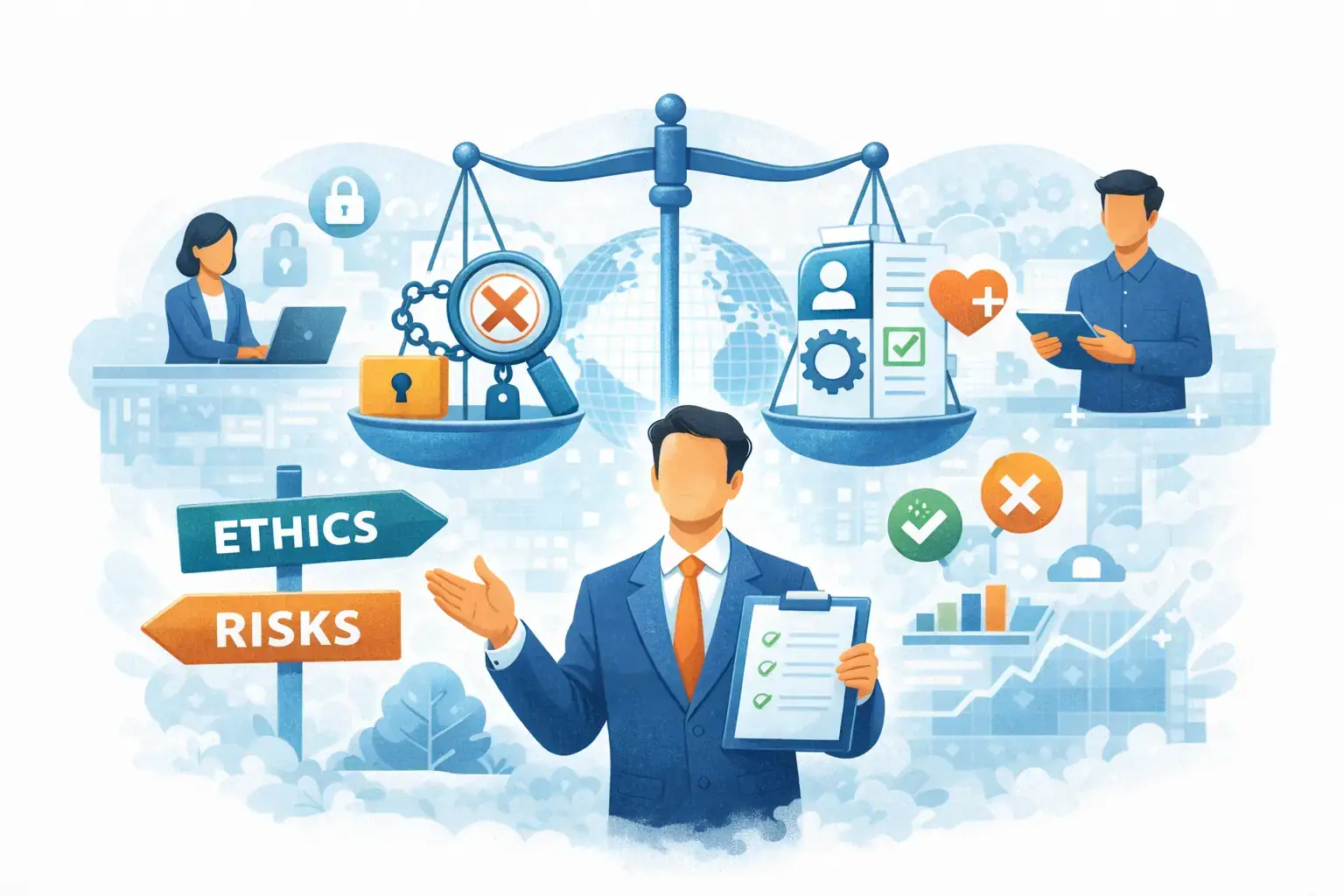
Ethical Considerations in Project Management
As project managers embark on digital transformation initiatives, it is essential to recognize the ethical implications that accompany these projects. The integration of advanced technologies raises several ethical questions, including:
- Data Privacy: With the increased collection and analysis of customer data, organizations must ensure they are handling this information responsibly and transparently.
- Equity and Access: Digital transformation can inadvertently widen the gap between those with access to technology and those without. Project managers must consider how to make digital solutions accessible to all stakeholders.
- Impact on Employment: Automation and digital tools can lead to job displacement. Ethical project management involves addressing these concerns and finding ways to support affected employees.
Understanding the significance of digital transformation and its ethical considerations is crucial for project managers and ethics officers. Organizations must balance the drive for innovation with a commitment to ethical practices, ensuring that their digital transformation efforts benefit all stakeholders involved.
Ethical Implications of Digital Transformations
Digital transformation projects are reshaping industries and redefining how organizations operate. However, with these advancements come significant ethical considerations that project managers and ethics officers must navigate. This section explores the key ethical challenges associated with digital transformation initiatives.
1. Data Privacy and Security Concerns
As organizations increasingly rely on digital tools and platforms, the collection and management of vast amounts of data become paramount. Project managers must address several ethical issues related to data privacy and security:
- Informed Consent: Ensuring that users are fully aware of what data is being collected and how it will be used is crucial. Organizations must implement transparent data policies that allow users to make informed choices about their personal information.
- Data Protection: With the rise of cyber threats, safeguarding sensitive data is an ethical obligation. Project managers should prioritize robust security measures to protect against data breaches and unauthorized access, which can lead to significant harm to individuals and organizations alike.
- Compliance with Regulations: Adhering to data protection laws, such as the General Data Protection Regulation (GDPR), is not only a legal requirement but also an ethical imperative. Project managers must ensure that their digital transformation strategies align with these regulations to protect user rights and maintain trust.
2. Implications of AI and Automation on Employment
The integration of artificial intelligence (AI) and automation in digital transformation projects raises ethical questions regarding employment and job displacement:
- Job Displacement: As organizations automate processes, there is a risk of significant job losses. Project managers must consider the ethical implications of replacing human labor with machines and the potential impact on employees and their families.
- Reskilling and Upskilling: To mitigate the negative effects of automation, organizations should invest in reskilling and upskilling programs for affected employees. This approach not only demonstrates ethical responsibility but also helps maintain a skilled workforce that can adapt to new technologies.
- Equity in Employment Opportunities: The deployment of AI can inadvertently perpetuate existing inequalities in the job market. Project managers should strive to ensure that digital transformation initiatives promote equitable access to employment opportunities, rather than exacerbating disparities.
3. Risks of Bias in Algorithms and Decision-Making Processes
The use of algorithms in decision-making processes presents ethical challenges that project managers must address:
- Algorithmic Bias: Algorithms can reflect and amplify biases present in the data they are trained on, leading to unfair outcomes. Project managers should be vigilant in identifying and mitigating biases in their algorithms to ensure fair treatment of all individuals.
- Transparency in Decision-Making: The opacity of many AI systems can make it difficult to understand how decisions are made. Project managers should advocate for transparency in algorithmic processes, allowing stakeholders to comprehend and challenge decisions that may adversely affect them.
- Accountability: Establishing accountability for decisions made by AI systems is essential. Project managers must ensure that there are clear lines of responsibility for the outcomes of automated decisions, fostering a culture of ethical accountability within their organizations.
Navigating the ethical implications of digital transformation projects is a complex but essential task for project managers and ethics officers. By addressing data privacy and security concerns, considering the impact of AI and automation on employment, and mitigating risks of bias in algorithms, organizations can foster a more ethical approach to digital transformation. This not only enhances trust among stakeholders but also contributes to a more equitable and responsible digital future.
Framework for Ethical Decision-Making in Digital Transformation Projects
Project managers face a myriad of ethical dilemmas that can significantly impact stakeholders, organizational culture, and project outcomes. To navigate these challenges effectively, it is essential to adopt a structured approach to ethical decision-making. This section outlines key frameworks, the importance of stakeholder analysis, and tools for ethical risk assessment.
1. Ethical Decision-Making Frameworks
Understanding and applying ethical decision-making frameworks can guide project managers in making informed choices that align with both organizational values and societal norms. Two prominent frameworks include:
- Utilitarianism: This framework focuses on the outcomes of decisions, advocating for actions that maximize overall happiness or benefit. In the context of digital transformation, project managers can use this approach to evaluate the potential benefits and harms of technology implementations, ensuring that the greatest good is achieved for the majority of stakeholders.
- Deontology: In contrast to utilitarianism, deontological ethics emphasizes the importance of rules and duties. Project managers should consider the moral obligations associated with their decisions, such as data privacy, consent, and transparency. This framework encourages adherence to ethical principles regardless of the outcomes, fostering trust and integrity in digital transformation initiatives.
2. Importance of Stakeholder Analysis
A comprehensive stakeholder analysis is crucial in identifying and understanding the diverse perspectives that influence ethical decision-making. Project managers should:
- Identify Stakeholders: Recognize all parties affected by the digital transformation, including employees, customers, suppliers, and the broader community. Each group may have unique concerns and expectations that must be addressed.
- Engage Diverse Perspectives: Actively involve stakeholders in discussions about ethical implications. This engagement can be facilitated through surveys, focus groups, or workshops, allowing project managers to gather insights and foster a culture of inclusivity.
- Assess Impact: Evaluate how decisions will affect different stakeholders, considering both short-term and long-term consequences. This analysis helps ensure that the project aligns with ethical standards and stakeholder values.
3. Tools and Methodologies for Ethical Risk Assessment
To systematically assess ethical risks in digital transformation projects, project managers can utilize various tools and methodologies:
- Ethical Risk Assessment Matrix: This tool helps project managers identify potential ethical risks by categorizing them based on their likelihood and impact. By plotting risks on a matrix, managers can prioritize which issues require immediate attention and develop strategies to mitigate them.
- Scenario Analysis: This methodology involves creating hypothetical scenarios to explore the ethical implications of different decisions. By examining potential outcomes, project managers can better understand the ramifications of their choices and prepare for unforeseen challenges.
- Stakeholder Feedback Mechanisms: Implementing feedback loops, such as anonymous reporting systems or regular check-ins, allows stakeholders to voice concerns about ethical issues as they arise. This proactive approach can help project managers address ethical dilemmas in real-time and adjust project strategies accordingly.
Digital transformation projects requires a structured approach that incorporates established ethical frameworks, thorough stakeholder analysis, and effective risk assessment tools. By prioritizing ethical considerations, project managers can foster trust, enhance stakeholder engagement, and ultimately drive successful digital transformation initiatives that align with both organizational goals and societal values.
Best Practices for Ethical Digital Transformation Project Management
Project managers face unique ethical challenges that require careful consideration and proactive strategies. Here are some best practices to integrate ethical considerations into project management practices effectively:
1. Encourage Transparency and Accountability
- Open Communication: Foster an environment where team members feel comfortable discussing ethical concerns. This can be achieved through regular meetings and open-door policies that encourage dialogue about potential ethical dilemmas.
- Clear Documentation: Maintain thorough documentation of project decisions, processes, and changes. This not only enhances accountability but also provides a reference point for ethical considerations throughout the project lifecycle.
- Stakeholder Engagement: Involve stakeholders in decision-making processes to ensure diverse perspectives are considered. This can help identify ethical implications that may not be immediately apparent to the project team.
2. Promote Ongoing Ethical Training and Awareness
- Regular Training Sessions: Implement training programs focused on ethical decision-making, data privacy, and compliance with relevant regulations. This ensures that project managers and team members are equipped with the knowledge to navigate ethical challenges.
- Ethics Resources: Provide access to resources such as guidelines, frameworks, and tools that can assist project managers in making ethical decisions. This could include checklists for evaluating the ethical implications of project initiatives.
3. Establish a Culture of Ethics
- Leadership Commitment: Ensure that organizational leaders demonstrate a commitment to ethical practices. This can be reflected in their decision-making processes and the values they promote within the organization.
- Recognition and Rewards: Create incentives for ethical behavior within project teams. Recognizing and rewarding team members who exemplify ethical practices can reinforce the importance of ethics in digital transformation efforts.
- Feedback Mechanisms: Implement systems for providing feedback on ethical practices within projects. This could include anonymous reporting channels for ethical concerns, allowing team members to voice issues without fear of retribution.
By integrating these best practices into digital transformation project management, project managers can navigate the complex ethical dilemma effectively. This not only enhances the integrity of the projects but also builds trust among stakeholders, ultimately contributing to the success of digital transformation initiatives.
Conclusion: Embracing Ethical Leadership in Digital Transformation
The role of ethics has never been more critical. As organizations leverage technology to enhance efficiency, improve customer experiences, and drive innovation, project managers must remain vigilant about the ethical implications of their decisions. Here are the key insights to consider:
- Significance of Ethics in Digital Transformation Projects: Ethical considerations are paramount in digital transformation initiatives. These projects often involve sensitive data, privacy concerns, and the potential for bias in algorithms. Project managers must ensure that their strategies align with ethical standards to protect stakeholders and maintain trust. By prioritizing ethics, organizations can avoid pitfalls that may arise from neglecting these crucial aspects, such as reputational damage and legal repercussions.
- Adopting Ethical Leadership Practices: Project managers are in a unique position to influence the ethical direction of their projects. By embodying ethical leadership, they can set a tone that prioritizes integrity, transparency, and accountability. This involves not only making decisions that are legally compliant but also considering the broader impact on society and the environment. Encouraging open discussions about ethical dilemmas and fostering an environment where team members feel empowered to voice concerns can significantly enhance ethical practices within digital transformation projects.
- Fostering an Ethical Culture: The responsibility of promoting an ethical culture extends beyond individual projects; it is a fundamental aspect of organizational success. Project managers should actively work to integrate ethical considerations into their project management frameworks. This can be achieved by developing training programs, establishing clear ethical guidelines, and creating channels for reporting unethical behavior. By doing so, project managers can cultivate a workplace where ethical considerations are embedded in the organizational culture, ultimately leading to more sustainable and responsible digital transformation efforts.
As digital transformation continues to reshape industries, the importance of ethical leadership cannot be overstated. Project managers and ethics officers must collaborate to ensure that ethical considerations are at the forefront of their initiatives. By embracing ethical leadership and fostering an ethical culture, organizations can navigate the complexities of digital transformation while upholding their commitment to integrity and social responsibility.
Find out more about Shaun Stoltz https://www.shaunstoltz.com/about/.
This post was written by an AI and reviewed/edited by a human.