Introduction to Portfolio View
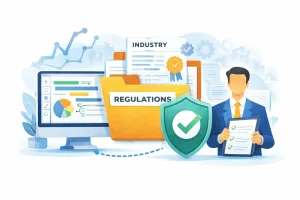
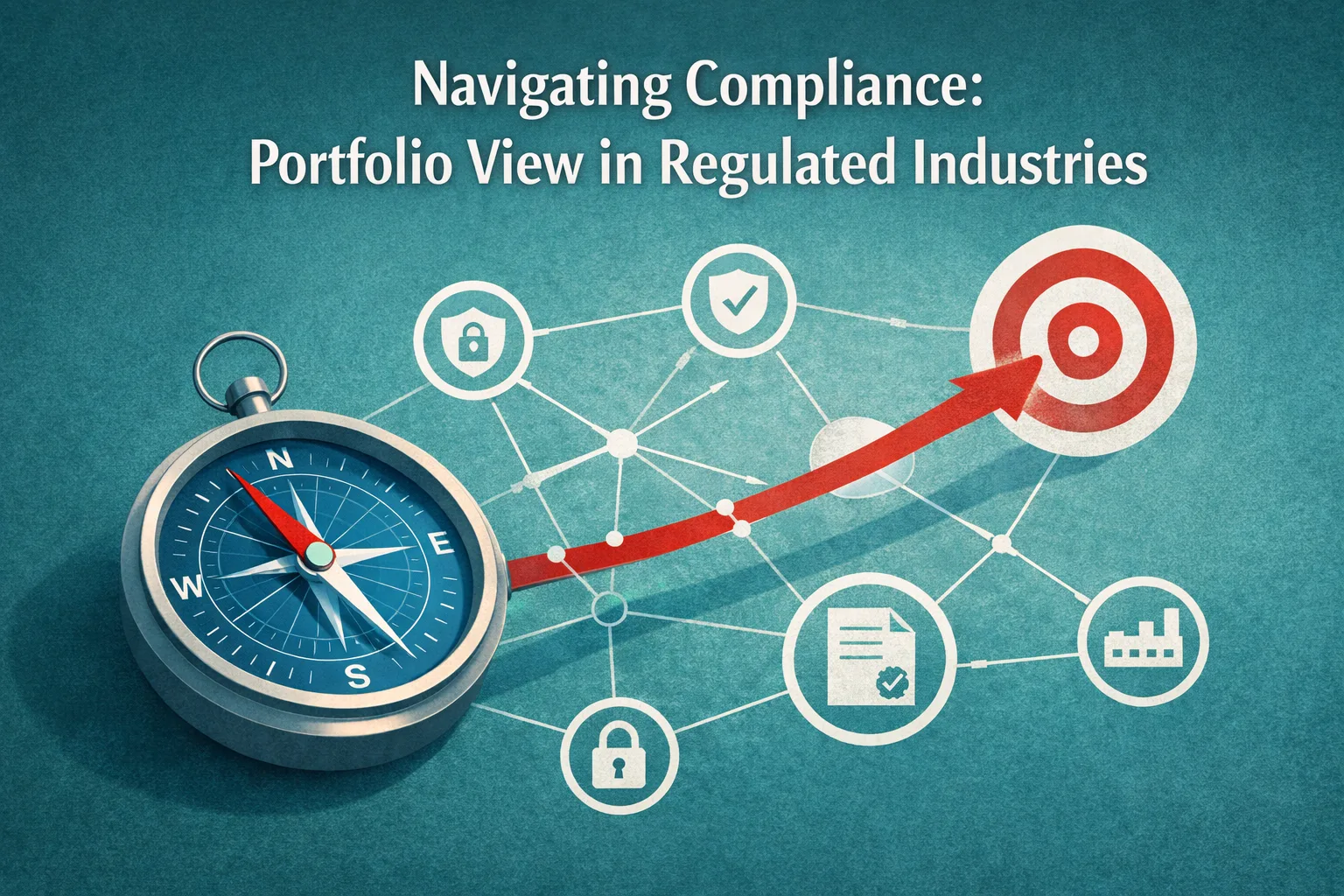
Particularly within regulated industries, the concept of a portfolio view serves as a critical framework for overseeing multiple projects and ensuring compliance with industry standards. This section will delve into the definition of a portfolio view, its significance in regulated sectors, and the interplay between compliance and project management practices.
Definition of Portfolio View in Project Management
A portfolio view in project management refers to the comprehensive oversight of a collection of projects and programs within an organization. This perspective allows project managers and compliance officers to assess the alignment of projects with strategic objectives, resource allocation, and risk management. By consolidating information from various projects, a portfolio view enables stakeholders to make informed decisions, prioritize initiatives, and optimize performance across the board.
Importance of a Portfolio View in Regulated Industries
In highly regulated sectors such as healthcare, finance, and pharmaceuticals, maintaining compliance is paramount. The importance of a portfolio view in these industries can be summarized as follows:
- Holistic Oversight: A portfolio view provides a unified perspective on all projects, facilitating the identification of compliance risks and ensuring that all initiatives adhere to regulatory requirements.
- Resource Management: It allows for better allocation of resources, ensuring that compliance-related projects receive the necessary attention and funding to meet stringent regulations.
- Risk Mitigation: By analyzing the interdependencies and potential impacts of various projects, organizations can proactively address compliance issues before they escalate into significant problems.
- Strategic Alignment: A portfolio view ensures that all projects align with the organization’s compliance goals and regulatory obligations, fostering a culture of accountability and transparency.
Overview of How Compliance Impacts Project Management Practices
Compliance significantly influences project management practices in regulated industries. Key aspects include:
- Regulatory Frameworks: Project managers must navigate complex regulatory frameworks that dictate how projects are planned, executed, and monitored. This often involves adhering to specific guidelines, documentation requirements, and reporting standards.
- Stakeholder Engagement: Compliance necessitates active engagement with various stakeholders, including regulatory bodies, legal teams, and internal compliance officers. This collaboration is essential for ensuring that projects meet all necessary legal and ethical standards.
- Change Management: As regulations evolve, project management practices must adapt accordingly. A portfolio view aids in managing these changes by providing insights into how new compliance requirements may affect ongoing and future projects.
- Performance Metrics: Compliance impacts the metrics used to evaluate project success. In regulated industries, success is often measured not just by project outcomes but also by adherence to compliance standards and the ability to demonstrate regulatory compliance through audits and assessments.
Understanding Compliance in Regulated Industries
In today’s complex business environment, compliance is a critical aspect for organizations operating within regulated industries. These sectors are subject to stringent laws and regulations designed to protect public interests, ensure safety, and maintain ethical standards. This section provides a foundational understanding of compliance requirements in various regulated sectors, highlighting the importance of a portfolio view in managing compliance effectively.
Examples of Regulated Industries
- Healthcare: The healthcare industry is heavily regulated to protect patient privacy and ensure the quality of care. Compliance with regulations such as the Health Insurance Portability and Accountability Act (HIPAA) is essential for safeguarding sensitive patient information.
- Finance: Financial institutions must adhere to a myriad of regulations aimed at maintaining market integrity and protecting consumers. Key regulations include the Sarbanes-Oxley Act (SOX), which mandates accurate financial reporting, and the Dodd-Frank Act, which addresses various aspects of financial reform.
- Pharmaceuticals: The pharmaceutical industry is governed by strict regulations to ensure the safety and efficacy of drugs. Compliance with the Food and Drug Administration (FDA) regulations and Good Manufacturing Practices (GMP) is crucial for maintaining product quality and safety.
Key Compliance Frameworks and Regulations
- HIPAA (Health Insurance Portability and Accountability Act): This U.S. legislation provides data privacy and security provisions for safeguarding medical information. Compliance with HIPAA is mandatory for healthcare providers, insurers, and their business associates.
- GDPR (General Data Protection Regulation): Enforced in the European Union, GDPR sets guidelines for the collection and processing of personal information. Organizations that handle data of EU citizens must comply with GDPR to avoid hefty fines.
- SOX (Sarbanes-Oxley Act): This U.S. law aims to protect investors by improving the accuracy and reliability of corporate disclosures. It imposes strict reforms to enhance corporate governance and accountability.
The Role of Compliance Officers and Project Managers
In regulated industries, compliance officers and project managers play pivotal roles in ensuring adherence to legal and regulatory requirements:
- Compliance Officers: These professionals are responsible for developing, implementing, and monitoring compliance programs. They ensure that the organization adheres to relevant laws and regulations, conduct audits, and provide training to staff on compliance matters.
- Project Managers: Project managers in regulated sectors must integrate compliance considerations into project planning and execution. They are tasked with ensuring that projects align with regulatory requirements, which often involves coordinating with compliance officers to identify potential risks and implement necessary controls.
The Importance of Portfolio View for Compliance
Maintaining compliance is not just a necessity but a critical component of operational success. A portfolio view serves as a powerful tool for compliance officers and project managers, enabling them to navigate the complexities of regulatory requirements effectively. Here are some key points highlighting the significance of adopting a portfolio view for compliance management:
- Comprehensive Oversight of Multiple Projects: A portfolio view allows organizations to monitor and manage multiple projects simultaneously, providing a holistic perspective on compliance across the board. This comprehensive oversight ensures that all projects align with regulatory standards and internal policies, reducing the risk of non-compliance. By visualizing the status and progress of each project within the portfolio, compliance officers can quickly identify areas that require attention or intervention, ensuring that compliance is maintained throughout the project lifecycle.
- Identifying Compliance Risks Across Projects: One of the primary advantages of a portfolio view is its ability to highlight compliance risks that may not be apparent when examining projects in isolation. By aggregating data from various projects, compliance officers can identify patterns and trends that indicate potential compliance issues. This proactive approach enables organizations to address risks before they escalate, fostering a culture of compliance and accountability. For instance, if multiple projects are experiencing similar compliance challenges, the portfolio view can signal the need for a review of processes or training across the organization.
- Enhancing Decision-Making Through Data-Driven Insights: The integration of data analytics within a portfolio view empowers project managers and compliance officers to make informed decisions based on real-time insights. By analyzing compliance-related data across the portfolio, organizations can assess the effectiveness of their compliance strategies and make necessary adjustments. This data-driven approach not only enhances decision-making but also supports strategic planning, allowing organizations to allocate resources more effectively and prioritize projects that pose higher compliance risks. Furthermore, the ability to generate reports and dashboards from the portfolio view facilitates communication with stakeholders, ensuring transparency and accountability in compliance management.
Implementing Portfolio View in Compliance Management
In regulated industries, maintaining compliance is not just a necessity; it is a critical component of project management that can significantly impact an organization’s reputation and operational efficiency. A well-structured portfolio view can serve as a powerful tool for compliance officers and project managers, enabling them to oversee multiple projects while ensuring adherence to regulatory requirements. Here’s how to effectively implement a portfolio view to enhance compliance efforts.
Steps to Develop a Portfolio View Tailored for Compliance Management
- Identify Compliance Requirements: Begin by mapping out the specific regulatory requirements relevant to your industry. This includes understanding local, national, and international regulations that may affect your projects.
- Categorize Projects: Organize projects based on their compliance needs. This categorization can be by regulatory framework, project type, or risk level, allowing for a clearer overview of compliance obligations across the portfolio.
- Establish Key Performance Indicators (KPIs): Define KPIs that align with compliance goals. These metrics should measure adherence to regulations, the effectiveness of compliance processes, and the overall risk exposure of the portfolio.
- Integrate Compliance Checks: Embed compliance checks into the project lifecycle. This can include regular audits, compliance reviews, and checkpoints that ensure projects remain aligned with regulatory standards throughout their duration.
- Utilize a Centralized Dashboard: Create a centralized dashboard that provides real-time visibility into compliance status across all projects. This dashboard should highlight compliance risks, upcoming deadlines, and areas needing attention.
Tools and Software That Can Assist in Creating a Robust Portfolio View
- Project Management Software: Tools like Microsoft Project, Asana, or Trello can help in organizing projects and tracking compliance-related tasks. These platforms often allow for custom fields and tags that can be used to denote compliance requirements.
- Compliance Management Systems: Specialized software such as ComplyAdvantage or LogicManager can provide features specifically designed for tracking compliance across multiple projects, including risk assessment tools and reporting capabilities.
- Data Analytics Tools: Utilizing data analytics platforms like Tableau or Power BI can enhance your portfolio view by providing insights into compliance trends, potential risks, and performance against KPIs.
- Document Management Systems: Tools like SharePoint or DocuSign can help manage compliance documentation, ensuring that all necessary records are easily accessible and up-to-date.
Best Practices for Integrating Compliance Checks Within the Portfolio View Framework
- Regular Training and Updates: Ensure that all team members are trained on compliance requirements and the importance of maintaining compliance within their projects. Regular updates on regulatory changes should also be communicated.
- Foster a Compliance Culture: Encourage a culture of compliance within the organization. This can be achieved by recognizing and rewarding teams that excel in compliance management and by promoting open discussions about compliance challenges.
- Continuous Improvement: Regularly review and refine your portfolio view and compliance processes. Solicit feedback from project teams and compliance officers to identify areas for improvement and adapt to changing regulations.
- Leverage Automation: Where possible, automate compliance checks and reporting processes. Automation can reduce the risk of human error and ensure that compliance tasks are completed consistently and on time.
By implementing a tailored portfolio view, compliance officers and project managers can enhance their ability to manage compliance effectively across multiple projects. This strategic approach not only helps in meeting regulatory requirements but also fosters a proactive compliance culture within the organization, ultimately leading to improved project outcomes and reduced risk.
Challenges and Solutions in Maintaining Compliance via Portfolio View
Maintaining compliance is a critical concern. A portfolio view can significantly aid compliance officers and project managers in navigating the complexities of regulatory requirements. However, several challenges can arise when implementing this approach. Below are some common obstacles and strategies to overcome them, along with the importance of continuous training and updates.
Common Challenges Faced by Compliance Officers and Project Managers
- Data Overload: Compliance officers often deal with vast amounts of data from various projects. This can lead to difficulties in identifying relevant compliance issues and trends across the portfolio.
- Fragmented Information: Information may be scattered across different systems or departments, making it challenging to get a comprehensive view of compliance status across all projects.
- Resistance to Change: Team members may be accustomed to traditional methods of project management and may resist adopting a portfolio view, fearing it complicates their workflow.
- Regulatory Complexity: The constantly evolving nature of regulations can make it difficult to ensure that all projects within the portfolio remain compliant, especially when regulations differ by region or sector.
- Resource Constraints: Limited resources, including time and personnel, can hinder the effective implementation of a portfolio view, making it challenging to monitor compliance consistently.
Strategies to Overcome Resistance to Portfolio View Adoption
- Stakeholder Engagement: Involve key stakeholders early in the process to gather input and address concerns. This can help foster a sense of ownership and reduce resistance.
- Demonstrating Value: Clearly communicate the benefits of a portfolio view, such as improved visibility into compliance status and enhanced decision-making capabilities. Use case studies or examples to illustrate these advantages.
- Incremental Implementation: Rather than a full-scale rollout, consider implementing the portfolio view in phases. This allows teams to adjust gradually and provides opportunities to address issues as they arise.
- User-Friendly Tools: Invest in intuitive software solutions that simplify the portfolio view process. Tools that integrate seamlessly with existing systems can reduce the learning curve and encourage adoption.
The Role of Continuous Training and Updates in Maintaining Compliance
- Regular Training Sessions: Conduct ongoing training for compliance officers and project managers to ensure they are familiar with the latest regulatory changes and how to utilize the portfolio view effectively. This can include workshops, webinars, and e-learning modules.
- Feedback Mechanisms: Establish channels for team members to provide feedback on the portfolio view process. This can help identify areas for improvement and ensure that the system evolves to meet the needs of users.
- Updates on Regulatory Changes: Keep all team members informed about changes in regulations that may impact compliance. Regular updates can be disseminated through newsletters, meetings, or dedicated compliance portals.
- Performance Metrics: Implement metrics to assess the effectiveness of the portfolio view in maintaining compliance. Regularly review these metrics to identify trends and areas for improvement.
Future Trends in Portfolio View and Compliance Management
As industries continue to evolve, particularly in highly regulated sectors, the portfolio view in project management is becoming increasingly vital for ensuring compliance. This section explores future developments that could significantly impact the use of portfolio views in compliance management, focusing on emerging technologies, the role of data analytics, and anticipated regulatory changes.
1. Emerging Technologies and Compliance Tracking
The integration of emerging technologies such as artificial intelligence (AI) and machine learning is poised to revolutionize compliance tracking within project management. These technologies can automate the monitoring of compliance requirements, enabling organizations to:
- Enhance Accuracy: AI algorithms can analyze vast amounts of data to identify compliance risks and discrepancies more accurately than traditional methods. This reduces the likelihood of human error and ensures that compliance measures are consistently met.
- Predictive Analytics: Machine learning models can predict potential compliance issues before they arise by analyzing historical data and identifying patterns. This proactive approach allows compliance officers to address issues early, minimizing risks and ensuring adherence to regulations.
- Real-Time Monitoring: With AI-driven tools, organizations can achieve real-time compliance monitoring, allowing for immediate adjustments to projects as regulations change or new compliance requirements emerge.
2. The Increasing Importance of Data Analytics
Data analytics is becoming a cornerstone of effective portfolio management, particularly in regulated industries. The ability to harness data effectively can lead to improved compliance outcomes through:
- Informed Decision-Making: By leveraging data analytics, project managers can make more informed decisions regarding resource allocation, risk management, and compliance strategies. This data-driven approach enhances the overall effectiveness of compliance initiatives.
- Performance Metrics: Advanced analytics can help organizations develop key performance indicators (KPIs) that specifically measure compliance-related outcomes. This enables teams to track progress and identify areas for improvement within their portfolios.
- Enhanced Reporting: Data analytics tools can streamline the reporting process, making it easier for compliance officers to generate reports that meet regulatory requirements. This not only saves time but also ensures that reports are accurate and comprehensive.
3. Predictions for Regulatory Changes
As regulatory landscapes continue to shift, project managers and compliance officers must stay ahead of potential changes that could impact their operations. Key predictions include:
- Increased Scrutiny: Regulatory bodies are likely to increase scrutiny on compliance practices, particularly in sectors such as finance, healthcare, and pharmaceuticals. This will necessitate more robust portfolio views that can demonstrate compliance across multiple projects.
- Evolving Standards: As industries adapt to new technologies and societal expectations, regulatory standards will evolve. Project managers will need to ensure that their portfolio views are flexible enough to accommodate these changes, allowing for quick adjustments to compliance strategies.
- Global Compliance Considerations: With globalization, organizations will face the challenge of navigating compliance across different jurisdictions. Future portfolio views will need to incorporate tools that can manage and align compliance requirements from various regulatory bodies worldwide.
Conclusion
Maintaining compliance is not just a necessity but a critical component of operational success. The portfolio view serves as a vital tool for compliance officers and project managers, enabling them to oversee multiple projects and initiatives simultaneously while ensuring adherence to regulatory standards.
Key Takeaways:
- Importance of Portfolio View: The portfolio view provides a comprehensive overview of all projects within an organization, allowing compliance officers to identify potential risks and compliance gaps across various initiatives. This holistic perspective is essential in regulated sectors where the stakes are high, and the consequences of non-compliance can be severe.
- Benefits of Effective Compliance Management: By leveraging a portfolio view, organizations can enhance their compliance management processes. This approach facilitates better resource allocation, prioritization of compliance-related tasks, and improved communication among stakeholders. It also enables proactive identification of compliance issues, allowing for timely interventions that can mitigate risks before they escalate.
In conclusion, the portfolio view is an indispensable asset for navigating the complexities of compliance in regulated industries. By integrating this perspective into their project management practices, compliance professionals can enhance their ability to manage risks, ensure adherence to regulations, and drive organizational success.
Find out more about Shaun Stoltz https://www.shaunstoltz.com/about/.
This post was written by an AI and reviewed/edited by a human.