Introduction
Governance management plays a crucial role in ensuring that projects are executed effectively, efficiently, and in alignment with organizational objectives. Governance management refers to the framework of rules, practices, and processes by which projects are directed and controlled. It encompasses the structures and relationships that determine how project decisions are made, how risks are managed, and how stakeholders are engaged. Effective governance management not only enhances accountability and transparency but also fosters a culture of compliance and ethical conduct within project teams.
Regulatory compliance is a fundamental aspect of project governance, as it ensures that projects adhere to relevant laws, regulations, and standards. This compliance is vital for mitigating risks, avoiding legal repercussions, and maintaining the integrity of the project. Regulatory frameworks can vary significantly across industries and regions, making it essential for project managers to stay informed about applicable regulations and to integrate compliance into their governance strategies. By doing so, organizations can enhance their credibility and build trust with stakeholders, including clients, investors, and regulatory bodies.
Recent years have seen a wave of regulatory changes that have significant implications for project governance strategies. These changes can arise from shifts in government policies, industry standards, or emerging trends such as sustainability and data protection. As regulations evolve, project managers must adapt their governance frameworks to address new compliance requirements and to mitigate potential impacts on project outcomes. Understanding these regulatory changes is crucial for project managers and regulatory affairs specialists, as it enables them to proactively adjust their strategies, ensuring that projects remain compliant and successful in an increasingly complex regulatory landscape.
In this blog section, we will delve into the recent regulatory updates affecting project governance, exploring their implications and offering insights on how project managers can navigate these changes effectively.
Understanding Project Governance
Project governance is a critical framework that ensures projects are executed effectively and align with organizational objectives. It encompasses a set of processes, roles, and responsibilities that guide project management practices, ensuring accountability and transparency throughout the project lifecycle. Here are the key elements and considerations in project governance:
Key Elements of Project Governance
- Roles and Responsibilities: Clearly defined roles are essential for effective governance. This includes the project sponsor, project manager, project team members, and stakeholders. Each role has specific responsibilities that contribute to the project’s success. For instance, the project sponsor provides strategic direction and resources, while the project manager oversees day-to-day operations and ensures that the project stays on track.
- Decision-Making Processes: Effective governance requires established decision-making processes that facilitate timely and informed choices. This includes defining who has the authority to make decisions, the criteria for decision-making, and the processes for escalating issues. A structured approach helps mitigate risks and enhances project outcomes by ensuring that decisions are made based on relevant data and stakeholder input.
- Frameworks and Policies: Governance frameworks provide the guidelines and policies that govern project execution. These frameworks often include compliance with regulatory requirements, risk management strategies, and quality assurance processes. Adhering to these frameworks helps ensure that projects are not only successful but also compliant with legal and regulatory standards.
Relationship Between Governance and Successful Project Outcomes
The relationship between effective governance and successful project outcomes is well-documented. Strong governance structures lead to:
- Improved Accountability: When roles and responsibilities are clearly defined, accountability increases. Team members understand their contributions to the project, which fosters a sense of ownership and commitment.
- Enhanced Risk Management: Effective governance includes proactive risk management strategies. By identifying potential risks early and establishing mitigation plans, projects are more likely to stay on schedule and within budget.
- Alignment with Organizational Goals: Governance ensures that projects align with the broader strategic objectives of the organization. This alignment is crucial for securing stakeholder support and resources, ultimately leading to project success.
Significance of Stakeholder Engagement in Governance Structures
Stakeholder engagement is a vital component of project governance. Engaging stakeholders throughout the project lifecycle ensures that their needs and expectations are considered, which can significantly impact project success. Key aspects include:
- Building Trust and Transparency: Regular communication with stakeholders fosters trust and transparency. When stakeholders are informed about project progress and challenges, they are more likely to support the project and contribute positively.
- Informed Decision-Making: Stakeholders often possess valuable insights and expertise that can enhance decision-making processes. By involving them in governance structures, project managers can leverage this knowledge to make better-informed decisions.
- Facilitating Change Management: Regulatory changes can significantly impact project governance. Engaging stakeholders in discussions about these changes helps organizations adapt their governance strategies effectively, ensuring compliance and minimizing disruptions.
Understanding project governance is essential for regulatory affairs specialists and project managers alike. By focusing on the key elements of governance, recognizing its impact on project outcomes, and emphasizing stakeholder engagement, organizations can navigate the complexities of regulatory changes and enhance their project management practices.
Recent Regulatory Updates
Governance strategies are increasingly shaped by evolving regulatory landscapes. Understanding these changes is crucial for Regulatory Affairs Specialists and Project Managers alike, as they navigate the complexities of compliance and governance. Here’s an overview of the most recent regulatory updates affecting project governance.
Key Regulatory Bodies Influencing Project Governance
- International Organization for Standardization (ISO): ISO sets global standards that impact project governance across various sectors, including quality management and risk management.
- Project Management Institute (PMI): PMI provides guidelines and standards that influence project governance practices, particularly in the context of project management methodologies.
- Federal Acquisition Regulatory Council (FAR): In the United States, FAR governs the procurement process for federal agencies, impacting project governance in public sector projects.
- European Union (EU) Regulatory Bodies: The EU has established various directives and regulations that affect project governance, particularly in sectors like data protection (GDPR) and environmental sustainability.
Recent Regulations or Guidelines Introduced
- GDPR (General Data Protection Regulation): Enforced in May 2018, GDPR has significant implications for project governance, particularly in data handling and privacy. Organizations must ensure that their project management practices comply with stringent data protection standards.
- ISO 21500:2021: This updated standard provides guidance on project management concepts and processes, emphasizing the importance of governance in achieving project objectives. It encourages organizations to adopt a structured approach to governance that aligns with their strategic goals.
- Sustainable Development Goals (SDGs): The United Nations’ SDGs have prompted regulatory changes that require organizations to incorporate sustainability into their project governance frameworks, influencing decision-making processes and project outcomes.
- Health and Safety Regulations: Recent updates in health and safety regulations across various industries, such as construction and manufacturing, have necessitated changes in project governance to ensure compliance and protect worker safety.
Motivations Behind Regulatory Changes
The motivations for these regulatory updates are multifaceted and often interlinked:
- Safety: Many regulations are introduced to enhance safety standards, particularly in industries like construction and healthcare. Ensuring the safety of workers and the public is a primary concern that drives regulatory changes.
- Transparency: Regulatory bodies are increasingly emphasizing the need for transparency in project governance. This includes clear reporting mechanisms and accountability measures to foster trust among stakeholders.
- Accountability: With the rise of corporate governance scandals, there is a growing demand for regulations that hold organizations accountable for their project outcomes. This shift aims to ensure that project managers adhere to ethical standards and best practices.
- Environmental Responsibility: As global awareness of environmental issues increases, regulations are being introduced to promote sustainable practices in project management. This includes guidelines for reducing carbon footprints and ensuring compliance with environmental laws.
Project governance is continually evolving due to regulatory changes. By staying informed about these updates, Regulatory Affairs Specialists and Project Managers can better align their strategies with compliance requirements, ultimately leading to more successful project outcomes.
Impact of Regulatory Changes on Project Governance Strategies
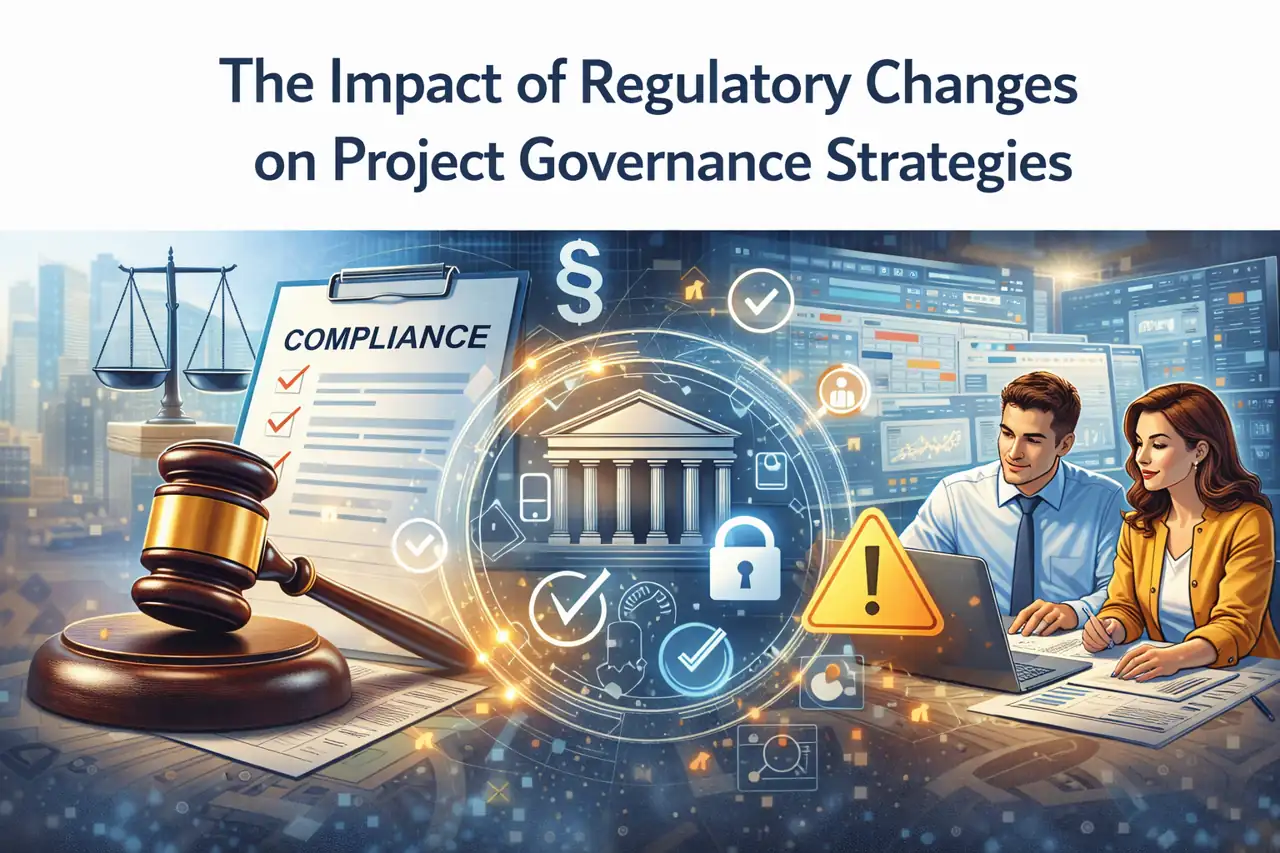
Regulatory changes play a crucial role in shaping governance strategies. As organizations strive to comply with evolving regulations, understanding the implications of these changes is essential for effective project governance. This section delves into how recent regulatory updates affect governance frameworks, the necessary adaptations project managers must undertake, and the sector-specific impacts that arise.
Implications of Regulatory Changes on Governance Frameworks
Regulatory changes can significantly alter the governance frameworks within which projects operate. Key implications include:
- Revised Compliance Requirements: New regulations often introduce stricter compliance standards, necessitating updates to governance frameworks. This may involve revising policies, procedures, and documentation practices to ensure alignment with legal requirements.
- Increased Accountability: Regulatory updates frequently emphasize accountability, requiring project managers to implement more robust oversight mechanisms. This shift can lead to enhanced transparency and risk management practices within projects.
- Stakeholder Engagement: Changes in regulations may necessitate greater engagement with stakeholders, including regulatory bodies, to ensure that governance strategies are aligned with compliance expectations. This can lead to more collaborative approaches in project planning and execution.
Adapting Governance Strategies to Comply with New Regulations
Project managers must be proactive in adapting their governance strategies to meet new regulatory demands. Key adaptation strategies include:
- Training and Development: Continuous education and training for project teams on new regulations are vital. This ensures that all team members understand compliance requirements and can effectively implement governance strategies that adhere to these standards.
- Risk Assessment and Management: Project managers should enhance their risk assessment processes to identify potential compliance risks associated with regulatory changes. This involves integrating compliance considerations into the overall risk management framework of the project.
- Agile Governance Models: Adopting agile governance models can help project managers respond swiftly to regulatory changes. This flexibility allows for quicker adjustments to governance strategies, ensuring ongoing compliance without significant project delays.
Sector-Specific Impacts
The impact of regulatory changes on project governance strategies can vary significantly across different sectors. Here are some sector-specific considerations:
- Healthcare: In the healthcare sector, regulatory changes such as updates to HIPAA or FDA guidelines can necessitate stringent data governance and patient privacy measures. Project managers must ensure that governance frameworks incorporate these regulations to protect sensitive information and maintain compliance.
- Construction: Regulatory updates in construction often focus on safety standards and environmental regulations. Project managers must adapt governance strategies to include compliance with these regulations, which may involve enhanced reporting and monitoring of safety practices on-site.
- Information Technology (IT): The IT sector faces rapid regulatory changes, particularly concerning data protection and cybersecurity. Project managers must ensure that governance frameworks are robust enough to address these evolving regulations, incorporating best practices for data security and compliance.
The impact of regulatory changes on project governance strategies is profound and multifaceted. As regulations continue to evolve, project managers must remain vigilant and adaptable, ensuring that their governance frameworks are not only compliant but also effective in achieving project objectives. By understanding the implications of these changes and implementing appropriate adaptations, organizations can navigate the complexities of regulatory environments while maintaining successful project outcomes.
Challenges Faced by Project Managers
Regulatory changes can significantly impact governance strategies, presenting a variety of challenges that project managers must navigate. As regulations evolve, project managers are tasked with ensuring compliance while maintaining project efficiency and flexibility. Here are some of the key challenges they face:
1. Adapting to New Regulations
- Resource Allocation: One of the primary challenges is the need to reallocate resources to meet new regulatory requirements. This may involve hiring additional staff, reallocating existing team members, or investing in new technologies to ensure compliance. The sudden need for these resources can strain budgets and timelines, making it difficult for project managers to maintain project momentum.
- Training and Development: With new regulations often come new processes and standards. Project managers must ensure that their teams are adequately trained to understand and implement these changes. This can require significant time and investment in training programs, which can divert attention from project execution and lead to delays.
2. Balancing Compliance and Flexibility
- Compliance vs. Agility: Project managers often find themselves in a precarious position where they must balance the need for compliance with the need for project flexibility. Stricter regulations can impose rigid frameworks that limit a project’s ability to adapt to changing circumstances or stakeholder needs. This tension can lead to conflicts within project teams and hinder innovation.
- Stakeholder Expectations: As regulations change, so do stakeholder expectations. Project managers must navigate these shifting demands while ensuring that their projects remain compliant. This requires effective communication and negotiation skills, as well as the ability to manage stakeholder relationships proactively.
3. Increased Costs and Timelines
- Budget Overruns: The introduction of new regulations can lead to increased project costs. Compliance often requires additional resources, whether in the form of personnel, technology, or external consulting services. These added expenses can strain project budgets and necessitate difficult decisions about scope and deliverables.
- Extended Timelines: Regulatory changes can also extend project timelines. The need for additional reviews, approvals, and compliance checks can slow down project progress. Project managers must be adept at adjusting schedules and managing expectations to accommodate these delays while still striving to meet project goals.
The impact of regulatory changes on project governance strategies presents significant challenges for project managers. By understanding these challenges—ranging from resource allocation and training needs to balancing compliance with flexibility and managing increased costs and timelines—project managers can better prepare themselves to navigate the complexities of regulatory environments. This proactive approach is essential for ensuring successful project outcomes in an ever-evolving regulatory landscape.
Best Practices for Adapting Governance Strategies
Regulatory changes can significantly impact governance strategies. For regulatory affairs specialists and project managers, staying ahead of these changes is crucial for ensuring compliance and project success. Here are some best practices for adapting governance strategies in light of recent regulatory updates:
1. Effective Monitoring of Regulatory Changes
To navigate the complexities of regulatory environments, project managers should implement robust monitoring strategies. Here are some recommendations:
- Establish a Regulatory Watch Team: Form a dedicated team responsible for tracking relevant regulatory updates. This team should include members with expertise in compliance and project management to ensure a comprehensive understanding of the implications of changes.
- Utilize Technology Tools: Leverage regulatory technology (RegTech) solutions that provide real-time updates on regulatory changes. These tools can automate alerts and help project managers stay informed about new requirements that may affect their projects.
- Engage with Industry Associations: Join industry groups and associations that focus on regulatory affairs. These organizations often provide valuable insights, resources, and networking opportunities that can help project managers stay updated on regulatory trends.
2. Integrating Compliance into Governance Frameworks
Integrating compliance into existing governance frameworks is essential for ensuring that projects adhere to regulatory requirements. Consider the following methods:
- Conduct Compliance Assessments: Regularly assess your governance framework to identify gaps in compliance. This can involve reviewing policies, procedures, and documentation to ensure they align with current regulations.
- Develop Clear Compliance Guidelines: Create comprehensive guidelines that outline compliance requirements specific to your projects. These guidelines should be easily accessible to all team members and integrated into project planning and execution processes.
- Train Project Teams: Provide training sessions for project teams on compliance requirements and best practices. This will help ensure that all team members understand their roles in maintaining compliance throughout the project lifecycle.
3. Adopting a Proactive Approach to Risk Management
A proactive approach to risk management is vital in adapting governance strategies to regulatory changes. Here are some strategies to consider:
- Implement Risk Assessment Frameworks: Develop frameworks that allow for the identification and assessment of risks associated with regulatory changes. This should include both qualitative and quantitative analyses to understand potential impacts on projects.
- Foster a Culture of Compliance: Encourage a culture where compliance is viewed as a shared responsibility among all team members. This can be achieved through regular discussions about compliance risks and the importance of adhering to regulations.
- Establish Contingency Plans: Prepare contingency plans that outline steps to take in response to potential regulatory changes. This proactive planning can help mitigate risks and ensure that projects remain on track even in the face of unexpected regulatory shifts.
By implementing these best practices, project managers can effectively adapt their governance strategies to meet the challenges posed by regulatory changes. This proactive approach not only enhances compliance but also contributes to the overall success and sustainability of projects in a dynamic regulatory environment.
Conclusion
Regulatory changes play a pivotal role in shaping governance strategies. As we have explored, these changes can significantly impact how projects are planned, executed, and monitored. Here are the key takeaways regarding the influence of regulatory updates on project governance:
- Critical Impact of Regulatory Changes: Regulatory updates can alter the framework within which projects operate, necessitating a reevaluation of governance structures. These changes can affect compliance requirements, risk management protocols, and stakeholder engagement strategies, making it essential for project managers to stay informed and responsive to new regulations.
- Need for Continuous Monitoring and Adaptation: The dynamic nature of regulations means that project governance cannot be static. Continuous monitoring of regulatory developments is crucial for ensuring that governance strategies remain effective and compliant. This adaptability not only mitigates risks but also enhances the overall success of projects by aligning them with current legal and ethical standards.
- Ongoing Education and Collaboration: To navigate the complexities of regulatory changes, it is vital for project managers and regulatory affairs specialists to engage in ongoing education. This includes staying updated on regulatory trends, sharing best practices, and fostering collaboration across disciplines. By working together, these professionals can develop more robust governance frameworks that are agile and responsive to change.
The impact of regulatory changes on project governance is profound and multifaceted. Emphasizing agile governance practices, continuous learning, and collaborative efforts will empower project managers and regulatory affairs specialists to effectively navigate this complex landscape, ensuring project success in compliance with evolving regulations.
Find out more about Shaun Stoltz https://www.shaunstoltz.com/about/.
This post was written by an AI and reviewed/edited by a human.