Introduction to Governance in Agile Project Management
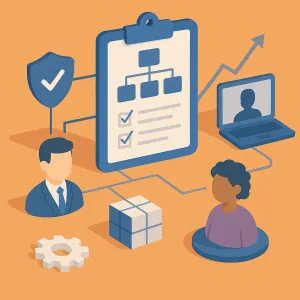
Governance plays a crucial role in ensuring that projects are executed effectively, efficiently, and in alignment with organizational objectives. Governance in project management refers to the framework of policies, regulations, and processes that guide project execution and decision-making. It encompasses the structures and mechanisms that ensure accountability, transparency, and stakeholder engagement throughout the project lifecycle.
Importance of Governance in Agile Frameworks
Agile methodologies, characterized by their flexibility and iterative approach, have gained significant traction in recent years. However, the integration of governance within Agile frameworks is essential for several reasons:
- Alignment with Organizational Goals: Governance ensures that Agile projects remain aligned with the broader strategic objectives of the organization. It provides a framework for decision-making that helps teams prioritize work based on business value and stakeholder needs.
- Risk Management: Agile projects often operate in dynamic environments where risks can evolve rapidly. Governance frameworks help identify, assess, and mitigate risks, ensuring that teams can respond effectively to changes while maintaining project integrity.
- Stakeholder Engagement: Effective governance fosters communication and collaboration among stakeholders, ensuring that their needs and expectations are considered throughout the project. This engagement is vital for Agile teams, which rely on continuous feedback to adapt and improve.
- Quality Assurance: Governance frameworks establish standards and processes that help maintain quality throughout the project. This is particularly important in Agile, where rapid iterations can sometimes lead to oversight in quality control.
Challenges of Integrating Governance into Agile
While the integration of governance into Agile methodologies is beneficial, it is not without its challenges:
- Cultural Resistance: Agile emphasizes autonomy and self-organization, which can sometimes clash with traditional governance structures that impose strict controls. Overcoming this cultural resistance requires a shift in mindset among team members and stakeholders.
- Balancing Flexibility and Control: One of the core principles of Agile is adaptability. However, governance frameworks often introduce processes that can be perceived as bureaucratic. Striking the right balance between maintaining flexibility and ensuring adequate control is a critical challenge.
- Complexity of Governance Structures: Implementing governance in Agile can lead to complexity, especially in larger organizations with multiple layers of oversight. Simplifying governance structures while ensuring they remain effective is essential for Agile teams to thrive.
- Continuous Improvement: Agile methodologies promote a culture of continuous improvement, which can sometimes conflict with static governance processes. Governance frameworks must be adaptable and evolve alongside Agile practices to remain relevant and effective.
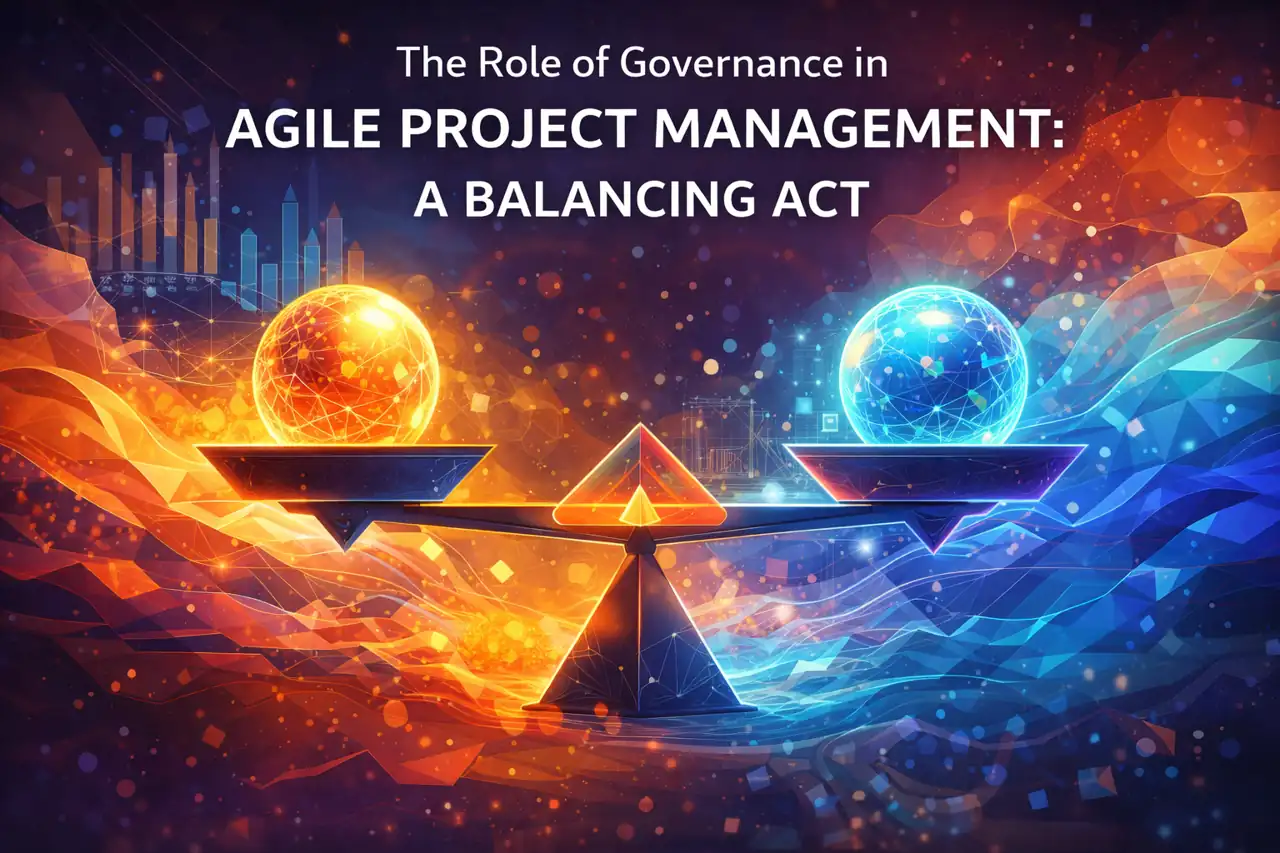
Governance in Agile project management is a balancing act that requires careful consideration of organizational needs, project objectives, and team dynamics. By understanding the importance of governance and addressing the challenges of integration, Agile project managers and Scrum Masters can create a framework that supports both agility and accountability, ultimately leading to successful project outcomes.
Understanding Agile Methodologies
Agile project management has revolutionized the way teams approach project delivery, emphasizing flexibility, collaboration, and customer satisfaction. This section provides an overview of key Agile methodologies and core principles that underpin Agile practices.
Key Agile Methodologies
- Scrum:
- Scrum is a widely adopted Agile framework that organizes work into small, manageable units called sprints, typically lasting two to four weeks.
- It emphasizes roles such as the Scrum Master, who facilitates the process, and the Product Owner, who represents the stakeholders and prioritizes the backlog.
- Kanban:
- Kanban focuses on visualizing work in progress and managing flow. It uses a board to represent tasks, allowing teams to see the status of work at a glance.
- This methodology promotes continuous delivery and encourages teams to limit work in progress to enhance efficiency.
- Extreme Programming (XP):
- XP is an Agile methodology that emphasizes technical excellence and frequent releases in short development cycles.
- It incorporates practices such as pair programming, test-driven development, and continuous integration to improve software quality and responsiveness to changing requirements.
- Lean:
- Lean principles aim to maximize value by minimizing waste. This methodology encourages teams to focus on delivering value to the customer while eliminating non-essential activities.
Core Agile Principles
- Customer Collaboration:
- Agile methodologies prioritize direct communication and collaboration with customers throughout the project lifecycle. This ensures that the final product aligns closely with customer needs and expectations.
- Iterative Development:
- Agile promotes iterative development, allowing teams to deliver small increments of the product regularly. This approach facilitates feedback and adjustments, leading to a more refined final product.
- Responding to Change:
- Agile methodologies embrace change, recognizing that requirements may evolve as projects progress. Teams are encouraged to adapt their plans and processes to accommodate new insights and customer feedback.
- Empowered Teams:
- Agile emphasizes the importance of self-organizing teams that are empowered to make decisions. This autonomy fosters creativity and innovation, enabling teams to respond quickly to challenges.
Flexibility and Adaptability
One of the defining characteristics of Agile approaches is their inherent flexibility. Agile methodologies allow teams to pivot and adjust their strategies based on real-time feedback and changing project dynamics. This adaptability is crucial in today’s fast-paced business environment, where customer needs and market conditions can shift rapidly. By integrating governance frameworks within Agile methodologies, organizations can maintain oversight and accountability while still fostering the innovative spirit that Agile promotes.
Understanding Agile methodologies and their core principles is essential for Agile project managers and Scrum Masters. By leveraging these frameworks, teams can enhance their project delivery processes while ensuring alignment with governance requirements.
Key Governance Frameworks in Project Management
The integration of governance frameworks is essential for ensuring that projects align with organizational objectives while maintaining flexibility and responsiveness. This section explores several prominent governance frameworks and their relevance to Agile methodologies, highlighting how they can enhance project outcomes.
Overview of Popular Governance Frameworks
- COBIT (Control Objectives for Information and Related Technologies):
- Purpose: COBIT is a framework designed for developing, implementing, monitoring, and improving IT governance and management practices. It provides a comprehensive approach to governance that aligns IT goals with business objectives.
- Relevance to Agile: COBIT emphasizes the importance of stakeholder engagement and value delivery, which are core principles of Agile. By integrating COBIT, Agile teams can ensure that their projects not only deliver functional software but also meet broader organizational goals.
- ITIL (Information Technology Infrastructure Library):
- Purpose: ITIL is a set of practices for IT service management (ITSM) that focuses on aligning IT services with the needs of the business. It provides guidelines for managing IT services effectively.
- Relevance to Agile: ITIL’s focus on service delivery and continuous improvement complements Agile’s iterative approach. Agile teams can leverage ITIL practices to enhance service quality and ensure that customer feedback is systematically integrated into the development process.
- PRINCE2 (PRojects IN Controlled Environments):
- Purpose: PRINCE2 is a structured project management method that emphasizes organization and control throughout the project lifecycle. It provides a clear framework for project governance.
- Relevance to Agile: While PRINCE2 is traditionally more rigid, its principles can be adapted to Agile environments. By incorporating PRINCE2’s focus on defined roles and responsibilities, Agile teams can enhance accountability and clarity, ensuring that governance does not stifle innovation.
Elements of Governance
Effective governance in Agile project management encompasses several key elements:
- Roles: Clearly defined roles are crucial for accountability and decision-making. In Agile, roles such as the Product Owner, Scrum Master, and team members must be aligned with governance structures to ensure that responsibilities are understood and adhered to.
- Processes: Governance processes should facilitate Agile practices rather than hinder them. This includes establishing processes for risk management, compliance, and quality assurance that are flexible enough to adapt to the Agile framework.
- Policies: Governance policies should support Agile principles, promoting transparency, collaboration, and continuous improvement. Policies that encourage regular feedback loops and iterative development can enhance the effectiveness of Agile teams.
Complementing Agile Practices with Governance Frameworks
Integrating governance frameworks within Agile methodologies can create a balanced approach that fosters both innovation and accountability. Here’s how these frameworks can complement Agile practices:
- Alignment with Business Objectives: Governance frameworks like COBIT ensure that Agile projects remain aligned with strategic business goals, providing a clear direction for project teams.
- Enhanced Risk Management: By incorporating ITIL’s service management practices, Agile teams can better manage risks associated with service delivery, ensuring that potential issues are identified and addressed proactively.
- Structured Flexibility: PRINCE2’s structured approach can provide Agile teams with a framework for managing complex projects while still allowing for the flexibility that Agile methodologies promote.
The integration of governance frameworks such as COBIT, ITIL, and PRINCE2 into Agile project management not only enhances project governance but also supports the Agile principles of collaboration, responsiveness, and continuous improvement. By understanding and applying these frameworks, Agile project managers and Scrum Masters can navigate the complexities of governance while fostering an environment conducive to innovation and success.
Integrating Governance into Agile Practices
The integration of governance frameworks is essential for ensuring that projects not only meet their objectives but also adhere to organizational standards and regulatory requirements. This section explores effective strategies for blending governance into Agile workflows, focusing on key points of integration, the role of Agile ceremonies, and tools for tracking compliance.
Points of Integration
- Planning Phase:
- Establish Governance Objectives: During the initial planning stages, it is crucial to define governance objectives that align with the project goals. This includes identifying compliance requirements, risk management strategies, and stakeholder expectations.
- Incorporate Governance Metrics: Integrate specific governance metrics into the project backlog. This ensures that compliance and quality standards are considered from the outset and are continuously monitored throughout the project lifecycle.
- Execution Phase:
- Continuous Monitoring: Implement governance checkpoints within the execution phase. This can involve regular assessments of project progress against governance criteria, ensuring that the team remains aligned with both Agile principles and governance requirements.
- Adaptive Governance: Agile methodologies emphasize flexibility. Governance frameworks should be adaptable, allowing for adjustments based on project dynamics while still maintaining compliance with essential standards.
- Review Phase:
- Feedback Loops: Utilize the review phase to gather feedback on governance practices. This can help identify areas for improvement and ensure that governance processes are effectively supporting Agile objectives.
- Documentation and Reporting: Ensure that documentation related to governance is maintained and reviewed regularly. This includes compliance reports, risk assessments, and stakeholder communications, which should be easily accessible to all team members.
The Role of Agile Ceremonies in Governance
Agile ceremonies play a pivotal role in reinforcing governance within Agile projects. Here’s how they contribute:
- Sprint Reviews: These meetings provide an opportunity to assess the work completed against governance criteria. Stakeholders can review deliverables to ensure they meet quality and compliance standards, fostering transparency and accountability.
- Retrospectives: Retrospectives are essential for reflecting on both project performance and governance practices. Teams can discuss what governance strategies worked well and what needs adjustment, promoting a culture of continuous improvement.
- Daily Stand-ups: These brief meetings can include governance check-ins, where team members can quickly address any compliance issues or risks that may have arisen since the last meeting, ensuring that governance remains a priority throughout the project.
Tools and Techniques for Tracking Compliance
To effectively track compliance within Agile projects, several tools and techniques can be employed:
- Project Management Software: Tools like Jira, Trello, or Asana can be customized to include governance-related tasks and metrics. This allows teams to visualize compliance status alongside project progress.
- Dashboards and Reporting Tools: Utilize dashboards that provide real-time insights into compliance metrics. These can help project managers and stakeholders quickly assess whether governance objectives are being met.
- Automated Compliance Checks: Implement automated tools that can perform compliance checks against predefined criteria. This reduces the manual effort required and ensures that compliance is continuously monitored without disrupting Agile workflows.
By thoughtfully integrating governance into Agile practices, project managers and Scrum Masters can create a balanced approach that enhances project success while ensuring adherence to necessary standards. This integration not only supports the Agile ethos of flexibility and responsiveness but also reinforces the importance of accountability and compliance in project management.
Balancing Agility and Governance
The integration of governance frameworks presents a unique set of challenges and opportunities. Agile methodologies prioritize flexibility, rapid iteration, and responsiveness to change, which can sometimes conflict with the structured nature of traditional governance. This section explores the common conflicts between strict governance and Agile flexibility, strategies for maintaining a balance, and examples of successful governance in Agile environments.
Common Conflicts Between Governance and Agile Flexibility
- Rigidity vs. Adaptability: Traditional governance frameworks often impose rigid processes and documentation requirements that can stifle the adaptability inherent in Agile methodologies. Agile teams thrive on the ability to pivot quickly based on feedback, while strict governance may require extensive approvals and documentation that slow down decision-making.
- Control vs. Empowerment: Governance typically emphasizes control and oversight, which can lead to micromanagement. In contrast, Agile promotes team empowerment and self-organization. This dichotomy can create tension, as Agile teams may feel constrained by governance structures that limit their autonomy.
- Standardization vs. Customization: Governance frameworks often seek to standardize processes across projects to ensure compliance and risk management. However, Agile methodologies encourage customization to fit the specific needs of a project and its stakeholders. This can lead to conflicts when teams are required to adhere to standardized practices that do not align with Agile principles.
Strategies for Maintaining a Balance
- Implementing Lightweight Governance: One effective strategy is to adopt a lightweight governance approach that minimizes bureaucracy while still providing necessary oversight. This can include defining key governance checkpoints that align with Agile ceremonies, such as sprint reviews or retrospectives, allowing for real-time feedback and adjustments without overwhelming the team with excessive documentation.
- Adaptive Processes: Organizations can develop adaptive governance processes that evolve alongside Agile practices. This involves regularly reviewing and adjusting governance frameworks to ensure they remain relevant and supportive of Agile principles. For instance, incorporating Agile metrics into governance reviews can help align oversight with team performance and project outcomes.
- Stakeholder Engagement: Engaging stakeholders in the governance process can help bridge the gap between Agile teams and governance requirements. By involving stakeholders in defining governance expectations and processes, organizations can create a shared understanding of the balance between flexibility and compliance.
Examples of Successful Governance in Agile Environments
- Spotify Model: The Spotify model is a well-known example of integrating governance within an Agile framework. Spotify emphasizes team autonomy while maintaining alignment through a lightweight governance structure that includes regular check-ins and shared goals. This approach allows teams to innovate and adapt while ensuring that their work aligns with organizational objectives.
- Scaled Agile Framework (SAFe): SAFe provides a structured approach to scaling Agile across large organizations while incorporating governance at various levels. By defining roles, responsibilities, and processes that align with Agile principles, SAFe enables organizations to maintain oversight without sacrificing the flexibility that Agile teams require.
- Government Agencies: Some government agencies have successfully implemented Agile methodologies while adhering to governance requirements. By creating Agile teams that operate within a framework designed to accommodate regulatory compliance, these agencies have demonstrated that it is possible to maintain agility while fulfilling governance obligations.
The integration of governance frameworks within Agile project management requires a careful balancing act. By recognizing the common conflicts between governance and Agile flexibility, adopting lightweight and adaptive processes, and learning from successful examples, Agile project managers and Scrum Masters can navigate the complexities of governance while fostering an environment of innovation and responsiveness.
Tools and Techniques for Governance in Agile
Governance plays a crucial role in ensuring that projects align with organizational goals while maintaining flexibility and responsiveness. Integrating governance frameworks within Agile methodologies requires the right tools and techniques to facilitate effective oversight and compliance. Here are some recommended tools and techniques that can enhance governance in Agile projects:
Software and Tools Supporting Agile Governance
- JIRA:
- A widely used project management tool that supports Agile methodologies, JIRA allows teams to track issues, manage workflows, and visualize project progress through customizable dashboards. Its reporting features help ensure compliance with governance standards by providing insights into team performance and project health.
- Trello:
- Trello offers a visual approach to project management with boards, lists, and cards. It is particularly useful for smaller teams or projects, allowing for easy tracking of tasks and responsibilities. Trello can be integrated with other tools to enhance governance capabilities, such as compliance tracking and documentation.
- Confluence:
- Often used in conjunction with JIRA, Confluence is a collaboration tool that helps teams document processes, decisions, and project updates. It serves as a central repository for governance-related documentation, ensuring that all team members have access to the latest information.
- Azure DevOps:
- This platform provides a comprehensive suite of tools for managing software development projects. Azure DevOps includes features for tracking work items, managing repositories, and automating workflows, all of which can support governance by ensuring adherence to processes and standards.
- VersionOne:
- Specifically designed for Agile project management, VersionOne offers features for planning, tracking, and reporting on Agile projects. Its governance capabilities include compliance tracking and performance metrics, making it easier for teams to align with organizational governance frameworks.
Techniques for Documentation and Compliance Tracking
- Regular Stand-ups and Reviews:
- Conducting daily stand-up meetings and regular sprint reviews helps maintain transparency and accountability within the team. These meetings provide opportunities to discuss progress, address compliance issues, and ensure that governance standards are being met.
- Documentation of Decisions:
- Keeping a record of key decisions made during the project lifecycle is essential for governance. This can be achieved through meeting notes, decision logs, or dedicated documentation in tools like Confluence. Documenting decisions helps maintain clarity and provides a reference for future audits.
- Compliance Checklists:
- Developing checklists that outline governance requirements can streamline compliance tracking. These checklists can be integrated into project management tools, allowing teams to easily verify that all necessary governance steps have been completed.
Tips for Selecting the Right Tools for Governance Needs
- Assess Project Size and Complexity:
- Consider the scale of your project when selecting tools. Larger, more complex projects may require robust tools like JIRA or Azure DevOps, while smaller projects might benefit from simpler solutions like Trello.
- Evaluate Integration Capabilities:
- Choose tools that can integrate with existing systems and workflows. This ensures that governance processes are seamless and that data flows smoothly between different platforms.
- Focus on User Experience:
- The effectiveness of governance tools often depends on user adoption. Select tools that are intuitive and easy to use, as this will encourage team members to engage with them regularly.
- Prioritize Reporting and Analytics:
- Look for tools that offer strong reporting and analytics features. These capabilities are essential for tracking compliance and performance against governance standards.
- Consider Scalability:
- As projects evolve, so too may governance needs. Choose tools that can scale with your project, accommodating changes in team size, project scope, and governance requirements.
By leveraging the right tools and techniques, Agile project managers and Scrum Masters can effectively integrate governance into their workflows, ensuring that projects remain compliant while still embracing the flexibility that Agile methodologies offer.
Conclusion: The Future of Governance in Agile Project Management
As Agile methodologies continue to evolve and gain traction across various industries, the integration of governance frameworks becomes increasingly vital. Governance in Agile is not merely a bureaucratic necessity; it serves as a foundational element that ensures projects align with organizational goals while maintaining flexibility and responsiveness. Here are some key insights and future trends regarding governance in Agile project management:
- Recap of Governance Importance: Governance plays a crucial role in Agile project management by providing a structured approach to decision-making, risk management, and compliance. It helps Agile teams navigate the complexities of project delivery while ensuring accountability and transparency. By establishing clear roles, responsibilities, and processes, governance frameworks empower teams to make informed decisions that align with strategic objectives, ultimately enhancing project outcomes.
- Future Developments in Governance Frameworks: As Agile practices mature, we can expect to see the emergence of more adaptive governance frameworks that complement Agile principles. These frameworks will likely focus on:
- Increased Flexibility: Future governance models will need to be more adaptable, allowing teams to respond quickly to changes without compromising compliance or quality.
- Integration of Technology: The use of advanced tools and technologies, such as AI and machine learning, will facilitate real-time monitoring and reporting, making governance processes more efficient and less intrusive.
- Emphasis on Collaboration: Governance will increasingly prioritize collaboration among stakeholders, fostering a culture of shared responsibility and collective ownership of project success.
The future of governance in Agile project management lies in finding the right balance between structure and flexibility. As organizations continue to adopt Agile methodologies, the integration of robust governance frameworks will be essential in navigating the complexities of modern project delivery. By fostering a culture that values governance, Agile practitioners can ensure that their projects not only meet immediate goals but also contribute to long-term organizational success.
Find out more about Shaun Stoltz https://www.shaunstoltz.com/about/.
This post was written by an AI and reviewed/edited by a human.