Introduction
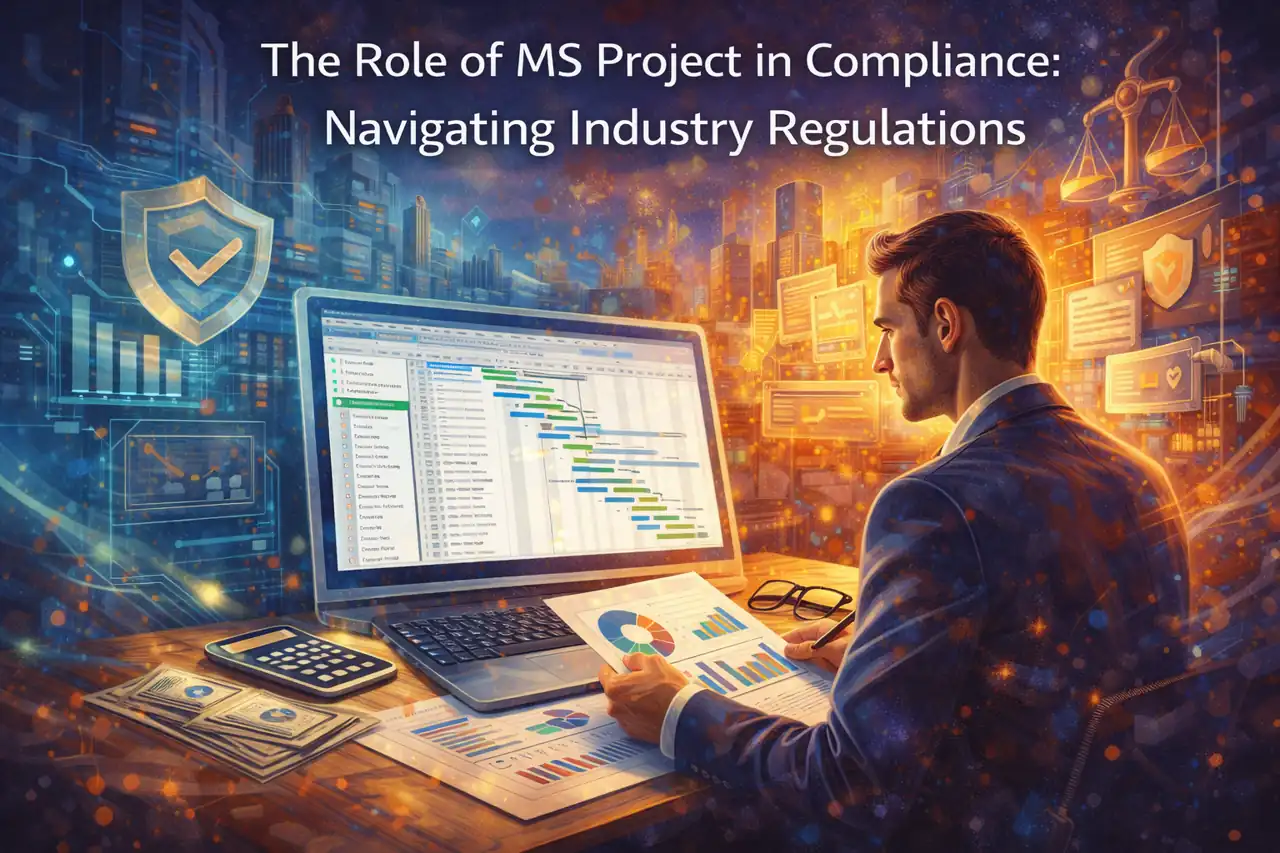
Microsoft Project (MS Project) stands out as a powerful tool that facilitates the planning, execution, and monitoring of projects across various sectors. As organizations strive to meet industry standards and regulations, the role of MS Project becomes increasingly significant. This section will explore how MS Project not only enhances project management efficiency but also plays a crucial role in ensuring compliance with industry regulations.
- Overview of MS Project as a Project Management Tool: MS Project is designed to assist project managers in organizing tasks, allocating resources, and tracking progress. Its user-friendly interface and robust features allow for detailed scheduling, budgeting, and reporting, making it an essential asset for managing complex projects. With capabilities such as Gantt charts, resource management, and timeline tracking, MS Project enables teams to visualize project timelines and dependencies effectively.
- Importance of Compliance in Various Industries: Compliance is a critical aspect of project management, particularly in industries such as healthcare, finance, construction, and manufacturing. Adhering to regulations not only mitigates risks but also enhances organizational credibility and operational efficiency. Non-compliance can lead to severe penalties, legal issues, and reputational damage, making it imperative for organizations to integrate compliance into their project management processes.
- How MS Project Can Assist in Navigating Industry Regulations: MS Project offers features that can streamline compliance efforts. For instance, it allows project managers to create detailed project plans that align with regulatory requirements, ensuring that all necessary steps are documented and tracked. Additionally, MS Project’s reporting capabilities enable teams to generate compliance reports easily, providing transparency and accountability. By utilizing MS Project, organizations can maintain a clear overview of their compliance status, identify potential gaps, and implement corrective actions promptly.
MS Project serves as a vital tool for compliance officers and project managers, helping them navigate the complexities of industry regulations while ensuring that projects are delivered on time and within scope. As we delve deeper into the specific benefits of MS Project in compliance, it becomes evident that leveraging this tool can significantly enhance an organization’s ability to meet regulatory demands effectively.
Understanding Compliance in Project Management
Compliance plays a crucial role in ensuring that organizations adhere to industry standards, legal requirements, and internal policies. This section aims to provide a foundational understanding of compliance, its significance, and the implications of non-compliance for organizations.
Definition of Compliance and Its Significance for Organizations
Compliance refers to the process of conforming to established guidelines, regulations, and laws that govern an organization’s operations. In project management, compliance ensures that projects are executed within the legal and regulatory frameworks applicable to the industry. The significance of compliance includes:
- Risk Mitigation: Adhering to compliance standards helps organizations identify and mitigate risks associated with legal penalties, financial losses, and reputational damage.
- Operational Efficiency: Compliance frameworks often promote best practices that can enhance operational efficiency and project outcomes.
- Stakeholder Trust: Demonstrating compliance fosters trust among stakeholders, including clients, investors, and regulatory bodies, which can lead to better business relationships and opportunities.
Common Industry Regulations That Affect Project Management
Various industries are governed by specific regulations that project managers must navigate. Some common regulations include:
- ISO Standards: These international standards ensure quality management and operational efficiency across various sectors.
- Health and Safety Regulations: In industries such as construction and manufacturing, compliance with health and safety regulations is critical to protect workers and avoid legal repercussions.
- Data Protection Laws: Regulations like GDPR (General Data Protection Regulation) require organizations to manage personal data responsibly, impacting project management practices, especially in IT and marketing projects.
- Environmental Regulations: Projects in sectors like construction and energy must comply with environmental laws to minimize ecological impact.
Consequences of Non-Compliance for Organizations
Failing to adhere to compliance regulations can have severe consequences for organizations, including:
- Legal Penalties: Non-compliance can result in fines, sanctions, or legal action against the organization, leading to significant financial burdens.
- Project Delays: Non-compliance issues can halt project progress, resulting in delays and increased costs.
- Reputational Damage: Organizations that fail to comply may suffer reputational harm, leading to loss of customer trust and potential business opportunities.
- Operational Disruptions: Non-compliance can disrupt operations, leading to inefficiencies and a negative impact on project outcomes.
Understanding compliance in project management is essential for ensuring that projects are executed effectively and within the legal frameworks that govern them. By recognizing the importance of compliance, project managers and compliance officers can work together to navigate industry regulations and mitigate risks associated with non-compliance.
Key Features of MS Project that Support Compliance
Particularly for compliance officers and project managers, adhering to industry regulations is paramount. Microsoft Project (MS Project) offers a suite of features that can significantly aid organizations in navigating these complex requirements. Here are some key functionalities that support compliance efforts:
- Task Scheduling and Tracking for Regulatory Deadlines: MS Project allows users to create detailed project schedules that include critical regulatory deadlines. By utilizing Gantt charts and timelines, project managers can visualize tasks and their dependencies, ensuring that all compliance-related activities are completed on time. This feature helps in maintaining a proactive approach to compliance, reducing the risk of penalties associated with missed deadlines.
- Resource Management to Ensure Compliance with Labor Laws: Effective resource management is crucial for compliance with labor laws and regulations. MS Project enables project managers to allocate resources efficiently, monitor workloads, and ensure that labor regulations regarding working hours and conditions are adhered to. This functionality helps organizations avoid legal issues related to labor compliance, ensuring that all team members are treated fairly and within the bounds of the law.
- Documentation Management for Audit Trails and Record-Keeping: MS Project facilitates robust documentation management, which is essential for maintaining audit trails and comprehensive record-keeping. Users can attach relevant documents, notes, and files directly to tasks and milestones, ensuring that all compliance-related documentation is organized and easily accessible. This feature is particularly beneficial during audits, as it provides a clear and traceable history of compliance efforts and decisions made throughout the project lifecycle.
- Reporting Tools for Compliance Monitoring and Analysis: The reporting capabilities of MS Project are invaluable for compliance monitoring and analysis. Project managers can generate customized reports that highlight compliance metrics, track progress against regulatory requirements, and analyze potential risks. These reports can be shared with stakeholders to ensure transparency and accountability, making it easier to demonstrate compliance to regulatory bodies.
By leveraging these features, compliance officers and project managers can enhance their ability to meet industry regulations effectively. MS Project not only streamlines project management processes but also serves as a critical tool in ensuring that compliance is integrated into every aspect of project execution.
Integrating MS Project with Compliance Frameworks
Compliance with industry regulations is paramount. Microsoft Project (MS Project) serves as a powerful tool that can significantly aid compliance officers and project managers in navigating these complex requirements. This section explores how MS Project can be effectively integrated with existing compliance frameworks, ensuring that projects not only meet their objectives but also adhere to necessary regulations.
Overview of Popular Compliance Frameworks
Understanding compliance is crucial for effective project management. Here are some of the most widely recognized compliance frameworks:
- ISO Standards: The International Organization for Standardization (ISO) provides a set of standards that ensure quality, safety, and efficiency across various industries. For instance, ISO 9001 focuses on quality management systems, while ISO 27001 addresses information security management.
- GDPR (General Data Protection Regulation): This regulation governs data protection and privacy in the European Union. It mandates strict guidelines on how personal data should be collected, processed, and stored, making compliance essential for organizations operating within or dealing with EU citizens.
- SOX (Sarbanes-Oxley Act): This U.S. law aims to protect investors by improving the accuracy and reliability of corporate disclosures. It requires organizations to maintain stringent internal controls and reporting practices.
By familiarizing themselves with these frameworks, compliance officers and project managers can better understand the specific requirements that their projects must meet.
Customizing MS Project to Align with Specific Compliance Requirements
MS Project offers a range of features that can be tailored to meet the unique demands of various compliance frameworks. Here are some strategies for customization:
- Custom Fields and Filters: Users can create custom fields to track compliance-related metrics, such as deadlines for regulatory submissions or milestones related to compliance audits. Filters can be applied to focus on tasks that are critical for compliance, ensuring that they receive the necessary attention.
- Templates for Compliance Projects: Developing templates that incorporate compliance requirements can streamline project planning. These templates can include predefined tasks, timelines, and resources that align with specific regulations, making it easier to manage compliance-related projects.
- Integration with Compliance Checklists: MS Project can be integrated with compliance checklists to ensure that all necessary steps are followed throughout the project lifecycle. This integration can help in tracking compliance tasks and ensuring that nothing is overlooked.
Best Practices for Using MS Project in Conjunction with Compliance Software
To maximize the effectiveness of MS Project in managing compliance, consider the following best practices:
- Regular Updates and Training: Ensure that all team members are trained on both MS Project and the relevant compliance frameworks. Regular updates on changes in regulations should be communicated to keep the team informed and compliant.
- Collaboration with Compliance Teams: Foster collaboration between project managers and compliance officers. This partnership can help identify potential compliance risks early in the project and develop strategies to mitigate them.
- Utilizing Reporting Features: Leverage MS Project’s reporting capabilities to generate compliance reports. These reports can provide insights into project status concerning compliance requirements, helping stakeholders make informed decisions.
- Continuous Monitoring and Review: Implement a process for continuous monitoring of compliance-related tasks within MS Project. Regular reviews can help identify areas for improvement and ensure ongoing adherence to regulations.
By integrating MS Project with compliance frameworks, organizations can enhance their ability to meet regulatory requirements while effectively managing projects. This approach not only streamlines compliance processes but also contributes to the overall success of project management initiatives.
Challenges and Limitations of Using MS Project for Compliance
While Microsoft Project (MS Project) is a widely used tool in project management, particularly for planning and scheduling, it does come with its own set of challenges and limitations when it comes to compliance with industry regulations. Understanding these can help compliance officers and project managers navigate potential pitfalls effectively.
Common Challenges in Adopting MS Project for Compliance
- Complex Regulatory environment: Compliance often involves navigating a myriad of regulations that can vary significantly across industries and regions. MS Project may not inherently provide the specific compliance frameworks or templates needed to address these diverse requirements, making it challenging for users to ensure adherence to all relevant regulations [14].
- Communication of Compliance Requirements: Ensuring that all team members understand compliance requirements can be difficult. MS Project primarily focuses on task management and scheduling, which may not facilitate clear communication of compliance obligations among team members [14].
- Resource Allocation for Compliance Efforts: Compliance projects often require dedicated resources and expertise. MS Project may not adequately support the allocation and management of these resources, leading to potential gaps in compliance efforts [14].
Limitations of MS Project Compared to Specialized Compliance Tools
- Lack of Compliance-Specific Features: Unlike specialized compliance management tools, MS Project does not offer built-in features tailored for compliance tracking, such as audit trails, compliance checklists, or regulatory reporting functionalities. This can limit its effectiveness in managing compliance-related tasks [14].
- Integration Challenges: MS Project may face difficulties integrating with other compliance systems or tools that organizations use. This lack of interoperability can hinder the seamless flow of information necessary for effective compliance management [14].
- Limited Reporting Capabilities: While MS Project provides various reporting options, it may not offer the detailed compliance reporting required by regulatory bodies. Compliance officers often need specific metrics and documentation that MS Project may not readily provide [14].
Strategies to Overcome These Challenges
- Supplement with Specialized Tools: To address the limitations of MS Project, organizations can consider integrating it with specialized compliance management software. This combination can enhance compliance tracking and reporting capabilities while leveraging MS Project’s strengths in project scheduling and resource management [14].
- Training and Education: Providing training for team members on both MS Project and compliance requirements can improve understanding and communication. This ensures that everyone involved is aware of their responsibilities and compliance [14].
- Regular Audits and Reviews: Implementing regular audits and reviews of compliance processes can help identify gaps and areas for improvement. Using MS Project to schedule these audits can ensure they are conducted consistently and effectively [14].
By recognizing the challenges and limitations of MS Project in the context of compliance, project managers and compliance officers can develop strategies to enhance their compliance efforts, ensuring that they meet industry regulations effectively.
Conclusion
Particularly when navigating the complexities of compliance with industry regulations, Microsoft Project (MS Project) emerges as an invaluable tool. Its robust features and functionalities offer significant benefits that can enhance compliance management efforts. Here’s a recap of the key advantages of using MS Project in this context:
- Streamlined Planning and Scheduling: MS Project allows compliance officers and project managers to create detailed project plans that align with regulatory requirements. By visualizing timelines and milestones, teams can ensure that all compliance-related tasks are scheduled and tracked effectively.
- Resource Management: The software provides tools for managing resources efficiently, ensuring that the right personnel are assigned to compliance tasks. This helps in maintaining accountability and ensuring that compliance activities are adequately staffed.
- Real-Time Tracking and Reporting: MS Project enables real-time monitoring of project progress, which is crucial for compliance. By generating reports that highlight compliance status, project managers can quickly identify areas that require attention and make informed decisions to mitigate risks.
- Collaboration and Communication: The platform fosters collaboration among team members, allowing for seamless communication regarding compliance issues. This is essential for ensuring that all stakeholders are informed and engaged in the compliance process.
- Documentation and Audit Trails: MS Project helps maintain comprehensive documentation of compliance activities, which is vital for audits and regulatory reviews. The ability to track changes and maintain records ensures that organizations can demonstrate adherence to industry standards.
Given these benefits, it is imperative for compliance officers and project managers to leverage MS Project as a strategic asset in their compliance management efforts. By utilizing its features, teams can enhance their ability to meet regulatory requirements, reduce risks, and improve overall project outcomes.
As you consider the integration of MS Project into your compliance strategies, we encourage you to explore its features further. Understanding how to maximize the capabilities of this powerful tool can significantly enhance your organization’s compliance posture and project management effectiveness. Embrace the potential of MS Project to navigate the complexities of compliance and drive your projects toward success.
Additional Resources
To enhance your understanding of how MS Project can assist in adhering to industry regulations, we have compiled a list of valuable resources. These materials will provide further insights into the features of MS Project, compliance in project management, and opportunities for deeper learning through webinars and workshops.
Tutorials on MS Project Features
- Microsoft Learn: This platform offers a variety of tutorials specifically designed for MS Project users. You can explore features such as task management, resource allocation, and reporting tools that are essential for maintaining compliance.
- YouTube Channels: Channels like “MS Project Tutorials” provide step-by-step video guides on using MS Project effectively. These tutorials cover everything from basic functionalities to advanced project tracking techniques.
Recommended Books and Articles on Compliance in Project Management
- “Project Management Compliance: A Practical Guide” by David A. Hillson: This book provides a comprehensive overview of compliance issues in project management, offering practical strategies for ensuring adherence to regulations.
- “The Compliance Handbook: A Guide to Managing Regulatory Risk” by Michael J. Daugherty: This resource delves into the regulatory environment and offers insights on how project managers can navigate compliance challenges.
- Articles from the Project Management Institute (PMI): PMI regularly publishes articles and white papers on compliance topics relevant to project management. These can be found on their website and are a great way to stay updated on best practices.
Webinars and Workshops for Deeper Learning
- PMI Webinars: The Project Management Institute hosts webinars that focus on compliance and regulatory issues in project management. These sessions often feature industry experts who share their insights and experiences.
- Local Project Management Workshops: Many professional organizations offer workshops that cover compliance topics. Check with local PMI chapters or industry associations for upcoming events that focus on the intersection of project management and compliance.
By utilizing these resources, compliance officers and project managers can deepen their understanding of MS Project and its role in navigating industry regulations, ultimately leading to more successful project outcomes.
Find out more about Shaun Stoltz https://www.shaunstoltz.com/about/.
This post was written by an AI and reviewed/edited by a human.