Introduction to Digital Transformation
In today’s rapidly evolving business environment, digital transformation has emerged as a critical initiative for organizations seeking to enhance their operational efficiency, improve customer experiences, and maintain competitive advantage. At its core, digital transformation refers to the integration of digital technology into all areas of a business, fundamentally changing how organizations operate and deliver value to customers. This transformation is not merely about adopting new technologies; it encompasses a cultural shift that requires organizations to continually challenge the status quo, experiment, and become comfortable with failure as they innovate.
Significance of Digital Transformation
The significance of digital transformation cannot be overstated. As businesses face increasing pressure from digital-native competitors and changing consumer expectations, the need to adapt and evolve has never been more urgent. Key benefits of digital transformation include:
- Enhanced Efficiency: By automating processes and leveraging data analytics, organizations can streamline operations, reduce costs, and improve productivity.
- Improved Customer Experience: Digital tools enable businesses to offer personalized services and engage with customers in real-time, fostering loyalty and satisfaction.
- Agility and Innovation: Organizations that embrace digital transformation can respond more swiftly to market changes and innovate more effectively, ensuring long-term sustainability.
The Role of Project Management in Digital Transformation
Project management plays a pivotal role in facilitating successful digital transformation initiatives. Project managers are tasked with overseeing the planning, execution, and delivery of transformation projects, ensuring that they align with organizational goals and deliver measurable outcomes. Their responsibilities include:
- Strategic Planning: Project managers must develop a clear vision and strategy for digital transformation, identifying key objectives and aligning resources accordingly.
- Stakeholder Engagement: Effective communication and collaboration with stakeholders are essential to gain buy-in and support for transformation initiatives.
- Risk Management: Navigating the uncertainties associated with digital transformation requires project managers to identify potential risks and develop mitigation strategies to ensure project success.
The Digital Transformation Maze
The journey of digital transformation can be likened to navigating a complex maze. Organizations often encounter various challenges, including resistance to change, legacy systems, and the need for new skill sets. This complexity necessitates a structured approach to project management, where project managers must:
- Map the Journey: Clearly define the steps involved in the transformation process, from initial assessment to implementation and evaluation.
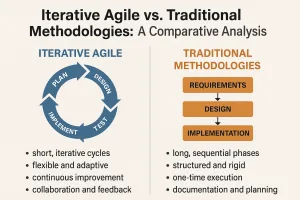
- Adapt and Iterate: Embrace an agile mindset, allowing for flexibility and adjustments as new insights and challenges arise during the transformation journey.
- Foster a Culture of Innovation: Encourage teams to experiment and learn from failures, creating an environment where innovation can thrive.
As project managers and team leaders embark on the digital transformation journey, understanding its significance, the role of effective project management, and the complexities involved will be crucial for leading successful initiatives. By navigating the digital transformation maze with best practices in project management, organizations can unlock new opportunities and drive sustainable growth in an increasingly digital world.
Understanding the Challenges of Digital Transformation
Digital transformation is a critical initiative for organizations aiming to enhance their operational efficiency and customer engagement. However, project managers often encounter several challenges that can hinder the success of these initiatives. Here are some of the most common obstacles faced during digital transformation projects:
- Resistance to Change: One of the most significant challenges in digital transformation is the resistance to change within organizations. Employees may be accustomed to traditional processes and hesitant to adopt new technologies or workflows. This resistance can stem from fear of the unknown, concerns about job security, or a lack of understanding of the benefits of digital transformation. Project managers must proactively address these concerns by fostering a culture of openness and encouraging a mindset that embraces change.
- Complexity of Integrating New Technologies: The integration of new technologies into existing systems can be a daunting task. Organizations often have legacy systems that may not easily interface with modern solutions, leading to potential disruptions in operations. Project managers need to carefully plan the integration process, ensuring that all technological components work seamlessly together. This may involve extensive testing, phased rollouts, and contingency planning to mitigate risks associated with technology adoption.
- Skills Gap and Upskilling Teams: As organizations adopt new digital tools and platforms, there is often a skills gap that needs to be addressed. Many employees may lack the necessary skills to effectively use new technologies, which can impede the progress of digital transformation initiatives. Project managers should prioritize upskilling their teams through training programs, workshops, and continuous learning opportunities. This investment in employee development not only enhances the team’s capabilities but also boosts morale and engagement.
- Importance of Stakeholder Engagement and Communication: Effective stakeholder engagement is crucial for the success of digital transformation projects. Project managers must ensure that all stakeholders, including executives, team members, and end-users, are aligned with the project’s goals and objectives. Clear and consistent communication is essential to keep everyone informed about progress, challenges, and changes. By actively involving stakeholders in the decision-making process and soliciting their feedback, project managers can foster a sense of ownership and commitment to the transformation efforts.
Navigating the digital transformation maze requires project managers to be aware of and address these common challenges. By fostering a culture of change, planning for technology integration, investing in team skills, and engaging stakeholders effectively, project managers can lead successful digital transformation initiatives that drive organizational growth and innovation.
Best Practices for Leading Digital Transformation Projects
Digital transformation is a complex journey that requires careful planning and execution. Project managers play a crucial role in steering these initiatives toward success. Here are some actionable strategies that can help project managers effectively lead digital transformation projects:
- Establish a Clear Vision and Objectives:
A well-defined vision is essential for guiding the transformation process. Project managers should articulate the goals of the digital transformation clearly, ensuring that all team members understand the desired outcomes. This vision should align with the organization’s overall strategy and be communicated consistently to maintain focus and motivation throughout the project. - Utilize Agile Methodologies:
The dynamic nature of digital transformation necessitates flexibility and adaptability. Implementing Agile methodologies allows project teams to respond quickly to changes and feedback. By breaking the project into smaller, manageable increments, teams can continuously assess progress and make necessary adjustments, fostering a culture of innovation and responsiveness. - Engage Stakeholders Early and Often:
Successful digital transformation relies heavily on stakeholder buy-in. Project managers should identify key stakeholders early in the process and involve them in discussions and decision-making. Regular updates and feedback sessions can help build trust and ensure that stakeholders feel valued and invested in the transformation journey. This engagement is crucial for overcoming resistance and securing the necessary support for the initiative. - Create a Robust Change Management Plan:
Resistance to change is a common challenge in digital transformation projects. A comprehensive change management plan can help address this issue by outlining strategies for communication, training, and support. Project managers should anticipate potential challenges and develop proactive measures to mitigate resistance. This includes providing resources for training and development, as well as creating channels for feedback and support to help team members adapt to new processes and technologies.
By implementing these best practices, project managers can navigate the complexities of digital transformation and lead their teams toward successful outcomes. Emphasizing clear communication, flexibility, stakeholder engagement, and effective change management will not only enhance the likelihood of project success but also foster a culture of continuous improvement within the organization.
Leveraging Technology for Project Success
Project managers play a pivotal role in steering initiatives that not only enhance operational efficiency but also foster innovation. To successfully navigate this complex environment, leveraging the right tools and technologies is essential. Here are some key areas where technology can significantly enhance project management during digital transformation initiatives:
1. Project Management Software
Utilizing robust project management software is crucial for enhancing collaboration and tracking progress. These tools provide a centralized platform where team members can communicate, share documents, and update task statuses in real-time. Some popular project management software options include:
- Asana: Known for its user-friendly interface, Asana allows teams to create tasks, set deadlines, and track project milestones effectively.
- Trello: This tool uses a card-based system to help teams visualize their workflow, making it easier to manage tasks and prioritize work.
- Microsoft Project: A more traditional option, Microsoft Project offers advanced features for scheduling, resource allocation, and budget management, making it suitable for larger projects.
By implementing these tools, project managers can ensure that all team members are aligned and that project timelines are adhered to, ultimately leading to more successful outcomes.
2. Data Analytics Tools
Informed decision-making is a cornerstone of effective project management, and data analytics tools can provide valuable insights that drive strategic choices. These tools enable project managers to analyze performance metrics, track progress against KPIs, and identify potential risks before they escalate. Some notable data analytics tools include:
- Tableau: This powerful visualization tool helps project managers create interactive dashboards that present data in an easily digestible format, facilitating better understanding and communication of project status.
- Google Analytics: While primarily used for web analytics, it can also provide insights into user behavior and engagement, which can be crucial for projects focused on digital products or services.
- Power BI: Microsoft’s analytics service allows project managers to visualize data and share insights across the organization, enhancing collaboration and informed decision-making.
By harnessing the power of data analytics, project managers can make evidence-based decisions that align with project goals and stakeholder expectations.
3. Cloud Technology
The rise of remote work has underscored the importance of cloud technology in facilitating communication and collaboration among project teams. Cloud-based solutions offer flexibility and accessibility, allowing team members to work from anywhere while maintaining connectivity. Key benefits of cloud technology include:
- Real-time Collaboration: Tools like Google Workspace and Microsoft 365 enable teams to collaborate on documents and projects in real-time, reducing delays and improving productivity.
- Scalability: Cloud solutions can easily scale to accommodate project needs, whether it’s adding new users or increasing storage capacity, making them ideal for dynamic project environments.
- Cost Efficiency: By reducing the need for on-premises infrastructure, cloud technology can lower operational costs, allowing project managers to allocate resources more effectively.
Incorporating cloud technology into project management practices not only enhances communication but also supports a more agile and responsive project environment.
As project managers lead digital transformation initiatives, leveraging technology is essential for success. By utilizing project management software, data analytics tools, and cloud technology, they can enhance collaboration, make informed decisions, and facilitate effective communication. Embracing these technologies will empower project managers to navigate the complexities of digital transformation and drive their projects to successful completion.
Measuring Success in Digital Transformation Projects
Project managers play a pivotal role in steering initiatives toward success. To effectively gauge the success of these projects, it is essential to establish clear metrics and key performance indicators (KPIs). Here are some best practices for measuring success in digital transformation initiatives:
Key Performance Indicators (KPIs) Relevant to Digital Transformation
- Customer Experience Metrics:
- Net Promoter Score (NPS): Measures customer loyalty and satisfaction, providing insights into how digital initiatives impact customer perceptions.
- Customer Satisfaction Score (CSAT): Directly assesses customer satisfaction with specific services or products post-transformation.
- Operational Efficiency:
- Process Cycle Time: Evaluates the time taken to complete key processes before and after digital transformation, indicating improvements in efficiency.
- Cost Savings: Tracks reductions in operational costs as a result of automation and improved processes.
- Employee Engagement and Productivity:
- Employee Satisfaction Index: Measures how digital tools and processes affect employee morale and engagement.
- Productivity Metrics: Assesses output per employee or team, helping to determine if digital tools enhance productivity.
- Financial Performance:
- Return on Investment (ROI): Calculates the financial return on digital transformation investments, comparing costs against benefits gained.
- Revenue Growth: Monitors changes in revenue attributable to new digital products or services.
Importance of Continuous Feedback Loops
Continuous feedback loops are crucial in digital transformation projects. They allow project managers to:
- Adapt Quickly: By regularly collecting feedback from stakeholders, project managers can identify issues early and make necessary adjustments to strategies and processes.
- Enhance Collaboration: Engaging team members and stakeholders in feedback sessions fosters a culture of collaboration and innovation, ensuring that everyone is aligned with the project goals.
- Measure Progress: Ongoing feedback helps in tracking progress against KPIs, allowing for real-time adjustments to keep the project on track.
Evaluating Project Outcomes Against Initial Goals
To effectively evaluate project outcomes, project managers should consider the following methods:
- Benchmarking:
- Compare current performance metrics against industry standards or previous project outcomes to assess relative success.
- Post-Implementation Reviews:
- Conduct thorough reviews after project completion to analyze what worked, what didn’t, and why. This should include a review of KPIs and stakeholder feedback.
- Goal Alignment Checks:
- Regularly revisit the initial goals set at the project’s inception. Assess whether the outcomes align with these goals and identify any discrepancies.
- Surveys and Interviews:
- Utilize surveys and interviews with stakeholders to gather qualitative data on the perceived success of the transformation efforts, providing insights that quantitative metrics may not capture.
By focusing on these metrics and practices, project managers can effectively navigate the complexities of digital transformation, ensuring that initiatives not only meet their objectives but also deliver lasting value to the organization.
Conclusion: The Future of Project Management in Digital Transformation
As organizations increasingly embrace digital transformation, the role of project management becomes more critical than ever. Successful digital transformation initiatives hinge on effective project management practices that ensure alignment with strategic goals and stakeholder expectations. Here are some key takeaways for project managers navigating this complex environment:
- Importance of Project Management: Project management serves as the backbone of digital transformation efforts. It provides the structure and discipline necessary to manage resources, timelines, and risks effectively. By employing robust project management methodologies, teams can better navigate the uncertainties and challenges that come with implementing new technologies and processes. This structured approach not only enhances the likelihood of project success but also ensures that digital initiatives deliver tangible business value.
- Ongoing Learning and Adaptation: The digital environment is constantly evolving, and project managers must commit to continuous learning and adaptation. This involves staying updated on the latest digital tools, methodologies, and industry trends. Embracing agile project management practices can facilitate quicker responses to changes and foster a culture of innovation within teams. By encouraging team members to pursue professional development opportunities, project managers can cultivate a more skilled and adaptable workforce, ready to tackle the challenges of digital transformation.
- Evolving Role of Project Managers: In a digital-first world, the role of project managers is evolving beyond traditional boundaries. They are now expected to be strategic leaders who not only manage projects but also drive change and foster collaboration across departments. This requires a shift in mindset, where project managers act as facilitators of innovation, guiding teams through the complexities of digital initiatives. By leveraging data analytics and digital tools, project managers can make informed decisions that enhance project outcomes and align with broader organizational goals.
As project managers lead their teams through the maze of digital transformation, they must embrace the evolving nature of their roles and the importance of effective project management. By prioritizing ongoing learning and adapting to new challenges, they can ensure that their organizations not only survive but thrive in the digital age. Embracing these best practices will empower project managers to lead successful digital transformation initiatives, ultimately driving their organizations toward a more innovative and competitive future.
Find out more about Shaun Stoltz https://www.shaunstoltz.com/about/.
This post was written by an AI and reviewed/edited by a human.