The landscape of auditing has undergone a significant transformation in recent years, particularly with the rise of remote auditing and auditor jobs becoming available remotely. This shift has been accelerated by various factors, including technological advancements and the global impact of the COVID-19 pandemic, which necessitated a move away from traditional in-person audits. As organizations adapt to this new normal, internal auditors are increasingly tasked with conducting audits remotely, which presents a unique set of challenges.
One of the most critical aspects of internal audits is effective communication. In a remote setting, the ability to convey information clearly and maintain open lines of dialogue becomes paramount. Communication is not just about exchanging information; it is about building trust and ensuring that all parties are aligned on objectives and expectations. However, remote audits often face communication barriers that can hinder the audit process, such as misunderstandings, lack of non-verbal cues, and difficulties in establishing rapport with auditees.
This blog section will delve into the common communication issues encountered in remote audits and explore practical solutions to overcome these barriers. By identifying these challenges and implementing effective strategies, internal auditors can enhance their communication efforts, ultimately leading to more successful audit outcomes. Understanding and addressing these communication barriers is essential for audit teams to navigate the complexities of remote auditing effectively.
Understanding Remote Auditing
Remote auditing has emerged as a significant practice within the internal audit profession, especially in response to the evolving work environment shaped by technological advancements and global events. This section aims to provide a foundational understanding of remote auditing, its definition, the trends contributing to the rise of remote auditor jobs, and the advantages it offers to organizations.
Definition and Scope of Remote Auditing
Remote auditing refers to the process of conducting audits without the need for physical presence at the auditee’s location. This approach leverages technology to facilitate communication, data collection, and analysis, allowing auditors to perform their duties from various locations. The scope of remote auditing encompasses:
- Virtual Interactions: Utilizing video conferencing tools for interviews and discussions, which helps maintain engagement and clarity despite the lack of face-to-face interaction [2][3].
- Document Review: Auditors can access and review documents electronically, which can streamline the process and enhance efficiency.
- Data Security: Ensuring that sensitive information is handled securely through robust digital communication channels [12].
Trends Leading to the Increase in Remote Auditor Jobs
Several trends have contributed to the growing demand for remote auditor positions:
- Technological Advancements: The rise of digital tools and platforms has made it easier for auditors to conduct their work remotely, leading to a shift in how audits are performed [12].
- Globalization: As organizations expand their operations internationally, the need for auditors who can work across different locations without the constraints of travel has increased [10].
- Pandemic Impact: The COVID-19 pandemic accelerated the adoption of remote work practices, including in the auditing field, prompting organizations to seek auditors who can adapt to this new normal [1].
Advantages and Benefits of Remote Auditing for Organizations
Considering auditor jobs remote, remote auditing offers numerous benefits that can enhance the efficiency and effectiveness of the audit process:
- Cost Savings: Organizations can reduce travel expenses and associated costs by utilizing remote auditing methods [10].
- Increased Flexibility: Auditors can work from various locations, allowing for a more adaptable approach to scheduling and resource allocation [6].
- Access to a Broader Talent Pool: Remote auditing enables organizations to hire auditors from diverse geographical locations, enhancing the skill set and perspectives within audit teams [8].
- Enhanced Collaboration: With the right technology, remote audits can foster better collaboration among team members and stakeholders, leading to improved audit outcomes [12].
Understanding remote auditing is crucial for internal auditors and audit teams as they navigate the challenges and opportunities presented by this evolving landscape. By recognizing the definition, trends, and benefits associated with remote auditing, professionals can better prepare for the future of their roles in the internal audit profession.
Common Communication Barriers in Remote Audits
Referring to auditor jobs remote, remote auditing has become increasingly prevalent, especially in the wake of technological advancements and the need for flexibility in audit processes. However, this shift brings with it a unique set of communication challenges that can hinder the effectiveness of audits. Here are some of the most common barriers faced by internal auditors and audit teams during remote audits, along with potential solutions to overcome them.
1. Technological Challenges
Remote audits heavily rely on technology, which can sometimes lead to issues such as software malfunctions or connectivity problems. These challenges can disrupt the flow of communication and delay the audit process. To mitigate these issues, auditors should:
- Ensure that all participants are familiar with the technology being used.
- Conduct pre-audit tests of software and internet connections to identify potential problems.
- Have backup communication methods in place, such as phone calls or alternative video conferencing tools, to maintain communication if primary systems fail [1][11].
2. Time Zone Differences
When audit teams and clients are located in different time zones, scheduling real-time communication can become complicated. This can lead to delays in responses and hinder collaborative efforts. To address this barrier, auditors can:
- Establish a clear communication schedule that accommodates all parties involved.
- Utilize asynchronous communication tools, such as email or project management software, to facilitate ongoing dialogue without the need for simultaneous participation [7][8].
3. Lack of Non-Verbal Cues
Looking at auditor jobs remote, in a remote setting, auditors miss out on non-verbal cues such as body language and facial expressions, which can lead to misunderstandings. This absence can make it difficult to gauge the reactions of clients during discussions. To counteract this issue, auditors should:
- Encourage the use of video conferencing to allow for visual interaction, which can help in interpreting non-verbal signals.
- Be mindful of the limitations of remote communication and clarify any ambiguous statements to ensure mutual understanding [6].
4. Cultural Differences
Cultural differences can significantly impact communication styles and expectations during remote audits. Variations in communication norms may lead to misinterpretations or discomfort. To navigate these challenges, auditors can:
- Invest time in understanding the cultural backgrounds of the clients they are working with.
- Foster an inclusive environment by encouraging open dialogue about communication preferences and styles [1][10].
5. Information Overload and Miscommunication
The digital nature of remote audits can lead to information overload, where auditors and clients may struggle to keep track of communications across various platforms. This can result in miscommunication and confusion. To alleviate this issue, auditors should:
- Establish clear communication protocols that outline how and when information will be shared.
- Use concise and straightforward language to minimize misunderstandings, avoiding jargon and overly complex terminology [11].
By recognizing these common communication barriers and implementing effective strategies to overcome them, internal auditors can enhance the efficiency and effectiveness of remote audits, ensuring that they maintain the integrity and quality of their work in a virtual environment.
Strategies to Overcome Communication Barriers
Looking back at auditor jobs remote, in the realm of remote auditing, effective communication is paramount for ensuring successful outcomes. Internal auditors and audit teams often face unique challenges when working remotely, but there are several strategies that can be employed to mitigate these issues. Here are practical solutions to address common communication barriers in remote audits:
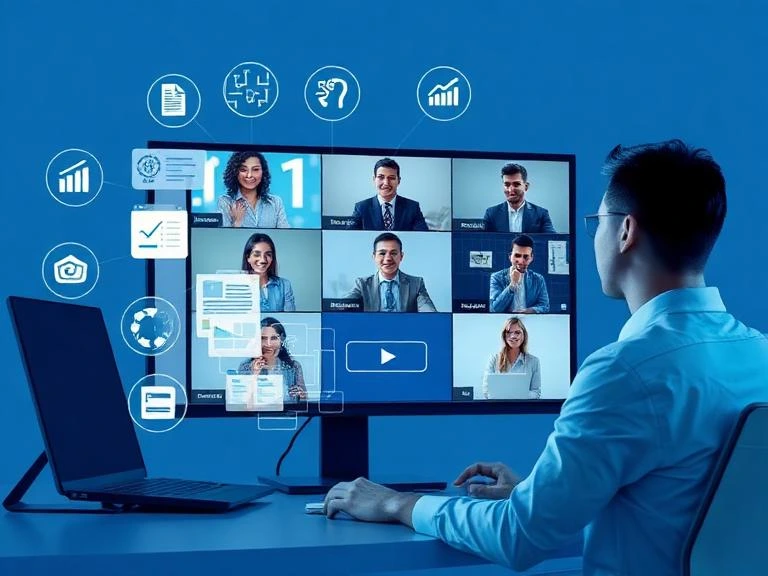
- Utilizing Effective Communication Tools and Platforms: The use of video conferencing and collaboration platforms is essential for facilitating interaction between auditors and auditees. Tools such as Zoom, Microsoft Teams, or Slack can help maintain a connection and ensure that all parties are engaged throughout the audit process. These platforms allow for real-time discussions, which can significantly enhance clarity and understanding [12][13].
- Establishing Clear Communication Protocols and Guidelines: It is crucial to define communication protocols at the outset of the audit. This includes specifying how information will be shared, the preferred channels for communication, and the frequency of updates. Clear guidelines help to avoid misunderstandings and ensure that everyone is on the same page, which is particularly important in a remote setting [1].
- Scheduling Regular Check-Ins and Updates: Regularly scheduled check-ins can help keep all stakeholders informed and engaged. These meetings provide an opportunity to discuss progress, address any concerns, and adjust plans as necessary. Establishing a routine for updates fosters accountability and ensures that communication remains consistent throughout the audit process.
- Encouraging Open Dialogue and Feedback Mechanisms: Creating an environment where team members feel comfortable sharing their thoughts and feedback is vital. Encouraging open dialogue can help identify potential issues early on and facilitate collaborative problem-solving. This approach not only enhances communication but also builds trust among team members [8][15].
- Leveraging Visual Aids and Collaborative Documents to Enhance Understanding: Utilizing visual aids such as charts, graphs, and collaborative documents can significantly improve comprehension. These tools help to present complex information in a more digestible format, making it easier for all parties to understand key points and findings. Collaborative documents, such as Google Docs, allow for real-time editing and feedback, further enhancing communication and collaboration [3][12].
By implementing these strategies, internal auditors and audit teams can effectively navigate the communication challenges associated with remote audits. Clear communication not only fosters trust and understanding but also leads to more accurate and impactful audit outcomes.
Best Practices for Remote Audit Teams
Considering auditor jobs remote, in the evolving landscape of internal auditing, remote audits have become a necessity rather than an option. However, they come with their own set of challenges, particularly in communication. Here are some best practices that can help audit teams enhance communication and collaboration in remote settings:
- Developing a Strong Team Culture: Building a cohesive team culture is essential, even when working remotely. Leadership should champion collaboration and create open communication channels between departments and internal audit teams. This fosters a sense of belonging and encourages team members to engage actively, which is crucial for maintaining morale and productivity during remote audits [3][14].
- Training on Communication Tools and Techniques: To effectively navigate remote audits, audit teams should receive training on various communication tools and techniques. Familiarity with video conferencing platforms, collaborative software, and project management tools can significantly enhance the quality of interactions. This training ensures that all team members are equipped to use these tools effectively, leading to smoother communication and fewer misunderstandings [7][9].
- Implementing a Structured Approach to Documentation and Information Sharing: A well-organized system for documentation and information sharing is vital for remote audits. Establishing clear protocols for how documents are shared, reviewed, and stored can prevent confusion and ensure that all team members have access to the necessary information. This structured approach not only streamlines the audit process but also enhances accountability among team members [4].
- Fostering Relationships with Clients and Stakeholders through Virtual Means: Maintaining strong relationships with clients and stakeholders is crucial, even in a virtual environment. Regular check-ins, virtual meetings, and updates can help build trust and rapport. Utilizing video conferencing tools can create a more personal connection compared to audio-only calls, making interactions more engaging and effective [6][7].
- Regularly Reviewing and Refining Communication Strategies: Continuous improvement is key to effective communication in remote audits. Audit teams should regularly review their communication strategies to identify areas for enhancement. This could involve soliciting feedback from team members and clients, analyzing what works well, and making necessary adjustments to improve overall communication effectiveness [10][11].
By implementing these best practices, internal audit teams can overcome common communication barriers associated with remote audits, ensuring that they maintain high standards of audit quality and collaboration.
Conclusion
Focusing on auditor jobs remote, in the realm of remote auditing, effective communication is paramount for ensuring the success of audit processes. Throughout this discussion, we have identified several common communication challenges that auditors face, including:
- Communication Barriers: Remote audits often lead to misunderstandings and misinterpretations due to the lack of face-to-face interaction. This can hinder the clarity of information exchanged between auditors and auditees [13].
- Data Security Concerns: Ensuring secure communication channels is critical, as sensitive financial data is often shared during audits. Auditors must be vigilant about cybersecurity risks that can arise in a remote setting [11].
- Technological Hurdles: The reliance on technology can sometimes lead to issues such as connectivity problems or inadequate tools for effective communication.
To address these challenges, we have explored several solutions, including:
- Enhancing Data Security: Implementing robust cybersecurity measures to protect sensitive information during remote audits [11].
- Improving Communication: Establishing clear communication protocols and ensuring regular updates can help maintain transparency and clarity throughout the audit process [14].
- Leveraging Technology: Utilizing advanced communication tools and platforms can facilitate better interaction and collaboration among audit teams and clients [10].
The importance of continuous improvement in communication practices cannot be overstated. As the auditing profession evolves, auditors must remain adaptable and proactive in refining their communication strategies. This commitment to improvement will not only enhance the quality of remote audits but also foster stronger relationships with clients.
In conclusion, we encourage all auditors and audit teams to adopt the strategies discussed in this section. By overcoming communication barriers, auditors can ensure more effective remote auditing, ultimately leading to successful outcomes and greater trust in the audit process. Embracing these practices will position auditors to thrive in an increasingly digital landscape, where effective communication is the cornerstone of successful audits.
Call to Action
As we navigate the evolving landscape of remote auditing, communication barriers remain a significant challenge for internal auditors and audit teams. We invite you to share your experiences—what communication challenges have you faced during remote audits? Have you discovered effective solutions that have improved your audit processes? Your insights could be invaluable to others in the field.
We also encourage you to subscribe to our blog for more insights and updates on internal audit practices. By staying connected, you can access the latest strategies, tools, and best practices that can enhance your remote auditing experience.
Additionally, we would love to foster a discussion on best practices in the comments section below. What techniques have you found most effective in overcoming communication hurdles? Let’s collaborate and learn from each other to ensure that our remote audits are as effective and efficient as possible. Your contributions can help shape a community of informed and skilled auditors ready to tackle the challenges of remote work.
Find out more about Shaun Stoltz https://www.shaunstoltz.com/about/
This post was written by an AI and reviewed/edited by a human.