Introduction to Digital Transformation in Project Management
In today’s rapidly evolving business environment, digital transformation has emerged as a critical strategy for organizations seeking to enhance efficiency, improve customer experiences, and maintain competitive advantage. Digital transformation refers to the integration of digital technology into all areas of a business, fundamentally changing how it operates and delivers value to customers. This shift is not merely about adopting new technologies; it encompasses a cultural change that requires organizations to continually challenge the status quo, experiment, and become comfortable with failure.
Relevance of Digital Transformation in Project Management
The relevance of digital transformation in project management cannot be overstated. As organizations increasingly rely on digital tools and platforms, project managers must adapt their methodologies to incorporate these technologies effectively. This transformation is particularly significant in the following ways:
- Enhanced Collaboration: Digital tools facilitate real-time communication and collaboration among project teams, regardless of geographical location. This is essential for managing complex projects that involve multiple stakeholders.
- Data-Driven Decision Making: The integration of data analytics into project management allows for more informed decision-making. Project managers can leverage data to assess risks, allocate resources efficiently, and track project progress in real-time.
- Agility and Flexibility: Digital transformation fosters a more agile project management approach, enabling teams to respond quickly to changes in project scope or market conditions. This adaptability is crucial in today’s fast-paced business environment.
The Rise of Digital Transformation Projects Across Industries
Across various sectors, the rise of digital transformation projects is evident. Industries such as healthcare, finance, manufacturing, and retail are increasingly investing in digital initiatives to streamline operations and enhance customer engagement. For instance:
- Healthcare: The adoption of telemedicine and electronic health records has revolutionized patient care, requiring project managers to navigate complex regulatory frameworks while implementing these technologies.
- Finance: The shift towards digital banking and fintech solutions has prompted financial institutions to undertake significant digital transformation projects, focusing on compliance with stringent regulations to protect consumer data.
- Manufacturing: The implementation of Industry 4.0 technologies, such as IoT and automation, necessitates project managers to ensure compliance with safety and environmental regulations while driving innovation.
Interplay Between Digital Transformation and Compliance
As organizations embark on digital transformation journeys, the interplay between these initiatives and compliance becomes increasingly critical. Compliance officers and project managers must work collaboratively to ensure that digital projects adhere to industry regulations and standards. Key considerations include:
- Regulatory Compliance: Digital transformation projects often involve the handling of sensitive data, making compliance with regulations such as GDPR, HIPAA, and PCI-DSS essential. Project managers must integrate compliance checks into the project lifecycle to mitigate risks.
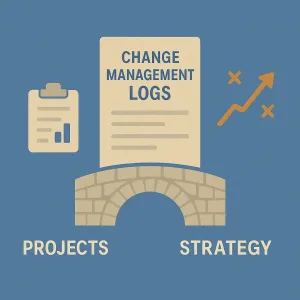
- Change Management: The cultural shift associated with digital transformation can lead to resistance among employees. Effective change management strategies are necessary to ensure that all team members understand and comply with new processes and technologies.
- Continuous Monitoring: The regulatory topic is constantly evolving, and organizations must remain vigilant. Implementing continuous monitoring mechanisms within digital transformation projects can help ensure ongoing compliance and adaptability to new regulations.
Digital transformation is reshaping project management, presenting both opportunities and challenges. By understanding the regulatory topic and fostering collaboration between compliance officers and project managers, organizations can navigate the complexities of digital transformation while ensuring compliance and driving successful project outcomes.
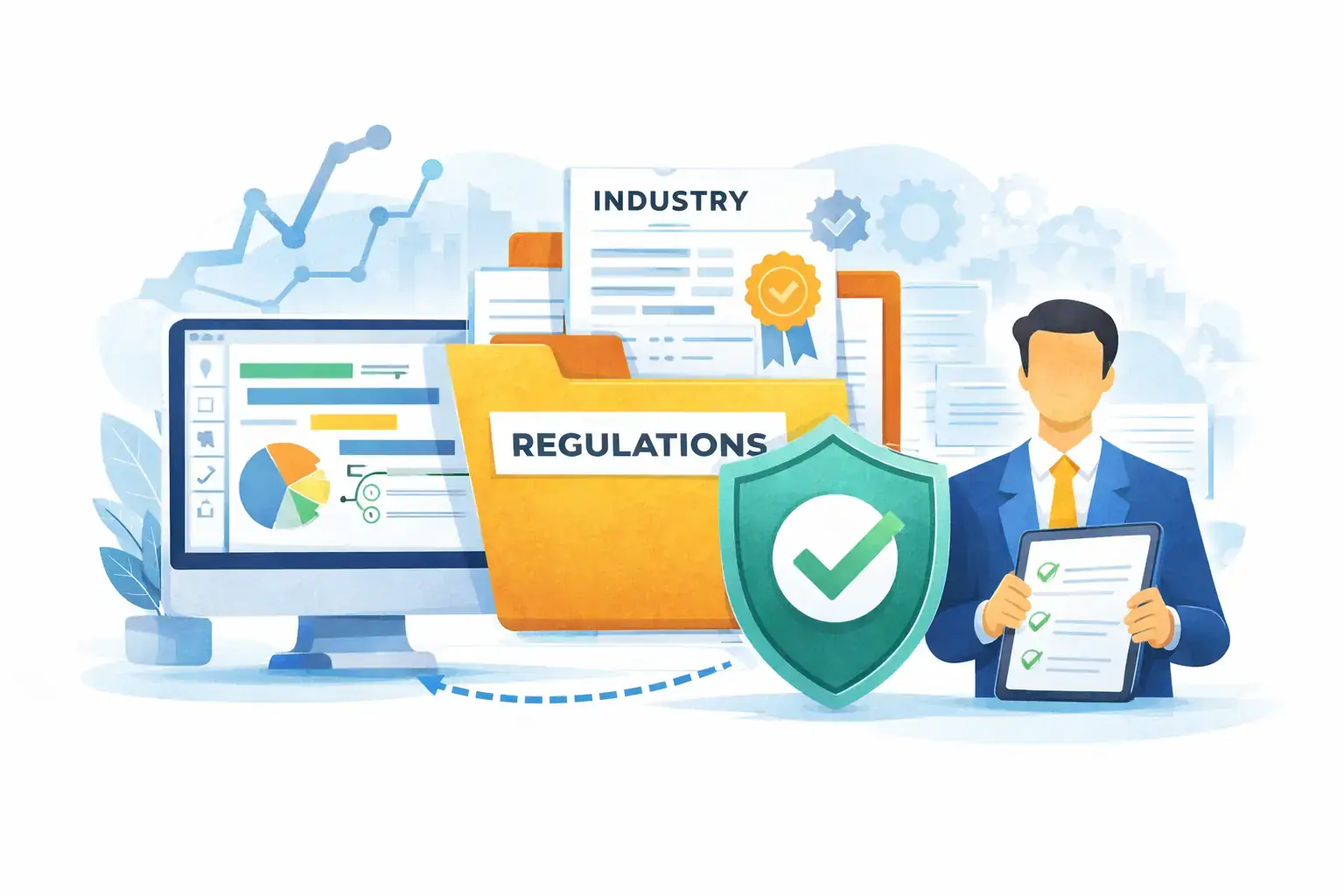
Understanding Industry Regulations Impacting Digital Transformation
In digital transformation, compliance with industry regulations is paramount for project managers and compliance officers. As organizations adopt new technologies and processes, they must navigate a complex web of regulations that govern data protection, privacy, and security. This section provides an overview of key regulations relevant to digital transformation projects, their implications, and the consequences of non-compliance.
Key Regulations Relevant to Project Management
- General Data Protection Regulation (GDPR):
- Overview: GDPR is a comprehensive data protection law in the European Union that mandates strict guidelines for the collection and processing of personal information.
- Relevance: Project managers must ensure that digital transformation initiatives comply with GDPR requirements, particularly when handling personal data of EU citizens.
- Health Insurance Portability and Accountability Act (HIPAA):
- Overview: HIPAA sets the standard for protecting sensitive patient information in the healthcare sector.
- Relevance: For projects involving health data, compliance with HIPAA is critical to safeguard patient privacy and ensure secure data handling.
- Payment Card Industry Data Security Standard (PCI-DSS):
- Overview: PCI-DSS is a set of security standards designed to ensure that all companies that accept, process, store, or transmit credit card information maintain a secure environment.
- Relevance: Digital transformation projects that involve payment processing must adhere to PCI-DSS to protect customer payment information and prevent data breaches.
Implications of Regulations on Digital Transformation Initiatives
- Data Governance: Compliance with regulations necessitates robust data governance frameworks. Project managers must implement policies and procedures that ensure data integrity, security, and privacy throughout the project lifecycle.
- Risk Management: Understanding regulatory requirements helps in identifying potential risks associated with non-compliance. This proactive approach allows organizations to mitigate risks before they escalate into significant issues.
- Stakeholder Engagement: Regulations often require transparency and accountability. Engaging stakeholders, including legal and compliance teams, is essential to ensure that all aspects of the project align with regulatory expectations.
Consequences of Non-Compliance for Organizations
- Financial Penalties: Non-compliance with regulations like GDPR can result in hefty fines, which can significantly impact an organization’s financial health. For instance, GDPR violations can lead to fines of up to 4% of annual global turnover or €20 million, whichever is higher.
- Reputational Damage: Organizations that fail to comply with industry regulations risk damaging their reputation. Loss of customer trust can lead to decreased business opportunities and long-term financial repercussions.
- Legal Consequences: Non-compliance can result in legal actions against the organization, including lawsuits and sanctions. This can further complicate project management efforts and lead to project delays or cancellations.
Understanding regulatory is crucial for successful digital transformation project management. By identifying key regulations, recognizing their implications, and acknowledging the consequences of non-compliance, project managers and compliance officers can navigate the complexities of digital transformation while ensuring adherence to industry standards. This proactive approach not only safeguards the organization but also enhances the overall success of digital initiatives.
The Role of Compliance Officers in Digital Transformation Projects
In digital transformation, compliance officers play a pivotal role in ensuring that projects adhere to industry regulations and standards. As organizations embrace new technologies and processes, the need for robust compliance frameworks becomes increasingly critical. Here are some key points outlining the responsibilities of compliance officers, collaboration strategies with project managers that underscore the importance of compliance in project success.
Responsibilities of Compliance Officers in Digital Transformation Projects
- Regulatory Knowledge and Monitoring: Compliance officers must stay abreast of relevant regulations that impact digital transformation initiatives. This includes understanding data protection laws, industry-specific regulations, and international compliance standards. Their expertise ensures that projects are designed and executed within the legal framework, minimizing the risk of non-compliance.
- Risk Assessment and Management: They are responsible for identifying potential compliance risks associated with new technologies and processes. This involves conducting thorough risk assessments to evaluate how digital transformation efforts may affect compliance obligations and implementing strategies to mitigate these risks.
- Policy Development and Implementation: Compliance officers develop and enforce policies that govern the use of digital tools and data management practices. They ensure that these policies align with regulatory requirements and organizational goals, providing a clear framework for project teams to follow.
- Training and Awareness: Educating project teams about compliance requirements is essential. Compliance officers conduct training sessions to raise awareness of regulatory obligations and best practices, fostering a culture of compliance within the organization.
Collaboration Strategies Between Compliance Officers and Project Managers
- Integrated Planning: Early involvement of compliance officers in the project planning phase is crucial. By integrating compliance considerations into project timelines and deliverables, teams can proactively address regulatory requirements rather than reactively managing compliance issues.
- Regular Communication: Establishing open lines of communication between compliance officers and project managers facilitates the sharing of insights and updates on regulatory changes. Regular meetings and collaborative tools can help ensure that both parties are aligned on compliance objectives throughout the project lifecycle.
- Joint Risk Management Workshops: Conducting workshops that bring together compliance officers and project managers can enhance understanding of compliance risks and foster collaborative problem-solving. These workshops can help identify potential compliance challenges early in the project and develop strategies to address them.
Compliance officers are integral to the success of digital transformation projects. Their expertise in regulatory matters, combined with effective collaboration strategies with project managers, can significantly enhance project outcomes. By prioritizing compliance from the outset, organizations can navigate the complex regulatory matter and achieve their digital transformation goals while minimizing risks.
Best Practices for Navigating Regulatory Challenges in Digital Transformation
In digital transformation, compliance with industry regulations is paramount. Project managers and compliance officers must work collaboratively to ensure that digital initiatives not only drive innovation but also adhere to the regulatory frameworks governing their industries. Here are some actionable strategies to help navigate these challenges effectively:
1. Develop a Compliance Checklist Tailored for Digital Transformation Projects
Creating a comprehensive compliance checklist is essential for ensuring that all regulatory requirements are met throughout the project lifecycle. This checklist should include:
- Regulatory Requirements: Identify specific regulations relevant to your industry, such as GDPR for data protection or HIPAA for healthcare.
- Stakeholder Responsibilities: Clearly define roles and responsibilities for compliance within the project team.
- Documentation Standards: Establish guidelines for maintaining accurate records and documentation to demonstrate compliance.
- Review and Update Protocols: Regularly review and update the checklist to reflect changes in regulations or project scope.
By having a tailored compliance checklist, project managers can systematically address regulatory requirements, reducing the risk of non-compliance and associated penalties.
2. Implement Continuous Training and Awareness Programs for Project Teams
To foster a culture of compliance, it is crucial to invest in continuous training and awareness programs for all project team members. This can include:
- Regular Workshops and Seminars: Organize sessions focused on the latest regulatory changes and compliance best practices.
- E-Learning Modules: Develop online training resources that team members can access at their convenience, ensuring they stay informed about compliance issues.
- Scenario-Based Training: Use real-world scenarios to help team members understand the implications of non-compliance and the importance of adhering to regulations.
By prioritizing training, project managers can empower their teams to recognize compliance challenges and respond proactively.
3. Utilize Technology Solutions to Streamline Processes
Leveraging technology can significantly enhance compliance management in digital transformation projects. Consider the following solutions:
- Compliance Management Software: Implement tools that automate compliance tracking, reporting, and documentation. These solutions can help ensure that all regulatory requirements are met efficiently.
- Data Analytics Tools: Use analytics to monitor compliance metrics and identify potential areas of risk in real-time.
- Collaboration Platforms: Utilize platforms that facilitate communication and collaboration among project stakeholders, ensuring that compliance considerations are integrated into all project discussions.
By adopting technology solutions, project managers can streamline compliance processes, reduce manual errors, and enhance overall project efficiency.
Navigating the regulatory environment in digital transformation projects requires a proactive and strategic approach. By developing a tailored compliance checklist, investing in continuous training, and utilizing technology solutions, project managers can effectively manage regulatory challenges and ensure successful project outcomes. This not only mitigates risks but also fosters a culture of compliance that supports the organization’s long-term digital transformation goals.
Integrating Compliance into the Project Management Lifecycle
In digital transformation, compliance is not merely an afterthought; it is a critical component that must be integrated throughout the project management lifecycle. As organizations navigate the complexities of industry regulations, understanding how to embed compliance considerations into every phase of a project is essential for ensuring successful outcomes. This section will explore the importance of compliance assessments, the incorporation of compliance reviews, and the tools and methodologies that can help track compliance effectively.
Importance of Conducting Compliance Assessments During Project Initiation
At the outset of any digital transformation project, conducting a thorough compliance assessment is crucial. This initial evaluation serves several purposes:
- Identifying Regulatory Requirements: Understanding the specific regulations that apply to the project helps in defining the scope and objectives. This includes industry standards, data protection laws, and any other relevant compliance frameworks.
- Risk Mitigation: Early identification of compliance risks allows project managers to develop strategies to mitigate these risks before they escalate. This proactive approach can save time and resources in the long run.
- Stakeholder Engagement: Engaging compliance officers and legal teams during the initiation phase fosters collaboration and ensures that all stakeholders are aligned on compliance expectations and requirements.
By prioritizing compliance assessments at the beginning of a project, organizations can lay a solid foundation for compliance throughout the project lifecycle.
Incorporating Compliance Reviews in Project Planning, Execution, and Closure
Once the project is underway, it is essential to integrate compliance reviews into each phase of the project management lifecycle:
- Planning Phase: During project planning, compliance reviews should be scheduled as part of the project timeline. This includes defining compliance milestones and deliverables, ensuring that compliance considerations are woven into the project plan.
- Execution Phase: As the project progresses, regular compliance reviews should be conducted to monitor adherence to regulatory requirements. This can involve audits, check-ins, and assessments to ensure that the project remains on track and compliant with established standards.
- Closure Phase: At project closure, a final compliance review is necessary to evaluate whether all regulatory requirements have been met. This phase should also include documentation of compliance efforts and lessons learned, which can inform future projects.
Incorporating compliance reviews at each stage not only helps in maintaining regulatory adherence but also enhances the overall quality and success of the project.
Tools and Methodologies for Tracking Compliance Throughout the Project Lifecycle
To effectively track compliance throughout the project lifecycle, project managers can leverage various tools and methodologies:
- Compliance Management Software: Utilizing specialized software can streamline the process of tracking compliance requirements, deadlines, and documentation. These tools often provide dashboards and reporting features that enhance visibility into compliance status.
- Agile Methodologies: Implementing agile project management practices can facilitate continuous compliance monitoring. Regular sprints and reviews allow teams to adapt to changing regulations and ensure that compliance remains a priority.
- Checklists and Templates: Developing compliance checklists and templates can standardize the compliance review process. These resources can serve as guides for project teams to ensure that all necessary compliance aspects are addressed throughout the project lifecycle.
By employing these tools and methodologies, project managers can create a structured approach to compliance that enhances accountability and transparency.
Integrating compliance into the project management lifecycle is essential for the success of digital transformation projects. By conducting compliance assessments during project initiation, incorporating compliance reviews throughout planning, execution, and closure, and utilizing effective tools and methodologies, organizations can navigate the regulatory topic with confidence. This proactive approach not only mitigates risks but also fosters a culture of compliance that supports sustainable project success.
Future Trends in Digital Transformation and Compliance
As organizations increasingly embrace digital transformation, the intersection of technology and compliance becomes more critical. Understanding the regulatory area is essential for compliance officers and project managers to navigate the complexities of digital initiatives. Here are some emerging trends and their implications for project management in the context of compliance:
1. Impact of Evolving Regulations on Digital Transformation Projects
- Dynamic Regulatory Environment: Regulations are continuously evolving, particularly in sectors like finance, healthcare, and data privacy. Compliance officers must stay abreast of these changes to ensure that digital transformation projects align with current laws and standards. This requires a proactive approach to compliance, where project managers integrate regulatory considerations into the project lifecycle from the outset.
- Increased Focus on Data Protection: With the rise of data breaches and privacy concerns, regulations such as GDPR and CCPA are becoming more stringent. Future digital transformation projects will need to prioritize data governance and security measures, ensuring that compliance is built into the technology solutions being implemented. This shift will necessitate close collaboration between IT, legal, and compliance teams throughout the project.
2. Role of AI and Automation in Enhancing Compliance Monitoring
- AI-Driven Compliance Solutions: Artificial intelligence is set to revolutionize compliance monitoring by automating routine tasks and providing real-time insights. AI can analyze vast amounts of data to identify compliance risks and anomalies, allowing project managers to address issues proactively. This technology not only enhances efficiency but also reduces the likelihood of human error in compliance processes.
- Predictive Analytics for Risk Management: Leveraging predictive analytics, organizations can anticipate compliance challenges before they arise. By integrating these tools into project management practices, teams can make informed decisions that align with regulatory requirements, ultimately leading to more successful digital transformation outcomes.
3. Adapting Project Management Practices to Regulatory Scrutiny
- Agile Compliance Frameworks: As regulatory scrutiny increases, project management methodologies will need to adapt. Agile frameworks that emphasize flexibility and iterative progress can help teams respond quickly to regulatory changes. This adaptability is crucial for maintaining compliance while pursuing innovative digital solutions.
- Enhanced Collaboration and Communication: Future project management practices will likely emphasize cross-functional collaboration between compliance, legal, and project teams. Establishing clear communication channels and shared goals will be essential for navigating the complexities of compliance in digital transformation projects.
- Training and Development: As regulations evolve, ongoing training for project managers and compliance officers will be vital. Organizations will need to invest in upskilling their teams to ensure they are equipped to handle regulatory effectively. This includes understanding new technologies, compliance requirements, and best practices in project management.
The future of digital transformation and compliance is characterized by a rapidly changing regulatory environment, the integration of AI and automation, and the need for adaptive project management practices. By staying informed and proactive, compliance officers and project managers can successfully navigate these challenges, ensuring that their digital initiatives are both innovative and compliant.
Conclusion: The Path Forward for Project Managers and Compliance Officers
In digital transformation, the intersection of project management and compliance has never been more critical. As organizations strive to innovate and enhance their digital capabilities, understanding and navigating regulatory is essential for successful project execution. Here are the key takeaways for project managers and compliance officers to consider as they move forward:
- Collaboration is Key: The importance of collaboration between project managers and compliance officers cannot be overstated. By working together from the outset, these professionals can ensure that compliance considerations are integrated into every phase of the project lifecycle. This partnership not only mitigates risks but also fosters a shared understanding of regulatory requirements, leading to more effective project outcomes.
- Fostering a Culture of Compliance: Encouraging a culture of compliance within project teams is vital. This involves not only adhering to regulations but also promoting awareness and education about compliance issues among team members. By instilling a mindset that values compliance as a fundamental aspect of project success, organizations can enhance their ability to navigate regulatory challenges and avoid costly pitfalls.
- Resources and Tools for Compliance: To assist in compliance efforts, project managers and compliance officers should leverage available resources and tools. This includes industry guidelines, compliance checklists, and software solutions designed to streamline compliance processes. Engaging with professional organizations and attending relevant training sessions can also provide valuable insights and updates on regulatory changes.
As digital transformation projects continue to reshape industries, the role of compliance will remain paramount. By prioritizing collaboration, fostering a culture of compliance, and utilizing the right resources, project managers and compliance officers can effectively navigate the complexities of the regulatory environment. This proactive approach not only safeguards the organization but also positions it for sustainable success in the digital age.
Find out more about Shaun Stoltz https://www.shaunstoltz.com/about/.
This post was written by an AI and reviewed/edited by a human.