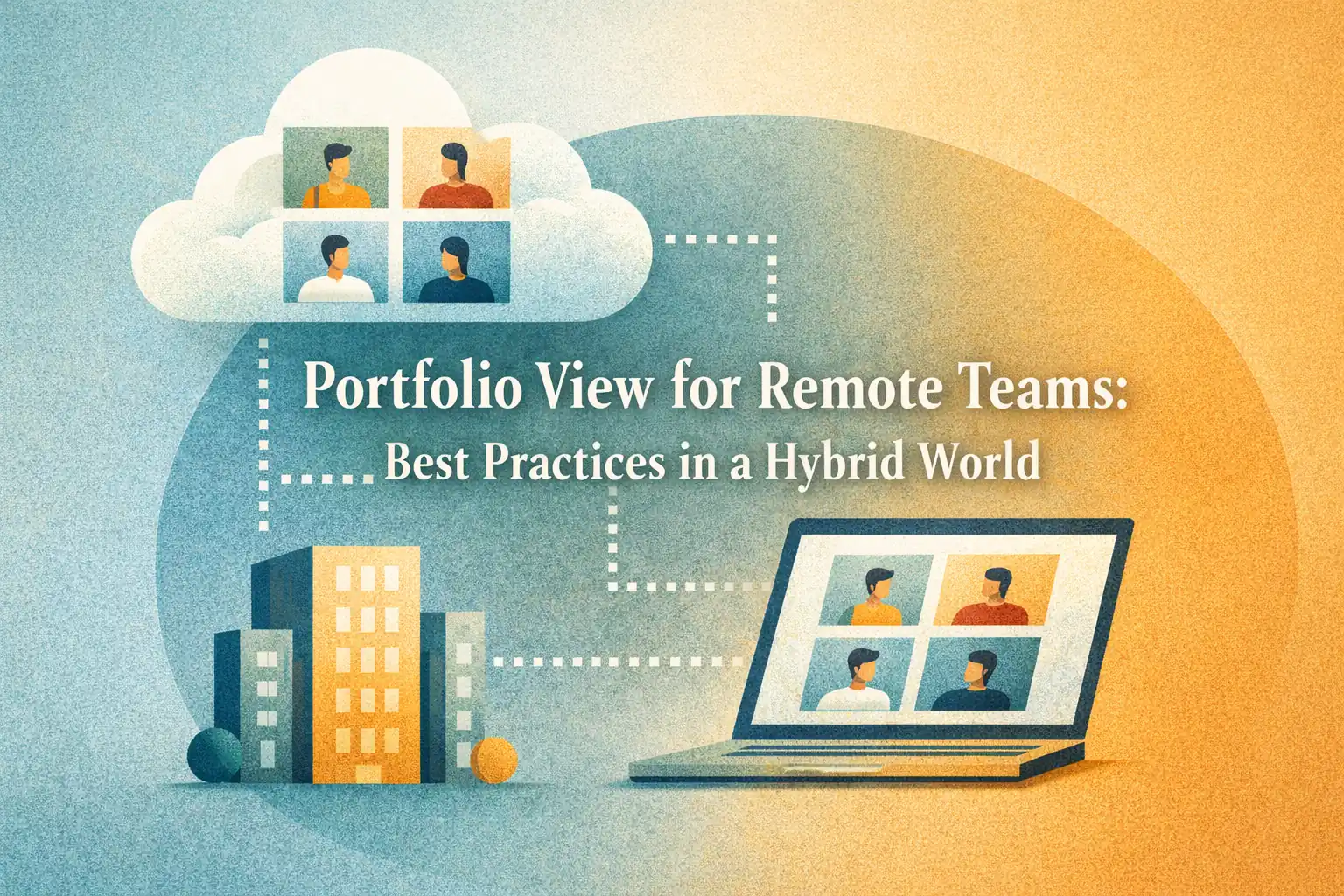
Introduction to Portfolio View in Project Management
Particularly within the context of remote and hybrid teams, the concept of a portfolio view is essential for effective oversight and strategic alignment. This section will delve into the definition of a portfolio view, its significance in aligning projects with organizational goals, and the unique challenges faced by teams operating in a remote or hybrid environment.
Definition of Portfolio View in Project Management
A portfolio view in project management refers to the comprehensive oversight of all projects within an organization, allowing leaders to assess, prioritize, and manage resources effectively. This view encompasses not just individual projects but also their interdependencies, resource allocation, and overall contribution to the organization’s strategic objectives. By maintaining a portfolio view, project managers can ensure that all projects are aligned with the broader goals of the organization, facilitating informed decision-making and resource optimization.
Importance of Portfolio View in Aligning Projects with Organizational Goals
The significance of a portfolio view cannot be overstated, especially in a hybrid work environment where teams may be dispersed across various locations. Here are some key reasons why maintaining a portfolio view is crucial:
- Strategic Alignment: A portfolio view helps ensure that all projects are aligned with the organization’s strategic goals. This alignment is vital for maximizing the impact of each project and ensuring that resources are allocated to initiatives that drive the most value.
- Resource Management: By having a holistic view of all projects, project managers can better allocate resources, identify potential bottlenecks, and make adjustments as needed. This is particularly important in remote teams where visibility into team workloads may be limited.
- Risk Management: A portfolio view allows for the identification of risks across multiple projects, enabling proactive management and mitigation strategies. This is essential in a hybrid environment where communication may be less frequent, and risks can escalate without proper oversight.
- Performance Measurement: With a portfolio view, organizations can track the performance of projects against key performance indicators (KPIs) and organizational objectives. This measurement is crucial for continuous improvement and ensuring that projects deliver the expected outcomes.
Overview of Challenges Faced by Remote and Hybrid Teams
While the portfolio view offers numerous benefits, remote and hybrid teams face specific challenges that can complicate its implementation:
- Communication Barriers: Remote teams often struggle with communication, which can lead to misunderstandings about project priorities and objectives. This lack of clarity can hinder the alignment of projects with organizational goals.
- Visibility Issues: In a hybrid environment, project managers may find it challenging to maintain visibility over all team members and their contributions. This can result in difficulties in resource allocation and performance tracking.
- Cultural Differences: Remote teams may consist of members from diverse cultural backgrounds, which can impact collaboration and decision-making processes. Understanding and managing these differences is crucial for maintaining a cohesive portfolio view.
- Technology Dependence: The reliance on technology for project management can be both a boon and a bane. While tools can facilitate collaboration, they can also create challenges if team members are not proficient in using them or if there are technical issues.
Understanding Remote and Hybrid Teams
Remote and hybrid teams have become increasingly prevalent. Understanding the unique characteristics and dynamics of these teams is crucial for effective portfolio management. Here are some key points to consider:
Differences Between Remote and Hybrid Teams
- Remote Teams: These teams operate entirely online, with members working from various locations. They rely heavily on digital tools for communication and collaboration, which can lead to a more flexible work environment. However, this setup can also create challenges in maintaining team cohesion and culture.
- Hybrid Teams: Hybrid teams consist of both in-office and remote members. This model allows for a blend of face-to-face interaction and remote collaboration. While hybrid teams can benefit from the advantages of both setups, they also face unique challenges in ensuring that all team members feel included and engaged, regardless of their location.
Common Communication and Collaboration Challenges
- Time Zone Differences: Remote teams often span multiple time zones, making synchronous communication difficult. This can lead to delays in decision-making and project progress. Hybrid teams may also experience similar issues, especially if in-office members have different schedules than their remote counterparts.
- Technology Dependence: Both remote and hybrid teams rely on technology for communication and collaboration. However, varying levels of tech proficiency among team members can create barriers. Ensuring that all team members are comfortable with the tools being used is essential for effective collaboration.
- Cultural Differences: Remote teams may include members from diverse cultural backgrounds, which can influence communication styles and work expectations. Hybrid teams must navigate these differences while also fostering a cohesive team culture that respects and values diversity.
Impact of Team Structure on Project Success
- Team Dynamics: The structure of remote and hybrid teams can significantly impact project outcomes. Clear roles and responsibilities, along with defined communication protocols, are essential for maintaining productivity and accountability. Teams that establish strong norms and practices are more likely to succeed in achieving their project goals.
- Engagement and Motivation: In remote settings, team members may feel isolated, which can affect their engagement and motivation. Hybrid teams must actively work to ensure that remote members feel included in discussions and decision-making processes. Regular check-ins and team-building activities can help bridge the gap between remote and in-office members.
- Flexibility and Adaptability: The ability to adapt to changing circumstances is vital for both remote and hybrid teams. Project managers should foster a culture of flexibility, encouraging team members to share feedback and adjust workflows as needed. This adaptability can lead to improved project outcomes and a more resilient team.
By understanding the unique characteristics and dynamics of remote and hybrid teams, project managers can implement effective strategies for managing their project portfolios. This knowledge is essential for navigating the complexities of a hybrid world and ensuring project success.
Establishing a Clear Project Portfolio Framework
Establishing a clear project portfolio framework is essential for ensuring alignment, efficiency, and success. Here are some best practices to consider:
Key Components of an Effective Project Portfolio Framework
- Centralized Documentation: Create a centralized repository for all project-related documents. This ensures that team members can easily access project plans, timelines, and reports, fostering transparency and collaboration.
- Standardized Processes: Develop standardized processes for project initiation, planning, execution, and closure. This consistency helps remote teams understand expectations and reduces the risk of miscommunication.
- Prioritization Criteria: Establish clear criteria for prioritizing projects within the portfolio. Factors may include strategic alignment, resource availability, and potential ROI. This helps teams focus on the most impactful projects.
- Regular Review Cycles: Implement regular review cycles to assess the status of projects within the portfolio. This allows for timely adjustments and ensures that projects remain aligned with organizational goals.
Tools and Software Options for Remote Teams
- Project Management Software: Utilize tools like Asana, Trello, or Monday.com to manage tasks and track progress. These platforms offer features that facilitate collaboration, such as shared boards and real-time updates.
- Communication Tools: Leverage communication tools like Slack or Microsoft Teams to enhance team interaction. These platforms support instant messaging, video calls, and file sharing, which are crucial for remote collaboration.
- Portfolio Management Tools: Consider specialized portfolio management software such as Jira Portfolio or Smartsheet. These tools provide insights into project performance and resource allocation, helping leaders make informed decisions.
- Time Tracking and Reporting Tools: Implement time tracking tools like Harvest or Toggl to monitor project timelines and team productivity. Accurate reporting helps in evaluating project performance against set objectives.
Setting Clear Objectives and KPIs for Each Project
- SMART Objectives: Define project objectives using the SMART criteria (Specific, Measurable, Achievable, Relevant, Time-bound). This clarity helps teams understand their goals and the expected outcomes.
- Key Performance Indicators (KPIs): Establish KPIs that align with project objectives. Common KPIs include project completion rates, budget adherence, and stakeholder satisfaction. Regularly review these metrics to gauge project health.
- Feedback Mechanisms: Create feedback loops to gather insights from team members and stakeholders. This can be done through surveys or regular check-ins, allowing for continuous improvement in project execution.
- Alignment with Organizational Goals: Ensure that each project’s objectives and KPIs align with broader organizational goals. This alignment fosters a sense of purpose and direction among remote teams.
By implementing these best practices, remote team leaders and project managers can create a structured project portfolio framework that enhances collaboration, drives performance, and ultimately leads to successful project outcomes in a hybrid work environment.
Prioritization Strategies for Remote Teams
Particularly within remote and hybrid teams, effective prioritization of projects is crucial for maximizing resources and achieving desired outcomes. Here are some best practices to consider when managing a project portfolio in this context:
Criteria for Project Prioritization in a Hybrid Environment
- Alignment with Strategic Goals: Projects should be evaluated based on how well they align with the organization’s strategic objectives. This ensures that resources are allocated to initiatives that drive the most value and support long-term goals.
- Impact and Value: Assess the potential impact of each project on the organization. Consider factors such as revenue generation, customer satisfaction, and market positioning. Projects that promise higher returns or significant improvements should be prioritized.
- Resource Availability: Evaluate the resources required for each project, including personnel, technology, and budget. In a hybrid environment, understanding the availability of remote team members and their skill sets is essential for effective prioritization.
- Risk Assessment: Analyze the risks associated with each project, including potential delays, resource constraints, and external factors. Prioritizing projects with manageable risks can help maintain momentum and ensure successful outcomes.
Utilizing Data-Driven Decision-Making
- Performance Metrics: Leverage data analytics to track project performance and outcomes. Key performance indicators (KPIs) can provide insights into which projects are meeting their objectives and which may need to be deprioritized.
- Feedback Loops: Implement regular feedback mechanisms to gather data from team members and stakeholders. This information can inform prioritization decisions and help identify any shifts in project relevance or urgency.
- Project Management Tools: Utilize project management software that offers data visualization and reporting features. These tools can help remote teams analyze project data effectively, making it easier to prioritize based on real-time insights.
Engaging Team Members in the Prioritization Process
- Collaborative Workshops: Organize virtual workshops where team members can discuss and evaluate project priorities collectively. This collaborative approach fosters a sense of ownership and ensures that diverse perspectives are considered.
- Surveys and Polls: Use surveys to gather input from team members on project priorities. This can help identify which projects resonate most with the team and encourage buy-in for the prioritization process.
- Transparent Communication: Maintain open lines of communication regarding the prioritization criteria and decisions. When team members understand the rationale behind project prioritization, they are more likely to support and commit to the chosen initiatives.
By implementing these prioritization strategies, remote team leaders and project managers can effectively manage their project portfolios, ensuring that resources are utilized efficiently and that team members remain engaged and motivated in a hybrid work environment.
Effective Communication and Collaboration Techniques
Particularly for remote and hybrid teams, effective communication and collaboration are paramount. As project leaders navigate the complexities of managing a project portfolio, implementing best practices and utilizing the right tools can significantly enhance team alignment and productivity. Here are some strategies to consider:
Best Practices for Virtual Communication
- Establish Clear Communication Channels: Define specific platforms for different types of communication (e.g., Slack for quick messages, Zoom for meetings, and email for formal updates). This clarity helps reduce confusion and ensures that team members know where to find information and updates.
- Encourage Open Dialogue: Foster an environment where team members feel comfortable sharing ideas, feedback, and concerns. Regularly invite input during meetings and create anonymous channels for feedback to ensure everyone’s voice is heard.
- Utilize Video Conferencing: Video calls can enhance engagement and help build rapport among team members. Encourage the use of video during meetings to facilitate non-verbal communication and strengthen team connections.
- Set Communication Norms: Establish guidelines for response times, meeting etiquette, and availability. This helps manage expectations and ensures that team members are on the same page regarding communication practices.
Tools That Facilitate Collaboration Among Remote Teams
- Project Management Software: Tools like Trello, Asana, or Monday.com allow teams to visualize project progress, assign tasks, and set deadlines. These platforms provide a centralized location for project updates, making it easier for remote teams to stay informed.
- Collaboration Platforms: Utilize tools such as Microsoft Teams or Google Workspace that integrate chat, video conferencing, and document sharing. These platforms enable seamless collaboration and ensure that all team members have access to the same resources.
- Time Management Tools: Tools like Clockify or Toggl can help teams track time spent on various tasks, providing insights into productivity and helping to identify areas for improvement.
- Feedback and Survey Tools: Implement tools like SurveyMonkey or Typeform to gather feedback on team dynamics and project processes. Regular surveys can help identify communication gaps and areas for enhancement.
Regular Check-Ins and Updates to Keep Teams Aligned
- Daily Stand-Ups: Short, daily meetings can help teams share progress, discuss challenges, and align on priorities. These check-ins keep everyone informed and accountable, fostering a sense of teamwork.
- Weekly or Bi-Weekly Updates: Schedule regular updates to review project milestones, discuss upcoming tasks, and address any roadblocks. This structured approach ensures that all team members are aware of the project’s status and can contribute to problem-solving.
- One-on-One Meetings: Encourage team leaders to hold regular one-on-one meetings with team members. These sessions provide an opportunity for personalized feedback, career development discussions, and addressing individual concerns.
- Utilize Dashboards for Transparency: Create visual dashboards that display project progress, deadlines, and team contributions. This transparency helps keep everyone aligned and motivated, as team members can see how their work contributes to the overall project goals.
By implementing these communication and collaboration techniques, remote team leaders and project managers can effectively manage their project portfolios in a hybrid world. Prioritizing clear communication, leveraging the right tools, and maintaining regular check-ins will not only enhance team alignment but also drive project success.
Monitoring and Reporting on Project Progress
In the context of managing a project portfolio with remote and hybrid teams, effective monitoring and reporting are crucial for ensuring that all projects align with organizational goals and deliver expected outcomes. Here are some best practices to consider:
Key Metrics to Monitor in a Remote Project Portfolio
- Project Milestones and Deadlines: Track the completion of key milestones to ensure projects are on schedule. This includes monitoring deadlines for deliverables and assessing any potential delays that could impact the overall portfolio.
- Budget Utilization: Regularly review budget expenditures against planned budgets. This helps in identifying any financial discrepancies early on, allowing for timely adjustments.
- Resource Allocation: Monitor how resources (both human and material) are allocated across projects. This ensures that teams are not overburdened and that resources are being used efficiently.
- Team Performance Metrics: Evaluate individual and team performance through metrics such as productivity rates, quality of work, and engagement levels. This can help identify areas for improvement and recognize high performers.
- Stakeholder Satisfaction: Collect feedback from stakeholders to gauge their satisfaction with project progress and outcomes. This can provide insights into areas that may need more attention or adjustment.
Utilizing Dashboards for Real-Time Reporting
Dashboards are powerful tools for remote teams, providing a centralized platform for visualizing project data. Here are some advantages of using dashboards:
- Real-Time Data Access: Dashboards allow team members and stakeholders to access up-to-date information on project status, enabling quicker decision-making and responsiveness to issues as they arise.
- Customizable Views: Teams can tailor dashboards to display the most relevant metrics for their specific projects, ensuring that everyone is focused on the right data.
- Visual Representation: Graphs, charts, and other visual elements make it easier to interpret complex data, helping teams quickly identify trends, bottlenecks, and areas needing attention.
- Integration with Tools: Many dashboard tools can integrate with project management software, communication platforms, and other tools, streamlining the reporting process and reducing manual data entry.
Encouraging Transparency and Accountability Within Teams
Fostering a culture of transparency and accountability is essential for remote and hybrid teams. Here are strategies to promote these values:
- Regular Check-Ins: Schedule consistent team meetings to discuss project progress, challenges, and next steps. This encourages open communication and allows team members to voice concerns or seek assistance.
- Shared Documentation: Utilize collaborative tools for documentation that all team members can access. This ensures everyone is on the same page regarding project goals, timelines, and responsibilities.
- Recognition of Contributions: Acknowledge individual and team achievements publicly. This not only boosts morale but also reinforces the importance of accountability in meeting project goals.
- Feedback Loops: Implement mechanisms for continuous feedback, allowing team members to share insights on processes and performance. This can lead to improvements in project execution and team dynamics.
By focusing on these key areas, remote team leaders and project managers can effectively monitor and report on project progress, ensuring that their project portfolios remain aligned with strategic objectives while fostering a collaborative and accountable team environment.
Fostering Team Engagement and Motivation
Particularly within remote and hybrid teams, fostering engagement and motivation is crucial for success. Here are some effective strategies to enhance team culture, recognition, and collaboration:
Importance of Team Culture in Remote Settings
- Establish Clear Values and Norms: A strong team culture begins with clearly defined values and norms that resonate with all team members. This can be achieved through collaborative discussions that allow team members to contribute to the culture-building process. When everyone feels a sense of ownership over the culture, it fosters a more cohesive environment.
- Regular Check-Ins: Frequent one-on-one and team check-ins can help maintain a connection among team members. These meetings should focus not only on project updates but also on personal well-being and team dynamics. This practice reinforces the idea that team members are valued beyond their work contributions.
- Virtual Team Building Activities: Incorporating fun and engaging virtual team-building activities can help strengthen relationships among team members. Activities such as online games, trivia contests, or virtual coffee breaks can break the monotony of remote work and promote a sense of belonging.
Recognition and Reward Systems for Remote Teams
- Implementing Recognition Programs: Acknowledging individual and team achievements is vital for motivation. Implementing a structured recognition program, such as “Employee of the Month” or peer-to-peer recognition platforms, can help highlight contributions and foster a culture of appreciation.
- Personalized Rewards: Tailoring rewards to individual preferences can enhance their impact. For instance, offering gift cards, extra time off, or professional development opportunities can resonate more with team members than generic rewards.
- Public Acknowledgment: Celebrating successes in team meetings or through company-wide communications can boost morale. Public recognition not only validates the efforts of the individual but also inspires others to strive for excellence.
Encouraging Collaboration and Social Interaction
- Utilizing Collaboration Tools: Leveraging technology to facilitate collaboration is essential in a remote setting. Tools like Slack, Microsoft Teams, or Asana can help streamline communication and project management, making it easier for team members to collaborate effectively.
- Creating Social Channels: Establishing dedicated channels for non-work-related discussions can encourage social interaction among team members. These channels can serve as a space for sharing personal interests, hobbies, or even casual conversations, helping to build rapport.
- Encouraging Cross-Functional Collaboration: Promoting collaboration across different teams or departments can lead to innovative solutions and a more integrated team culture. Organizing cross-functional projects or brainstorming sessions can help break down silos and foster a sense of community.
By implementing these strategies, remote and hybrid teams can cultivate a vibrant team culture, recognize individual contributions, and encourage collaboration, ultimately leading to enhanced engagement and motivation. In a hybrid world, where team dynamics are constantly evolving, these practices are essential for maintaining a productive and motivated workforce.
Adapting to Change: Flexibility in Portfolio Management
Remote and hybrid teams face unique challenges in managing project portfolios. The ability to adapt to change is crucial for project leaders and managers to ensure that their teams remain effective and responsive. Here are some best practices for fostering flexibility in portfolio management:
Strategies for Pivoting Projects Based on Feedback and Performance
- Regular Check-Ins: Establish a routine for team check-ins to gather feedback on project progress and team dynamics. This allows leaders to identify potential issues early and pivot strategies as needed.
- Data-Driven Decisions: Utilize performance metrics and analytics to assess project outcomes. By analyzing data, project managers can make informed decisions about reallocating resources or adjusting project scopes based on what is working and what is not.
- Stakeholder Engagement: Involve stakeholders in the feedback loop. Regularly solicit input from clients and team members to ensure that projects align with expectations and can be adjusted in real-time to meet changing needs.
Embracing Agile Methodologies in a Hybrid Context
- Iterative Development: Adopt agile practices such as sprints and iterative development cycles. This approach allows teams to focus on delivering small, incremental improvements, making it easier to adapt to changes in project requirements or market conditions.
- Cross-Functional Teams: Encourage collaboration across different functions within the team. By breaking down silos, hybrid teams can leverage diverse skill sets and perspectives, enhancing their ability to respond to challenges and opportunities.
- Flexible Roles: Foster a culture where team members can take on multiple roles as needed. This flexibility enables teams to quickly adjust to project demands and ensures that critical tasks are covered, even when team members are working remotely.
Continuous Learning and Improvement Practices
- Retrospectives: Conduct regular retrospectives to reflect on what worked well and what could be improved. This practice not only promotes a culture of continuous learning but also empowers teams to implement changes that enhance their performance.
- Training and Development: Invest in ongoing training for team members to keep their skills sharp and relevant. This can include workshops on new tools, methodologies, or industry trends that can impact project management.
- Knowledge Sharing: Create platforms for knowledge sharing within the team. This could be through internal wikis, shared documents, or regular knowledge-sharing sessions, allowing team members to learn from each other’s experiences and insights.
By implementing these strategies, remote team leaders and project managers can enhance their portfolio management practices, ensuring that their teams remain agile and responsive in a hybrid world. Emphasizing adaptability not only helps in navigating current challenges but also positions teams for future success in an ever-changing environment.
Conclusion
This section summarizes the key points discussed and reinforces best practices that can help remote team leaders and project managers navigate the complexities of managing a project portfolio.
Recap of the Importance of a Portfolio View
A portfolio view provides a comprehensive overview of all projects within an organization, allowing leaders to:
- Align Projects with Strategic Goals: By visualizing the entire portfolio, leaders can ensure that each project aligns with the organization’s strategic objectives, facilitating better decision-making and resource allocation.
- Enhance Visibility and Transparency: A portfolio view fosters transparency among team members, enabling them to understand how their work contributes to the larger goals of the organization. This visibility is crucial for remote teams, where communication can often be fragmented.
- Facilitate Resource Management: With a clear portfolio view, project managers can identify resource constraints and reallocate resources as needed, ensuring that projects are adequately supported and deadlines are met.
Final Tips and Best Practices for Remote Team Leaders
To effectively manage a project portfolio in a remote or hybrid environment, consider the following best practices:
- Utilize Collaborative Tools: Leverage project management software that offers portfolio management features. Tools like Asana, Trello, or Microsoft Project can help visualize project statuses and facilitate collaboration among team members.
- Regularly Review and Adjust: Schedule regular portfolio reviews to assess project progress, identify risks, and make necessary adjustments. This iterative approach allows teams to remain agile and responsive to changing circumstances.
- Foster a Culture of Communication: Encourage open communication among team members. Regular check-ins, updates, and feedback sessions can help maintain alignment and address any issues promptly.
- Invest in Training and Development: Provide ongoing training for team members on best practices in project management and the tools being used. This investment not only enhances skills but also boosts team morale and engagement.
Encouragement for Ongoing Adaptation and Learning
In a hybrid world, the ability to adapt and learn continuously is paramount. Remote team leaders should:
- Embrace Change: Be open to experimenting with new tools and methodologies that can enhance project management practices. The landscape of remote work is constantly evolving, and staying ahead requires flexibility.
- Solicit Feedback: Regularly seek feedback from team members about the portfolio management process. Understanding their experiences and challenges can lead to valuable insights and improvements.
- Promote a Growth Mindset: Encourage team members to view challenges as opportunities for growth. A culture that values learning and adaptation will empower teams to thrive in a dynamic environment.
By implementing these strategies and maintaining a strong portfolio view, remote team leaders can effectively manage their project portfolios, ensuring alignment with organizational goals and fostering a collaborative and productive work environment.
Find out more about Shaun Stoltz https://www.shaunstoltz.com/about/.
This post was written by an AI and reviewed/edited by a human.