Introduction to Kanban Boards
Kanban boards serve as a pivotal tool that enhances workflow efficiency and team collaboration. Understanding the role of Kanban boards is essential for Agile teams and Scrum Masters aiming to optimize their processes and deliver value effectively.
Definition of Kanban Boards
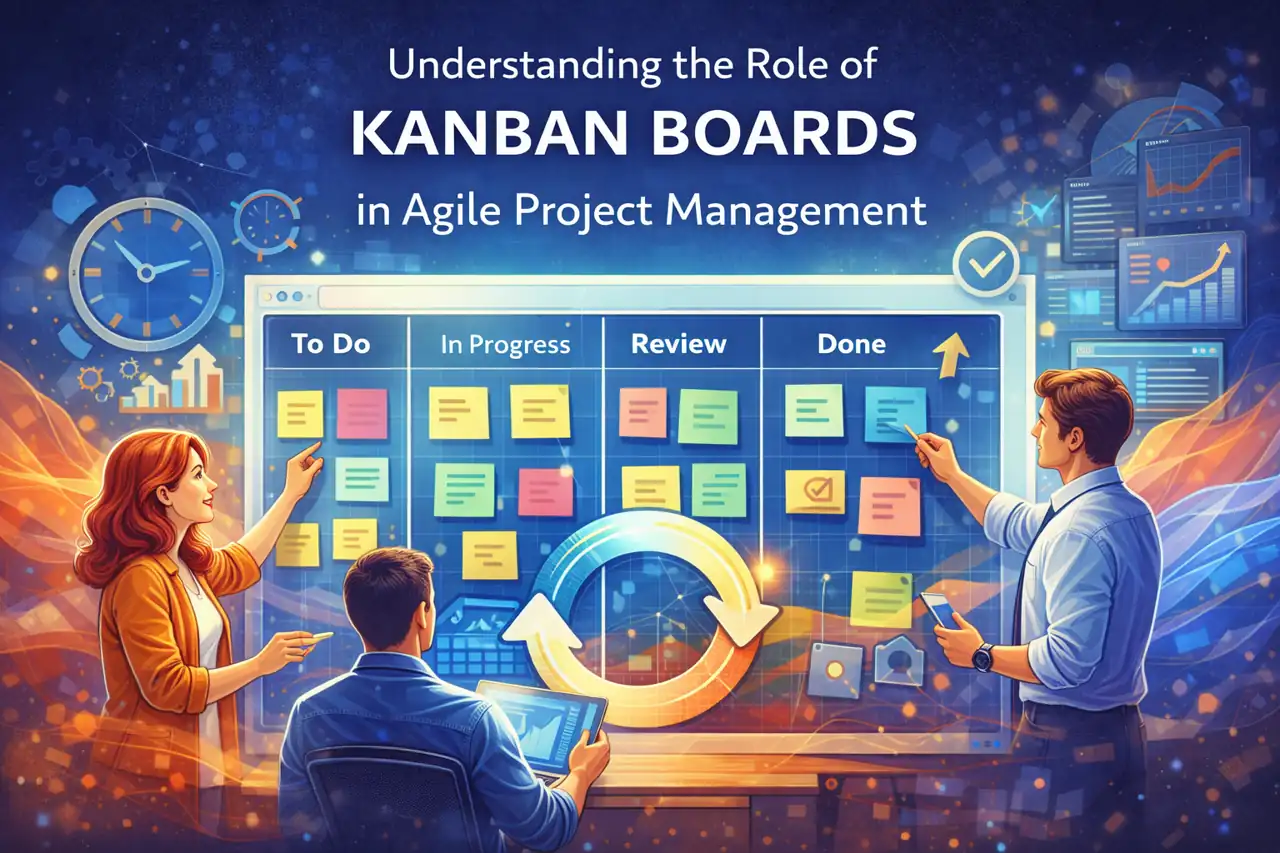
Kanban boards are visual management tools that display the flow of work within a project. They consist of columns representing different stages of the workflow, with cards that represent individual tasks or work items. This visual representation allows teams to track progress, identify bottlenecks, and manage workload effectively. By using Kanban boards, teams can ensure that work is pulled through the system rather than pushed, promoting a more efficient and responsive approach to project management.
Brief History and Origins of Kanban in Agile
The concept of Kanban originated in the manufacturing sector, specifically within Toyota’s production system in the late 1940s. The term “Kanban” translates to “visual signal” in Japanese, and it was initially used to manage inventory and production processes. Over time, this methodology was adapted for software development and Agile project management, particularly in the early 2000s. The integration of Kanban into Agile practices has allowed teams to leverage its principles to enhance flexibility, improve delivery times, and foster continuous improvement.
Importance of Visual Management in Agile Methodologies
Visual management is a cornerstone of Agile methodologies, and Kanban boards exemplify this principle. By providing a clear and immediate visual representation of the work in progress, Kanban boards facilitate several key benefits:
- Enhanced Transparency: Team members can easily see the status of tasks, which fosters accountability and encourages collaboration.
- Improved Communication: Visual boards serve as a focal point for discussions during stand-ups and planning sessions, ensuring that everyone is aligned on priorities and progress.
- Quick Identification of Bottlenecks: By visualizing the workflow, teams can quickly spot areas where work is stalled, allowing for timely interventions and adjustments.
- Flexibility and Adaptability: Kanban boards support the Agile principle of responding to change by allowing teams to adjust priorities and workflows dynamically based on real-time feedback.
Kanban boards are an integral part of Agile project management, providing teams with the tools they need to visualize their work, enhance communication, and improve overall efficiency. By embracing this visual management approach, Agile teams can better navigate the complexities of project delivery and continuously improve their processes.
The Principles of Kanban
Kanban boards are a vital tool in Agile project management, providing teams with a visual representation of their workflow. Understanding the foundational principles that guide the use of Kanban boards can significantly enhance the effectiveness of Agile practices. Here are the key principles that underpin the use of Kanban:
- Visualizing Work to Enhance Understanding: One of the core principles of Kanban is the visualization of work. By displaying tasks on a board, teams can easily see the status of each task, identify bottlenecks, and understand the overall progress of the project. This transparency fosters better communication among team members and stakeholders, allowing everyone to stay informed and aligned on project goals.
- Limiting Work in Progress (WIP) to Improve Focus and Efficiency: Another fundamental principle of Kanban is the limitation of work in progress. By setting WIP limits, teams can focus on completing tasks before taking on new ones. This practice not only reduces the risk of overloading team members but also enhances efficiency by ensuring that work is completed in a timely manner. Limiting WIP encourages teams to prioritize tasks effectively and maintain a steady flow of work.
- Managing Flow to Ensure Smooth Delivery: Effective flow management is crucial in Agile project management. Kanban boards help teams monitor the flow of tasks through various stages of the project lifecycle. By analyzing the flow, teams can identify areas for improvement, such as reducing cycle times or addressing delays. This proactive approach to managing flow ensures that work is delivered smoothly and consistently, ultimately leading to higher quality outcomes.
- Making Process Policies Explicit for Team Alignment: Clarity in process policies is essential for team alignment and collaboration. Kanban encourages teams to make their process policies explicit, meaning that everyone understands how work is prioritized, what the criteria for moving tasks between stages are, and how to handle exceptions. This transparency helps to create a shared understanding among team members, reducing confusion and enhancing collaboration.
The principles of Kanban—visualizing work, limiting WIP, managing flow, and making process policies explicit—are integral to facilitating Agile practices. By adhering to these principles, Agile teams and Scrum Masters can leverage Kanban boards to improve their workflow, enhance team collaboration, and ultimately achieve better project outcomes.
How Kanban Boards Facilitate Agile Practices
Kanban boards are a vital tool in Agile project management, providing a visual representation of work processes that enhances team collaboration and efficiency. Here are several key ways in which Kanban boards support Agile practices:
- Enhancing Collaboration and Communication: Kanban boards promote a shared understanding of project tasks among team members. By visualizing the workflow, team members can easily see what others are working on, which fosters open communication and collaboration. This transparency helps to break down silos and encourages team members to engage with one another, share insights, and offer assistance when needed.
- Improving Transparency and Accountability: One of the core principles of Agile is to maintain transparency in project progress. Kanban boards provide a clear view of the status of tasks, making it easy for team members and stakeholders to track progress at any time. This visibility not only holds team members accountable for their work but also allows for quick identification of bottlenecks or issues that may arise, enabling timely interventions.
- Facilitating Continuous Improvement through Feedback Loops: Kanban boards support the Agile principle of continuous improvement by allowing teams to reflect on their processes regularly. Teams can analyze their workflow, identify areas for enhancement, and implement changes based on feedback. This iterative approach encourages teams to adapt their practices based on real-time data, leading to more efficient processes and better outcomes.
- Supporting Iterative Development and Adaptability in Project Scope: Agile methodologies emphasize the importance of being responsive to change. Kanban boards facilitate this adaptability by allowing teams to adjust their priorities and project scope as needed. With a visual representation of tasks, teams can easily shift focus to higher-priority items or respond to new requirements without disrupting the overall workflow. This flexibility is crucial in dynamic project environments where requirements may evolve.
Kanban boards are instrumental in facilitating Agile practices by enhancing collaboration, improving transparency, fostering continuous improvement, and supporting adaptability. By leveraging these boards, Agile teams can optimize their workflows and deliver value more effectively.
Setting Up a Kanban Board
Creating an effective Kanban board is essential for Agile teams and Scrum Masters looking to enhance their project management practices. A well-structured Kanban board not only visualizes workflows but also facilitates communication and collaboration among team members. Here are some practical steps to set up a Kanban board that aligns with Agile methodologies:
1. Identifying Workflows and Defining Task Categories
The first step in setting up a Kanban board is to clearly identify the workflows involved in your project. This involves:
- Mapping Out the Process: Understand the stages that tasks go through from initiation to completion. Common categories include:
- To Do: Tasks that are yet to be started.
- In Progress: Tasks that are currently being worked on.
- Done: Completed tasks that have met the acceptance criteria.
- Customizing Categories: Depending on your team’s specific needs, you may want to add additional categories such as “Review,” “Testing,” or “Blocked” to better reflect your workflow.
2. Choosing the Right Tools and Software for Digital Kanban Boards
In today’s digital age, selecting the right tools for your Kanban board can significantly enhance its effectiveness. Consider the following:
- Popular Kanban Tools: Platforms like Trello, Jira, and Asana offer user-friendly interfaces and customizable features that cater to Agile teams.
- Integration Capabilities: Choose tools that integrate well with other software your team uses, such as communication tools (Slack, Microsoft Teams) or documentation platforms (Confluence).
- Accessibility: Ensure that the chosen tool is accessible to all team members, allowing for real-time updates and collaboration.
3. Establishing WIP Limits and Their Significance
Work In Progress (WIP) limits are crucial for maintaining a smooth workflow and preventing bottlenecks. Here’s how to implement them:
- Defining WIP Limits: Set a maximum number of tasks that can be in progress at any given time for each category. This encourages team members to focus on completing tasks before starting new ones.
- Benefits of WIP Limits:
- Increased Focus: Reduces multitasking and helps team members concentrate on current tasks.
- Enhanced Flow: Promotes a steady flow of work, minimizing delays and improving overall efficiency.
- Identifying Bottlenecks: Makes it easier to spot where tasks are getting stuck, allowing for timely interventions.
4. Incorporating Visual Indicators for Enhanced Clarity
Visual indicators play a vital role in making a Kanban board intuitive and easy to understand. Consider the following techniques:
- Color Coding: Use different colors to represent various task types, priorities, or team members. This allows for quick visual identification of task status and ownership.
- Tags and Labels: Implement tags to categorize tasks further, such as indicating urgency or specific project phases. This adds another layer of clarity and helps prioritize work effectively.
- Progress Indicators: Incorporate visual cues like progress bars or percentage completion markers to provide a quick overview of task status.
By following these guidelines, Agile teams can set up a Kanban board that not only enhances visibility and collaboration but also drives efficiency and productivity in project management. A well-structured Kanban board serves as a powerful tool in the Agile toolkit, enabling teams to adapt and respond to changing project demands effectively.
Best Practices for Using Kanban Boards
Kanban boards are a vital tool in Agile project management, providing teams with a visual representation of their workflow and progress. To maximize the effectiveness of Kanban boards, Agile teams and Scrum Masters can implement several best practices:
- Regularly Update the Board: Keeping the Kanban board current is essential for reflecting the true status of tasks and projects. Team members should update the board as soon as they complete a task or when there are changes in task status. This practice ensures that everyone has a clear understanding of what is in progress, what is completed, and what is pending, thereby enhancing transparency and communication within the team.
- Conduct Daily Stand-Up Meetings: Daily stand-up meetings are an effective way to discuss updates on the Kanban board. These brief meetings allow team members to share their progress, highlight any obstacles they are facing, and align on priorities for the day. By focusing on the board during these meetings, teams can ensure that everyone is on the same page and can quickly address any issues that may arise.
- Encourage Team Involvement: The success of a Kanban board relies heavily on team engagement. Encourage all team members to take ownership of the board by actively participating in its maintenance. This can include moving tasks, adding comments, and suggesting changes to improve workflow. When team members feel invested in the board, they are more likely to use it effectively and contribute to its accuracy.
- Utilize Metrics and Analytics: To assess performance and identify bottlenecks, teams should leverage metrics and analytics derived from the Kanban board. Key performance indicators (KPIs) such as cycle time, lead time, and throughput can provide valuable insights into the team’s efficiency and productivity. By analyzing these metrics, teams can pinpoint areas for improvement, streamline processes, and enhance overall project delivery.
By implementing these best practices, Agile teams can significantly enhance their use of Kanban boards, leading to improved collaboration, increased efficiency, and successful project outcomes.
Common Challenges and Solutions
Implementing Kanban boards in Agile project management can significantly enhance workflow and team collaboration. However, teams may encounter several challenges during this transition. Below are some common obstacles along with strategies to overcome them:
1. Resistance to Change from Team Members
- Challenge: Team members may be accustomed to traditional project management methods and may resist adopting a new system like Kanban. This resistance can stem from fear of the unknown or a lack of understanding of the benefits of Kanban.
- Solution: To address this, it is crucial to involve team members in the transition process. Conduct workshops to educate the team about the principles of Kanban and how it can improve their workflow. Highlight success stories from other teams that have benefited from Kanban to illustrate its effectiveness. Encouraging open discussions about concerns can also help alleviate fears and foster a more accepting environment.
2. Overcomplicating the Board with Too Many Categories or Tasks
- Challenge: A common pitfall is creating a Kanban board that is overly complex, with too many categories, tasks, or sub-tasks. This can lead to confusion and overwhelm, negating the simplicity that Kanban aims to provide.
- Solution: Keep the board simple and focused. Start with a few key categories that represent the workflow stages (e.g., To Do, In Progress, Done) and gradually add more categories only if necessary. Regularly review the board with the team to ensure it remains relevant and manageable. Encourage team members to provide feedback on the board’s structure and make adjustments as needed.
3. Difficulty in Maintaining WIP Limits
- Challenge: Work In Progress (WIP) limits are essential for Kanban to function effectively, as they help prevent bottlenecks and ensure a smooth flow of tasks. However, teams may struggle to adhere to these limits, leading to task overload and inefficiencies.
- Solution: To maintain WIP limits, it is important to establish clear guidelines and communicate the importance of these limits to the team. Use visual indicators on the board to highlight WIP limits and encourage accountability. Regularly review the flow of tasks during team meetings to identify any issues and discuss strategies for improvement. Consider using metrics to track performance and make data-driven decisions about WIP limits.
4. Strategies for Overcoming These Challenges
- Engagement and Training: Foster a culture of continuous improvement by providing ongoing training and resources about Kanban practices. Encourage team members to share their experiences and learn from each other.
- Simplicity and Clarity: Regularly assess the board’s effectiveness and make necessary adjustments to keep it simple and clear. Use visual cues and color coding to enhance understanding and navigation.
- Regular Reviews and Adaptation: Schedule regular retrospectives to discuss what is working and what isn’t. This allows the team to adapt their approach and refine their use of the Kanban board based on real-time feedback and experiences.
By proactively addressing these challenges, Agile teams and Scrum Masters can effectively implement Kanban boards, leading to improved project management and enhanced team collaboration.
Conclusion
Kanban boards serve as a pivotal tool that enhances workflow efficiency and team collaboration. Here are the key takeaways regarding the benefits of utilizing Kanban boards:
- Visual Management: Kanban boards provide a clear visual representation of tasks, allowing team members to see the status of work at a glance. This transparency fosters better communication and helps identify bottlenecks in the workflow, enabling teams to address issues promptly.
- Flexibility and Adaptation: One of the core principles of Agile is the ability to adapt to changing requirements. Kanban boards support this by allowing teams to easily modify their workflows and priorities as needed. This flexibility encourages teams to experiment with different approaches, leading to continuous improvement in processes.
- Enhanced Focus on Flow: By limiting work in progress (WIP), Kanban boards help teams maintain focus on completing tasks before taking on new ones. This emphasis on flow not only increases productivity but also reduces the stress associated with multitasking.
As Agile teams and Scrum Masters, it is essential to embrace the principles of continuous experimentation and adaptation. Kanban boards are not just a static tool; they are a dynamic framework that can evolve with your team’s needs.
Find out more about Shaun Stoltz https://www.shaunstoltz.com/about/.
This post was written by an AI and reviewed/edited by a human.