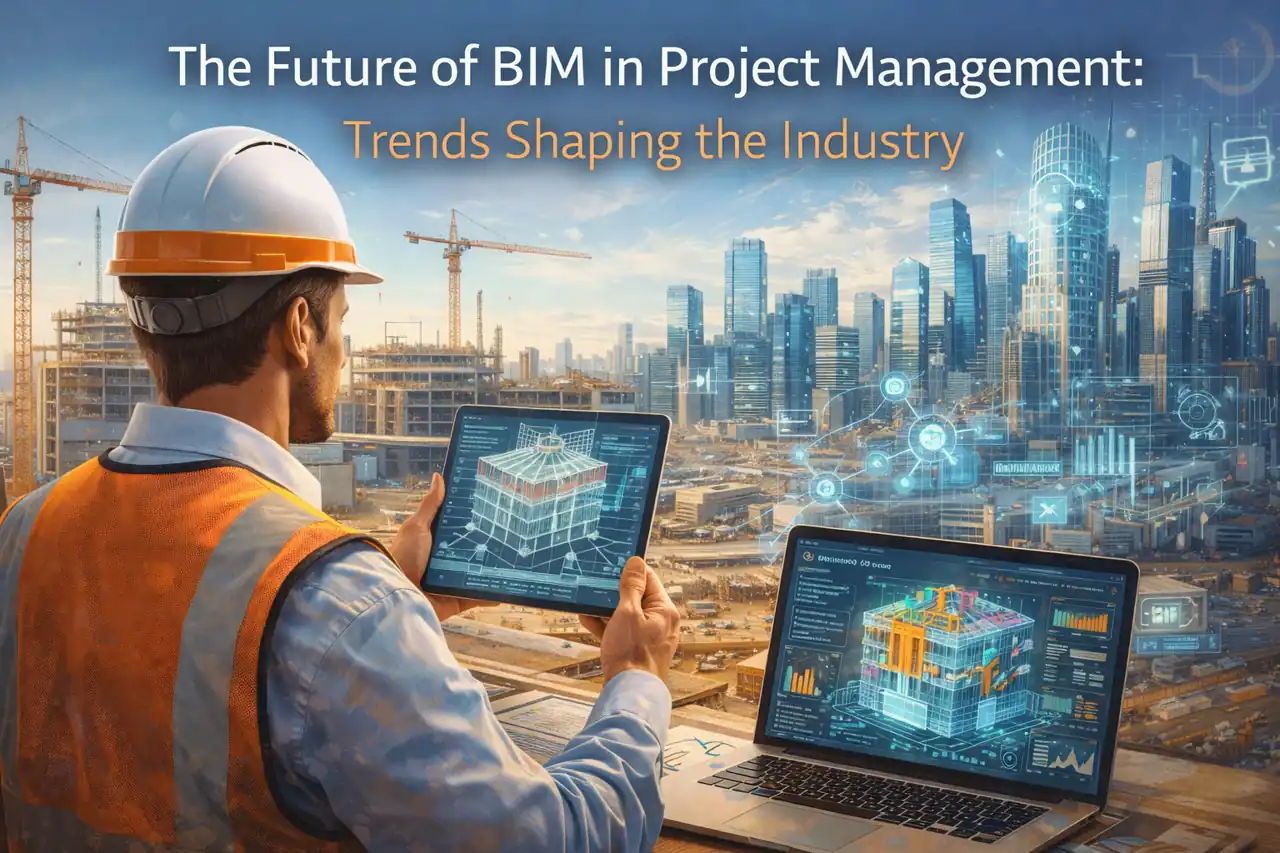
Introduction to BIM in Project Management
Building Information Modeling (BIM) has emerged as a transformative technology in the field of project management, particularly within the architecture, engineering, and construction (AEC) industries. As industry leaders and decision-makers seek innovative solutions to enhance project delivery, understanding BIM’s foundational elements and its implications for project management is crucial.
Defining Building Information Modeling (BIM)
BIM is a digital representation of the physical and functional characteristics of a facility. It encompasses a range of components, including:
- 3D Models: These are detailed visual representations of a building or infrastructure, allowing stakeholders to visualize the project before construction begins.
- Data Management: BIM integrates various data types, including materials, costs, timelines, and maintenance information, into a single model, facilitating better decision-making.
- Collaboration Tools: BIM supports real-time collaboration among project stakeholders, enabling architects, engineers, contractors, and clients to work together seamlessly.
The Role of BIM in Enhancing Project Efficiency and Collaboration
BIM significantly enhances project efficiency by streamlining workflows and improving communication among team members. Key benefits include:
- Improved Coordination: By providing a centralized model, BIM reduces conflicts and discrepancies between different disciplines, leading to fewer errors and rework during construction.
- Enhanced Visualization: Stakeholders can explore the project in a virtual environment, which aids in understanding complex designs and facilitates informed decision-making.
- Time and Cost Savings: With better planning and coordination, projects can be completed more quickly and within budget, ultimately increasing profitability.
The Importance of BIM in Modern Project Management
In the context of modern project management, BIM is not just a tool but a strategic asset that aligns with the industry’s shift towards digital transformation. Its importance can be highlighted through several key aspects:
- Data-Driven Decision Making: BIM provides access to real-time data, enabling project managers to make informed decisions based on accurate information.
- Sustainability and Lifecycle Management: BIM supports sustainable practices by allowing for better analysis of energy efficiency and resource management throughout a building’s lifecycle.
- Regulatory Compliance: As regulations become more stringent, BIM helps ensure that projects meet compliance standards through detailed documentation and reporting capabilities.
As BIM technology continues to evolve, its integration into project management practices will be essential for industry leaders aiming to stay competitive. Understanding its components, benefits, and strategic importance will empower decision-makers to leverage BIM effectively, driving innovation and efficiency in their projects.
Current Trends in BIM Technology
Building Information Modeling (BIM) is rapidly evolving, driven by technological advancements and the increasing demand for efficiency in project management. As industry leaders and decision-makers look to the future, several key trends are emerging that are reshaping how BIM is utilized in project management. Here are the most significant trends currently influencing the industry:
1. Integration of Artificial Intelligence and Machine Learning
- Enhanced Decision-Making: The incorporation of artificial intelligence (AI) and machine learning (ML) into BIM processes is revolutionizing project management. These technologies enable predictive analytics, allowing project managers to make data-driven decisions based on historical project data and trends. This can lead to improved project outcomes and reduced risks.
- Automation of Routine Tasks: AI and ML can automate repetitive tasks within BIM, such as data entry and model updates. This not only saves time but also minimizes human error, leading to more accurate project documentation and management.
- Intelligent Design Optimization: AI algorithms can analyze various design options and suggest the most efficient solutions, optimizing resource allocation and reducing waste. This capability is particularly beneficial in the early stages of project planning, where design choices can significantly impact costs and timelines.
2. Rise of Cloud-Based BIM Solutions
- Enhanced Accessibility: Cloud-based BIM solutions are becoming increasingly popular, allowing project teams to access project data from anywhere at any time. This flexibility is crucial for teams that may be working remotely or across multiple locations, facilitating real-time collaboration and communication.
- Improved Collaboration: With cloud technology, stakeholders can work on the same model simultaneously, reducing the chances of miscommunication and ensuring that everyone is on the same page. This collaborative environment fosters innovation and accelerates project timelines.
- Scalability and Cost-Effectiveness: Cloud-based solutions offer scalability, allowing organizations to adjust their usage based on project needs without significant upfront investments in hardware or software. This makes BIM more accessible to smaller firms and startups, democratizing the technology across the industry.
3. Adoption of Virtual Reality (VR) and Augmented Reality (AR)
- Immersive Project Visualization: The use of VR and AR in BIM is transforming how projects are visualized and experienced. These technologies allow stakeholders to immerse themselves in a virtual environment, providing a more intuitive understanding of the project before construction begins. This can lead to better design decisions and stakeholder buy-in.
- Enhanced Training and Safety: VR can be utilized for training purposes, allowing workers to practice in a safe, controlled environment. This not only enhances safety on-site but also improves the overall skill level of the workforce, which is essential for the successful execution of complex projects.
- Real-Time Modifications: AR can overlay digital information onto the physical world, enabling project managers to visualize changes in real-time. This capability is invaluable for on-site decision-making, allowing for immediate adjustments based on actual conditions.
As BIM technology continues to advance, the integration of AI, cloud solutions, and immersive technologies like VR and AR will play a pivotal role in shaping the future of project management. Industry leaders and decision-makers must stay informed about these trends to leverage the full potential of BIM, ensuring that their projects are not only efficient but also innovative and responsive to the evolving demands of the construction industry. Embracing these technologies will be crucial for maintaining a competitive edge in an increasingly complex and dynamic market.
The Impact of BIM on Project Lifecycle Management
Building Information Modeling (BIM) is revolutionizing the way projects are managed across various phases of the project lifecycle. As industry leaders and decision-makers look to enhance efficiency and collaboration, understanding the implications of BIM technology is crucial. Here are some key points on how BIM influences project management throughout its lifecycle:
1. BIM’s Role in Project Planning, Design, Construction, and Facility Management
- Project Planning: BIM facilitates comprehensive project planning by providing a 3D visualization of the project. This allows project managers to assess feasibility, identify potential challenges, and optimize resource allocation before construction begins. The ability to simulate different scenarios helps in making informed decisions early in the project lifecycle.
- Design Phase: During the design phase, BIM enables architects and engineers to collaborate more effectively. By using shared models, stakeholders can visualize the project in real-time, leading to better design choices and integration of various systems. This collaborative environment fosters innovation and ensures that all design elements align with project goals.
- Construction Management: In the construction phase, BIM enhances coordination among various trades. It provides a detailed view of the project, allowing for precise scheduling and resource management. This reduces delays and ensures that construction progresses according to plan. Additionally, BIM can be used for clash detection, identifying conflicts between different systems before they become costly issues on-site.
- Facility Management: After construction, BIM continues to add value during the facility management phase. The detailed models serve as a comprehensive database for building operations, maintenance, and future renovations. Facility managers can access accurate information about building systems, which aids in efficient management and reduces operational costs.
2. Improving Communication and Stakeholder Engagement Through Shared BIM Models
- Enhanced Collaboration: One of the most significant advantages of BIM is its ability to improve communication among stakeholders. By utilizing shared BIM models, all parties involved—architects, engineers, contractors, and clients—can access the same information. This transparency fosters collaboration and ensures that everyone is on the same page, reducing misunderstandings and miscommunications.
- Stakeholder Engagement: Engaging stakeholders throughout the project lifecycle is essential for success. BIM allows for interactive presentations and visualizations, making it easier to convey complex ideas and designs to non-technical stakeholders. This engagement not only builds trust but also encourages feedback, which can lead to better project outcomes.
3. Reducing Errors and Rework by Leveraging Accurate Data Throughout the Project Lifecycle
- Data Accuracy: BIM provides a centralized repository of accurate data that can be accessed and updated in real-time. This reduces the likelihood of errors that often arise from outdated or incorrect information. By ensuring that all stakeholders are working with the most current data, BIM minimizes the risk of costly rework.
- Error Reduction: The use of BIM for clash detection and analysis helps identify potential issues before they occur on-site. By addressing these conflicts during the design phase, project teams can avoid delays and additional costs associated with rework. This proactive approach not only saves time but also enhances overall project quality.
- Lifecycle Efficiency: By leveraging accurate data throughout the project lifecycle, BIM contributes to a more efficient process. From planning to facility management, the integration of BIM technology streamlines workflows, reduces waste, and enhances productivity. This efficiency is crucial for meeting project deadlines and staying within budget.
The integration of BIM in project management is reshaping the industry by enhancing collaboration, improving communication, and reducing errors. As BIM technology continues to evolve, its impact on project lifecycle management will only grow, making it an essential tool for industry leaders and decision-makers looking to drive success in their projects.
Challenges and Barriers to BIM Adoption
As Building Information Modeling (BIM) continues to revolutionize project management in the construction industry, organizations face several challenges that can hinder the successful implementation of this technology. Understanding these obstacles is crucial for industry leaders and decision-makers who aim to leverage BIM for enhanced project outcomes. Here are some of the key barriers to BIM adoption:
- Resistance to Change Among Traditional Project Management Practices: One of the most significant challenges in adopting BIM is the inherent resistance to change within organizations. Many project managers and stakeholders are accustomed to traditional methods of project management, which can create a reluctance to embrace new technologies. This resistance often stems from a fear of the unknown, concerns about the learning curve associated with new tools, and a lack of understanding of the benefits that BIM can provide. Overcoming this cultural inertia requires strong leadership and a commitment to change management strategies that emphasize the advantages of BIM, such as improved collaboration and efficiency.
- High Initial Costs and Investment in Training and Technology: The financial implications of adopting BIM can be daunting for many organizations. The initial costs associated with purchasing BIM software, upgrading hardware, and investing in training for staff can be substantial. For smaller firms or those operating on tight budgets, these expenses may seem prohibitive. Additionally, the need for ongoing training and support to keep up with evolving BIM technologies can further strain resources. Organizations must weigh these costs against the long-term benefits of BIM, which include reduced project timelines, lower operational costs, and enhanced project quality.
- Interoperability Issues Between Different BIM Software and Platforms: Another significant barrier to BIM adoption is the interoperability of various BIM software and platforms. Many organizations use different tools that may not seamlessly integrate with one another, leading to data silos and communication breakdowns. This lack of compatibility can hinder collaboration among project stakeholders, resulting in inefficiencies and increased risk of errors. To address this challenge, organizations must prioritize the selection of BIM tools that support open standards and facilitate data exchange, ensuring that all parties can work together effectively.
While BIM offers transformative potential for project management, organizations must navigate several challenges to fully realize its benefits. By addressing resistance to change, managing costs, and ensuring interoperability, industry leaders can pave the way for successful BIM implementation and drive innovation in project management practices.
Future Directions: What’s Next for BIM in Project Management?
As Building Information Modeling (BIM) continues to evolve, its integration into project management is becoming increasingly sophisticated. Industry leaders and decision-makers must stay informed about emerging trends that will shape the future of BIM practices. Here are some key points to consider regarding the future of BIM in project management:
1. Emerging Standards and Regulations
- Standardization of BIM Practices: As BIM technology matures, the establishment of standardized protocols and regulations is becoming essential. Organizations such as the International Organization for Standardization (ISO) are working on frameworks that will guide the implementation of BIM across various sectors. These standards will help ensure consistency, improve interoperability, and facilitate better collaboration among stakeholders in construction and project management.
- Regulatory Compliance: Governments and regulatory bodies are increasingly recognizing the importance of BIM in enhancing project delivery and sustainability. New regulations may mandate the use of BIM for public projects, pushing organizations to adopt these practices to remain competitive and compliant.
2. Increased Automation in Project Management
- Automation of Routine Tasks: The integration of artificial intelligence (AI) and machine learning with BIM is set to revolutionize project management. Automation can streamline routine tasks such as scheduling, resource allocation, and progress tracking, allowing project managers to focus on strategic decision-making and problem-solving.
- Predictive Analytics: BIM’s ability to collect and analyze vast amounts of data will enable predictive analytics, helping project managers anticipate potential issues before they arise. This proactive approach can lead to more efficient project execution and reduced costs.
3. Enhanced Collaboration Across Industries
- Interdisciplinary Collaboration: The future of BIM in project management will see a greater emphasis on collaboration between various industries, including construction, architecture, and engineering. By fostering a culture of collaboration, stakeholders can leverage BIM to create more integrated and efficient workflows, ultimately leading to better project outcomes.
- Cloud-Based Platforms: The rise of cloud technology is facilitating real-time collaboration among project teams, regardless of their geographical locations. Cloud-based BIM platforms allow for seamless sharing of information, enabling all parties to stay updated and make informed decisions quickly.
The future of BIM in project management is poised for significant transformation, driven by emerging standards, increased automation, and enhanced collaboration. Industry leaders must embrace these trends to harness the full potential of BIM, ensuring that their organizations remain at the forefront of innovation in project delivery. By anticipating these developments, decision-makers can strategically position their teams to adapt and thrive in an increasingly complex project management.
Conclusion: Embracing the Future of BIM
As the construction and architecture industries continue to evolve, Building Information Modeling (BIM) stands at the forefront of this transformation, reshaping project management practices. The integration of BIM technology is not merely a trend; it is a fundamental shift that offers significant advantages for those who choose to embrace it. Here are the key insights that underscore the importance of adapting to BIM trends:
- Staying Ahead for Competitive Advantage: In an increasingly competitive market, organizations that proactively adopt and integrate BIM technologies will find themselves at a distinct advantage. By leveraging the latest advancements in BIM, companies can enhance collaboration, improve project outcomes, and reduce costs. Staying informed about emerging trends in BIM is essential for industry leaders who wish to maintain their competitive edge and drive innovation within their organizations.
- Investment in Training and Technology: Successful BIM adoption requires more than just the latest software; it necessitates a commitment to training and development. Industry leaders must invest in upskilling their teams to ensure they are proficient in BIM tools and methodologies. This investment not only enhances the capabilities of the workforce but also fosters a culture of continuous improvement and innovation. By prioritizing training, organizations can maximize the benefits of BIM and ensure that their teams are equipped to navigate the complexities of modern project management.
The future of BIM in project management is not just about technology; it is about a mindset shift towards innovation and collaboration. By staying ahead of trends, investing in training, and embracing new strategies, industry leaders can ensure their organizations thrive. The time to act is now—embrace the future of BIM and unlock its full potential for your projects.
Find out more about Shaun Stoltz https://www.shaunstoltz.com/about/.
This post was written by an AI and reviewed/edited by a human.