Introduction
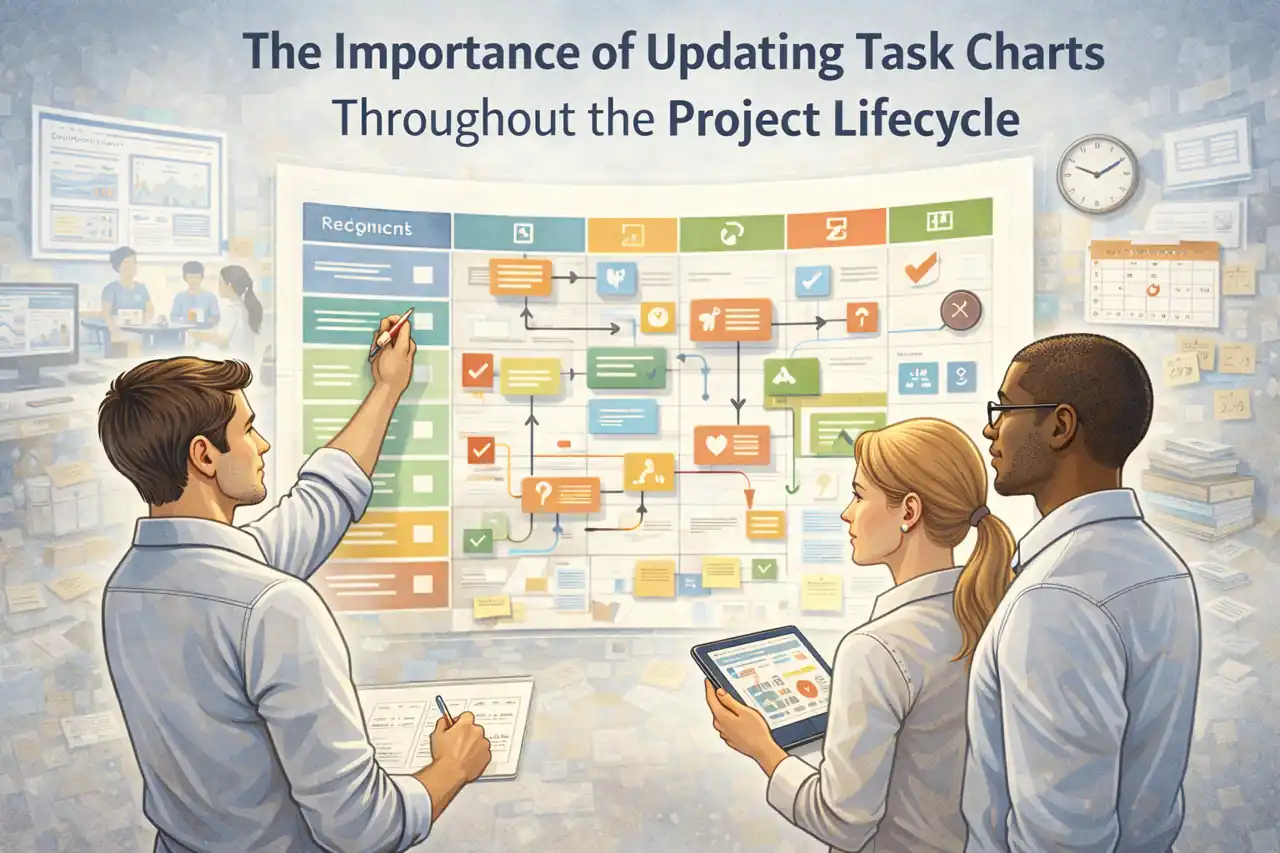
Effective organization and clear communication are paramount to achieving project goals. One of the essential tools that facilitate these aspects is the task chart. A task chart is a visual representation that outlines the various tasks involved in a project, detailing who is responsible for each task, the timeline for completion, and the interdependencies between tasks. This tool not only helps in planning and scheduling but also serves as a roadmap for the entire project team, ensuring everyone is aligned and aware of their responsibilities.
The Role of Task Charts in Project Management
Task charts play a critical role in project management by providing a structured approach to task allocation and progress tracking. They help project managers and team members visualize the workflow, making it easier to identify potential bottlenecks and resource constraints. By breaking down the project into manageable tasks, these charts enable teams to focus on specific objectives while maintaining an overview of the project’s progress.
Task Charts and the Project Lifecycle
Understanding where task charts fit within the project lifecycle is crucial for their effective use. The project lifecycle typically consists of several phases: initiation, planning, execution, monitoring and controlling, and closing. Task charts are particularly valuable during the planning and execution phases, where they can be used to:
- Plan: During the planning phase, task charts help define the scope of work, allocate resources, and establish timelines. This ensures that all team members understand their roles and the overall project objectives.
- Execute: As the project moves into execution, task charts serve as a reference point for team members to track their progress and stay on schedule. Regular updates to the task chart during this phase are essential to reflect any changes in task assignments or timelines.
The Importance of Maintaining Updated Task Charts
Maintaining updated task charts throughout the project lifecycle is vital for several reasons:
- Enhanced Communication: Regularly updated task charts foster better communication among team members. They provide a clear picture of who is responsible for what, reducing confusion and miscommunication.
- Adaptability: Projects often encounter changes due to unforeseen circumstances, such as shifts in scope or resource availability. An updated task chart allows project managers to quickly adapt to these changes, reallocating resources and adjusting timelines as necessary.
- Accountability: Keeping task charts current reinforces accountability within the team. When team members see their tasks clearly outlined and updated, they are more likely to take ownership of their responsibilities and deliver on time.
- Performance Tracking: Updated task charts enable project managers to monitor progress effectively. By comparing planned versus actual progress, they can identify areas that require attention and make informed decisions to keep the project on track.
Task charts are an indispensable tool in project management, providing clarity and structure throughout the project lifecycle. By emphasizing the importance of ongoing maintenance and updates, project managers can enhance team collaboration, adaptability, and overall project success.
Understanding Task Charts
Task charts serve as essential tools that help teams visualize, organize, and track the progress of their projects. These charts not only provide clarity on what needs to be done but also enhance communication and accountability among team members. Here, we will explore the different types of task charts, their key components, and how they contribute to effective project management.
Different Types of Task Charts
- Gantt Charts:
- Gantt charts are one of the most popular project management tools. They display tasks along a timeline, allowing project managers to see the start and end dates of each task, as well as their duration. This visual representation helps in understanding task dependencies and overall project timelines.
- Kanban Boards:
- Kanban boards are another effective type of task chart that focuses on workflow management. They use cards to represent tasks and columns to indicate different stages of the project (e.g., To Do, In Progress, Done). This method promotes continuous delivery and helps teams visualize their work in progress.
- Task Lists:
- Simple task lists can also be considered a form of task chart. They provide a straightforward way to outline tasks, deadlines, and responsibilities without the complexity of visual charts. While less visual, they are effective for smaller projects or teams.
- Burndown Charts:
- Commonly used in Agile project management, burndown charts track the amount of work remaining in a project over time. They help teams assess their progress and predict whether they will meet their deadlines.
Key Components of Effective Task Charts
To maximize the effectiveness of task charts, certain key components should be included:
- Tasks: Clearly defined tasks are the backbone of any task chart. Each task should be specific, actionable, and measurable to ensure clarity and focus.
- Deadlines: Assigning deadlines to tasks is crucial for maintaining momentum and ensuring timely project completion. Deadlines help prioritize tasks and keep the team accountable.
- Responsibilities: Clearly indicating who is responsible for each task fosters accountability and ensures that team members know their roles. This clarity helps prevent overlaps and gaps in task management.
- Progress Tracking: Effective task charts should allow for easy tracking of progress. This can be done through visual indicators, such as color coding or percentage completion, which help teams quickly assess where they stand in relation to their goals.
Facilitating Communication and Transparency
Task charts play a vital role in enhancing communication and transparency within teams. By providing a visual representation of tasks, deadlines, and responsibilities, they:
- Promote Collaboration: Team members can easily see what others are working on, which encourages collaboration and support. This visibility helps in identifying potential bottlenecks and allows for timely interventions.
- Enhance Accountability: When responsibilities are clearly defined, team members are more likely to take ownership of their tasks. This accountability fosters a sense of responsibility and commitment to the project.
- Support Stakeholder Engagement: Task charts can be shared with stakeholders to provide updates on project progress. This transparency builds trust and keeps everyone informed about the project’s status.
Maintaining and updating task charts throughout the project lifecycle is crucial for effective project management. By understanding the different types of task charts, their key components, and their role in facilitating communication, project managers and team members can enhance their project execution and achieve better outcomes. Regular updates to these charts ensure that the project remains on track and that all team members are aligned with the project’s goals.
The Project Lifecycle: Key Phases
In project management, understanding the project lifecycle is crucial for ensuring that projects are completed successfully and efficiently. The project lifecycle typically consists of five key phases: Initiation, Planning, Execution, Monitoring, and Closure. Each of these phases plays a vital role in the overall success of a project, and maintaining an updated task chart throughout these stages is essential for effective project management.
1. Initiation Phase
- Overview: This is the first phase where the project is defined, and its feasibility is assessed. Key stakeholders are identified, and the project’s objectives are established.
- Role of Task Charts: During this phase, task charts help outline the initial tasks required to kick off the project. They serve as a visual representation of the project’s scope and help in identifying key deliverables.
- Impact of Updates: Regular updates to the task chart can clarify responsibilities and ensure that all stakeholders are aligned with the project goals. For instance, if new stakeholders are added, updating the task chart to reflect their roles can prevent miscommunication and set clear expectations.
2. Planning Phase
- Overview: In this phase, detailed planning occurs, including resource allocation, budgeting, and scheduling. The project manager develops a comprehensive project plan.
- Role of Task Charts: Task charts evolve significantly during planning, as they become more detailed and structured. They outline specific tasks, timelines, and dependencies.
- Impact of Updates: Frequent updates to the task chart during this phase can lead to better resource management and risk mitigation. For example, if a task is delayed, updating the chart to reflect this change can help the team adjust timelines and allocate resources more effectively, ultimately keeping the project on track.
3. Execution Phase
- Overview: This phase involves the actual implementation of the project plan. Team members carry out their assigned tasks, and the project manager oversees the process.
- Role of Task Charts: Task charts are crucial during execution as they provide a roadmap for team members. They help track progress and ensure that tasks are completed as planned.
- Impact of Updates: Regularly updating the task chart can significantly influence project outcomes. For instance, if a team member completes a task ahead of schedule, reflecting this in the task chart can allow for reallocation of resources to other tasks, enhancing overall productivity.
4. Monitoring Phase
- Overview: In this phase, the project manager monitors the project’s progress against the plan. Performance metrics are evaluated, and adjustments are made as necessary.
- Role of Task Charts: Task charts serve as a tool for tracking progress and identifying any deviations from the plan. They help in visualizing the current status of tasks and overall project health.
- Impact of Updates: Keeping the task chart updated during monitoring can facilitate timely interventions. For example, if a task is falling behind schedule, updating the chart can prompt discussions on resource reallocation or process adjustments, helping to mitigate potential delays.
5. Closure Phase
- Overview: The final phase involves completing all project activities, obtaining stakeholder approval, and closing out the project.
- Role of Task Charts: Task charts are used to ensure that all tasks have been completed and to document lessons learned for future projects.
- Impact of Updates: Updating the task chart during closure can provide a clear record of what was accomplished and what challenges were faced. This documentation can be invaluable for future projects, as it helps teams learn from past experiences and improve their processes.
Maintaining an updated task chart throughout the project lifecycle is not just a best practice; it is essential for project success. By evolving the task chart through each phase—Initiation, Planning, Execution, Monitoring, and Closure—project managers and team members can enhance communication, improve resource management, and ultimately drive better project outcomes. Regular updates ensure that everyone remains aligned and that the project adapts to any changes or challenges that arise, leading to a more successful project delivery.
The Need for Ongoing Maintenance
Task charts serve as vital tools that guide teams through the complexities of project execution. However, the effectiveness of these charts hinges on their regular maintenance and updates. Neglecting to keep task charts current can lead to significant challenges that may jeopardize the success of a project. Here are some key points to consider regarding the importance of ongoing task chart maintenance:
Consequences of Neglecting Updates
- Miscommunication: When task charts are not updated, team members may operate under outdated information, leading to misunderstandings about responsibilities and deadlines. This can create confusion and conflict within the team, ultimately affecting collaboration and productivity.
- Missed Deadlines: Outdated task charts can result in missed deadlines as team members may not be aware of changes in priorities or timelines. This can lead to project delays, increased costs, and a loss of stakeholder trust.
Benefits of Maintaining Current Task Charts
- Clearer Project Vision: Regularly updated task charts provide a clear and accurate representation of the project’s status. This clarity helps all team members understand their roles and the overall project objectives, fostering a shared vision and alignment towards common goals.
- Improved Accountability: Keeping task charts current enhances accountability among team members. When everyone is aware of their tasks and deadlines, it becomes easier to track progress and hold individuals responsible for their contributions. This accountability can motivate team members to stay on track and meet their commitments.
Common Triggers for Updating Task Charts
- Scope Changes: Projects often evolve, and changes in scope are common. Whether due to client feedback, market shifts, or internal decisions, any alteration in project scope necessitates an update to the task chart to reflect new tasks, priorities, and timelines.
- Team Member Changes: Changes in team composition, such as new hires or departures, can impact the distribution of tasks. Updating the task chart to accommodate these changes ensures that responsibilities are clearly defined and that the project continues to move forward smoothly.
- Project Delays: If a project encounters delays, it is crucial to update the task chart to reflect revised timelines and deadlines. This helps manage expectations among stakeholders and allows the team to adjust their strategies accordingly.
The ongoing maintenance of task charts is essential for effective project management. By regularly updating these charts, project managers and team members can mitigate risks associated with miscommunication and missed deadlines, while also reaping the benefits of a clearer project vision and improved accountability. Recognizing common triggers for updates can help teams stay proactive and responsive throughout the project lifecycle, ultimately leading to greater success.
Best Practices for Updating Task Charts
Maintaining an up-to-date task chart is crucial for the success of any project. It not only helps in tracking progress but also enhances communication and collaboration among team members. Here are some actionable strategies for effective task chart maintenance:
- Establish a Regular Review Schedule:
- Set specific intervals for reviewing and updating the task chart, such as weekly or bi-weekly meetings. This ensures that all team members are aligned on project progress and any changes in priorities. Regular reviews help identify potential bottlenecks early and allow for timely adjustments to the project plan.
- Engage the Whole Team in Updates:
- Encourage all team members to participate in updating the task chart. This collaborative approach fosters a sense of ownership and accountability. When everyone contributes to the task chart, it not only improves accuracy but also enhances team cohesion. Consider assigning specific roles or responsibilities for updates to ensure that all aspects of the project are covered.
- Utilize Project Management Tools:
- Leverage project management software that supports real-time updates and tracking. Tools like Trello, Asana, or Microsoft Project allow team members to make changes instantly, ensuring that everyone has access to the most current information. These platforms often include features such as notifications and dashboards, which can help keep the team informed about task statuses and deadlines.
- Incorporate Feedback Loops:
- Create mechanisms for team members to provide feedback on the task chart. This could be through comments in the project management tool or during team meetings. Feedback helps identify areas for improvement and ensures that the task chart remains relevant and useful throughout the project lifecycle.
- Document Changes and Rationale:
- Keep a record of changes made to the task chart along with the reasons for those changes. This documentation can be invaluable for future projects, providing insights into decision-making processes and helping to refine project management practices over time.
- Train Team Members on Best Practices:
- Provide training sessions on how to effectively use the task chart and project management tools. Ensuring that all team members are proficient in these tools will lead to more consistent updates and better overall project management.
By implementing these best practices, project managers and team members can ensure that task charts remain a vital tool for project success, facilitating better planning, execution, and collaboration throughout the project lifecycle.
Conclusion
The significance of maintaining and updating task charts cannot be overstated. Throughout this discussion, we have highlighted several key points that underscore the necessity of ongoing task chart maintenance:
- Clarity and Communication: Regular updates to task charts ensure that all team members are on the same page regarding project progress, responsibilities, and deadlines. This clarity fosters better communication and collaboration among team members, reducing the likelihood of misunderstandings and misaligned efforts.
- Adaptability to Change: Projects often encounter unforeseen challenges and changes in scope. By consistently updating task charts, project managers can quickly adapt to these changes, reallocating resources and adjusting timelines as necessary. This flexibility is crucial for keeping projects on track and meeting stakeholder expectations.
- Performance Tracking: Updated task charts serve as valuable tools for tracking performance against project goals. They allow project managers to identify bottlenecks, assess team productivity, and make informed decisions based on real-time data. This ongoing evaluation is essential for ensuring that projects remain aligned with their objectives.
- Fostering Accountability: When task charts are regularly updated, team members are more likely to take ownership of their responsibilities. This accountability not only enhances individual performance but also contributes to the overall success of the project.
Fostering a culture of continuous improvement in project management is vital for achieving long-term success. By prioritizing task chart updates, project managers can create an environment that encourages proactive management and responsiveness to change. This commitment to maintaining accurate and up-to-date task charts not only enhances project outcomes but also empowers teams to perform at their best. As we move forward, let us embrace the importance of task chart maintenance as a fundamental tool for success in our projects.
Find out more about Shaun Stoltz https://www.shaunstoltz.com/about/.
This post was written by an AI and reviewed/edited by a human.