Remote auditing has emerged as a significant trend in the field of internal auditing, and it is also transforming how companies conduct an internal audit, driven largely by advancements in technology and the necessity for organizations to adapt to changing work environments. This section aims to provide a foundational understanding of remote auditing, its rapid adoption, and its implications for internal controls.
- Definition of Remote Auditing: Remote auditing refers to the process of conducting audits without the need for physical presence at the audit site. Utilizing digital tools and technologies, auditors can assess and evaluate internal controls, compliance, and operational effectiveness from a distance. This method allows for greater flexibility and efficiency in the auditing process, enabling auditors to access information and collaborate with teams regardless of geographical constraints.
- Acceleration Due to COVID-19: The COVID-19 pandemic has significantly accelerated the shift towards remote work, including remote auditing practices. As organizations were compelled to implement social distancing measures and remote work policies, many internal audit functions had to quickly adapt to this new reality. This abrupt transition has led to the exploration of innovative auditing techniques and the optimization of technology to facilitate effective remote audits. Organizations that had previously experimented with remote auditing found themselves better prepared to navigate the challenges posed by the pandemic, while others had to rapidly develop new strategies to ensure continuity in their auditing processes [5].
- Impact on Internal Controls: Understanding the impact of remote auditing on internal controls is crucial for internal auditors and compliance managers. The shift to remote auditing presents both challenges and opportunities in assessing the effectiveness of internal controls. Auditors must consider how the lack of physical presence may affect their ability to gather evidence, interact with personnel, and evaluate processes. Additionally, the reliance on technology raises questions about data security, communication, and the overall integrity of the audit process. As organizations continue to embrace remote auditing, it is essential to evaluate how these changes influence the assessment and effectiveness of internal controls, ensuring that compliance and risk management objectives are met [10].
Remote auditing represents a transformative shift in the internal audit landscape, necessitating a reevaluation of traditional auditing practices and a deeper understanding of its implications for internal controls. As we delve further into this topic, we will explore the specific challenges and strategies associated with remote auditing in the context of internal controls.
Understanding Internal Controls
Internal controls are essential mechanisms within organizations designed to ensure the integrity of financial and operational processes. They play a critical role in risk management by safeguarding assets, ensuring the accuracy of financial reporting, and promoting compliance with laws and regulations. Here’s a closer look at the definition, types, and the role of internal auditors in this context.
Definition and Purpose of Internal Controls in Risk Management
Referring to internal audit, internal controls refer to the policies, procedures, and practices implemented by an organization to provide reasonable assurance regarding the achievement of objectives related to operations, reporting, and compliance. Their primary purpose is to mitigate risks that could hinder the organization from achieving its goals. Effective internal controls help in:
- Preventing Fraud: By establishing checks and balances, organizations can deter fraudulent activities.
- Ensuring Accuracy: They help maintain the accuracy and reliability of financial reporting, which is crucial for decision-making.
- Compliance: Internal controls ensure adherence to laws, regulations, and internal policies, thereby reducing the risk of legal penalties and reputational damage.
Types of Internal Controls
Internal controls can be categorized into three main types, each serving a distinct purpose in the risk management framework:
- Preventive Controls: These are designed to prevent errors or fraud before they occur. Examples include segregation of duties, authorization requirements, and access controls. By implementing preventive measures, organizations can significantly reduce the likelihood of issues arising.
- Detective Controls: These controls are intended to identify and detect errors or irregularities after they have occurred. Examples include reconciliations, audits, and monitoring activities. Detective controls are crucial for identifying weaknesses in the internal control system and for taking corrective actions.
- Corrective Controls: These are implemented to rectify issues that have been identified through detective controls. They include procedures for addressing discrepancies and implementing changes to prevent future occurrences. Corrective controls ensure that organizations learn from past mistakes and continuously improve their internal control systems.
The Role of Internal Auditors in Assessing and Strengthening Internal Controls
Considering internal audit, internal auditors play a vital role in evaluating and enhancing the effectiveness of internal controls. Their responsibilities include:
- Assessment: Internal auditors assess the design and operational effectiveness of internal controls to ensure they are functioning as intended. This involves reviewing processes, testing controls, and identifying areas for improvement.
- Recommendations: Based on their assessments, internal auditors provide recommendations for strengthening internal controls. This may involve suggesting new controls, enhancing existing ones, or improving compliance with established policies.
- Monitoring: Internal auditors also monitor the implementation of recommended changes and the overall effectiveness of internal controls over time. This ongoing oversight is crucial for adapting to new risks and ensuring that controls remain effective in a changing environment.
In the context of remote auditing, the assessment of internal controls may face unique challenges, such as reliance on technology and the need for effective communication. However, the fundamental principles of internal controls remain unchanged, and internal auditors must adapt their approaches to ensure that these controls are adequately assessed and strengthened in a remote environment.
By understanding the significance of internal controls and the role of internal auditors, organizations can better navigate the complexities of risk management, especially in the evolving landscape of remote auditing.
The Shift to Remote Auditing: Challenges and Opportunities
Looking at internal audit, the transition to remote auditing has significantly transformed the landscape of internal controls, presenting both challenges and opportunities for internal auditors and compliance managers. As organizations adapt to this new normal, understanding the implications of remote auditing is crucial for maintaining effective internal controls.
Challenges Faced During Remote Audits
- Communication Barriers: One of the primary challenges of remote auditing is the difficulty in establishing effective communication. The lack of face-to-face interactions can hinder relationship-building and collaboration among audit teams and stakeholders, potentially impacting the quality of information exchanged [3].
- Technology Reliance: Remote audits heavily depend on technology, which can be a double-edged sword. While technology facilitates remote access to data, it also introduces risks related to cybersecurity and data integrity. Auditors must ensure that the tools they use are secure and reliable, as any technological failure can disrupt the audit process [4].
- Access to Information: Auditors often face challenges in obtaining necessary documentation and data remotely. The absence of physical oversight means that auditors must rely on digital records, which may not always be complete or readily available. This can complicate the assessment of internal controls and increase the risk of oversight [6].
Opportunities for Enhanced Efficiency and Flexibility
- Increased Efficiency: Remote auditing can lead to more efficient processes. By leveraging technology, auditors can streamline data collection and analysis, reducing the time spent on site visits and allowing for quicker turnaround times on audits.
- Flexibility in Work Arrangements: The shift to remote auditing offers greater flexibility for audit teams. Auditors can work from various locations, which can enhance work-life balance and potentially attract a broader talent pool. This flexibility can also lead to improved job satisfaction and retention rates among audit professionals [15].
- Broader Access to Expertise: Remote auditing allows organizations to tap into a wider range of expertise. Auditors can collaborate with specialists from different geographical locations without the constraints of travel, enabling them to bring in diverse perspectives and skills to the audit process [12].
Adaptation Strategies for Auditors Transitioning to Remote Auditing
- Investing in Technology: To overcome the challenges of remote auditing, organizations should invest in robust technology solutions that facilitate secure data sharing and communication. This includes adopting cloud-based platforms and collaboration tools that enhance connectivity among audit teams and stakeholders [4].
- Enhancing Communication Skills: Auditors must develop strong communication skills tailored for remote interactions. This includes being proactive in reaching out to stakeholders, utilizing video conferencing tools effectively, and ensuring clarity in written communications to mitigate misunderstandings [3].
- Establishing Clear Protocols: Developing clear protocols for remote audits can help streamline processes and ensure that all team members are aligned. This includes setting expectations for documentation requests, timelines, and communication methods to maintain accountability and transparency throughout the audit [8].
While remote auditing presents several challenges, it also offers unique opportunities for enhancing internal controls. By understanding these dynamics and implementing effective adaptation strategies, internal auditors and compliance managers can navigate the complexities of remote auditing and continue to uphold the integrity of their organizations’ internal controls.
Impact of Remote Auditing on Internal Controls Assessment
Focusing on internal audit, the shift to remote auditing has significantly transformed the landscape of internal controls assessment. As organizations adapt to new methodologies, internal auditors and compliance managers must navigate the challenges and opportunities presented by this evolution. Here are some key points to consider:
- Changes in Audit Methodologies: The transition to remote auditing has necessitated a reevaluation of traditional audit methodologies. Auditors are now required to adapt their approaches to accommodate virtual environments, which may involve utilizing different techniques for planning, document review, and conducting interviews. This shift has led to the development of new best practices that ensure thorough assessments while maintaining compliance with regulatory standards [1].
- Effects on Documentation and Evidence Gathering: Remote auditing presents unique challenges in terms of documentation and evidence gathering. The reliance on digital documentation can streamline processes, but it also raises concerns about the authenticity and completeness of the information collected. Auditors must implement robust procedures to verify the integrity of electronic records and ensure that all necessary evidence is gathered effectively. This may involve using secure file-sharing platforms and maintaining clear communication with auditees to facilitate the collection of required documentation.
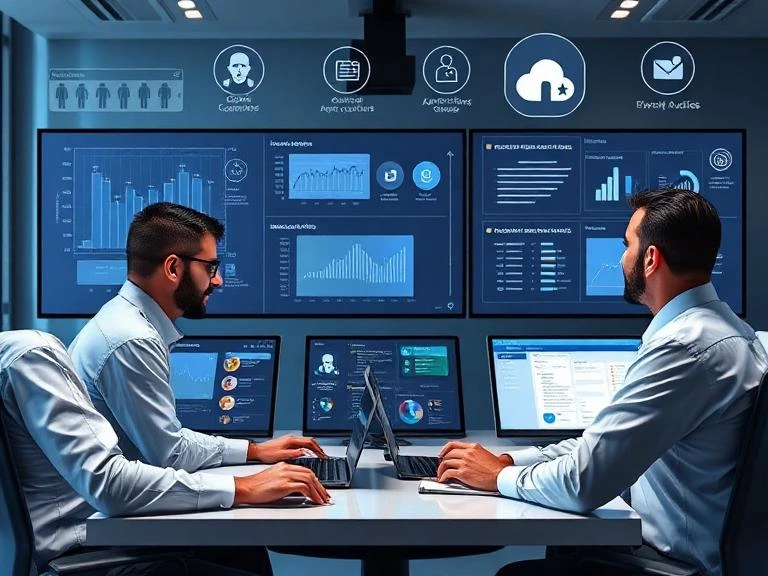
- Importance of Technology and Tools: The role of technology in remote auditing cannot be overstated. Effective use of digital tools is essential for conducting comprehensive assessments of internal controls. Auditors must leverage advanced technologies, such as data analytics and cloud-based solutions, to enhance their ability to evaluate controls remotely. These tools not only improve efficiency but also provide auditors with greater insights into the effectiveness of internal controls, enabling them to identify potential risks and areas for improvement.
The impact of remote auditing on the assessment of internal controls is profound. By embracing new methodologies, addressing documentation challenges, and leveraging technology, internal auditors can ensure that their assessments remain robust and effective in a remote environment. This evolution not only enhances the audit process but also strengthens the overall governance framework within organizations.
Best Practices for Remote Auditing
As the landscape of internal auditing continues to evolve, particularly in the wake of increased remote work, it is essential for internal auditors and compliance managers to adapt their strategies to ensure effective assessments of internal controls. Here are some actionable strategies to enhance the effectiveness of remote auditing:
1. Utilizing Technology Effectively
- Software Tools for Collaboration: Leverage cloud-based platforms that facilitate real-time collaboration among audit teams and stakeholders. Tools such as Microsoft Teams, Zoom, or Slack can enhance communication and ensure that all parties are aligned throughout the audit process. Additionally, document management systems like SharePoint or Google Drive can streamline the documentation process, making it easier to share and access necessary files securely [6].
- Data Analytics and Automation: Incorporate data analytics tools to analyze large volumes of data efficiently. This can help auditors identify trends and anomalies that may indicate control weaknesses. Automation can also reduce manual errors and free up time for auditors to focus on more complex areas of the audit.
2. Maintaining Communication with Stakeholders
- Regular Updates and Check-ins: Establish a routine for regular updates with stakeholders to discuss progress, findings, and any challenges encountered during the audit. This fosters transparency and builds trust, which is crucial in a remote environment [10].
- Clear Expectations: Set clear expectations regarding timelines, deliverables, and communication protocols at the outset of the audit. This clarity helps prevent misunderstandings and ensures that all parties are on the same page [12].
3. Ensuring Thorough Training for Auditors and Clients
- Training Programs: Develop comprehensive training programs for both auditors and clients on remote auditing practices. This should include familiarization with the technology being used, understanding the remote audit process, and best practices for maintaining internal controls in a virtual environment [3].
- Simulations and Role-Playing: Conduct simulations or role-playing exercises to prepare auditors for potential challenges they may face during remote audits. This hands-on approach can enhance their confidence and effectiveness in real-world scenarios [8].
By implementing these best practices, internal auditors can navigate the complexities of remote auditing while ensuring that internal controls are assessed thoroughly and effectively. The shift to remote auditing is not just a temporary adjustment; it represents a fundamental change in how audits are conducted, necessitating a proactive approach to maintain audit quality and compliance in a digital world.
Future Trends in Remote Auditing and Internal Controls
Considering internal audit, the shift towards remote auditing has fundamentally altered the landscape of internal controls, particularly in the wake of the pandemic. As organizations adapt to new ways of working, it is essential to explore the potential future developments in remote auditing and their implications for internal controls. Here are some key points to consider:
- Permanence of Remote Auditing Practices: The pandemic has accelerated the adoption of remote auditing, and many experts predict that these practices will remain a staple in the auditing process even after the pandemic subsides. Organizations have recognized the efficiency and flexibility that remote auditing offers, allowing auditors to overcome geographical barriers and conduct assessments more effectively. This shift is likely to lead to a more permanent integration of remote auditing into standard practices, reshaping how internal controls are assessed and monitored [1].
- Evolving Role of Internal Auditors: In a hybrid work environment, the role of internal auditors is evolving significantly. Auditors are now required to adapt their methodologies and tools to accommodate teams working from various locations. This includes leveraging digital communication channels and cloud-based technologies to conduct assessments. As a result, internal auditors will need to develop new skills and competencies to effectively navigate this changing landscape, ensuring that internal controls remain robust and effective [3].
- Emerging Technologies Shaping the Future: The future of remote auditing is being shaped by the increasing use of emerging technologies such as artificial intelligence (AI) and data analytics. These technologies can enhance the efficiency and effectiveness of audits by providing deeper insights into internal controls and identifying potential risks more quickly. As organizations continue to embrace these innovations, internal auditors will need to stay informed about technological advancements and integrate them into their auditing practices to maintain compliance and mitigate risks [11].
The impact of remote auditing on internal controls is profound and multifaceted. As organizations navigate this new reality, internal auditors and compliance managers must remain vigilant and adaptable, embracing the changes brought about by remote auditing while ensuring that internal controls are not only maintained but also enhanced through the use of technology and innovative practices.
Conclusion
Talking about internal audit, the shift to remote auditing has significantly transformed the landscape of internal controls, presenting both challenges and opportunities for internal auditors and compliance managers. As organizations have adapted to this new environment, it has become evident that remote auditing can enhance the assessment of internal controls in several ways:
- Increased Efficiency: Remote auditing allows auditors to utilize information and communication technology alongside data analytics, enabling them to assess financial data and internal controls without the need for physical presence. This has proven to be an effective method for gathering electronic evidence and interacting with clients, ultimately leading to improved audit quality and efficiency.
- Broader Talent Pool: The remote nature of auditing has expanded the availability of auditors, including part-time workers and retirees, which can enhance the diversity and expertise within audit teams. This flexibility can lead to more innovative approaches to internal controls and auditing practices [7].
- Enhanced Monitoring and Collaboration: The necessity for increased supervisor monitoring of remote auditors has led to improved communication and collaboration among teams. This can foster a culture of continuous improvement and adaptability, which is crucial in maintaining robust internal controls.
As we reflect on these insights, it is essential for internal auditors to embrace the changes brought about by remote auditing. Leveraging technology not only enhances the efficiency of audit processes but also strengthens the overall effectiveness of internal controls.
In conclusion, the transition to remote auditing is not merely a temporary adjustment but a significant evolution in the auditing profession. Internal auditors and compliance managers are encouraged to proactively adapt their practices, continuously seek improvement, and embrace the technological advancements that facilitate this transformation. By doing so, they can ensure that their organizations remain resilient and compliant in an ever-changing business environment.
Find out more about Shaun Stoltz https://www.shaunstoltz.com/about/
This post was written by an AI and reviewed/edited by a human.