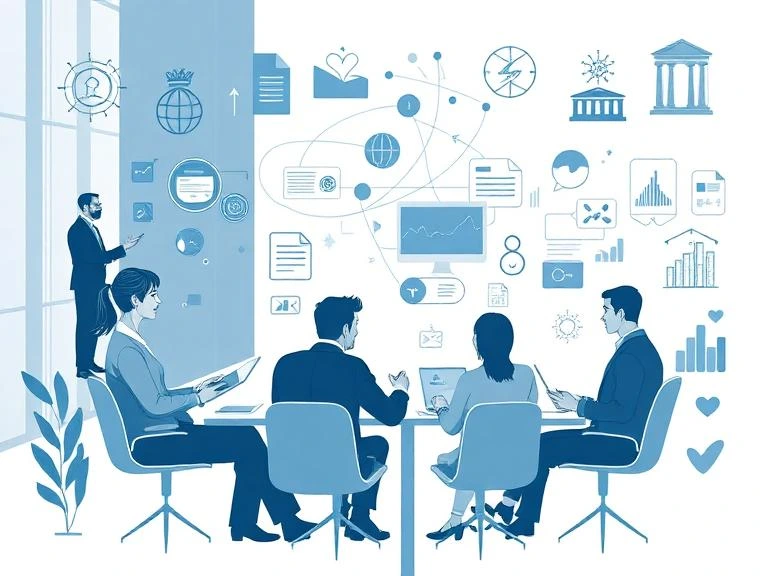
In the evolving landscape of internal auditing, hybrid accounting jobs have emerged as a significant trend, blending traditional in-person auditing with remote work capabilities. This shift has been accelerated by the need for flexibility and efficiency, particularly in response to the challenges posed by the COVID-19 pandemic. Hybrid internal audit roles allow professionals to navigate complex financial environments while leveraging technology to enhance productivity and collaboration. As organizations adapt to this new normal, the relevance of hybrid accounting jobs becomes increasingly apparent, offering auditors the opportunity to maintain effectiveness while working in diverse settings.
In this context, the importance of soft skills—particularly communication and collaboration—cannot be overstated. As internal auditors transition to hybrid roles, the ability to effectively communicate and collaborate with team members, stakeholders, and clients becomes crucial. Soft skills facilitate relationship building, enhance teamwork, and ensure that audit objectives are met, regardless of the physical location of team members. This growing emphasis on interpersonal skills reflects a broader trend in the workplace, where technical expertise alone is no longer sufficient for success.
The target audience for this discussion includes internal auditors, HR professionals, and team leaders who play a pivotal role in shaping the future of audit practices. Understanding the significance of soft skills in hybrid internal audit positions is essential for these stakeholders, as it not only impacts team dynamics and project outcomes but also influences the overall effectiveness of the audit function in a rapidly changing environment. By recognizing and fostering these skills, organizations can better prepare their teams for the challenges and opportunities that lie ahead in the realm of hybrid auditing.
Understanding Hybrid Internal Audit Positions
Considering hybrid accounting jobs, in the evolving landscape of the workplace, hybrid internal audit positions have emerged as a significant trend, blending the flexibility of remote work with the collaborative benefits of in-office environments. These roles are designed to adapt to the changing needs of organizations while ensuring that internal audit functions remain effective and efficient.
Definition of Hybrid Internal Audit Positions
Hybrid internal audit positions are characterized by their integration of both remote and in-office work. This model allows auditors to perform their duties from various locations, providing flexibility while maintaining essential face-to-face interactions when necessary. The hybrid approach not only supports work-life balance but also enhances productivity by allowing auditors to choose their work environment based on the tasks at hand and team collaboration needs. This flexibility is particularly beneficial in the context of internal audits, where communication and collaboration are crucial for success [2].
Evolving Nature of Internal Audit Jobs
The role of internal auditors is rapidly changing, driven by technological advancements and the need for organizations to adapt to new challenges. As businesses increasingly rely on cloud-based software and data analytics, internal auditors are expected to possess a blend of technical and soft skills. This evolution requires auditors to be proficient in managing software tools and interpreting the data they generate, which is essential for providing strategic insights [10].
Moreover, the COVID-19 pandemic has accelerated the shift towards hybrid work models, prompting internal auditors to leverage soft skills such as communication, relationship building, and adaptability. These skills are vital for navigating the complexities of remote collaboration and ensuring that audit projects are completed successfully, regardless of the work environment [13]. The ability to articulate risks and audit findings clearly, both verbally and in writing, is particularly important in hybrid roles, where team members may not always be in the same physical space.
Examples of Hybrid Internal Audit Roles
Hybrid internal audit roles can be found across various industries, reflecting the diverse needs of organizations. For instance:
- Financial Services: Internal auditors in banks may work remotely to analyze data and prepare reports, while also attending in-person meetings to discuss findings with management.
- Healthcare: Auditors in healthcare organizations might conduct remote assessments of compliance and risk management processes, supplemented by on-site visits to evaluate internal controls.
- Technology: In tech companies, internal auditors often collaborate with IT teams remotely to assess cybersecurity risks, while also participating in in-person strategy sessions to align audit objectives with business goals.
These examples illustrate how hybrid internal audit positions can vary significantly based on industry requirements and organizational culture, yet all share a common need for strong communication and collaboration skills to ensure effective audit processes.
Hybrid internal audit positions represent a modern approach to auditing that balances flexibility with the necessity for collaboration. As the role continues to evolve, the importance of soft skills, particularly in communication and teamwork, will remain paramount for internal auditors navigating this new landscape.
The Importance of Communication in Hybrid Roles
In the evolving landscape of internal audit, hybrid accounting jobs are becoming increasingly prevalent. These roles blend remote and in-office work, necessitating a strong emphasis on communication and collaboration. As internal auditors navigate this hybrid environment, the ability to communicate effectively is paramount for ensuring successful team interactions and project outcomes.
Changing Dynamics of Team Interactions
The rise of remote communication tools has significantly transformed how teams interact. Platforms such as video conferencing, instant messaging, and collaborative software have enabled internal auditors to maintain connectivity regardless of their physical location. However, while these tools facilitate communication, they also alter the dynamics of team interactions. For instance, the immediacy of digital communication can lead to quicker decision-making but may also result in misunderstandings if messages are not conveyed clearly. The reliance on technology means that internal auditors must adapt their communication styles to ensure clarity and effectiveness in their exchanges [14].
Challenges of Communication in a Hybrid Environment
Looking at hybrid accounting jobs, despite the advantages of remote communication tools, hybrid environments present unique challenges. One major issue is the potential for misinterpretation of messages. Without the benefit of non-verbal cues—such as body language and facial expressions—internal auditors may struggle to gauge the intent behind a colleague’s words. This lack of context can lead to confusion and conflict, undermining collaboration efforts. Additionally, the asynchronous nature of remote work can create delays in responses, further complicating communication and project timelines [15].
Effective Communication Strategies for Internal Auditors
To navigate these challenges, internal auditors can implement several effective communication strategies:
- Establish Clear Communication Protocols: Setting guidelines for how and when to communicate can help streamline interactions. For example, designating specific times for team meetings or check-ins can ensure that everyone is on the same page and reduce the likelihood of miscommunication.
- Utilize Video Conferencing: Whenever possible, opt for video calls instead of emails or chats. This approach allows for more personal interactions and helps convey non-verbal cues, fostering a better understanding among team members.
- Encourage Open Feedback: Creating an environment where team members feel comfortable providing feedback can enhance communication. Regularly soliciting input on communication practices can help identify areas for improvement and ensure that everyone feels heard.
- Leverage Collaborative Tools: Utilize project management and collaboration tools that allow for real-time updates and discussions. These platforms can help keep everyone informed and engaged, reducing the chances of miscommunication.
- Practice Active Listening: Internal auditors should prioritize active listening during discussions. This involves fully concentrating on the speaker, understanding their message, and responding thoughtfully, which can significantly improve team dynamics and collaboration [11].
The role of communication in hybrid internal audit positions cannot be overstated. By recognizing the challenges posed by remote interactions and implementing effective strategies, internal auditors can enhance collaboration and drive success in their teams. As the workplace continues to evolve, mastering these communication skills will be essential for thriving in hybrid roles.
Collaboration: Key to Successful Hybrid Teams
In the evolving landscape of internal audit, hybrid accounting jobs are becoming increasingly prevalent. These roles blend remote and in-office work, necessitating a strong emphasis on collaboration and communication among team members. The importance of soft skills, particularly in fostering effective teamwork, cannot be overstated. Here are some key points to consider regarding the role of collaboration in hybrid internal audit positions.
Benefits of Collaboration in Achieving Audit Objectives
- Enhanced Problem-Solving: Collaboration allows team members to pool their diverse skills and perspectives, leading to more innovative solutions to complex audit challenges. This collective approach can significantly enhance the quality of audit findings and recommendations [10].
- Increased Efficiency: When team members work together effectively, they can streamline processes and reduce redundancies. This efficiency is crucial in meeting tight deadlines often associated with audit cycles.
- Improved Communication: Regular collaboration fosters open lines of communication, ensuring that all team members are aligned on objectives and expectations. This clarity is essential for maintaining the integrity and accuracy of audit work [13].
Barriers to Collaboration in Hybrid Work Settings
While hybrid work offers flexibility, it can also introduce challenges that hinder collaboration:
- Physical Distance: The separation of team members can lead to feelings of isolation and disconnection, making it difficult to build rapport and trust. This can be particularly detrimental in audit roles where teamwork is essential for thoroughness and accuracy [10].
- Technology Gaps: Not all team members may have equal access to technology or be equally proficient in using collaboration tools. This disparity can create barriers to effective communication and teamwork [11].
- Cultural Differences: In hybrid teams, members may come from diverse backgrounds and work cultures, which can lead to misunderstandings if not managed properly. It is crucial to foster an inclusive environment where all voices are heard and valued.
Overcoming Collaboration Barriers
To mitigate these challenges, organizations can implement several strategies:
- Regular Check-Ins: Scheduling frequent virtual meetings can help maintain connections among team members. These check-ins provide opportunities for updates, feedback, and informal interactions that strengthen team dynamics [10].
- Clear Communication Protocols: Establishing guidelines for communication can help ensure that all team members are on the same page. This includes defining preferred communication channels and response times to avoid misunderstandings.
- Team-Building Activities: Engaging in virtual team-building exercises can help foster relationships and build trust among team members. These activities can range from casual social interactions to structured problem-solving tasks [14].
Tools and Methods for Facilitating Teamwork
Several tools and methods can enhance collaboration among hybrid audit professionals:
- Project Management Software: Tools like Asana, Trello, or Microsoft Teams can help teams track progress, assign tasks, and manage deadlines effectively. These platforms provide transparency and accountability, which are vital in audit functions [11].
- Communication Platforms: Utilizing platforms such as Slack or Zoom can facilitate real-time communication and collaboration. These tools allow for quick exchanges of information and help maintain a sense of connection among team members [10].
- Shared Document Repositories: Cloud-based storage solutions like Google Drive or SharePoint enable team members to access and collaborate on documents in real time, ensuring that everyone has the latest information at their fingertips.
Collaboration is a cornerstone of successful hybrid internal audit teams. By recognizing the benefits of teamwork, addressing potential barriers, and leveraging the right tools, organizations can enhance their audit functions and achieve their objectives more effectively. As the internal audit landscape continues to evolve, the emphasis on soft skills, particularly communication and collaboration, will remain critical for success.
Soft Skills That Enhance Performance in Hybrid Internal Audit Roles
Considering hybrid accounting jobs, in the evolving landscape of internal auditing, particularly within hybrid work environments, the significance of soft skills cannot be overstated. As auditors navigate the complexities of remote and in-person interactions, certain interpersonal and cognitive abilities become essential for success. Here, we explore key soft skills that enhance performance in hybrid internal audit roles and how they contribute to effective communication and collaboration.
Key Soft Skills for Hybrid Internal Auditors
- Adaptability: The ability to adjust to changing circumstances is crucial in hybrid settings. Auditors must be flexible in their approaches, whether working remotely or in the office. This adaptability allows them to respond to unexpected challenges and shifts in team dynamics, ensuring that audit processes remain seamless and effective.
- Emotional Intelligence: Understanding and managing one’s emotions, as well as empathizing with others, is vital for fostering strong relationships within teams. Auditors with high emotional intelligence can navigate interpersonal dynamics more effectively, leading to improved collaboration and a more cohesive work environment.
- Problem-Solving: The capacity to analyze situations and devise effective solutions is essential in internal auditing. Auditors often face complex issues that require innovative thinking and collaboration with team members. Strong problem-solving skills enable auditors to work together to identify and implement solutions, enhancing overall team performance [2].
- Communication: Stellar communication skills are paramount in hybrid roles. Auditors must convey their thoughts clearly and listen actively to others. This includes both verbal and written communication, which is essential for sharing insights and ensuring that all team members are aligned on objectives and expectations.
- Collaboration: Effective teamwork is critical in hybrid environments where team members may be dispersed. Auditors need to collaborate across departmental boundaries, sharing knowledge and resources to achieve common goals. Strong collaboration skills facilitate this process, leading to more efficient audits and better outcomes [7].
Contribution to Effective Communication and Collaboration
The integration of these soft skills significantly enhances communication and collaboration among internal audit teams. For instance, adaptability allows auditors to pivot their communication styles based on the preferences of their colleagues, fostering a more inclusive environment. Emotional intelligence helps auditors to read the room and adjust their interactions accordingly, which can prevent misunderstandings and conflicts.
Moreover, problem-solving skills encourage a culture of open dialogue, where team members feel comfortable sharing ideas and solutions. This collaborative spirit is essential for successful audits, as it enables teams to leverage diverse perspectives and expertise.
The role of soft skills in hybrid internal audit positions is critical. By focusing on adaptability, emotional intelligence, problem-solving, communication, and collaboration, auditors can enhance their performance and contribute to the success of their teams in a hybrid work environment. These skills not only facilitate effective teamwork but also drive positive outcomes for organizations navigating the complexities of modern auditing.
Training and Development for Soft Skills
Focusing on hybrid accounting jobs, in the evolving landscape of hybrid internal audit positions, the significance of soft skills—particularly communication and collaboration—cannot be overstated. As internal auditors navigate a blend of remote and in-office work, ongoing training and development focused on these skills is essential for both individual and organizational success.
Importance of Ongoing Training and Development: Continuous improvement in soft skills is crucial for internal auditors to effectively engage with colleagues and clients. Strong communication abilities foster better relationships, enhance teamwork, and facilitate clearer reporting, which are vital in a hybrid work environment. Organizations that invest in the development of these skills can expect improved collaboration and a more cohesive team dynamic, ultimately leading to more successful audit outcomes [2].
Training Programs and Resources: Various training programs and workshops are available to help internal auditors enhance their soft skills. These may include:
- Communication Workshops: Focused on verbal and written communication, these workshops can help auditors articulate their findings more effectively and engage with stakeholders.
- Team-Building Activities: These activities promote collaboration and relationship-building among team members, which is especially important in a hybrid setting where team members may not interact face-to-face regularly.
- Continuous Learning Initiatives: Encouraging auditors to participate in webinars, online courses, and professional development seminars can help them stay updated on best practices in communication and collaboration.
Prioritizing Soft Skills in Training Initiatives: Organizations should recognize the value of soft skills as integral to their internal audit training programs. By prioritizing these skills, companies can create a more adaptable and resilient audit team. This can be achieved by:
- Integrating Soft Skills into Performance Reviews: Regular assessments can help identify areas for improvement and encourage auditors to focus on developing their interpersonal skills.
- Creating a Culture of Feedback: Encouraging open communication and constructive feedback among team members can foster an environment where soft skills are continuously developed and valued [11].
As the role of internal auditors continues to evolve in a hybrid work environment, the emphasis on soft skills training and development becomes increasingly important. By investing in these areas, organizations can enhance their audit teams’ effectiveness, ensuring they are well-equipped to meet the challenges of modern auditing.
Conclusion
Looking back at hybrid accounting jobs, in the evolving landscape of internal audit, particularly within hybrid roles, the importance of soft skills cannot be overstated. As organizations increasingly adopt flexible work arrangements, the ability to communicate effectively and collaborate with team members—regardless of their physical location—has become essential. Internal auditors must not only possess strong technical skills but also excel in interpersonal abilities that foster teamwork and understanding.
- Significance of Communication and Collaboration: In hybrid internal audit positions, clear communication is vital for ensuring that all team members are aligned on objectives and expectations. This is especially true when team members may be working remotely or in different locations. Effective collaboration enhances the audit process, allowing for diverse perspectives and insights that can lead to more comprehensive evaluations and recommendations.
- Cultivating Soft Skills: It is crucial for auditors and HR professionals to recognize the value of soft skills in their teams. By prioritizing the development of these skills, organizations can create a more adaptable and resilient workforce. Training programs that focus on enhancing communication, empathy, and teamwork can significantly improve the effectiveness of internal audit functions in a hybrid environment.
- Self-Assessment and Development Opportunities: We encourage readers to take a moment to assess their own skill sets. Identifying areas for improvement in soft skills can lead to personal and professional growth. Seeking out development opportunities—such as workshops, mentorship programs, or online courses—can empower internal auditors to thrive in their roles and contribute positively to their organizations.
In summary, as the role of internal auditors continues to evolve, embracing and enhancing soft skills will be key to success in hybrid positions. By fostering a culture that values communication and collaboration, organizations can ensure that their internal audit teams are not only technically proficient but also equipped to navigate the complexities of modern business environments.
Find out more about Shaun Stoltz https://www.shaunstoltz.com/about/
This post was written by an AI and reviewed/edited by a human.