Introduction to Project Governance
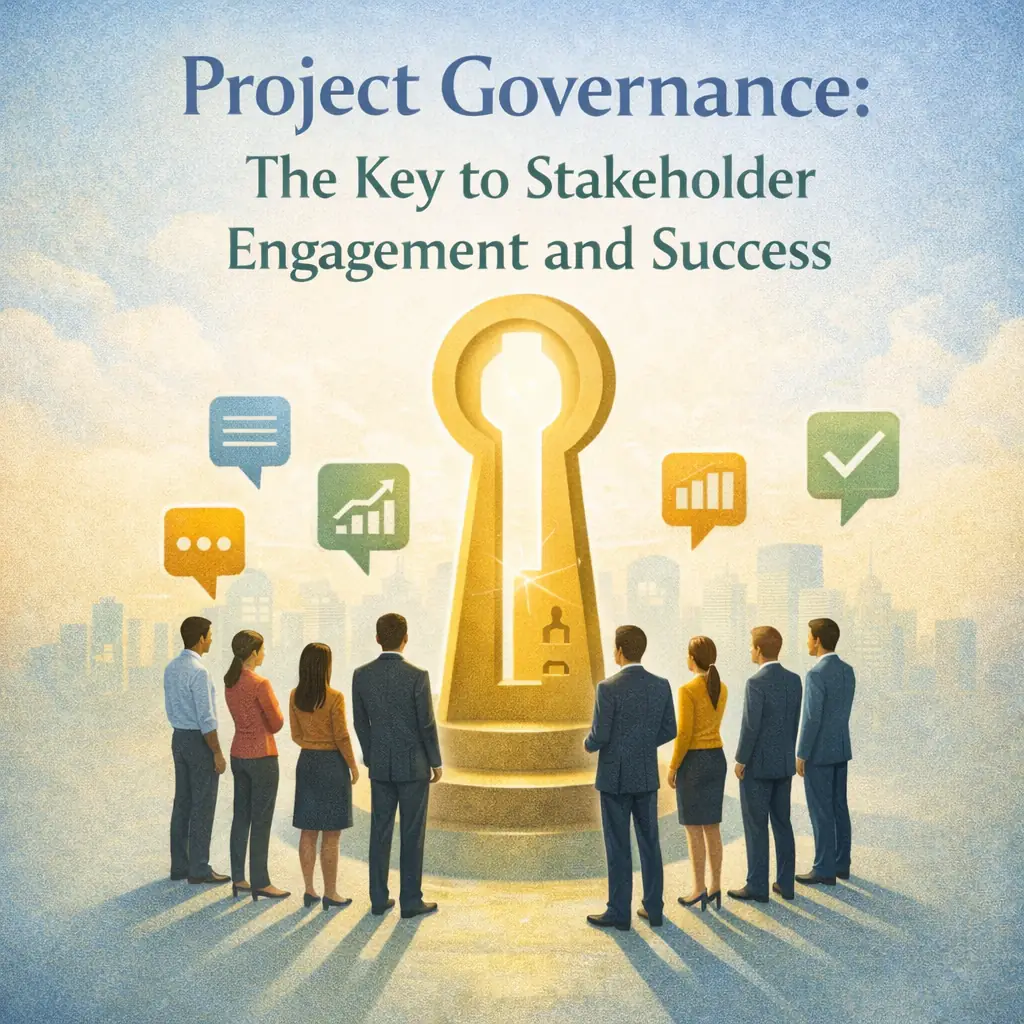
Project governance is a critical framework that guides project management practices, ensuring that projects are executed effectively and align with organizational goals. It encompasses the structures, processes, and decision-making mechanisms that define how projects are managed and controlled. Understanding project governance is essential for project managers and stakeholder engagement specialists, as it lays the foundation for successful project outcomes.
Definition and Importance of Project Governance
At its core, project governance refers to the set of policies, regulations, and procedures that dictate how a project is directed and controlled. It establishes clear roles and responsibilities, decision-making authority, and accountability mechanisms among stakeholders. The importance of project governance can be summarized as follows:
- Clarity and Structure: Governance provides a structured approach to project management, ensuring that all stakeholders understand their roles and responsibilities. This clarity helps prevent misunderstandings and conflicts, which can derail project progress.
- Risk Management: Effective governance frameworks include risk management strategies that identify potential issues early on, allowing teams to mitigate risks before they escalate. This proactive approach is vital for maintaining project timelines and budgets.
- Alignment with Organizational Goals: Governance ensures that projects align with the broader objectives of the organization. By establishing clear criteria for project selection and prioritization, governance helps ensure that resources are allocated to initiatives that deliver the most value.
The Relationship Between Governance, Project Success, and Stakeholder Engagement
The relationship between project governance and success is profound. Strong governance frameworks foster stakeholder engagement, which is crucial for project success. Here are some key points illustrating this relationship:
- Enhanced Collaboration: Governance structures facilitate collaboration among stakeholders by providing a platform for communication and decision-making. When stakeholders are engaged and their voices are heard, they are more likely to support project initiatives and contribute to their success.
- Informed Decision-Making: Effective governance ensures that decisions are made based on accurate information and stakeholder input. This inclusivity leads to better decision-making, as diverse perspectives are considered, ultimately enhancing project outcomes.
- Accountability and Trust: A well-defined governance framework promotes accountability among stakeholders. When stakeholders understand their responsibilities and the decision-making process, trust is built, leading to stronger collaboration and commitment to project goals.
Main Themes of the Blog Post
This blog post will delve deeper into the themes of project governance, focusing on the following aspects:
- Collaboration: We will explore how effective governance fosters collaboration among stakeholders, highlighting practical examples of successful projects that utilized strong governance frameworks to engage stakeholders effectively.
- Practical Examples: Real-world case studies will be presented to illustrate the impact of governance on project success. These examples will demonstrate how different organizations have implemented governance structures to enhance stakeholder engagement and achieve their project objectives.
Understanding Stakeholder Engagement
Stakeholder engagement is a critical component that directly influences the success of a project. It involves the systematic identification, analysis, and management of individuals or groups that can affect or are affected by the project. Here’s a closer look at the concept and its significance in project governance.
Definition of Stakeholder Engagement
Stakeholder engagement refers to the process of involving stakeholders in decision-making and project activities. It encompasses a range of activities aimed at building relationships, ensuring that stakeholders’ needs and expectations are understood and addressed. Effective engagement is not merely about communication; it is about fostering collaboration and creating a sense of ownership among stakeholders throughout the project lifecycle. This engagement is essential for aligning project objectives with stakeholder interests, which can lead to enhanced support and reduced resistance to change.
Types of Stakeholders in Projects
Projects typically involve a diverse array of stakeholders, each with unique interests and levels of influence. Key categories of stakeholders include:
- Internal Stakeholders: These are individuals or groups within the organization, such as project team members, management, and employees. Their engagement is crucial as they directly contribute to project execution and outcomes.
- External Stakeholders: This group includes clients, suppliers, regulatory bodies, and the community. Their perspectives can significantly impact project direction and success, making their engagement vital for compliance and support.
- Primary Stakeholders: These stakeholders are directly affected by the project outcomes, such as customers who will use the final product or service.
- Secondary Stakeholders: While not directly impacted, these stakeholders can influence the project through their opinions or actions, such as media or advocacy groups.
Contribution of Effective Engagement to Project Success
Effective stakeholder engagement is a cornerstone of successful project governance. Here’s how it contributes to project success:
- Enhanced Communication: Regular and transparent communication fosters trust and keeps stakeholders informed about project progress, changes, and challenges. This transparency can mitigate misunderstandings and conflicts.
- Increased Buy-in and Support: When stakeholders feel involved and valued, they are more likely to support the project. This buy-in can lead to increased resource allocation, smoother implementation, and a more favorable project environment.
- Risk Mitigation: Engaging stakeholders allows project managers to identify potential risks early on. By understanding stakeholder concerns and expectations, project teams can proactively address issues before they escalate.
- Improved Decision-Making: Diverse stakeholder perspectives can lead to more informed decision-making. By incorporating various viewpoints, project managers can develop solutions that are more likely to meet the needs of all parties involved.
- Sustainable Outcomes: Projects that prioritize stakeholder engagement are more likely to achieve sustainable outcomes. Engaged stakeholders are more inclined to support the project long-term, ensuring that benefits are realized even after project completion.
The Role of Governance in Stakeholder Collaboration
Effective project governance is crucial for fostering collaboration among stakeholders, ensuring that projects are not only completed on time and within budget but also meet the needs and expectations of all parties involved. Here are some key points that illustrate the importance of governance in enhancing stakeholder collaboration:
Principles of Effective Project Governance
- Transparency: Transparency in project governance involves open communication about project goals, progress, and challenges. This principle ensures that all stakeholders are informed and can provide input, which fosters trust and encourages active participation. When stakeholders understand the decision-making processes and the rationale behind them, they are more likely to engage constructively.
- Accountability: Establishing clear roles and responsibilities is essential for accountability in project governance. When stakeholders know who is responsible for what, it minimizes confusion and enhances collaboration. Accountability mechanisms, such as regular reporting and performance reviews, help ensure that all parties are committed to the project’s success.
- Inclusiveness: Effective governance practices promote inclusiveness by ensuring that all relevant stakeholders have a voice in the project. This can be achieved through stakeholder mapping and engagement strategies that identify key players and their interests. By involving diverse perspectives, projects can benefit from a wider range of insights and solutions.
Enhancing Communication and Collaboration
Governance structures play a pivotal role in enhancing communication and collaboration among stakeholders. Here are some ways in which they do this:
- Defined Communication Channels: Governance frameworks establish clear communication channels that facilitate information sharing. Regular meetings, updates, and feedback loops ensure that stakeholders are aligned and can address issues promptly. This structured approach to communication helps prevent misunderstandings and fosters a collaborative environment.
- Conflict Resolution Mechanisms: Effective governance includes mechanisms for resolving conflicts that may arise among stakeholders. By having predefined processes for addressing disagreements, projects can maintain momentum and collaboration, even in challenging situations. This proactive approach to conflict resolution encourages stakeholders to engage openly and work towards common goals.
- Stakeholder Engagement Plans: Governance frameworks often include stakeholder engagement plans that outline how and when stakeholders will be involved throughout the project lifecycle. These plans ensure that stakeholders are not only informed but also actively participate in decision-making processes, leading to better outcomes and increased buy-in.
Examples of Governance Frameworks Promoting Stakeholder Engagement
Several governance frameworks exemplify how effective governance can enhance stakeholder collaboration:
- PRINCE2 (Projects in Controlled Environments): This project management methodology emphasizes the importance of stakeholder engagement through its structured approach to governance. PRINCE2 includes defined roles and responsibilities, regular communication, and a focus on delivering value to stakeholders, which fosters collaboration and accountability.
- PMBOK (Project Management Body of Knowledge): The PMBOK framework outlines processes and best practices for project governance, including stakeholder management. By emphasizing the need for stakeholder identification, analysis, and engagement, PMBOK encourages project managers to actively involve stakeholders throughout the project lifecycle.
- Agile Governance: Agile methodologies promote adaptive governance structures that encourage continuous stakeholder involvement. Regular feedback loops, such as sprint reviews and retrospectives, allow stakeholders to provide input and influence project direction, enhancing collaboration and responsiveness to changing needs.
Challenges in Project Governance and Stakeholder Engagement
Effective project governance is crucial for ensuring that projects meet their objectives while engaging stakeholders throughout the process. However, project managers often encounter several challenges that can hinder governance and stakeholder collaboration. Below are some typical challenges, their impacts, and strategies to overcome them.
Typical Challenges in Establishing Effective Governance
- Conflicting Interests: Stakeholders often have diverse and sometimes conflicting interests, which can complicate decision-making processes. For instance, while one stakeholder may prioritize cost reduction, another may focus on quality or sustainability. This divergence can lead to tensions and disagreements, making it difficult to establish a unified governance framework.
- Lack of Communication: Effective communication is the backbone of successful governance. A lack of clear communication channels can result in misunderstandings, misinformation, and disengagement among stakeholders. When stakeholders are not adequately informed about project developments, their ability to contribute meaningfully is compromised.
- Inadequate Stakeholder Identification: Failing to identify all relevant stakeholders can lead to significant gaps in governance. If key stakeholders are overlooked, their insights and concerns may not be addressed, leading to resistance and a lack of buy-in for project initiatives.
- Insufficient Governance Structures: Many projects suffer from poorly defined governance structures, which can create ambiguity in roles and responsibilities. Without clear guidelines, stakeholders may be unsure of their contributions, leading to inefficiencies and potential conflicts.
Impact of Challenges on Stakeholder Engagement and Project Outcomes
- Decreased Engagement: When stakeholders feel their interests are not represented or their voices are not heard, their engagement diminishes. This disengagement can lead to a lack of support for the project, ultimately affecting its success.
- Increased Risk of Project Failure: Conflicting interests and poor communication can result in misaligned objectives, which may derail project timelines and outcomes. Projects that do not effectively manage stakeholder expectations are at a higher risk of failure.
- Lowered Trust and Collaboration: A lack of effective governance can erode trust among stakeholders. When stakeholders perceive that their concerns are not being addressed, collaboration becomes strained, further complicating project execution.
Strategies to Overcome Challenges and Enhance Governance Practices
- Establish Clear Governance Frameworks: Develop a robust governance structure that clearly defines roles, responsibilities, and decision-making processes. This framework should be communicated to all stakeholders to ensure everyone understands their contributions and the overall governance model.
- Enhance Communication Channels: Implement regular communication strategies, such as stakeholder meetings, newsletters, and updates, to keep all parties informed. Utilizing collaborative tools can facilitate real-time communication and feedback, fostering a more inclusive environment.
- Engage Stakeholders Early and Often: Involve stakeholders from the project’s inception to ensure their interests and concerns are considered. Regular engagement helps build trust and encourages stakeholders to take an active role in the project.
- Conduct Stakeholder Analysis: Perform a thorough stakeholder analysis to identify all relevant parties and understand their interests, influence, and potential impact on the project. This analysis can guide governance strategies and ensure that all voices are heard.
- Foster a Culture of Collaboration: Encourage a collaborative culture by promoting open dialogue and mutual respect among stakeholders. Facilitate workshops or team-building activities to strengthen relationships and enhance teamwork.
By addressing these challenges and implementing effective governance practices, project managers can significantly improve stakeholder engagement and increase the likelihood of project success. Emphasizing collaboration and communication will not only enhance governance but also create a more cohesive project environment.
Best Practices for Effective Project Governance
Effective project governance is essential for fostering stakeholder collaboration and ensuring project success. By implementing a robust governance framework, project managers can enhance engagement, streamline communication, and align project objectives with stakeholder expectations. Here are some actionable best practices to consider:
1. Establish Clear Roles and Responsibilities
- Define Governance Structure: Clearly outline the governance structure, including the roles of project sponsors, steering committees, and project managers. This clarity helps in understanding who is responsible for decision-making and accountability.
- Role Descriptions: Provide detailed descriptions of each role, including responsibilities and expectations. This ensures that all stakeholders know their contributions and how they fit into the larger project framework.
2. Implement Regular Updates and Communication
- Scheduled Meetings: Organize regular meetings with stakeholders to provide updates on project progress, challenges, and changes. This keeps everyone informed and engaged.
- Transparent Reporting: Use dashboards or reports to share project metrics and milestones. Transparency in reporting fosters trust and encourages stakeholder involvement.
3. Foster Continuous Stakeholder Involvement
- Engagement Strategies: Develop strategies to involve stakeholders at every stage of the project lifecycle. This could include workshops, feedback sessions, and surveys to gather input and address concerns.
- Feedback Loops: Create mechanisms for stakeholders to provide ongoing feedback. This not only enhances engagement but also allows for timely adjustments based on stakeholder insights.
4. Encourage Flexibility and Adaptability
- Responsive Governance: Be prepared to adapt governance practices based on stakeholder needs and project dynamics. Flexibility can lead to more effective decision-making and improved stakeholder satisfaction.
- Iterative Processes: Implement iterative processes that allow for adjustments in governance as the project evolves. This approach helps in accommodating changes in stakeholder priorities or project scope.
5. Promote a Collaborative Culture
- Team Building Activities: Engage stakeholders in team-building activities to strengthen relationships and foster a collaborative environment. A positive culture encourages open communication and shared ownership of project outcomes.
- Conflict Resolution Mechanisms: Establish clear processes for resolving conflicts among stakeholders. Addressing issues promptly can prevent escalation and maintain a focus on project goals.
6. Leverage Technology for Governance
- Project Management Tools: Utilize project management software to facilitate communication, document sharing, and task tracking. Technology can streamline governance processes and enhance stakeholder engagement.
- Virtual Collaboration Platforms: Implement virtual collaboration tools to connect remote stakeholders, ensuring that everyone has a voice regardless of their location.
By adopting these best practices, project managers can create a governance framework that not only enhances stakeholder engagement but also drives project success. Effective governance is not a one-time effort; it requires ongoing commitment and adaptation to meet the evolving needs of stakeholders throughout the project lifecycle.
Conclusion
Effective governance serves as the backbone for successful stakeholder engagement and project outcomes. Throughout this discussion, we have highlighted several critical aspects of governance that underscore its importance:
- Facilitating Stakeholder Engagement: Governance structures provide a clear framework for communication and decision-making, ensuring that all stakeholders are informed and involved. This transparency fosters trust and collaboration, which are essential for aligning project objectives with stakeholder expectations.
- Adopting Effective Governance Practices: Project managers are encouraged to implement robust governance practices that not only define roles and responsibilities but also establish processes for conflict resolution and stakeholder feedback. By doing so, they can create an environment where stakeholders feel valued and empowered to contribute to the project’s success.
In conclusion, the integration of strong governance practices is vital for fostering stakeholder engagement and driving project success. By prioritizing governance, project managers can enhance collaboration, mitigate risks, and ultimately achieve their project goals.
Find out more about Shaun Stoltz https://www.shaunstoltz.com/about/.
This post was written by an AI and reviewed/edited by a human.