Introduction to Life Cycle Management
Life cycle management (LCM) is a critical aspect of project management that encompasses the planning, execution, monitoring, and closure of projects. It refers to the systematic approach to managing a project from its inception to its completion, ensuring that all phases are effectively coordinated and aligned with the project’s objectives. Understanding LCM is essential for project managers as it provides a framework for delivering projects successfully while optimizing resources and minimizing risks.
Definition of Life Cycle Management in Project Management
In the context of project management, life cycle management can be defined as the process of overseeing a project through its various stages, which include initiation, planning, execution, monitoring and controlling, and closure. This approach ensures that all aspects of the project are considered and managed effectively, from the initial concept to the final delivery and beyond. LCM emphasizes the importance of integrating project management practices with the overall strategic goals of the organization, thereby enhancing the project’s value and sustainability.
Importance of Life Cycle Management for Project Success
The significance of life cycle management in project management cannot be overstated. Here are some key reasons why LCM is vital for project success:
- Enhanced Planning and Control: By following a structured life cycle, project managers can better plan and control project activities, leading to improved resource allocation and time management.
- Risk Mitigation: LCM allows for the identification and assessment of potential risks at each phase of the project, enabling proactive measures to be taken to mitigate these risks.
- Stakeholder Engagement: Effective life cycle management fosters better communication and collaboration among stakeholders, ensuring that their needs and expectations are met throughout the project.
- Quality Assurance: By adhering to a defined life cycle, project managers can implement quality control measures at each stage, ensuring that the final deliverable meets the required standards and specifications.
- Continuous Improvement: LCM encourages the evaluation of project outcomes and processes, facilitating lessons learned that can be applied to future projects for continuous improvement.
Overview of the Traditional Project Management Life Cycle Phases
The traditional project management life cycle is typically divided into five key phases:
- Initiation: This phase involves defining the project, identifying stakeholders, and obtaining necessary approvals. It sets the foundation for the project by establishing its objectives and scope.
- Planning: During this phase, project managers develop a detailed project plan that outlines the tasks, timelines, resources, and budget required to achieve the project goals. This phase is crucial for setting clear expectations and ensuring alignment among stakeholders.
- Execution: In this phase, the project plan is put into action. Project teams carry out the tasks defined in the planning phase, and project managers monitor progress to ensure that the project stays on track.
- Monitoring and Controlling: This phase runs concurrently with execution and involves tracking project performance against the plan. Project managers assess progress, manage changes, and address any issues that arise to keep the project aligned with its objectives.
- Closure: The final phase involves completing all project activities, obtaining stakeholder acceptance, and formally closing the project. This phase also includes conducting a post-project evaluation to capture lessons learned and improve future project management practices.
Current Trends in Life Cycle Management
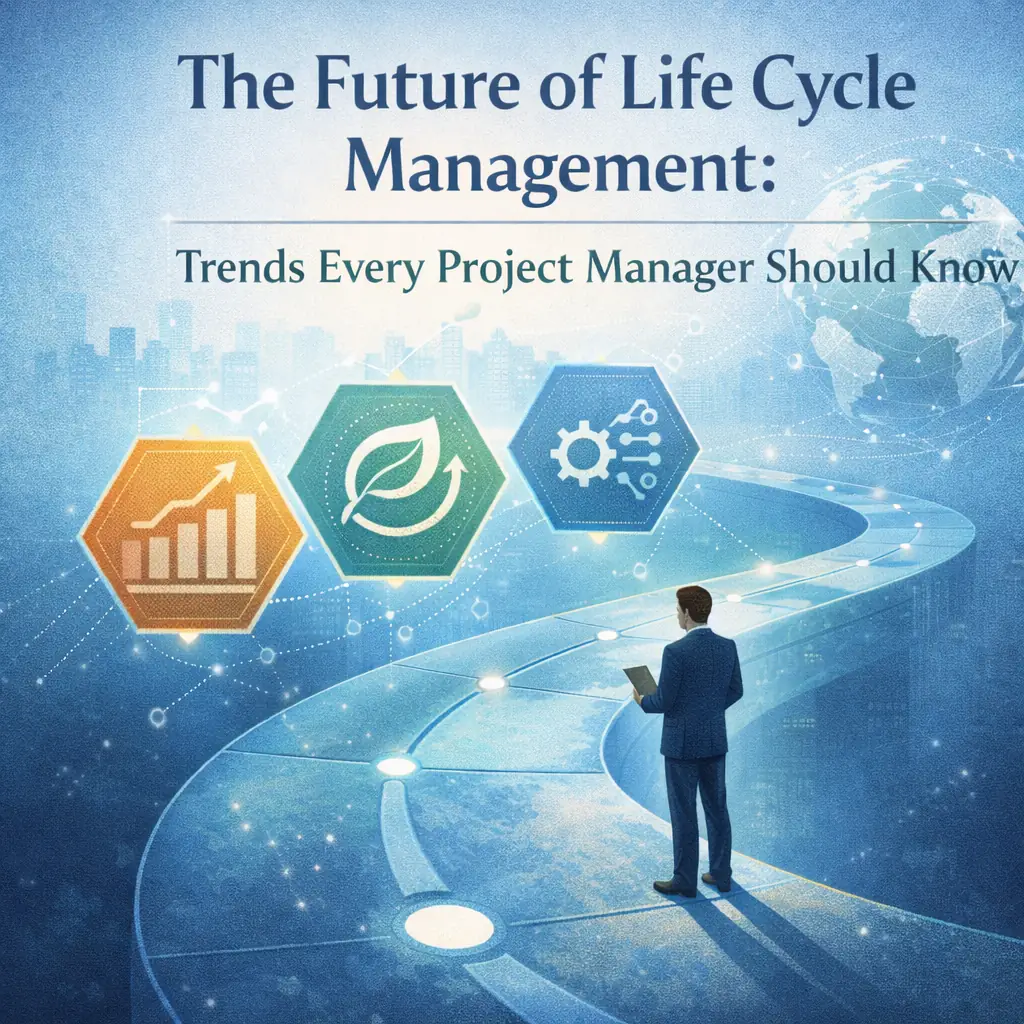
Life cycle management (LCM) is undergoing significant transformations. Project managers must stay abreast of these trends to effectively navigate the complexities of modern projects. Here are some key trends currently shaping life cycle management practices:
1. Shift Towards Agile Methodologies
The adoption of agile methodologies is revolutionizing how project life cycles are managed. Traditional project management often follows a linear, sequential approach, which can be inflexible in the face of changing requirements. In contrast, agile emphasizes iterative development, allowing teams to adapt quickly to feedback and evolving project needs. This shift has several implications for life cycle management:
- Increased Flexibility: Agile methodologies enable project managers to adjust project scopes and timelines based on real-time feedback, enhancing responsiveness to stakeholder needs.
- Enhanced Collaboration: Agile promotes cross-functional teams and continuous communication, fostering a collaborative environment that can lead to more innovative solutions throughout the project life cycle.
- Focus on Value Delivery: By prioritizing customer satisfaction and delivering incremental value, agile practices ensure that project outcomes align closely with stakeholder expectations.
2. Integration of Digital Tools and Software
The integration of digital tools and software is transforming life cycle management by streamlining processes and enhancing data visibility. Project management software solutions are increasingly equipped with features that support the entire project life cycle, from initiation to closure. Key benefits include:
- Real-Time Data Access: Digital tools provide project managers with immediate access to project data, enabling informed decision-making and timely adjustments.
- Automation of Routine Tasks: Automation features reduce the burden of repetitive tasks, allowing project teams to focus on strategic activities that drive project success.
- Improved Tracking and Reporting: Advanced analytics and reporting capabilities help project managers monitor progress, identify bottlenecks, and communicate effectively with stakeholders.
3. Emphasis on Sustainability and Environmental Considerations
As global awareness of environmental issues grows, sustainability has become a critical consideration in project life cycles. Project managers are increasingly tasked with integrating sustainable practices into their projects, which influences various aspects of life cycle management:
- Sustainable Resource Management: Projects are now evaluated based on their resource consumption and environmental impact, prompting managers to seek eco-friendly materials and practices.
- Regulatory Compliance: With stricter environmental regulations, project managers must ensure that their projects comply with sustainability standards, which can affect planning and execution phases.
- Long-Term Value Creation: Emphasizing sustainability not only addresses environmental concerns but also enhances the long-term viability of projects, appealing to stakeholders who prioritize corporate social responsibility.
Emerging Trends Shaping the Future of Life Cycle Management
Life cycle management (LCM) is increasingly influenced by technological advancements and changing work environments. Here are some key trends that project management professionals and industry analysts should be aware of:
1. The Rise of Artificial Intelligence and Machine Learning
- Automation of Processes: AI and machine learning are streamlining various aspects of life cycle management by automating routine tasks. This allows project managers to focus on strategic decision-making rather than administrative duties.
- Predictive Analytics: These technologies enable predictive analytics, which can forecast project outcomes based on historical data. This capability helps in identifying potential risks and opportunities early in the project life cycle, leading to more informed decision-making.
- Enhanced Resource Management: AI tools can optimize resource allocation by analyzing project requirements and team performance, ensuring that the right resources are available at the right time.
2. Increased Focus on Data Analytics for Decision-Making and Forecasting
- Data-Driven Insights: The integration of advanced data analytics into life cycle management allows project managers to derive actionable insights from vast amounts of data. This trend emphasizes the importance of data literacy among project teams.
- Real-Time Monitoring: With the use of data analytics, project managers can monitor project performance in real-time, enabling them to make timely adjustments and improve overall project outcomes.
- Enhanced Reporting: Data analytics tools facilitate more comprehensive reporting, providing stakeholders with clear visibility into project progress, resource utilization, and budget adherence.
3. Trends in Remote and Hybrid Project Management Strategies
- Flexible Work Environments: The shift towards remote and hybrid work models has transformed how projects are managed. Project managers must adapt their life cycle management strategies to accommodate teams that may be distributed across various locations.
- Collaboration Tools: The rise of digital collaboration tools has made it easier for project teams to communicate and collaborate effectively, regardless of their physical location. This trend is essential for maintaining productivity and engagement in remote settings.
- Agile Methodologies: The adoption of agile methodologies is becoming more prevalent in remote project management. Agile practices allow for greater flexibility and responsiveness to change, which is crucial in dynamic project environments.
The Role of Stakeholder Engagement in Life Cycle Management
Stakeholder engagement is a critical component that significantly influences the success of a project throughout its life cycle. As project managers navigate the complexities of their projects, understanding and implementing effective strategies for stakeholder communication and involvement can lead to enhanced project outcomes. Here are some key points to consider regarding the role of stakeholder engagement in life cycle management:
Strategies for Effective Stakeholder Communication and Involvement
- Identify Stakeholders Early: Recognizing all potential stakeholders at the project’s inception is crucial. This includes not only those directly involved but also those indirectly affected by the project. Early identification allows for tailored communication strategies that address the specific needs and concerns of each group.
- Establish Clear Communication Channels: Creating structured communication pathways ensures that stakeholders receive timely updates and can provide input throughout the project. Utilizing various platforms—such as meetings, newsletters, and digital collaboration tools—can cater to different preferences and enhance engagement.
- Incorporate Stakeholder Feedback Mechanisms: Implementing formal processes for gathering stakeholder feedback, such as surveys or focus groups, can provide valuable insights. This feedback should be actively sought and integrated into project planning and execution, demonstrating that stakeholder opinions are valued.
- Foster a Collaborative Environment: Encouraging a culture of collaboration among stakeholders can lead to more innovative solutions and a stronger commitment to project goals. Workshops and brainstorming sessions can facilitate this collaborative spirit, allowing stakeholders to contribute their expertise and perspectives.
The Impact of Stakeholder Feedback on Life Cycle Adjustments
Stakeholder feedback plays a pivotal role in shaping the direction of a project. By actively soliciting and responding to stakeholder input, project managers can make informed adjustments throughout the project life cycle. This responsiveness can lead to:
- Enhanced Project Alignment: Regular feedback helps ensure that the project remains aligned with stakeholder expectations and organizational goals. Adjustments based on this feedback can prevent misalignment and reduce the risk of project failure.
- Increased Buy-In and Support: When stakeholders see their feedback being implemented, it fosters a sense of ownership and commitment to the project. This buy-in can be crucial during challenging phases of the project, as engaged stakeholders are more likely to support necessary changes.
- Improved Risk Management: Stakeholders often have insights into potential risks that project teams may overlook. By incorporating their feedback, project managers can identify and mitigate risks earlier in the life cycle, leading to more successful project outcomes.
Best Practices for Implementing an Effective Life Cycle Management Plan
A well-structured life cycle management plan is essential for ensuring that projects are executed efficiently and effectively. As project managers navigate the complexities of modern projects, understanding the best practices for implementing a life cycle management plan can significantly enhance project outcomes. Here are actionable steps, tools, and common pitfalls to consider:
Steps for Developing a Comprehensive Life Cycle Management Plan
- Define Project Scope and Objectives: Clearly outline the project goals, deliverables, and success criteria. This foundational step ensures that all stakeholders have a shared understanding of what the project aims to achieve.
- Identify Stakeholders: Engage with all relevant stakeholders early in the process. Understanding their needs and expectations will help tailor the life cycle management plan to address their concerns and requirements.
- Select a Life Cycle Model: Choose an appropriate life cycle model (e.g., Waterfall, Agile, or Hybrid) that aligns with the project’s nature and complexity. Each model has its strengths and weaknesses, so selecting the right one is crucial for effective management.
- Develop a Detailed Plan: Create a comprehensive plan that outlines each phase of the project life cycle, including initiation, planning, execution, monitoring, and closure. Include timelines, resource allocation, and key milestones.
- Establish Metrics for Success: Define key performance indicators (KPIs) to measure progress and success throughout the project life cycle. These metrics will help in evaluating the effectiveness of the management plan.
Tools and Techniques for Monitoring and Evaluating Life Cycle Progress
- Project Management Software: Utilize tools like Microsoft Project, Trello, or Asana to track project progress, manage tasks, and facilitate communication among team members. These platforms provide visual representations of project timelines and milestones.
- Gantt Charts: Implement Gantt charts to visualize project schedules and dependencies. This technique helps in identifying potential bottlenecks and ensuring that the project stays on track.
- Regular Status Meetings: Conduct regular check-ins with the project team and stakeholders to discuss progress, challenges, and any necessary adjustments to the plan. This fosters transparency and collaboration.
- Risk Management Tools: Use risk assessment matrices and tools to identify, analyze, and mitigate risks throughout the project life cycle. Proactive risk management can prevent issues from escalating.
Common Pitfalls to Avoid in Life Cycle Management
- Inadequate Planning: Failing to invest sufficient time in the planning phase can lead to scope creep, missed deadlines, and budget overruns. Ensure that the planning phase is thorough and includes input from all stakeholders.
- Neglecting Stakeholder Engagement: Ignoring stakeholder feedback can result in misalignment between project outcomes and stakeholder expectations. Regular communication and engagement are vital for project success.
- Overlooking Change Management: Changes in project scope or direction can occur frequently. Implement a robust change management process to assess the impact of changes and ensure that all team members are aligned.
- Failure to Monitor Progress: Not regularly monitoring project progress can lead to unforeseen issues. Establish a routine for evaluating KPIs and adjusting the plan as necessary to stay on course.
- Ignoring Lessons Learned: Failing to document and analyze lessons learned from previous projects can hinder future success. Create a repository of insights that can inform future life cycle management plans.
By following these best practices, project managers can develop and implement effective life cycle management plans that not only enhance project performance but also contribute to the overall success of their organizations. Embracing these strategies will prepare project managers to navigate the evolving landscape of project management and ensure that they remain at the forefront of industry trends.
The Future Outlook: Preparing for Change
Life cycle management (LCM) is becoming increasingly critical. As project managers navigate through complex projects, understanding and adapting to emerging trends in LCM is essential for success. Here are some key points to consider for the future of life cycle management:
Importance of Continuous Learning and Adaptation
- Dynamic Environment: The project management field is characterized by rapid technological advancements and shifting market demands. Continuous learning enables project managers to stay relevant and effectively manage the life cycle of their projects. Embracing new methodologies, tools, and technologies can significantly enhance project outcomes.
- Agile Methodologies: The adoption of agile practices is reshaping how projects are managed. Project managers must be adept at integrating agile principles into their life cycle management plans, allowing for flexibility and responsiveness to change. This adaptability is crucial in meeting stakeholder expectations and delivering value.
- Data-Driven Decision Making: Leveraging data analytics and project management software can provide insights into project performance and life cycle stages. Project managers should invest in learning how to interpret data effectively to make informed decisions that enhance project efficiency and effectiveness.
Resources for Staying Updated on Trends and Best Practices
- Professional Development: Engaging in continuous professional development through certifications, workshops, and seminars is vital. Organizations like the Project Management Institute (PMI) offer resources and training that keep project managers informed about the latest trends and best practices in life cycle management.
- Networking and Communities: Joining professional networks and online communities can provide valuable insights and shared experiences. Participating in forums, webinars, and conferences allows project managers to exchange knowledge and learn from industry leaders.
- Publications and Research: Subscribing to industry journals, blogs, and newsletters can help project managers stay abreast of emerging trends. Resources such as the PMI’s publications and other project management literature often highlight innovative practices and case studies that can inform life cycle management strategies.
Encouragement to Foster a Culture of Innovation Within Project Teams
- Empowering Teams: Project managers should encourage team members to contribute ideas and solutions that can improve project processes. Fostering an environment where innovation is valued can lead to creative approaches in managing the project life cycle.
- Experimentation and Feedback: Implementing a culture of experimentation allows teams to test new ideas and methodologies without the fear of failure. Regular feedback loops can help refine processes and encourage continuous improvement in life cycle management practices.
- Collaboration and Cross-Disciplinary Teams: Encouraging collaboration among diverse teams can lead to innovative solutions that enhance project outcomes. By integrating different perspectives and expertise, project managers can develop more comprehensive life cycle management plans that address various project challenges.
Conclusion
The significance of a robust life cycle management plan cannot be overstated. As we have explored throughout this discussion, adapting to emerging trends is essential for project managers aiming to enhance efficiency, sustainability, and stakeholder satisfaction. Here are the key insights to consider:
- Importance of Adaptation: The project management field is continuously influenced by technological advancements, shifting market demands, and evolving stakeholder expectations. Embracing these changes through a proactive life cycle management approach allows project managers to remain competitive and responsive to new challenges. By integrating innovative practices and tools, project managers can streamline processes and improve project outcomes.
- Evolving Nature of Project Management: Life cycle management is not a static process; it is dynamic and requires ongoing evaluation and adjustment. As project managers, understanding the fluidity of project life cycles enables us to anticipate changes and implement strategies that align with current best practices. This adaptability is crucial for fostering resilience in project teams and ensuring successful project delivery.
In conclusion, the future of life cycle management in project management is bright, filled with opportunities for those willing to adapt and innovate. By staying informed about emerging trends and actively refining their practices, project managers can lead their teams to achieve exceptional results in an ever-changing environment.
Find out more about Shaun Stoltz https://www.shaunstoltz.com/about/.
This post was written by an AI and reviewed/edited by a human.