Introduction
Project governance serves as the backbone that ensures projects are executed effectively, aligning with organizational goals and stakeholder expectations. It encompasses the frameworks, processes, and decision-making structures that guide project teams in delivering outcomes that meet both quality and strategic objectives. By establishing clear roles, responsibilities, and accountability, project governance not only mitigates risks but also enhances transparency and fosters trust among stakeholders.
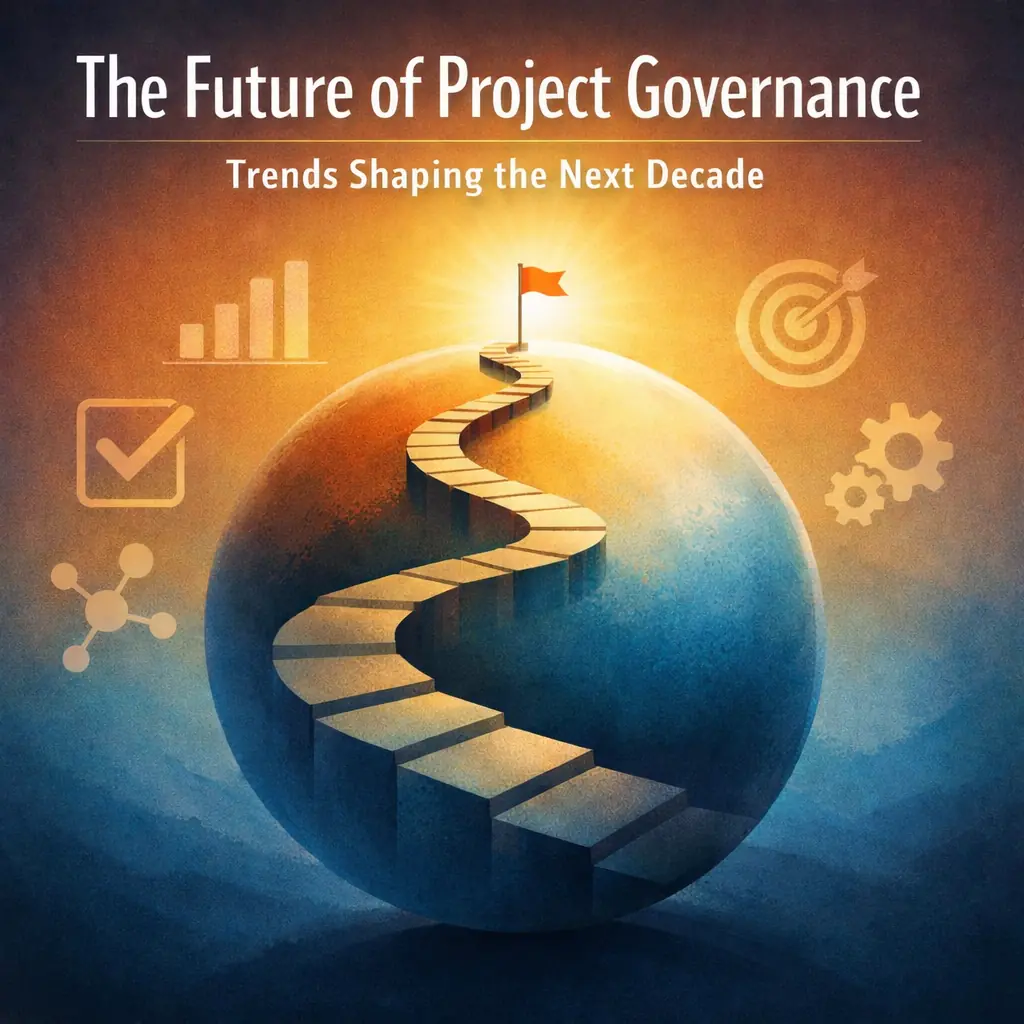
As we look toward the future, it is imperative to recognize the importance of adapting governance models to the rapidly changing landscape of project management. The next decade promises to bring significant shifts driven by various trends, necessitating a reevaluation of traditional governance approaches. Project managers and organizations must remain agile, embracing new methodologies that reflect the complexities of modern projects.
Several key factors are poised to influence the evolution of project governance:
- Technological Advancements: The integration of advanced technologies such as artificial intelligence, machine learning, and data analytics is transforming how projects are managed. These tools enable more informed decision-making, enhance communication, and streamline processes, thereby reshaping governance structures to be more responsive and data-driven.
- Globalization: As projects increasingly span geographical boundaries, the need for robust governance frameworks that accommodate diverse cultural, legal, and regulatory environments becomes paramount. Globalization necessitates a more inclusive approach to governance, ensuring that all stakeholders are considered and engaged throughout the project lifecycle.
- Stakeholder Engagement: The growing emphasis on stakeholder involvement is reshaping governance practices. Modern project governance must prioritize collaboration and communication, recognizing that stakeholder input is crucial for project success. Engaging stakeholders early and often can lead to better alignment with their needs and expectations, ultimately enhancing project outcomes.
Understanding Project Governance
Project governance is a critical framework that ensures projects are executed effectively and align with an organization’s strategic objectives. As we look toward the future, understanding the components of project governance, the limitations of traditional models, and the necessity for alignment with organizational strategy will be essential for project management professionals and industry analysts.
Components of Project Governance
- Structure: Project governance structures define the hierarchy and roles within a project. This includes the establishment of governance bodies such as steering committees, project boards, and stakeholder groups. These entities are responsible for oversight, ensuring that projects adhere to organizational standards and objectives.
- Processes: Governance processes encompass the methodologies and practices used to manage projects. This includes risk management, quality assurance, and performance monitoring. Effective processes facilitate transparency and accountability, allowing for timely decision-making and adjustments as needed.
- Decision-Making: Decision-making in project governance involves determining who has the authority to make key project decisions. This can range from day-to-day operational choices to strategic direction. Clear decision-making protocols help mitigate conflicts and ensure that all stakeholders are aligned with the project’s goals.
Traditional Governance Models and Their Limitations
Traditional project governance models often rely on rigid structures and processes that can hinder adaptability. Some common limitations include:
- Inflexibility: Many traditional models do not accommodate the dynamic nature of modern projects, which often require rapid adjustments in response to changing circumstances.
- Siloed Decision-Making: Traditional governance can lead to isolated decision-making, where different departments or teams operate independently, resulting in misalignment with overall organizational strategy.
- Slow Response Times: The bureaucratic nature of conventional governance structures can slow down decision-making processes, delaying project progress and responsiveness to stakeholder needs.
As organizations increasingly adopt agile methodologies and embrace digital transformation, there is a growing need to rethink these traditional governance frameworks.
Importance of Alignment with Organizational Strategy
For project governance to be effective, it must align closely with the broader organizational strategy. This alignment ensures that:
- Resource Allocation: Projects are prioritized based on their contribution to strategic goals, allowing for optimal use of resources.
- Stakeholder Engagement: Engaging stakeholders in governance processes fosters a sense of ownership and commitment, which is crucial for project success.
- Performance Measurement: Establishing metrics that reflect both project outcomes and strategic objectives enables organizations to assess the effectiveness of their governance frameworks.
Current Trends Influencing Project Governance
As we look toward the future of project governance, several key trends are emerging that are reshaping how organizations manage their projects. These trends not only reflect the evolving landscape of project management but also highlight the need for adaptability and innovation in governance practices. Here are the current trends influencing project governance today:
1. The Rise of Agile Governance
Agile governance is becoming increasingly prominent as organizations seek to enhance their flexibility and responsiveness in project management. This approach emphasizes:
- Iterative Decision-Making: Agile governance allows for more frequent reassessments of project direction, enabling teams to pivot quickly in response to changing circumstances or stakeholder feedback. This iterative process fosters a culture of continuous improvement and adaptability.
- Empowered Teams: By decentralizing decision-making, agile governance empowers project teams to take ownership of their work, leading to faster execution and increased accountability. This shift encourages innovation and creativity, as teams are more willing to experiment and take calculated risks.
- Enhanced Collaboration: Agile governance promotes collaboration across departments and stakeholders, breaking down silos and fostering a more integrated approach to project management. This collaborative environment is essential for addressing complex challenges and ensuring that diverse perspectives are considered in decision-making.
2. Increasing Role of Digital Tools and Data Analytics
The integration of digital tools and data analytics into project governance is transforming how organizations monitor and manage their projects. Key aspects include:
- Real-Time Data Access: Digital tools provide project managers with real-time access to data, enabling them to make informed decisions quickly. This immediacy enhances transparency and accountability, as stakeholders can track project progress and performance metrics at any time.
- Predictive Analytics: By leveraging data analytics, organizations can identify potential risks and issues before they escalate. Predictive analytics allows project managers to anticipate challenges and implement proactive measures, ultimately improving project outcomes.
- Automation of Governance Processes: Digital tools can automate routine governance tasks, such as reporting and compliance checks, freeing up project managers to focus on strategic decision-making. This automation not only increases efficiency but also reduces the likelihood of human error in governance processes.
3. Enhanced Stakeholder Engagement and Collaboration
Stakeholder engagement is becoming a critical component of effective project governance. Organizations are recognizing the importance of involving stakeholders throughout the project lifecycle, which leads to:
- Increased Buy-In and Support: Engaging stakeholders early and often fosters a sense of ownership and commitment to the project. When stakeholders feel their voices are heard, they are more likely to support project initiatives and contribute positively to the project’s success.
- Diverse Perspectives: Collaborative governance processes that include a wide range of stakeholders bring diverse perspectives to the table. This diversity can lead to more innovative solutions and a better understanding of the project’s impact on various groups.
- Feedback Loops: Establishing mechanisms for continuous feedback from stakeholders allows project teams to adjust their strategies and approaches in real-time. This responsiveness is crucial in today’s fast-paced environment, where stakeholder needs and market conditions can change rapidly.
Emerging Technologies and Their Impact on Governance
As we look toward the future of project governance, it is essential to understand how emerging technologies will reshape governance structures and processes. The integration of advanced technologies such as artificial intelligence (AI), blockchain, and remote work tools is set to revolutionize the way project management professionals approach governance. Here are some key points to consider:
1. The Role of Artificial Intelligence and Machine Learning in Decision-Making
- Enhanced Decision-Making: AI and machine learning algorithms can analyze vast amounts of data to provide insights that inform decision-making processes. By leveraging predictive analytics, project managers can anticipate risks and opportunities, leading to more informed governance decisions.
- Automation of Routine Tasks: AI can automate repetitive tasks such as reporting and compliance checks, allowing project managers to focus on strategic governance issues. This shift not only increases efficiency but also reduces the likelihood of human error in governance processes.
- Real-Time Monitoring: AI tools can facilitate real-time monitoring of project performance against governance frameworks, enabling quicker adjustments and interventions when necessary. This dynamic approach to governance ensures that projects remain aligned with organizational goals and compliance requirements.
2. The Potential of Blockchain Technology for Transparency and Accountability
- Immutable Records: Blockchain technology offers a decentralized and tamper-proof ledger that can enhance transparency in project governance. By recording all transactions and changes in a secure manner, stakeholders can trust the integrity of project data.
- Smart Contracts: The use of smart contracts can automate compliance and governance processes. These self-executing contracts can enforce rules and agreements without the need for intermediaries, streamlining governance and reducing administrative overhead.
- Increased Accountability: With blockchain, every action taken within a project can be traced back to its source, fostering a culture of accountability among team members. This level of transparency can help mitigate risks associated with fraud and mismanagement.
3. The Impact of Remote Work Tools on Governance in Distributed Teams
- Collaboration and Communication: The rise of remote work tools has transformed how teams collaborate and communicate. Effective governance in distributed teams requires robust digital platforms that facilitate seamless interaction and information sharing among team members, regardless of their location.
- Governance Frameworks Adaptation: As remote work becomes more prevalent, governance frameworks must adapt to address the unique challenges posed by distributed teams. This includes establishing clear guidelines for communication, decision-making, and accountability in a virtual environment.
- Cultural Considerations: Remote work tools can also influence the governance culture within teams. Project managers must be mindful of fostering an inclusive and collaborative culture that transcends geographical boundaries, ensuring that all team members feel engaged and valued in the governance process.
The Shift Towards Agile and Adaptive Governance Models
The need for effective governance structures that can adapt to rapid changes is becoming increasingly critical. Traditional governance models, often characterized by rigid hierarchies and extensive documentation, are giving way to more agile and adaptive approaches. This section explores the principles of agile governance, showcases successful case studies, and highlights the benefits of adaptability in project governance.
Defining Agile Governance and Its Principles
Agile governance refers to a flexible framework that allows organizations to respond swiftly to changes in project requirements, stakeholder needs, and market conditions. Key principles of agile governance include:
- Collaboration: Emphasizing teamwork and open communication among stakeholders to foster a shared understanding of project goals and challenges.
- Iterative Processes: Implementing short cycles of planning, execution, and review to allow for continuous improvement and rapid adjustments.
- Empowerment: Granting teams the authority to make decisions, which enhances responsiveness and accountability.
- Transparency: Maintaining clear visibility into project progress and decision-making processes to build trust among stakeholders.
These principles enable organizations to navigate complexities and uncertainties more effectively, ensuring that governance structures support rather than hinder project success.
Benefits of Adaptability in Project Governance
The transition to agile and adaptive governance models offers numerous benefits for organizations:
- Enhanced Responsiveness: Agile governance allows teams to quickly pivot in response to changing project requirements or external factors, reducing the risk of project failure.
- Improved Stakeholder Engagement: By fostering collaboration and transparency, organizations can better align project outcomes with stakeholder expectations, leading to higher satisfaction rates.
- Increased Innovation: Empowering teams to make decisions encourages creative problem-solving and innovation, which can lead to more effective solutions and improved project outcomes.
- Risk Mitigation: Agile governance enables organizations to identify and address risks early in the project lifecycle, minimizing potential disruptions and enhancing overall project resilience.
The Role of Stakeholder Engagement in Future Governance
As we look toward the next decade in project management, the role of stakeholder engagement is poised to evolve significantly, reflecting changing expectations and the growing importance of social responsibility and sustainability. This section explores how these dynamics will shape governance practices in the future.
Changing Expectations of Stakeholders
- Increased Demand for Transparency: Stakeholders are increasingly expecting transparency in project governance. They want to be informed not just about project outcomes but also about decision-making processes. This shift necessitates that project managers adopt more open communication strategies, ensuring stakeholders are kept in the loop throughout the project lifecycle.
- Active Participation: Stakeholders are no longer passive recipients of information; they seek active involvement in project governance. This trend is driven by a desire for collaboration and co-creation, where stakeholders contribute their insights and expertise, leading to more informed decision-making and better project outcomes.
- Diverse Stakeholder Interests: The diversity of stakeholder interests is expanding, with various groups advocating for different priorities, including environmental sustainability, social equity, and economic viability. Project governance must adapt to balance these competing interests, ensuring that all voices are heard and considered in the decision-making process.
Improving Stakeholder Communication and Involvement
- Utilizing Technology: The integration of digital tools and platforms can enhance stakeholder engagement. Project management software that facilitates real-time communication, feedback loops, and collaborative decision-making can empower stakeholders and foster a sense of ownership over the project.
- Regular Engagement Strategies: Establishing regular touchpoints, such as stakeholder meetings, surveys, and feedback sessions, can help maintain open lines of communication. These strategies not only keep stakeholders informed but also allow project managers to gauge stakeholder sentiment and adjust governance practices accordingly.
- Tailored Communication Approaches: Different stakeholders may require different communication styles and channels. Understanding these preferences and tailoring communication accordingly can improve engagement and ensure that stakeholders feel valued and heard.
Impact of Social Responsibility and Sustainability on Governance
- Incorporating ESG Criteria: Environmental, Social, and Governance (ESG) criteria are becoming critical in project governance. Stakeholders are increasingly prioritizing projects that demonstrate a commitment to sustainability and social responsibility. This shift requires project managers to integrate ESG considerations into their governance frameworks, ensuring that projects align with broader societal goals.
- Long-term Value Creation: The focus on sustainability is pushing project governance to prioritize long-term value creation over short-term gains. Stakeholders are advocating for projects that not only deliver immediate results but also contribute positively to the community and environment in the long run.
- Ethical Decision-Making: As social responsibility becomes a central tenet of project governance, ethical decision-making will gain prominence. Stakeholders will expect project managers to navigate complex ethical dilemmas with integrity, ensuring that project outcomes do not compromise social or environmental values.
Preparing for the Future of Project Governance
The next decade promises significant changes driven by technological advancements, shifting workforce dynamics, and the increasing complexity of projects. Here are some actionable insights for project management professionals to prepare for the future of project governance:
1. Skills and Competencies for Future Governance Roles
To effectively navigate the future of project governance, professionals must cultivate a diverse set of skills and competencies. Key areas to focus on include:
- Digital Literacy: Understanding and leveraging digital tools and platforms will be crucial. Project managers should be proficient in data analytics, project management software, and collaboration tools to enhance decision-making and communication.
- Agile Methodologies: As organizations increasingly adopt agile practices, governance roles will require familiarity with agile frameworks. This includes understanding how to implement governance structures that support flexibility and rapid response to change.
- Stakeholder Engagement: The ability to engage and manage diverse stakeholders is essential. Future governance will demand skills in negotiation, conflict resolution, and relationship management to ensure alignment and buy-in from all parties involved.
- Risk Management: With projects becoming more complex, a strong foundation in risk assessment and management will be vital. Professionals should be equipped to identify potential risks early and develop strategies to mitigate them effectively.
2. Integrating New Technologies into Governance Processes
The integration of new technologies into governance processes can enhance efficiency and transparency. Here are some strategies to consider:
- Utilize Project Management Software: Implementing advanced project management tools can streamline governance processes. These platforms often include features for real-time reporting, resource allocation, and performance tracking, which can improve oversight and accountability.
- Adopt Artificial Intelligence (AI): AI can play a significant role in project governance by automating routine tasks, analyzing data for insights, and predicting project outcomes. Embracing AI tools can free up governance professionals to focus on strategic decision-making.
- Leverage Blockchain for Transparency: Blockchain technology can enhance transparency and trust in project governance. By providing a secure and immutable record of transactions and decisions, blockchain can help ensure accountability and reduce the risk of fraud.
- Implement Collaborative Platforms: Utilizing collaborative tools can facilitate better communication and collaboration among project teams and stakeholders. These platforms can help ensure that everyone is aligned and informed, which is critical for effective governance.
3. Encouraging Continuous Learning and Adaptation
In a rapidly changing environment, continuous learning and adaptation are essential for effective governance. Here are some approaches to foster a culture of learning:
- Professional Development Programs: Organizations should invest in ongoing training and development for project management professionals. This can include workshops, certifications, and access to online courses that focus on emerging trends and best practices in governance.
- Knowledge Sharing Initiatives: Creating forums for knowledge sharing among project managers can facilitate the exchange of ideas and experiences. This could involve regular meetings, webinars, or online communities where professionals can discuss challenges and solutions.
- Feedback Mechanisms: Establishing feedback loops within governance processes can help identify areas for improvement. Encouraging team members to provide input on governance practices can lead to more effective and adaptive strategies.
- Embrace Change Management: As governance practices evolve, organizations must be prepared to manage change effectively. This includes communicating the benefits of new governance approaches and providing support to teams as they adapt to new processes.
By focusing on these key areas, project management professionals can position themselves to thrive in the future of project governance. Embracing new skills, technologies, and a culture of continuous learning will be essential for navigating the complexities of upcoming projects and ensuring successful outcomes.
Conclusion
As we look towards the future of project governance, it is clear that several key trends and technologies are poised to reshape the landscape of project management over the next decade. The integration of advanced technologies such as artificial intelligence, machine learning, and data analytics is not just enhancing decision-making processes but also fostering greater transparency and accountability within project teams. These innovations are enabling project managers to anticipate challenges, streamline workflows, and improve stakeholder engagement, ultimately leading to more successful project outcomes.
Moreover, the shift towards agile methodologies is encouraging a more flexible and adaptive governance structure. This evolution allows organizations to respond swiftly to changing project requirements and market conditions, ensuring that governance frameworks remain relevant and effective. As remote work becomes increasingly prevalent, the need for robust digital governance tools is also rising, facilitating collaboration and communication across geographically dispersed teams.
In light of these developments, it is essential for project management professionals to adopt a proactive approach to governance. Embracing change and being open to new methodologies and technologies will not only enhance project delivery but also position organizations to thrive in an ever-evolving business environment.
Find out more about Shaun Stoltz https://www.shaunstoltz.com/about/.
This post was written by an AI and reviewed/edited by a human.