Introduction
Iterative agile methodologies have emerged as a pivotal approach that emphasizes flexibility, collaboration, and continuous improvement. At its core, iterative agile methodology is characterized by its cyclical process of planning, executing, and evaluating project phases, allowing teams to adapt to changes and refine their outputs based on feedback. This approach is grounded in several core principles, including:
- Customer Collaboration: Engaging stakeholders throughout the project lifecycle to ensure that the final product meets their needs and expectations.
- Embracing Change: Recognizing that requirements may evolve and being prepared to adjust plans accordingly.
- Incremental Delivery: Breaking down projects into smaller, manageable units that can be completed and assessed in short cycles, often referred to as sprints.
Historically, agile methodologies gained traction in the early 2000s as a response to the limitations of traditional project management frameworks, which often struggled to accommodate the dynamic nature of software development and other fast-paced industries. The Agile Manifesto, published in 2001, laid the groundwork for these methodologies by prioritizing individuals and interactions, working software, customer collaboration, and responsiveness to change over rigid processes and extensive documentation. This shift marked a significant departure from conventional project management practices, paving the way for iterative approaches that foster innovation and adaptability.
As we delve into the significance of analyzing emerging trends within the context of project management, it becomes clear that understanding these trends is crucial for industry analysts and project management professionals. The subject matter is continuously shaped by technological advancements, evolving workforce dynamics, and changing client expectations. By examining these trends, professionals can better anticipate challenges, leverage new tools and techniques, and ultimately enhance project outcomes. The iterative agile methodology, with its inherent flexibility and focus on continuous improvement, positions itself as a key player in navigating these changes and driving future success in project management.
Current State of Iterative Agile Methodologies
Iterative agile methodologies have emerged as a cornerstone for enhancing flexibility, responsiveness, and overall project success. This section delves into the primary frameworks, their applications across various industries, and notable case studies that illustrate the effectiveness of these methodologies.
Primary Frameworks: Scrum, Kanban, and Lean
- Scrum:
- Overview: Scrum is a framework that emphasizes teamwork, accountability, and iterative progress toward a well-defined goal. It operates in time-boxed iterations known as sprints, typically lasting two to four weeks.
- Applications: Widely used in software development, Scrum has also found applications in marketing, product development, and even education. Its structured approach allows teams to adapt quickly to changing requirements and stakeholder feedback.
- Kanban:
- Overview: Kanban focuses on visualizing work, limiting work in progress, and maximizing flow. It uses a board to represent tasks and their statuses, allowing teams to see bottlenecks and manage workflow effectively.
- Applications: Originally developed for manufacturing, Kanban is now prevalent in IT, service industries, and even healthcare. Its flexibility makes it suitable for environments where priorities shift frequently.
- Lean:
- Overview: Lean methodology aims to maximize value by minimizing waste. It encourages continuous improvement and efficiency in processes.
- Applications: Lean principles are applied in various sectors, including manufacturing, healthcare, and software development. Organizations leverage Lean to streamline operations and enhance customer satisfaction by delivering value more efficiently.
Enhancing Project Flexibility and Responsiveness
Iterative processes are central to agile methodologies, allowing teams to break down projects into manageable increments. This approach fosters:
- Adaptability: Teams can respond to changes in project scope or market conditions without derailing the entire project. Regular feedback loops enable quick adjustments based on stakeholder input.
- Continuous Improvement: Iterative cycles encourage teams to reflect on their processes and outcomes, leading to ongoing enhancements in performance and quality.
- Risk Mitigation: By delivering work in small increments, teams can identify potential issues early, reducing the risk of project failure and ensuring that the final product aligns with user needs.
The current state of iterative agile methodologies reflects a dynamic shift in project management practices across various industries. By leveraging frameworks like Scrum, Kanban, and Lean, organizations are not only enhancing their flexibility and responsiveness but also driving innovation and efficiency. As these methodologies continue to evolve, their impact on project management will likely grow, shaping the future of how projects are conceived, executed, and delivered.
Emerging Trends in Iterative Agile Methodologies
Particularly with the increasing adoption of iterative agile methodologies. As organizations strive for greater efficiency and adaptability, several emerging trends are shaping the future of these methodologies. Here are some key points to consider:
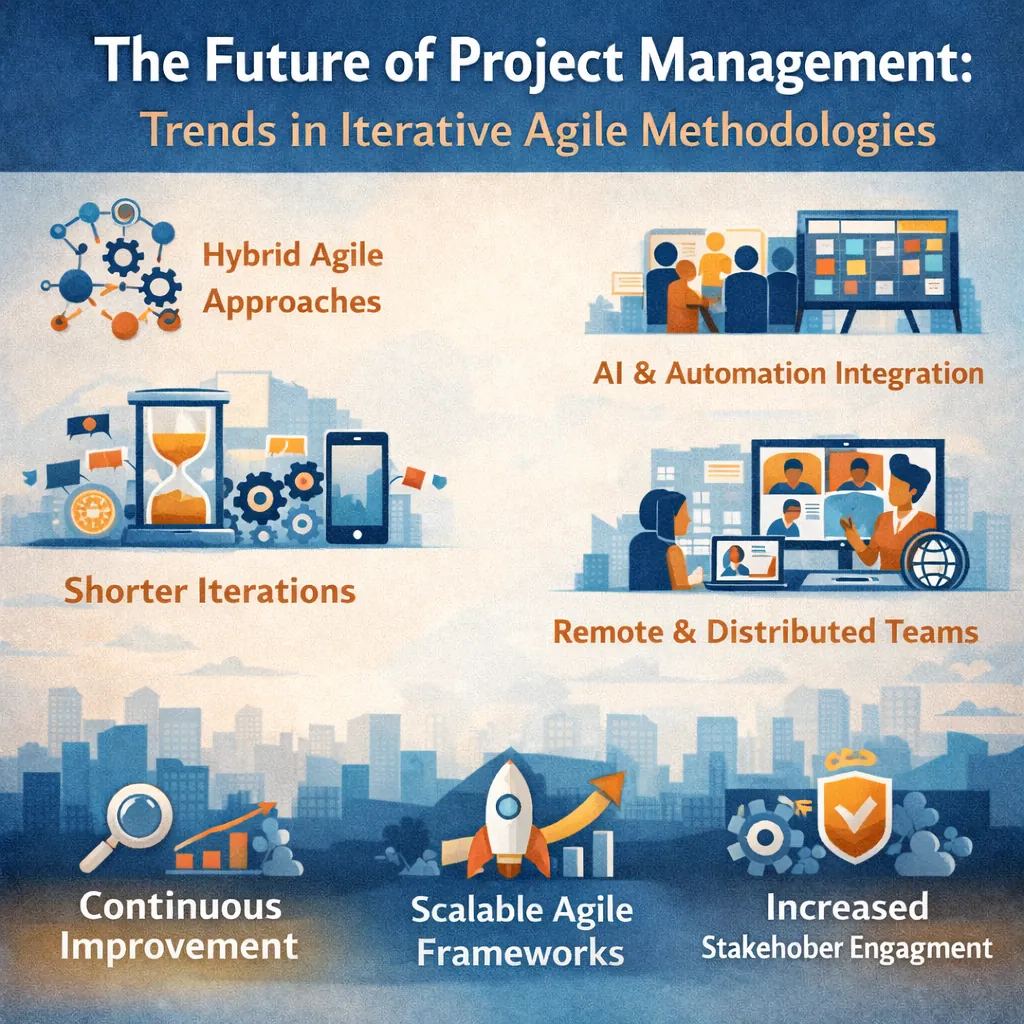
- Increased Adoption of Hybrid Approaches: Many organizations are now blending agile practices with traditional project management methodologies, such as Waterfall. This hybrid approach allows teams to leverage the flexibility and responsiveness of agile while maintaining the structure and predictability of traditional methods. This trend is particularly beneficial for large-scale projects where different teams may require varying levels of agility, enabling a more tailored approach to project execution.
- Rise of Remote and Distributed Teams: The shift towards remote work has significantly impacted agile practices. Teams are increasingly distributed across various locations, necessitating adaptations in communication and collaboration strategies. Agile methodologies are being refined to accommodate virtual environments, with tools and practices that enhance remote collaboration, such as digital Kanban boards and virtual stand-ups. This trend emphasizes the importance of maintaining team cohesion and productivity despite geographical barriers.
- Integration of Advanced Technologies: The incorporation of advanced technologies like artificial intelligence (AI), machine learning, and automation is transforming agile frameworks. These technologies can enhance decision-making processes, streamline workflows, and provide valuable insights through data analysis. For instance, AI can assist in predicting project risks and outcomes, allowing teams to make more informed decisions. Automation tools can also reduce repetitive tasks, enabling team members to focus on higher-value activities.
- Growing Focus on Sustainability: As environmental concerns become more pressing, there is a notable shift towards sustainability in project management practices. Agile methodologies are being adapted to incorporate eco-friendly principles, such as minimizing waste and optimizing resource use. This trend reflects a broader societal shift towards sustainability, with organizations recognizing the importance of aligning their project goals with environmental responsibility. Agile teams are increasingly tasked with developing projects that not only meet client needs but also contribute positively to the environment.
The future of project management is being shaped by these emerging trends in iterative agile methodologies. By embracing hybrid approaches, adapting to remote work dynamics, integrating advanced technologies, and focusing on sustainability, project management professionals can enhance their practices and drive successful project.
Impact of Emerging Trends on Project Management
Several emerging trends in iterative agile methodologies are significantly influencing practices and outcomes. This section delves into key trends, examining their implications for project planning, execution, team dynamics, technology integration, and sustainability.
- Hybrid Methodologies: The rise of hybrid methodologies, which combine traditional project management approaches with agile practices, is reshaping project planning and execution. This blending allows teams to tailor their processes to fit the specific needs of a project, enhancing flexibility and responsiveness. By integrating elements from both methodologies, project managers can better manage risks and uncertainties while maintaining a focus on delivering value.
- Remote Work Dynamics: The shift towards remote work has fundamentally altered team dynamics and collaboration in agile projects. With teams often dispersed across various locations, communication and collaboration tools have become essential. Agile practices, which emphasize regular check-ins and iterative feedback, must adapt to virtual environments. This change can lead to both challenges and opportunities; while remote work may hinder spontaneous interactions, it also allows for a broader talent pool and the potential for increased productivity through flexible work arrangements. Project managers must find innovative ways to foster team cohesion and maintain engagement in a remote setting.
- Technology Integration: The integration of technology into agile processes presents both benefits and challenges. Tools such as project management software, collaboration platforms, and automation technologies can streamline workflows, enhance transparency, and facilitate real-time communication. However, the rapid pace of technological change can also create challenges, such as the need for continuous training and adaptation. Project managers must carefully evaluate which technologies align with their agile practices and ensure that their teams are equipped to leverage these tools effectively. The successful integration of technology can lead to improved efficiency and better project outcomes.
- Sustainability Trends: Increasing awareness of sustainability is reshaping project goals and stakeholder expectations. As organizations prioritize environmental and social responsibility, project managers are tasked with incorporating sustainable practices into their project frameworks. This trend influences decision-making processes, resource allocation, and stakeholder engagement strategies. Agile methodologies, with their iterative nature, allow for the incorporation of sustainability considerations at various stages of a project, enabling teams to adapt their approaches based on evolving sustainability standards and stakeholder feedback. Emphasizing sustainability can enhance a project’s reputation and align it with broader organizational values.
The impact of these emerging trends on project management is profound. By embracing hybrid methodologies, adapting to remote work dynamics, integrating technology thoughtfully, and prioritizing sustainability, project managers can navigate the complexities of modern projects more effectively. As the field continues to evolve, staying attuned to these trends will be crucial for industry analysts and project management professionals aiming to drive successful project outcomes.
Future Outlook: Preparing for Change
Particularly with the rise of iterative agile methodologies, it is crucial for professionals in the field to stay ahead of emerging trends. This section outlines key strategies that project management professionals can adopt to effectively navigate the future of agile practices.
1. Continuous Learning and Professional Development
- Embrace Lifelong Learning: The agile methodology is dynamic, with new practices and tools emerging regularly. Project managers should prioritize continuous education through workshops, certifications, and online courses focused on agile practices. This commitment to learning not only enhances individual skills but also contributes to the overall agility of the organization.
- Stay Updated on Industry Trends: Regularly engaging with industry publications, attending conferences, and participating in webinars can help professionals stay informed about the latest developments in agile methodologies. This knowledge is essential for adapting to changes and implementing best practices effectively.
2. Fostering a Culture of Experimentation and Adaptation
- Encourage Innovation: Organizations should cultivate an environment where team members feel safe to experiment with new ideas and approaches. This can be achieved by promoting open communication and collaboration, allowing teams to share insights and learn from both successes and failures.
- Implement Agile Retrospectives: Regular retrospectives can help teams reflect on their processes and outcomes, fostering a culture of continuous improvement. By analyzing what worked and what didn’t, teams can adapt their strategies and enhance their agile practices.
- Support Cross-Functional Teams: Encouraging collaboration among diverse team members can lead to innovative solutions and a more adaptable approach to project management. Cross-functional teams can leverage their varied expertise to tackle challenges more effectively.
3. Assessing and Integrating Relevant Technologies
- Evaluate Technological Tools: Organizations should regularly assess the tools and technologies that support agile methodologies. This includes project management software, collaboration platforms, and automation tools that can streamline processes and enhance team productivity.
- Integrate Data Analytics: Utilizing data analytics can provide valuable insights into project performance and team dynamics. By integrating analytics into agile frameworks, organizations can make informed decisions and optimize their project management strategies.
- Adopt Scalable Solutions: As organizations grow, their agile practices must scale accordingly. It is essential to choose technologies that can adapt to changing needs and support the organization’s growth trajectory.
By implementing these strategies, project management professionals can position themselves and their organizations to thrive in iterative agile methodologies. Embracing continuous learning, fostering a culture of experimentation, and integrating relevant technologies will not only enhance project outcomes but also prepare teams for the challenges and opportunities that lie ahead.
Conclusion
The significance of adapting to trends in iterative agile methodologies cannot be overstated. As organizations increasingly face complex challenges and dynamic market conditions, embracing these methodologies allows teams to enhance flexibility, improve collaboration, and deliver value more effectively. Iterative agile practices, characterized by their focus on continuous improvement and responsiveness to change, are becoming essential for organizations aiming to stay competitive and innovative.
Key insights from recent trends highlight the following:
- Increased Focus on Collaboration: The shift towards remote and hybrid work environments has underscored the importance of collaboration tools and practices within agile frameworks. Teams that leverage technology to facilitate communication and collaboration are better positioned to respond to project demands and stakeholder feedback.
- Integration of Data-Driven Decision Making: The use of analytics and metrics in agile methodologies is on the rise. By harnessing data, project managers can make informed decisions, track progress more accurately, and identify areas for improvement, ultimately leading to more successful project outcomes.
As project management professionals, it is crucial to be proactive in implementing these changes within your practices. By staying informed about emerging trends and actively seeking to integrate them into your workflows, you can enhance your team’s performance and project success rates.
Moreover, fostering an ongoing dialogue within the project management community is essential for navigating the future. Engaging with peers, sharing experiences, and discussing best practices will not only enrich your understanding but also contribute to the collective advancement of the field.
The future of project management lies in our ability to adapt and embrace iterative agile methodologies. By recognizing their significance and committing to continuous improvement, we can ensure that our projects not only meet but exceed the expectations of stakeholders in an ever-changing environment.
Find out more about Shaun Stoltz https://www.shaunstoltz.com/about/.
This post was written by an AI and reviewed/edited by a human.