Introduction
The concept of portfolio management has become increasingly vital. Portfolio management refers to the centralized management of one or more portfolios, which includes the processes, methods, and tools used to manage and prioritize projects and programs in alignment with an organization’s strategic objectives. This approach enables project managers to optimize resource allocation, assess risks, and ensure that projects contribute effectively to the overall goals of the organization.
The rise of remote work has significantly transformed how teams operate, particularly in the project management. Recent trends indicate a substantial increase in remote work arrangements, accelerated by global events such as the COVID-19 pandemic. According to various studies, remote work has grown by over 40% in the last few years, with many organizations adopting hybrid models that blend in-office and remote work. This shift has not only changed the dynamics of team collaboration but has also introduced new challenges and opportunities for project managers.
As organizations adapt to this new normal, it is crucial for project managers and remote team leaders to reassess and adapt their portfolio management strategies. The remote work environment presents unique challenges, such as communication barriers, varying time zones, and the need for robust digital tools to facilitate collaboration. However, it also offers opportunities for increased flexibility, access to a broader talent pool, and the potential for enhanced productivity. By embracing these changes and refining their strategies, project managers can ensure that their portfolios remain aligned with organizational goals while effectively navigating the complexities of remote work.
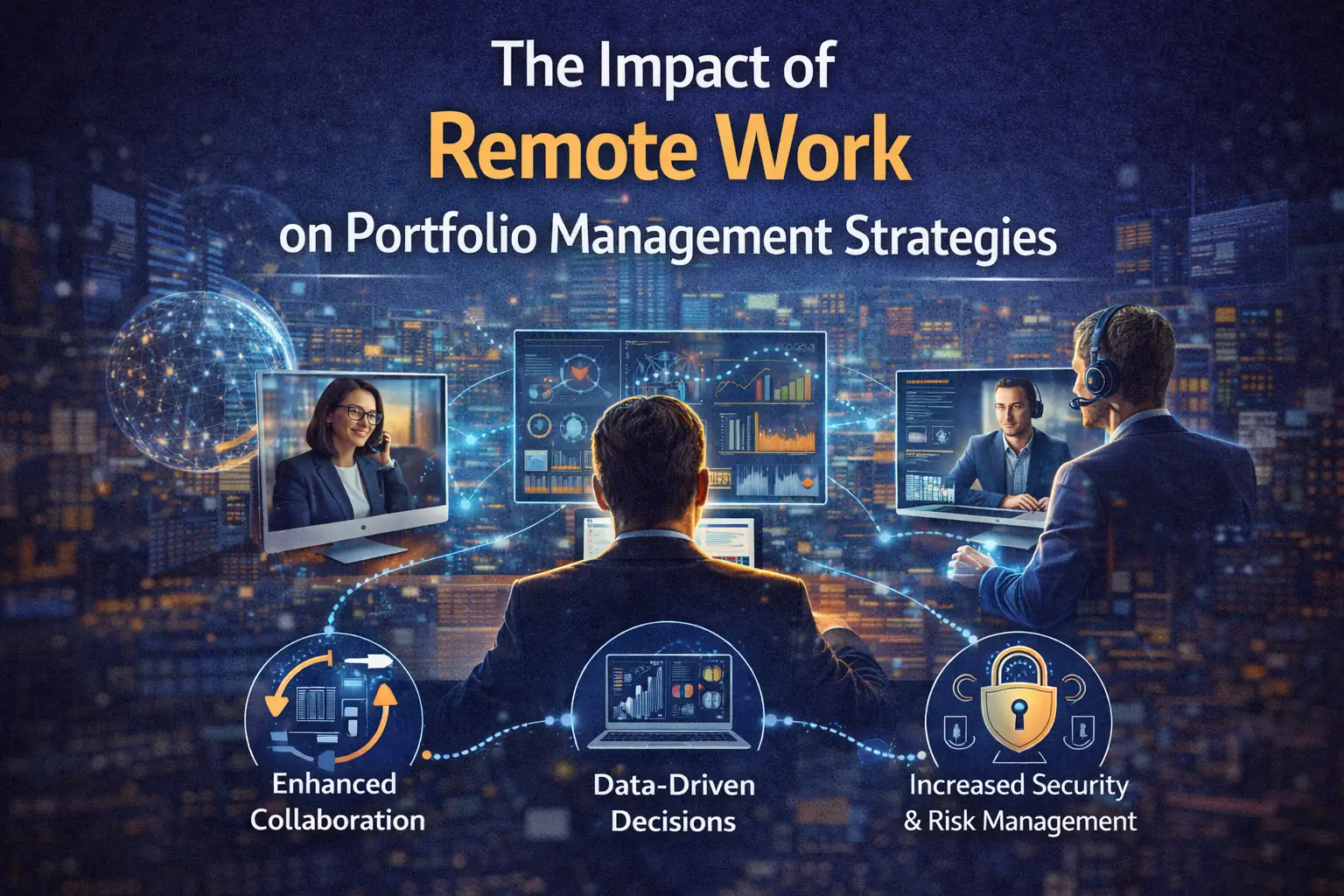
In this blog section, we will explore the implications of remote work on portfolio management strategies, highlighting the need for adaptability and innovative approaches to overcome the challenges and leverage the opportunities presented by this new work paradigm.
Understanding Portfolio Management
Portfolio management plays a crucial role in ensuring that an organization’s projects align with its strategic objectives. As remote work becomes increasingly prevalent, understanding the nuances of portfolio management is essential for project managers and remote team leaders. This section delves into the foundational concepts of portfolio management, its significance, and the key performance indicators (KPIs) that measure its success.
Explanation of Portfolio Management Concepts and Processes
Portfolio management involves the centralized management of one or more portfolios to achieve strategic objectives. It encompasses the following key processes:
- Identification and Selection: This initial phase involves identifying potential projects and selecting those that align with the organization’s strategic goals. It requires a thorough analysis of project proposals, considering factors such as resource availability, risk assessment, and potential return on investment.
- Prioritization: Once projects are identified, they must be prioritized based on their alignment with strategic objectives, resource requirements, and potential impact. This step is critical, especially in a remote work environment where resources may be limited and distributed across various locations.
- Execution and Monitoring: After prioritization, the selected projects are executed. Continuous monitoring is essential to ensure that projects remain aligned with the portfolio’s goals. This includes tracking progress, managing risks, and making necessary adjustments to keep projects on track.
- Review and Optimization: Regular reviews of the portfolio are necessary to assess performance and make informed decisions about future projects. This process involves analyzing completed projects, learning from successes and failures, and optimizing the portfolio for better alignment with organizational strategy.
Role of Portfolio Management in Aligning Projects with Organizational Strategy
The primary role of portfolio management is to ensure that all projects contribute to the overarching goals of the organization. This alignment is achieved through:
- Strategic Alignment: Portfolio management helps in aligning projects with the organization’s strategic vision. By evaluating projects based on their contribution to strategic objectives, organizations can ensure that resources are allocated effectively and that projects support long-term goals.
- Resource Optimization: In a remote work setting, resources such as time, budget, and personnel are often stretched. Portfolio management enables organizations to optimize these resources by prioritizing projects that offer the highest strategic value, thereby maximizing returns on investment.
- Risk Management: Effective portfolio management includes identifying and mitigating risks associated with projects. This is particularly important in remote environments where communication and collaboration may be challenged. By proactively managing risks, organizations can enhance project success rates and ensure alignment with strategic objectives.
Key Performance Indicators for Measuring Portfolio Success
To evaluate the effectiveness of portfolio management, organizations should establish key performance indicators (KPIs) that provide insights into portfolio performance. Some essential KPIs include:
- Return on Investment (ROI): This measures the financial return generated by the portfolio relative to its costs. A higher ROI indicates that the portfolio is effectively contributing to the organization’s financial goals.
- Project Success Rate: This KPI tracks the percentage of projects completed on time, within budget, and meeting quality standards. A high success rate reflects effective portfolio management and alignment with strategic objectives.
- Resource Utilization: This measures how effectively resources are allocated across projects. High resource utilization indicates that the organization is maximizing its capabilities, which is particularly important in a remote work context.
- Stakeholder Satisfaction: Gathering feedback from stakeholders can provide valuable insights into the perceived value of the portfolio. High levels of satisfaction often correlate with successful alignment of projects with organizational strategy.
Understanding portfolio management is vital for project managers and remote team leaders, especially as work continues to evolve. By grasping the concepts, processes, and performance indicators associated with portfolio management, organizations can navigate the challenges and seize the opportunities presented by remote project management.
Challenges of Remote Work on Portfolio Management
Presenting both challenges and opportunities for project managers and remote team leaders. Understanding these challenges is crucial for developing effective portfolio management strategies that can adapt to the evolving work environment. Here are some key challenges faced by project managers in remote settings:
- Communication Barriers and Their Impact on Project Alignment: In a remote work environment, communication can become fragmented. Project managers often face difficulties in ensuring that all team members are on the same page regarding project goals, timelines, and deliverables. The lack of face-to-face interactions can lead to misunderstandings and misalignment, which can hinder project progress and affect overall portfolio performance. Effective communication tools and regular check-ins are essential to mitigate these issues and maintain alignment across the project portfolio.
- Difficulty in Monitoring Project Progress and Performance Metrics: Remote work complicates the tracking of project progress and performance metrics. Without physical oversight, project managers may struggle to obtain real-time updates on task completion and team productivity. This can lead to delays in identifying potential issues and making necessary adjustments. Implementing robust project management software that provides visibility into project status and performance metrics can help project managers stay informed and proactive in their approach.
- Challenges in Team Cohesion and Stakeholder Engagement: Building and maintaining team cohesion is more challenging in a remote setting. The absence of in-person interactions can lead to feelings of isolation among team members, which may affect collaboration and morale. Additionally, engaging stakeholders can be more complex when meetings are held virtually, as it can be harder to foster relationships and ensure active participation. Project managers must prioritize team-building activities and find innovative ways to engage stakeholders to maintain a strong project culture.
- Increased Complexity in Resource Allocation and Prioritization: Remote work can complicate resource allocation and prioritization across multiple projects. Project managers may find it challenging to assess the availability and capacity of team members when they are working from different locations. This can lead to inefficiencies and conflicts in resource allocation, as well as difficulties in prioritizing projects based on strategic goals. To address this, project managers should leverage data analytics and resource management tools to optimize resource allocation and ensure that the right resources are assigned to the right projects at the right time.
While remote work presents unique challenges for portfolio management, understanding these obstacles allows project managers to develop strategies that enhance communication, monitor progress effectively, foster team cohesion, and optimize resource allocation. By addressing these challenges head-on, project managers can navigate the complexities of remote project management and drive successful outcomes for their portfolios.
Opportunities Presented by Remote Work
The shift to remote work has fundamentally transformed project management, particularly in portfolio management. As organizations adapt to this new normal, several unique opportunities have emerged that can enhance the effectiveness and efficiency of managing multiple projects. Here are some key advantages that remote work offers to portfolio management strategies:
- Access to a Wider Talent Pool and Diverse Skill Sets: Remote work eliminates geographical barriers, allowing project managers to tap into a global talent pool. This access enables teams to assemble diverse groups of professionals with varied skill sets and experiences, fostering innovation and creativity. By leveraging this diversity, organizations can enhance problem-solving capabilities and improve project outcomes.
- Increased Flexibility in Project Scheduling and Resource Management: Remote work provides greater flexibility in how and when work is completed. Project managers can schedule tasks around team members’ availability, accommodating different time zones and personal commitments. This flexibility can lead to improved productivity, as team members can work during their most productive hours, ultimately benefiting project timelines and deliverables.
- Opportunities for Leveraging Technology and Digital Tools for Better Collaboration: The rise of remote work has accelerated the adoption of digital collaboration tools and technologies. Project management software, communication platforms, and cloud-based resources facilitate seamless collaboration among team members, regardless of their location. These tools not only enhance communication but also provide real-time updates and visibility into project progress, enabling more informed decision-making.
- Potential for Cost Savings in Terms of Overheads and Resource Allocation: Remote work can lead to significant cost savings for organizations. With fewer employees in physical office spaces, companies can reduce overhead costs related to office maintenance, utilities, and supplies. Additionally, remote work allows for more efficient resource allocation, as project managers can optimize team composition and utilize freelancers or contractors for specific tasks without the need for long-term commitments.
While remote work presents its own set of challenges, it also offers a wealth of opportunities for enhancing portfolio management strategies. By embracing these advantages, project managers and remote team leaders can drive greater success in their projects and foster a more agile and responsive organizational culture.
Adapting Portfolio Management Strategies for Remote Teams
The shift to remote work has fundamentally altered project management, presenting both challenges and opportunities for portfolio management strategies. As project managers and remote team leaders navigate this new environment, it is essential to adapt their approaches to ensure effective collaboration, communication, and project delivery. Here are some practical strategies to consider:
1. Utilizing Digital Collaboration Tools and Platforms Effectively
- Select the Right Tools: Choose collaboration tools that best fit your team’s needs. Platforms like Trello, Asana, or Microsoft Teams can facilitate task management, file sharing, and real-time communication.
- Integrate Tools: Ensure that the tools used for project management, communication, and documentation are integrated to streamline workflows and reduce the need for switching between applications.
- Training and Support: Provide training sessions for team members to familiarize them with the tools, ensuring everyone can utilize them effectively to enhance productivity.
2. Establishing Clear Communication Protocols and Expectations
- Define Communication Channels: Clearly outline which channels will be used for different types of communication (e.g., email for formal updates, chat for quick questions).
- Set Response Times: Establish expectations for response times to messages and updates, helping to manage team members’ availability and ensuring timely communication.
- Regular Updates: Encourage team members to share updates on their progress and challenges, fostering an environment of transparency and collaboration.
3. Implementing Regular Check-Ins and Status Updates to Maintain Visibility
- Scheduled Meetings: Hold regular check-in meetings to discuss project status, address any roadblocks, and realign priorities. This can be done weekly or bi-weekly, depending on project needs.
- Use Dashboards: Implement project dashboards that provide real-time visibility into project progress, resource allocation, and timelines. This helps keep everyone informed and accountable.
- Encourage Feedback: Create opportunities for team members to provide feedback during check-ins, allowing for continuous improvement in processes and strategies.
4. Creating a Culture of Trust and Accountability Within Remote Teams
- Empower Team Members: Trust your team to manage their tasks and responsibilities. Empowering them to make decisions fosters a sense of ownership and accountability.
- Recognize Contributions: Acknowledge and celebrate individual and team achievements, reinforcing a positive culture and motivating team members to perform at their best.
- Foster Open Communication: Encourage an open-door policy where team members feel comfortable discussing challenges and seeking support, which can enhance trust and collaboration.
Adapting portfolio management strategies for remote teams requires a thoughtful approach that leverages technology, establishes clear communication, and fosters a culture of trust. By implementing these strategies, project managers and remote team leaders can navigate the complexities of remote work while maximizing team performance and project success. Embracing these changes not only addresses the challenges posed by remote work but also opens up new opportunities for innovation and collaboration in project management.
Future Trends in Remote Portfolio Management
It is essential for project managers and remote team leaders to understand the evolving dynamics of portfolio management strategies. This section explores the anticipated changes, emerging technologies, and the critical need for continuous adaptation in the context of remote work.
Predictions on the Evolution of Remote Work
- Sustained Remote Work Adoption: The shift to remote work is likely to persist beyond the pandemic, with many organizations adopting hybrid models. This evolution will necessitate a reevaluation of traditional portfolio management practices to accommodate diverse team structures and communication styles.
- Increased Focus on Flexibility: Future portfolio management strategies will prioritize flexibility, allowing teams to pivot quickly in response to changing project requirements or market conditions. This adaptability will be crucial in managing a portfolio of projects that may vary significantly in scope and execution methods.
Emerging Technologies and Methodologies
- Collaboration Tools: The rise of advanced collaboration platforms (e.g., Microsoft Teams, Slack, Asana) will enhance communication and project tracking among remote teams. These tools will facilitate real-time updates and foster a sense of community, which is vital for maintaining team cohesion in a remote environment.
- Data Analytics and AI: The integration of data analytics and artificial intelligence into portfolio management will enable project managers to make data-driven decisions. Predictive analytics can help identify potential risks and opportunities within the portfolio, allowing for proactive adjustments to strategies.
- Agile Methodologies: The adoption of agile methodologies will likely become more prevalent in remote portfolio management. Agile practices promote iterative progress and responsiveness, which are essential for managing projects in a fast-paced, remote work environment.
Importance of Continuous Adaptation and Learning
- Ongoing Training and Development: As remote work evolves, project managers must commit to continuous learning and professional development. This includes staying updated on new tools, methodologies, and best practices that can enhance remote portfolio management.
- Feedback Loops: Establishing regular feedback mechanisms will be crucial for understanding team dynamics and project performance. This iterative approach will allow project managers to refine their strategies based on real-time insights and team input.
- Cultural Sensitivity and Inclusion: As remote teams become more diverse, project managers must cultivate cultural sensitivity and inclusivity within their portfolios. Understanding different perspectives and working styles will enhance collaboration and project outcomes.
The future of remote portfolio management will be characterized by flexibility, technological integration, and a commitment to continuous learning. By embracing these trends, project managers and remote team leaders can navigate the challenges and seize the opportunities presented by the evolving remote work landscape.
Conclusion
Particularly in the context of remote work, it is essential to recognize both the challenges and opportunities that arise. As we have explored, remote project management presents unique hurdles, such as communication barriers, team cohesion issues, and difficulties in monitoring progress. However, it also opens doors to enhanced flexibility, access to a broader talent pool, and the potential for innovative collaboration tools that can streamline processes.
Key Challenges Identified:
– Communication Barriers: Remote work can lead to misunderstandings and delays in information sharing, which can hinder project progress.
– Team Cohesion: Building a strong team culture is more challenging when team members are not physically present, potentially affecting morale and productivity.
– Monitoring and Accountability: Keeping track of project milestones and individual contributions can be more complex in a remote setting.
Opportunities to Leverage:
– Flexibility in Work Hours: Remote work allows for more adaptable schedules, which can lead to increased productivity and job satisfaction.
– Access to Global Talent: Project managers can tap into a diverse range of skills and perspectives by hiring from a global talent pool.
– Innovative Tools and Technologies: The rise of digital collaboration tools can enhance communication and project tracking, making it easier to manage portfolios effectively.
Given these insights, it is crucial for project managers and remote team leaders to adopt a proactive and flexible approach to portfolio management. This means being willing to adjust strategies in response to the unique demands of remote work environments. Embracing change is not just about adapting to new tools; it also involves fostering a culture of continuous improvement and learning within teams.
The shift to remote work necessitates a reevaluation of traditional portfolio management strategies. By recognizing the challenges and seizing the opportunities presented by remote work, project managers can enhance their effectiveness and drive successful outcomes. Embracing these changes will not only improve project delivery but also position teams for long-term success in an increasingly digital world.
Find out more about Shaun Stoltz https://www.shaunstoltz.com/about/.
This post was written by an AI and reviewed/edited by a human.