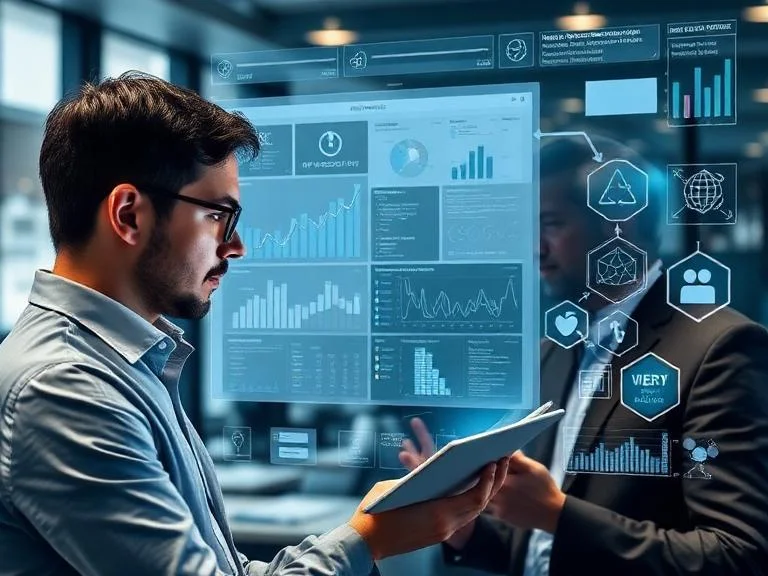
Auditor opinion is a critical component of internal audit, providing stakeholders with a clear understanding of findings and implications for the organization. In today’s rapidly evolving technological landscape, the role of technology in shaping auditor opinion and methodology cannot be overstated. This blog explores how technology influences auditor opinion, highlights emerging trends, and offers practical guidance for internal auditors navigating this dynamic environment [1].
The Evolving Role of Technology in Auditor Opinion
Automation and AI: A New Era of Efficiency
The integration of automation and artificial intelligence (AI) is transforming the auditor’s role, allowing auditors to focus on high-risk areas and strategic decision-making. Automation tools can handle routine tasks such as data collection and analysis, freeing auditors to concentrate on complex risk assessments.
Cloud Computing: Unlocking Audit Efficiency
Cloud computing has significantly enhanced audit efficiency by providing real-time data access and collaboration capabilities. This shift allows auditors to work seamlessly with stakeholders and management teams, improving the overall audit process [2].
Data Analytics: A Deeper Dive into Audit Findings
Advanced data analytics (ADA) tools enable auditors to analyze vast amounts of data, identify trends, and detect anomalies that may have gone unnoticed with traditional methods. This capability enhances the accuracy and depth of auditor opinion.
Cybersecurity Risks: A Growing Concern for Auditors
As technology advances, cybersecurity threats become increasingly sophisticated. Auditors must assess the effectiveness of security controls and identify vulnerabilities to provide a comprehensive auditor opinion that reflects the organization’s risk profile [3].
Trends in Auditor Opinion: Challenges and Opportunities
Digital Transformation and Risk Management
The rapid pace of technological change presents both opportunities and risks. Internal auditors are now expected to evaluate the effectiveness of digital transformation initiatives in managing these new risks, requiring collaboration with IT professionals.
Continuous Auditing and Real-Time Monitoring
The traditional audit cycle is becoming outdated. Continuous auditing and real-time monitoring allow auditors to provide timely insights into risk exposure, helping organizations respond promptly to emerging threats [4].
Audit Quality, Independence, and Objectivity
Maintaining audit quality, independence, and objectivity is crucial. Internal auditors must foster a culture of transparency and accountability, ensuring that assessments are unbiased and aligned with organizational goals.
Considerations for Internal Auditors in a Technology-Driven Environment
Developing Skills in Data Analytics, AI, and Cybersecurity
Looking at auditor opinion, internal auditors must enhance their technical skills to effectively assess technology-related risks. This includes understanding data analytics, AI, and cybersecurity best practices.
Staying Up-to-Date with Emerging Technologies and Trends
The fast-paced tech landscape requires auditors to stay informed about new developments. Regular training and collaboration with IT teams can help auditors remain relevant.
Balancing Technology Adoption with Audit Quality and Risk Management
While embracing technology enhances audit efficiency, it is vital to maintain the principles of good auditing. Implementing controls to ensure data integrity and reliability is essential.
The IT Professional’s Perspective: Collaborating with Internal Auditors
Communicating Technology Risks and Opportunities to Auditors
Considering auditor opinion, effective communication between IT and internal audit is crucial for identifying and mitigating technology risks. IT professionals should provide regular updates on new technologies and potential vulnerabilities [5].
Providing Support for Auditor Training and Capacity-Building
IT professionals can enhance auditor effectiveness by offering training sessions on emerging technologies, ensuring auditors have the necessary skills to assess associated risks.
Fostering a Culture of Collaboration and Trust
Focusing on auditor opinion, encouraging open communication and collaboration between IT and internal audit teams can lead to a more comprehensive understanding of the organization’s risk profile.
Key Takeaways
- Technology is transforming auditor opinion and methodology, requiring auditors to adapt.
- Collaboration between IT and internal audit is essential for effective risk management.
- Continuous learning and skill development are crucial for internal auditors in a technology-driven environment.
Best Practices for Internal Auditors
- Invest in Training: Regularly update skills in data analytics, AI, and cybersecurity.
- Embrace Continuous Auditing: Implement real-time monitoring to enhance audit effectiveness.
- Foster Collaboration: Build strong relationships with IT professionals to identify and mitigate risks.
- Maintain Independence: Ensure objectivity in assessments and promote transparency within the audit function.
FAQ
Q: How can technology improve the auditor opinion process?
A: Technology enhances efficiency through automation, data analytics, and real-time monitoring, allowing auditors to provide more accurate and timely opinions.
Q: What skills should internal auditors develop to adapt to technological changes?
A: Internal auditors should focus on data analytics, AI, cybersecurity, and continuous auditing methodologies.
Q: Why is collaboration between IT and internal audit important?
A: Collaboration ensures a comprehensive understanding of technology risks and enhances the effectiveness of audit processes.
Conclusion
Looking at auditor opinion, as technology continues to reshape the landscape of internal audit, it is essential for auditors to adapt their methodologies and embrace emerging trends. By developing technical skills, fostering collaboration with IT professionals, and maintaining a focus on audit quality, internal auditors can enhance their relevance and value to stakeholders. The future of auditor opinion lies in the ability to leverage technology effectively while ensuring that the human element of auditing remains intact [6]. Together, internal auditors and IT professionals can drive organizational success and mitigate risks in an increasingly complex environment.
Find out more about Shaun Stoltz https://www.shaunstoltz.com/about/
This post was written by an AI and reviewed/edited by a human.