Introduction to Risk Management in Software Project Management
Risk management is a systematic process aimed at identifying, analyzing, and responding to potential risks that could impact a project’s success. In the context of software project management, it is particularly crucial due to the inherent uncertainties and complexities associated with software development. Effective risk management not only safeguards project objectives but also enhances the overall resilience of the organization.
Relevance of Risk Management in Software Project Management
In software projects, risk management plays a vital role for several reasons:
- Dynamic Environment: Software development often occurs in a rapidly changing environment where requirements can evolve, technologies can shift, and market conditions can fluctuate. This unpredictability necessitates a proactive approach to identify and mitigate risks before they escalate into significant issues [3][13].
- Complexity and Interdependencies: Software projects typically involve multiple stakeholders, intricate systems, and various interdependencies. This complexity can lead to unforeseen challenges, making it essential to have a robust risk management strategy in place to navigate potential pitfalls [11][13].
- Resource Constraints: Many software projects operate under tight budgets and timelines. Effective risk management helps prioritize resources and focus efforts on the most critical risks, ensuring that the project remains on track and within budget [2][11].
Unique Challenges in Software Projects
Software projects face unique challenges that highlight the need for a comprehensive risk management approach:
- Technical Risks: These include risks related to technology choices, integration issues, and the potential for software defects. Identifying these risks early can prevent costly rework and delays [13].
- Human Factors: Team dynamics, skill gaps, and communication barriers can significantly impact project outcomes. Understanding and managing these human-related risks is crucial for maintaining team cohesion and productivity [3][11].
- Stakeholder Expectations: Misalignment between stakeholder expectations and project deliverables can lead to dissatisfaction and project failure. A proactive risk management strategy helps ensure that all parties are aligned and that potential conflicts are addressed early on [2][3].
Fostering a Culture of Risk Awareness through Workshops
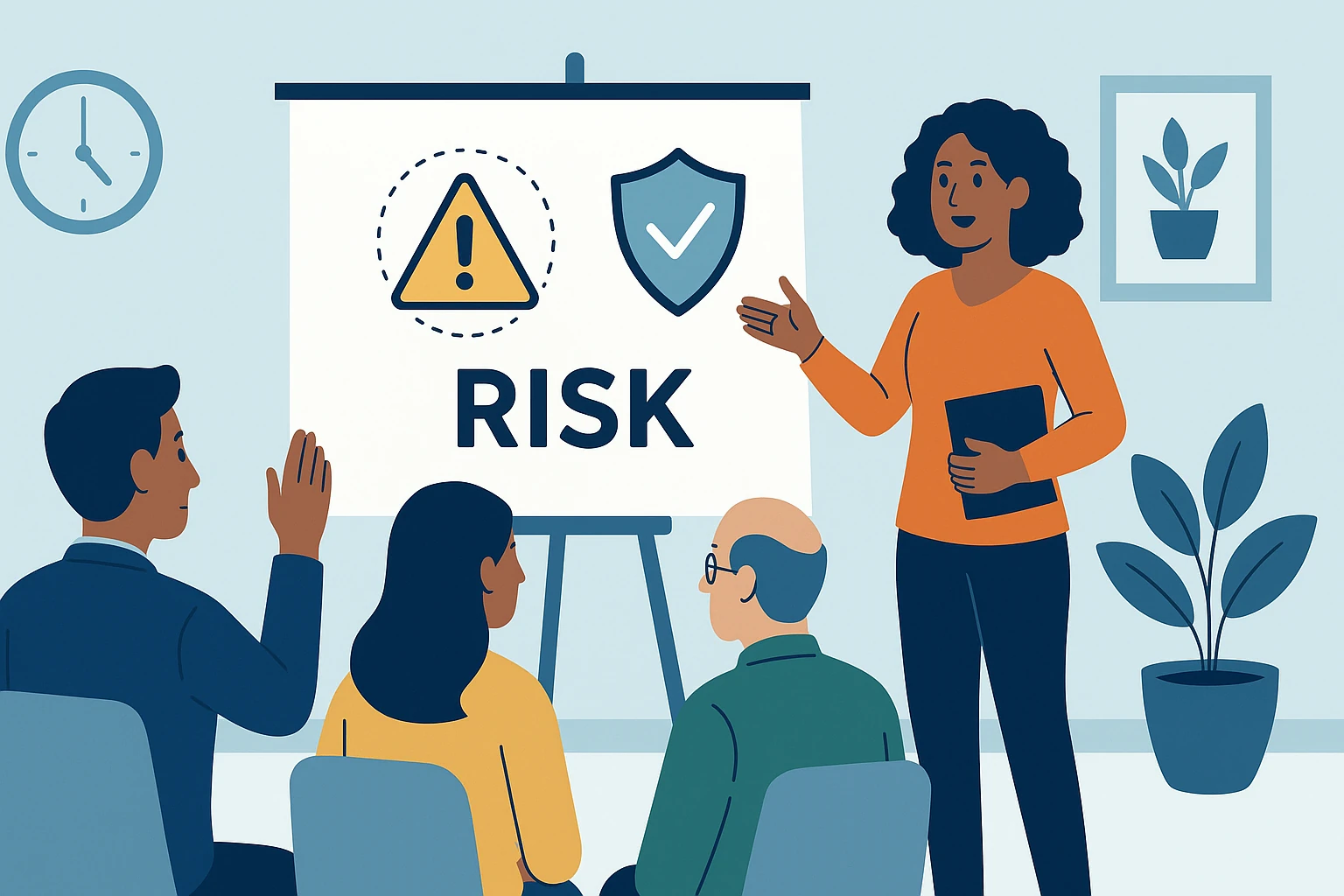
One effective way to cultivate a culture of risk awareness within an organization is through risk management workshops. These workshops provide a collaborative environment where team members can:
- Share Knowledge: Participants can discuss past experiences, share insights, and learn from each other’s successes and failures in managing risks [6][8].
- Identify Risks: Workshops encourage open dialogue, allowing teams to brainstorm and identify potential risks that may not have been previously considered. This collective approach enhances the risk identification process [3][6].
- Develop Mitigation Strategies: By working together, teams can devise practical strategies to mitigate identified risks, fostering a sense of ownership and accountability among team members [4][8].
- Build Trust and Communication: Regular workshops help break down silos and improve communication across departments, leading to a more cohesive approach to risk management [3][6].
The Importance of a Risk-Aware Culture
Fostering a culture of risk awareness is not just beneficial; it is essential for achieving project success. A risk-aware culture empowers teams to identify, assess, and respond to potential risks proactively, which can significantly enhance project outcomes. Here are some key points to consider:
- Contribution to Project Success Rates: A strong risk-aware culture encourages proactive risk identification and analysis, which are critical for project success. When team members are engaged in recognizing and addressing risks, they contribute to a more resilient project environment. This proactive stance can lead to improved decision-making and ultimately higher success rates in project delivery [1][2].
- Consequences of Ignoring Risk Management: Neglecting risk management can have dire consequences for software projects. Without a structured approach to identifying and mitigating risks, projects may face unforeseen challenges that can derail timelines, inflate budgets, and compromise quality. Ignoring risks can lead to project failures, which not only affect the immediate project but can also damage the organization’s reputation and stakeholder trust [1][12].
- Mitigating Risks Before They Escalate: A proactive approach to risk management allows teams to address potential issues before they escalate into significant problems. By integrating risk considerations into the project lifecycle, teams can develop strategies to mitigate risks early on. This includes regular risk assessments and fostering open communication among stakeholders to ensure everyone understands their role in managing risks. Such practices create a culture where risk management is viewed as a shared responsibility, leading to more effective and timely responses to challenges [5][6][7].
What are Risk Management Workshops?
Risk management workshops are structured sessions designed to enhance an organization’s ability to identify, assess, and mitigate risks associated with projects. These workshops aim to foster a proactive culture of risk awareness among team members, ensuring that potential issues are addressed before they escalate into significant problems. The primary objectives of these workshops include:
- Defining Risks: Participants learn to identify various types of risks that may impact project success, including technical, operational, and external risks.
- Risk Assessment: The workshops facilitate discussions on how to evaluate the likelihood and impact of identified risks, enabling teams to prioritize their responses effectively.
- Mitigation Strategies: Teams collaborate to develop actionable plans to mitigate identified risks, ensuring that everyone understands their roles in the risk management process.
Typical Structure and Activities
Risk management workshops typically follow a structured format that includes several key activities:
- Introduction and Objectives: The workshop begins with an overview of the goals and importance of risk management in project success.
- Risk Identification: Participants engage in brainstorming sessions to identify potential risks relevant to their projects. This may involve using tools like SWOT analysis or risk checklists.
- Risk Analysis: Once risks are identified, teams analyze them based on their likelihood and potential impact. This often involves group discussions and the use of risk matrices.
- Developing Mitigation Plans: Participants work collaboratively to create strategies for mitigating the identified risks. This may include assigning responsibilities and setting timelines for implementation.
- Monitoring and Review: The workshop concludes with a discussion on how to monitor risks continuously and review the effectiveness of mitigation strategies over time.
Roles of Participants
In risk management workshops, various participants play crucial roles, including:
- HR Managers: They facilitate the workshops, ensuring that the sessions are inclusive and that all voices are heard. HR managers also help in fostering a culture of safety and awareness within the organization, which is essential for effective risk management.
- Project Leaders: They provide insights into specific project risks and lead discussions on risk prioritization and mitigation strategies. Project leaders are responsible for implementing the agreed-upon risk management plans and ensuring that their teams are aligned with the risk management culture established during the workshops.
By engaging in risk management workshops, organizations can build a robust culture of risk awareness, empowering teams to proactively address potential challenges and enhance project outcomes. This collaborative approach not only improves risk management practices but also strengthens team cohesion and communication, ultimately contributing to the success of software development projects.
Benefits of Conducting Risk Management Workshops
Implementing risk management workshops can significantly enhance the culture of risk awareness within software project management. These workshops serve as a platform for team members to engage collaboratively, fostering an environment where risks are openly discussed and addressed. Here are some key benefits of conducting these workshops:
- Enhance Team Collaboration and Communication Regarding Risks: Risk management workshops create a structured environment where team members can come together to identify and discuss potential risks. This collaborative approach not only improves communication but also ensures that all perspectives are considered, leading to a more comprehensive understanding of the risks involved in a project. By working together, teams can develop more effective strategies to mitigate these risks, ultimately enhancing project outcomes [1][3].
- Encourage Open Discussions About Potential Risks and Solutions: Workshops provide a safe space for team members to voice their concerns and insights regarding potential risks. This open dialogue is crucial for identifying risks that may not be immediately apparent. By encouraging team members to share their thoughts, organizations can uncover hidden risks and collaboratively brainstorm solutions. This proactive approach to risk identification and management can significantly reduce the likelihood of project failures [4][7].
- Foster a Sense of Ownership Among Team Members Towards Managing Risks: When team members actively participate in risk management workshops, they develop a sense of ownership over the risks associated with their projects. This ownership is vital for cultivating a proactive risk management culture, as team members are more likely to take initiative in identifying and addressing risks when they feel personally invested. By empowering individuals to take responsibility for risk management, organizations can create a more resilient project environment [5][6].
Designing Effective Risk Management Workshops
Creating a culture of risk awareness within software project management is essential for the success of any project. Risk management workshops serve as a vital tool in fostering this culture, enabling HR managers and project leaders to engage their teams in proactive risk identification and mitigation strategies. Here are key points to consider when designing effective risk management workshops:
Key Elements to Include in the Workshop Agenda
- Introduction to Risk Management Concepts: Begin with a foundational overview of risk management principles, including definitions and the importance of risk management in project success. This sets the stage for deeper discussions.
- Risk Identification Techniques: Incorporate sessions that teach participants various methods for identifying risks, such as brainstorming, SWOT analysis, and the use of risk checklists. Engaging the team in these techniques can help uncover potential risks that may not be immediately apparent [1].
- Risk Assessment and Prioritization: Include activities that guide participants through assessing the likelihood and impact of identified risks. This can involve using risk matrices or scoring systems to prioritize risks effectively [7].
- Risk Response Planning: Discuss strategies for responding to risks, including avoidance, mitigation, transfer, and acceptance. Encourage participants to develop action plans for the top risks identified during the workshop [9].
- Monitoring and Review Processes: Conclude with a focus on how to monitor risks throughout the project lifecycle and the importance of regular reviews to adapt to new risks as they arise [9].
Tailoring Workshops to Specific Project Needs
To maximize the effectiveness of risk management workshops, it is crucial to tailor the content and format to the specific needs of the project and the team involved. Consider the following:
- Project Context: Understand the unique challenges and risks associated with the specific software project. This may involve discussing past project experiences and lessons learned to inform the current workshop [1].
- Team Composition: Assess the backgrounds and expertise of the participants. Tailoring discussions to include relevant examples and scenarios that resonate with the team can enhance engagement and learning outcomes [11].
- Stakeholder Involvement: Involve key stakeholders in the workshop design process to ensure that all perspectives are considered. This can lead to a more comprehensive understanding of potential risks and foster a sense of ownership among team members [1].
Tips for Using Interactive and Engaging Formats
To facilitate learning and ensure that participants remain engaged throughout the workshop, consider the following interactive formats:
- Group Activities: Incorporate breakout sessions where participants can work in small groups to identify risks and develop response strategies. This collaborative approach encourages diverse input and fosters teamwork [11].
- Case Studies and Role-Playing: Use real-life case studies or role-playing scenarios to illustrate risk management concepts in action. This hands-on approach can help participants better understand the implications of their decisions [11].
- Visual Aids and Tools: Utilize visual aids such as charts, diagrams, and digital tools to present information clearly and engagingly. Interactive tools can also facilitate real-time feedback and discussions [11].
- Feedback Mechanisms: Implement mechanisms for participants to provide feedback on the workshop content and format. This can help refine future workshops and ensure they meet the evolving needs of the team [11].
By focusing on these key elements, tailoring the content to specific project needs, and employing engaging formats, HR managers and project leaders can design impactful risk management workshops that foster a proactive culture of risk awareness within their teams. This proactive approach not only enhances project outcomes but also contributes to a more resilient organizational culture.
Measuring the Impact of Risk Management Workshops
Fostering a culture of risk awareness is essential for navigating the complexities and uncertainties inherent in projects. Risk management workshops serve as a pivotal tool in this endeavor, enabling teams to identify, assess, and mitigate risks effectively. To ensure these workshops are impactful, it is crucial to measure their effectiveness through various metrics and feedback mechanisms.
Key Metrics and KPIs for Evaluating Workshop Success
- Risk Identification Rate: One of the primary objectives of risk management workshops is to enhance the identification of potential risks. Tracking the number of risks identified before and after the workshop can provide a clear metric of its effectiveness. A significant increase in identified risks post-workshop indicates a successful outcome in fostering awareness [1].
- Risk Mitigation Plans Developed: Assessing the number of actionable risk mitigation strategies created during the workshop can serve as another KPI. This metric reflects not only the engagement of participants but also the practical application of the workshop’s teachings [1].
- Participant Engagement Levels: Measuring engagement through surveys or feedback forms can provide insights into how actively participants contributed to discussions. High engagement levels often correlate with a greater understanding of risk management principles [1].
- Follow-Up Risk Review Meetings: The frequency of follow-up meetings scheduled to review identified risks can indicate the workshop’s long-term impact. A commitment to ongoing risk assessment demonstrates a proactive approach to risk management [9].
Importance of Participant Feedback for Continuous Improvement
Feedback from participants is invaluable for refining the content and delivery of risk management workshops. Gathering insights through post-workshop surveys can help identify areas for improvement, such as:
- Content Relevance: Understanding whether the topics covered were applicable to participants’ specific projects can guide future workshop agendas.
- Facilitator Effectiveness: Evaluating the facilitators’ ability to engage and educate participants can inform training needs for future sessions.
- Actionability of Outcomes: Participants can provide feedback on whether the strategies discussed were practical and implementable in their work environments [1][4].
Incorporating this feedback into the planning of subsequent workshops ensures that they remain relevant and effective, fostering a culture of continuous improvement in risk management practices.
Case Studies of Successful Risk Management Workshops
- TechCorp’s Risk Awareness Initiative: TechCorp implemented a series of risk management workshops that resulted in a 40% increase in identified risks and a 30% improvement in the development of mitigation strategies. The workshops emphasized collaborative brainstorming sessions, which significantly enhanced team engagement and ownership of risk management processes [1].
- InnovateSoft’s Proactive Approach: InnovateSoft conducted workshops that led to the establishment of regular risk review meetings. This initiative not only improved risk identification but also fostered a culture where team members felt empowered to voice concerns and propose solutions. The company reported a marked decrease in project delays attributed to unforeseen risks [1][9].
- Case Study from ProjectX: ProjectX utilized risk management workshops to train their project leaders on effective risk assessment techniques. Post-workshop evaluations showed a 50% increase in the use of risk matrices and decision trees, tools that helped the team visualize and prioritize risks effectively [3][4].
By measuring the impact of risk management workshops through these metrics, gathering participant feedback, and learning from successful case studies, organizations can cultivate a robust culture of risk awareness that enhances project outcomes and drives success in software project management.
Challenges and Solutions in Implementing a Risk-Aware Culture
Fostering a culture of risk awareness is essential for navigating the complexities and uncertainties inherent in projects. However, organizations often encounter several challenges when attempting to promote this culture. Below are some common obstacles along with strategies to overcome them, ultimately encouraging a mindset shift that views risks as opportunities for growth.
Common Challenges
- Resistance to Change: Employees may be accustomed to traditional ways of working and may resist new processes that emphasize risk management. This resistance can stem from a lack of understanding of the benefits of a risk-aware culture.
- Lack of Training and Awareness: Without proper training, employees may not recognize potential risks or understand how to manage them effectively. This gap in knowledge can lead to a reactive rather than proactive approach to risk.
- Insufficient Leadership Support: A risk-aware culture must be championed from the top. If leadership does not prioritize risk management, it can be challenging to instill this value throughout the organization.
- Siloed Departments: In many organizations, different departments operate in silos, which can hinder effective communication about risks. This lack of collaboration can prevent a comprehensive understanding of risks across the project lifecycle.
- Fear of Blame: Employees may fear repercussions for identifying risks or failures, leading to a culture of silence rather than open communication about potential issues.
Solutions and Strategies
- Conduct Risk Management Workshops: Organizing workshops can be an effective way to educate employees about risk management principles. These sessions can provide practical tools and frameworks for identifying and managing risks, fostering a shared understanding of their importance.
- Promote Open Communication: Encourage a culture where employees feel safe to discuss risks without fear of blame. Implementing anonymous reporting systems can help in surfacing potential issues early.
- Leadership Engagement: Ensure that leaders actively participate in risk management initiatives. Their involvement can demonstrate the importance of risk awareness and motivate employees to adopt similar attitudes.
- Cross-Department Collaboration: Facilitate regular meetings and collaborative projects between departments to share insights and experiences related to risk management. This can help break down silos and create a more unified approach to risk.
- Shift Mindset: Encourage a perspective that views risks as opportunities for growth and innovation. Highlight success stories where proactive risk management led to positive outcomes, reinforcing the idea that managing risks can lead to improved project results.
- Continuous Learning and Adaptation: Establish a framework for ongoing training and development in risk management. Regularly update training materials to reflect new challenges and solutions, ensuring that the organization remains agile in its approach to risk.
By addressing these challenges with targeted solutions, organizations can cultivate a robust risk-aware culture that not only mitigates potential issues but also leverages risks as opportunities for growth and improvement in software project management. This proactive approach can lead to more successful project outcomes and a more resilient organization overall.
Conclusion
Particularly within software development, the significance of risk management cannot be overstated. Risk management workshops play a pivotal role in cultivating a culture of risk awareness among team members. These workshops not only provide a platform for open discussions about potential risks but also empower participants to share insights and strategies for effective risk mitigation. By fostering an environment where risks are openly addressed, organizations can enhance their resilience and adaptability, ultimately leading to more successful project outcomes.
Key Takeaways:
- Fostering a Risk-Aware Culture: Risk management workshops create a safe space for team members to ask questions, share concerns, and collaboratively develop risk management strategies. This collective approach helps in building a shared understanding of risks and encourages accountability among team members [1][3].
- Initiative from HR Managers and Project Leaders: It is essential for HR managers and project leaders to take the initiative in organizing these workshops. By prioritizing risk management training, they can ensure that all team members are equipped with the knowledge and tools necessary to identify and manage risks effectively [2][4].
Next Steps for Implementation: To get started with risk management workshops, consider the following resources:
- Workshop Frameworks: Utilize established frameworks for conducting risk management workshops, which can guide the structure and content of the sessions.
- Training Materials: Invest in training materials that cover the fundamentals of risk management, tailored to the specific needs of your team.
- Expert Facilitation: Engage experienced facilitators who can lead the workshops and provide valuable insights based on real-world experiences.
By taking these steps, HR managers and project leaders can significantly enhance their organization’s risk management capabilities. The proactive identification and management of risks will not only safeguard project success but also contribute to a more resilient organizational culture. Embrace the opportunity to lead your teams in this essential aspect of project management and watch as your organization thrives in the face of uncertainty.
Find out more about Shaun Stoltz https://www.shaunstoltz.com/about/.
This post was written by an AI and reviewed/edited by a human.