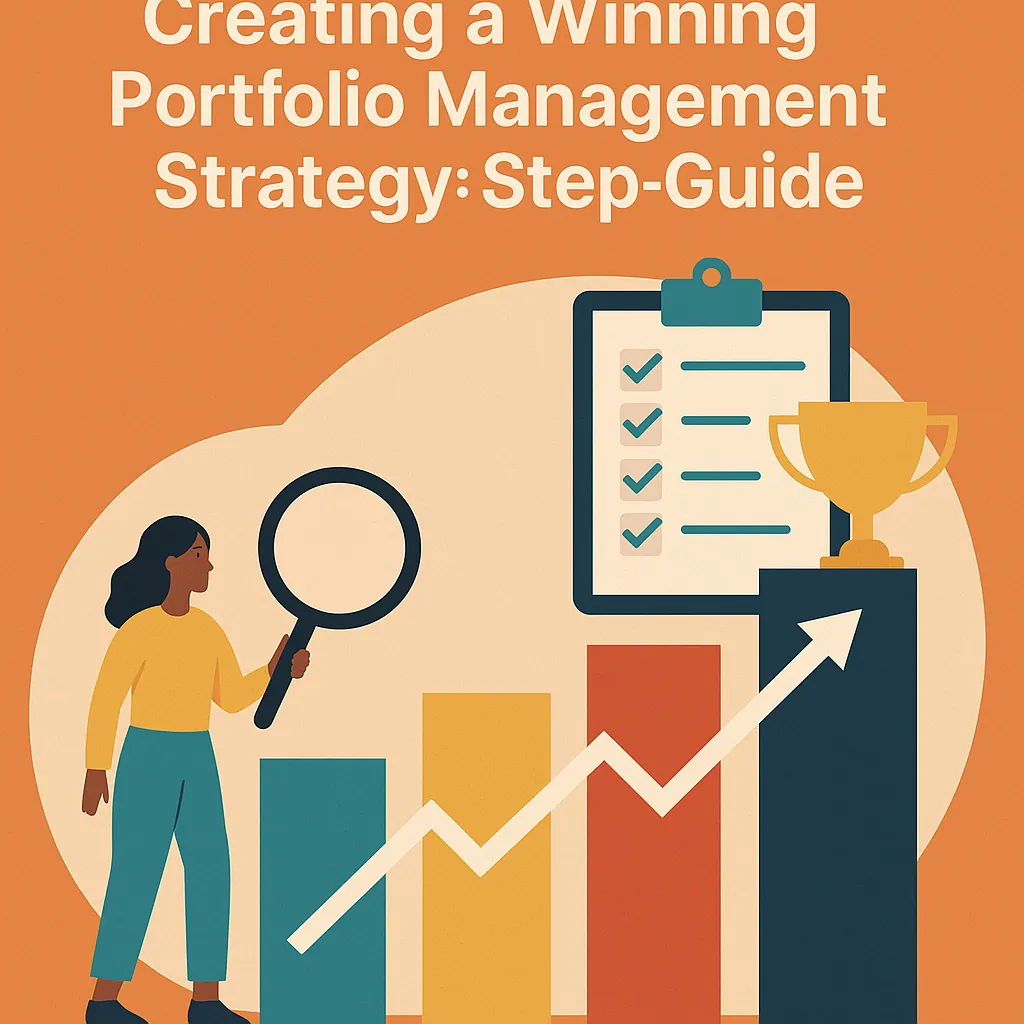
Introduction to Portfolio Management
Portfolio management is a critical discipline that involves the centralized management of one or more portfolios to achieve strategic objectives. It encompasses the processes, methods, and tools used to manage and prioritize projects, programs, and operations in alignment with an organization’s overarching goals.
Definition of Portfolio Management
Portfolio management in project management refers to the systematic approach of selecting, prioritizing, and managing a collection of projects and programs. This process ensures that the projects undertaken by an organization are not only aligned with its strategic objectives but also optimized for resource allocation and risk management. By evaluating the potential value and risks associated with each project, organizations can make informed decisions that enhance their overall performance and success.
Importance of Aligning Projects with Organizational Strategy
Aligning projects with organizational strategy is paramount for several reasons:
- Strategic Focus: Ensuring that projects are in line with the strategic goals of the organization helps maintain focus on what truly matters, allowing resources to be allocated effectively to initiatives that drive value.
- Resource Optimization: By prioritizing projects that align with strategic objectives, organizations can optimize their resources, including time, budget, and personnel, leading to improved efficiency and reduced waste.
- Risk Management: A strategic alignment allows for better risk assessment and management, as projects that do not align with the organization’s goals may pose higher risks and divert attention from more critical initiatives.
Overview of the Benefits of Effective Portfolio Management
Implementing an effective portfolio management strategy offers numerous benefits, including:
- Enhanced Decision-Making: A structured approach to portfolio management provides project managers and business analysts with the necessary data and insights to make informed decisions regarding project selection and prioritization.
- Improved Performance: Organizations that practice effective portfolio management often experience improved project performance, as they are better equipped to identify and pursue projects that yield the highest returns on investment.
- Increased Agility: A well-managed portfolio allows organizations to respond swiftly to changes in the market or organizational priorities, enabling them to pivot and adapt their project focus as needed.
- Greater Stakeholder Satisfaction: By aligning projects with strategic goals and effectively managing resources, organizations can enhance stakeholder satisfaction, as projects are more likely to deliver expected outcomes and benefits.
Understanding Your Organizational Goals
Developing a winning portfolio management strategy hinges on a clear understanding of your organization’s goals. This alignment is crucial for ensuring that the projects undertaken not only contribute to immediate objectives but also support long-term vision. Here’s a step-by-step guide to help you navigate this essential aspect of portfolio management.
Identifying Short-Term and Long-Term Business Goals
- Define Clear Objectives: Start by articulating both short-term and long-term goals. Short-term goals might include increasing market share or improving customer satisfaction, while long-term goals could focus on innovation, sustainability, or market leadership. Clearly defined objectives provide a roadmap for project selection and prioritization.
- SMART Criteria: Utilize the SMART criteria (Specific, Measurable, Achievable, Relevant, Time-bound) to ensure that the goals are well-structured. This approach helps in setting realistic expectations and measuring progress effectively.
- Regular Review and Adjustment: Business goals can evolve due to various factors, including market dynamics and organizational changes. Regularly reviewing and adjusting these goals ensures that your portfolio remains relevant and aligned with the organization’s strategic direction.
Analyzing Current Market Trends and Economic Factors
- Market Research: Conduct thorough market research to identify current trends that may impact your organization. This includes understanding competitor strategies, customer preferences, and technological advancements.
- Economic Analysis: Assess economic factors such as inflation rates, economic growth, and industry-specific challenges. These elements can significantly influence project viability and resource allocation.
- SWOT Analysis: Implement a SWOT analysis (Strengths, Weaknesses, Opportunities, Threats) to evaluate how external market conditions align with your organizational capabilities. This analysis can help in identifying potential projects that leverage strengths and opportunities while mitigating risks.
Engaging Stakeholders to Gather Insights and Expectations
- Stakeholder Identification: Identify key stakeholders, including executives, team members, customers, and partners. Each group may have different insights and expectations that are vital for shaping the portfolio strategy.
- Conduct Surveys and Interviews: Use surveys, interviews, and focus groups to gather qualitative and quantitative data from stakeholders. This feedback can provide valuable insights into their priorities and concerns, ensuring that the portfolio reflects a comprehensive view of organizational needs.
- Facilitate Workshops: Organize workshops to foster collaboration among stakeholders. These sessions can help in brainstorming ideas, discussing potential projects, and aligning on strategic priorities.
- Continuous Communication: Establish a communication plan to keep stakeholders informed and engaged throughout the portfolio management process. Regular updates and feedback loops can enhance buy-in and support for the portfolio strategy.
By focusing on these key areas, project managers and business analysts can create a robust portfolio management strategy that not only aligns with organizational goals but also adapts to changing market conditions and stakeholder expectations. This alignment is essential for maximizing the value delivered through projects and ensuring long-term success.
Assessing Current Projects and Resources
A robust portfolio management strategy is essential for aligning projects with organizational goals and optimizing resource allocation. The first step in developing this strategy involves a thorough assessment of current projects and available resources. This section outlines the key components necessary for evaluating existing projects and resource capabilities to inform effective portfolio decisions.
1. Conducting a Comprehensive Project Inventory
A project inventory serves as the foundation for understanding the current landscape of initiatives within an organization. This inventory should include:
- Project Descriptions: Document each project’s objectives, scope, and deliverables to provide clarity on what each project aims to achieve.
- Status Updates: Regularly update the status of each project, categorizing them as active, on hold, or completed. This helps in identifying which projects are progressing as planned and which may require intervention.
- Alignment with Strategic Goals: Assess how each project aligns with the organization’s strategic objectives. This alignment is crucial for prioritizing projects that contribute most significantly to overall business goals.
2. Evaluating Project Performance Metrics and Outcomes
To make informed decisions about which projects to continue, modify, or terminate, it is vital to evaluate their performance metrics and outcomes. Key performance indicators (KPIs) to consider include:
- Budget Adherence: Analyze whether projects are staying within their allocated budgets. Projects that consistently exceed budget may need to be reevaluated for their viability.
- Timeline Performance: Review whether projects are meeting their deadlines. Delays can indicate underlying issues that may affect future project success.
- Quality of Deliverables: Assess the quality of the outputs produced by each project. This can be measured through stakeholder feedback, defect rates, or compliance with standards.
- Return on Investment (ROI): Calculate the ROI for completed projects to determine their financial impact. Projects with low or negative ROI may not warrant further investment.
3. Assessing Resource Availability
Understanding the availability of resources is critical for effective portfolio management. This assessment should encompass:
- Budget Availability: Evaluate the financial resources allocated to current and future projects. This includes understanding funding sources and any constraints that may impact project execution.
- Personnel Resources: Assess the availability and skill sets of team members. Identifying gaps in expertise or capacity can inform decisions about project staffing and training needs.
- Technological Resources: Review the technology and tools available to support project execution. This includes software, hardware, and any other technological assets that can enhance project efficiency.
By conducting a comprehensive project inventory, evaluating performance metrics, and assessing resource availability, project managers and business analysts can gain valuable insights into their current project landscape. This foundational understanding is essential for making informed portfolio decisions that align with strategic objectives and optimize resource utilization.
Defining Your Portfolio Management Framework
Creating a robust portfolio management framework is essential for ensuring that projects align with organizational goals and deliver maximum value. This section outlines key components to consider when defining your portfolio management strategy.
Choosing a Suitable Portfolio Management Methodology
Selecting the right methodology is crucial for the success of your portfolio management efforts. Here are some common methodologies to consider:
- Agile: This approach is ideal for organizations that require flexibility and rapid response to change. Agile methodologies, such as Scrum or Kanban, allow for iterative progress and continuous feedback, making them suitable for dynamic environments where project requirements may evolve.
- Waterfall: A more traditional approach, Waterfall is linear and sequential, making it suitable for projects with well-defined requirements and deliverables. This methodology is often preferred in industries like construction or manufacturing, where changes can be costly and time-consuming.
- Hybrid: Many organizations find that a combination of Agile and Waterfall methodologies works best. A hybrid approach allows teams to leverage the strengths of both methodologies, adapting to the specific needs of different projects within the portfolio.
Establishing Governance Structures and Decision-Making Processes
Effective governance is vital for maintaining oversight and ensuring that projects within the portfolio are aligned with strategic objectives. Key elements include:
- Governance Framework: Develop a governance framework that outlines the structure, roles, and responsibilities of the portfolio management team. This framework should define how decisions are made, who is accountable for project outcomes, and how performance is monitored.
- Decision-Making Processes: Establish clear processes for prioritizing projects, allocating resources, and making strategic decisions. This may involve setting up a Portfolio Management Office (PMO) that oversees project selection and resource allocation, ensuring that decisions are made based on data-driven insights and organizational priorities.
- Stakeholder Engagement: Involve key stakeholders in the governance process to ensure that their perspectives and needs are considered. Regular communication and updates can help maintain alignment and support for the portfolio management strategy.
Defining Roles and Responsibilities Within the Portfolio Management Team
Clearly defined roles and responsibilities are essential for effective collaboration and accountability within the portfolio management team. Consider the following roles:
- Portfolio Manager: Responsible for overseeing the entire portfolio, the portfolio manager ensures that projects align with strategic goals and that resources are allocated effectively. This role involves monitoring project performance and making adjustments as necessary.
- Project Managers: Each project within the portfolio should have a dedicated project manager who is responsible for executing the project plan, managing the team, and reporting on progress. Project managers play a critical role in ensuring that projects deliver on their objectives.
- Business Analysts: Business analysts help identify project requirements and assess the potential value of projects within the portfolio. They serve as a bridge between stakeholders and project teams, ensuring that business needs are met.
- Governance Committee: This committee, composed of senior leaders and stakeholders, provides oversight and strategic direction for the portfolio. They are responsible for approving project proposals and ensuring alignment with organizational goals.
By establishing a clear portfolio management framework that includes the right methodology, governance structures, and defined roles, organizations can effectively manage their project portfolios and drive successful outcomes. This structured approach not only enhances decision-making but also ensures that resources are utilized efficiently, ultimately leading to a winning portfolio management strategy.
Prioritizing Projects Within the Portfolio
Effectively prioritizing projects within a portfolio is crucial for maximizing value and ensuring alignment with organizational goals. A systematic approach to project prioritization not only enhances decision-making but also fosters stakeholder engagement and commitment. Here’s a step-by-step guide to developing an effective project prioritization strategy.
1. Developing Criteria for Project Prioritization
Establishing clear and relevant criteria is the foundation of any successful project prioritization process. Consider the following factors:
- Return on Investment (ROI): Evaluate the potential financial returns of each project. Projects with higher ROI should be prioritized as they promise greater financial benefits relative to their costs.
- Strategic Fit: Assess how well each project aligns with the organization’s strategic objectives. Projects that support key business goals or initiatives should be given precedence.
- Risk Assessment: Analyze the risks associated with each project, including potential obstacles and uncertainties. Projects with manageable risks may be prioritized over those with high uncertainty.
- Resource Availability: Consider the resources required for each project, including personnel, technology, and budget. Projects that can be executed with available resources may be prioritized to avoid delays.
2. Utilizing Scoring Models and Ranking Systems
Once criteria are established, employing scoring models can provide a quantitative basis for prioritization:
- Weighted Scoring Model: Assign weights to each criterion based on its importance. For example, if ROI is deemed more critical than strategic fit, it should receive a higher weight. Each project is then scored against these criteria, and the total scores help rank the projects.
- MoSCoW Method: This method categorizes projects into four groups: Must have, Should have, Could have, and Won’t have. This approach helps in quickly identifying which projects are essential and which can be deferred.
- Kano Model: This model helps in understanding customer satisfaction and prioritizing projects based on features that will delight customers versus those that are basic requirements.
3. Engaging Stakeholders in the Prioritization Process
Stakeholder engagement is vital for ensuring that the prioritization process is transparent and inclusive:
- Workshops and Meetings: Organize workshops with key stakeholders to discuss project criteria and gather input. This collaborative approach fosters a sense of ownership and commitment to the prioritization outcomes.
- Surveys and Feedback: Utilize surveys to collect feedback from a broader audience. This can help in understanding different perspectives and ensuring that all relevant voices are heard.
- Regular Updates: Keep stakeholders informed throughout the prioritization process. Regular updates on progress and changes in project status can help maintain engagement and support.
Resource Allocation and Optimization
Effective resource allocation and optimization are critical components of a successful portfolio management strategy. This section will delve into the essential steps for ensuring that resources are allocated efficiently across your project portfolio, ultimately leading to improved project outcomes and organizational success.
Identifying Resource Constraints and Bottlenecks
- Conduct a Resource Inventory: Begin by creating a comprehensive inventory of all available resources, including personnel, equipment, and budgetary allocations. This inventory will serve as the foundation for identifying constraints.
- Analyze Current Resource Utilization: Evaluate how resources are currently being utilized across projects. Look for patterns that may indicate over-allocation or under-utilization. Tools such as resource management software can provide insights into usage rates and availability.
- Identify Bottlenecks: Focus on areas where resource demand exceeds supply. Common bottlenecks may occur in specialized skill sets, critical equipment, or budget constraints. Engaging with team members can also help uncover hidden bottlenecks that may not be immediately apparent.
Implementing Resource Optimization Techniques and Tools
- Prioritize Projects: Use a scoring model to prioritize projects based on strategic alignment, potential ROI, and resource requirements. This will help in making informed decisions about where to allocate limited resources.
- Adopt Agile Resource Management: Implement agile methodologies that allow for flexible resource allocation. This approach enables project managers to quickly adapt to changing project needs and reallocate resources as necessary.
- Utilize Resource Management Tools: Leverage technology to optimize resource allocation. Tools like Microsoft Project, Smartsheet, or dedicated resource management software can help visualize resource allocation, track availability, and forecast future needs.
- Cross-Training Team Members: Encourage cross-training among team members to create a more versatile workforce. This strategy not only helps in alleviating bottlenecks but also enhances team collaboration and knowledge sharing.
Monitoring Resource Utilization and Making Adjustments as Necessary
- Establish Key Performance Indicators (KPIs): Define KPIs to measure resource utilization effectively. Metrics such as resource availability, project completion rates, and budget adherence can provide valuable insights into how well resources are being managed.
- Regular Review Meetings: Schedule regular check-ins with project teams to discuss resource allocation and utilization. These meetings can help identify any emerging issues and allow for timely adjustments.
- Feedback Loops: Create a feedback mechanism where team members can report on resource challenges and successes. This information can be invaluable for making informed adjustments to resource allocation strategies.
- Continuous Improvement: Adopt a mindset of continuous improvement by regularly reviewing and refining resource allocation strategies. Analyze past projects to identify lessons learned and apply these insights to future resource planning.
By focusing on these key areas, project managers and business analysts can develop a robust resource allocation and optimization strategy that enhances the overall effectiveness of their portfolio management efforts. This proactive approach not only ensures that resources are used efficiently but also positions the organization for long-term success in achieving its strategic objectives.
Risk Management in Portfolio Planning
Effective risk management is crucial for the success of a portfolio. A well-structured portfolio management strategy not only aligns projects with organizational goals but also anticipates and mitigates potential risks that could derail progress. Here’s a step-by-step guide to incorporating risk management practices into your portfolio management strategy.
Identifying Potential Risks at the Portfolio Level
- Comprehensive Risk Assessment: Begin by conducting a thorough risk assessment across all projects within the portfolio. This involves identifying risks that could impact the portfolio as a whole, rather than just individual projects. Consider factors such as market volatility, resource availability, regulatory changes, and technological advancements.
- Stakeholder Engagement: Involve key stakeholders in the risk identification process. Their insights can help uncover risks that may not be immediately apparent. Use techniques such as brainstorming sessions, interviews, and surveys to gather diverse perspectives.
- Categorization of Risks: Once identified, categorize risks into different types (e.g., strategic, operational, financial, compliance) to facilitate better analysis and prioritization. This categorization will help in understanding the potential impact of each risk on the portfolio.
Developing Risk Mitigation Strategies for High-Priority Projects
- Prioritization of Risks: Assess the likelihood and impact of each identified risk to prioritize them effectively. Focus on high-priority projects that pose the greatest risk to the portfolio’s success. Use a risk matrix to visualize and rank risks based on their severity.
- Mitigation Planning: For each high-priority risk, develop specific mitigation strategies. This could include:
- Contingency Plans: Prepare alternative plans that can be activated if a risk materializes.
- Resource Allocation: Ensure that adequate resources are allocated to manage risks effectively, including budget, personnel, and technology.
- Training and Development: Invest in training for project teams to enhance their ability to manage risks proactively.
- Documentation and Communication: Document all risk mitigation strategies and communicate them clearly to all stakeholders. This ensures that everyone is aware of the risks and the plans in place to address them.
Establishing a Continuous Risk Monitoring Process
- Regular Review Meetings: Schedule regular portfolio review meetings to assess the status of identified risks and the effectiveness of mitigation strategies. This allows for timely adjustments to be made as new risks emerge or existing risks evolve.
- Key Risk Indicators (KRIs): Develop and monitor KRIs that provide early warning signs of potential risks. These indicators should be relevant to the specific context of the portfolio and should be tracked consistently.
- Feedback Loop: Create a feedback mechanism that allows project teams to report on risk management experiences and lessons learned. This information can be invaluable for refining risk management practices and improving future portfolio planning efforts.
- Integration with Project Management Tools: Utilize project management software that includes risk management features. This can streamline the process of tracking risks and ensure that risk management is integrated into the overall project management workflow.
By systematically identifying risks, developing targeted mitigation strategies, and establishing a continuous monitoring process, project managers and business analysts can enhance their portfolio management strategies. This proactive approach not only safeguards the portfolio against potential threats but also positions the organization for sustained success in achieving its strategic objectives.
Performance Monitoring and Reporting
Performance monitoring and reporting are crucial for ensuring that projects align with strategic objectives and deliver value. This section outlines a framework for tracking and reporting on portfolio performance, focusing on key performance indicators (KPIs), review cycles, and the use of project management tools.
Defining Key Performance Indicators (KPIs) for Portfolio Success
Establishing clear KPIs is essential for measuring the success of a portfolio. These indicators should be aligned with the strategic goals of the organization and provide insights into various aspects of portfolio performance. Key KPIs may include:
- Return on Investment (ROI): Measures the profitability of the portfolio by comparing the net benefits to the costs incurred.
- Project Completion Rate: Tracks the percentage of projects completed on time and within budget, reflecting overall efficiency.
- Resource Utilization: Assesses how effectively resources (human, financial, and material) are being used across the portfolio.
- Stakeholder Satisfaction: Gauges the satisfaction levels of stakeholders involved in the projects, which can indicate the portfolio’s alignment with their needs and expectations.
By defining these KPIs, project managers can create a baseline for performance measurement and identify areas for improvement.
Implementing Regular Review Cycles and Reporting Formats
To maintain oversight of portfolio performance, it is vital to implement regular review cycles. These cycles should include:
- Monthly or Quarterly Reviews: Schedule regular meetings to assess portfolio performance against the defined KPIs. This allows for timely adjustments and decision-making.
- Standardized Reporting Formats: Develop consistent reporting templates that facilitate easy comparison and analysis of performance data. Reports should highlight key metrics, trends, and any deviations from expected performance.
Regular reviews not only help in tracking progress but also foster communication among stakeholders, ensuring that everyone is aligned with the portfolio’s objectives.
Utilizing Project Management Tools for Performance Tracking
Leveraging project management tools can significantly enhance the effectiveness of performance monitoring and reporting. These tools can provide:
- Real-Time Data Tracking: Tools like Microsoft Project, Trello, or Asana allow for real-time updates on project status, resource allocation, and budget utilization, enabling project managers to make informed decisions quickly.
- Dashboards and Visualizations: Many project management tools offer customizable dashboards that visualize performance metrics, making it easier to identify trends and areas needing attention.
- Integration Capabilities: Integrating various tools can streamline data collection and reporting processes, ensuring that all relevant information is captured and analyzed efficiently.
By utilizing these tools, project managers can enhance their ability to monitor portfolio performance effectively and report on it in a way that supports strategic decision-making.
Continuous Improvement and Adaptation
The effectiveness of a portfolio management strategy hinges on its ability to evolve and adapt to changing circumstances. Continuous improvement is not just a best practice; it is a necessity for organizations aiming to maintain a competitive edge. Here are key points to consider when fostering an environment of ongoing enhancement in portfolio management:
- Encouraging a Culture of Feedback and Learning: Establishing a culture that values feedback is crucial for the success of portfolio management. Project managers and business analysts should actively seek input from team members, stakeholders, and clients. This feedback loop can provide valuable insights into what is working and what needs adjustment. Regular retrospectives and reviews can facilitate open discussions about successes and challenges, allowing teams to learn from past experiences and apply those lessons to future projects. By promoting a mindset of continuous learning, organizations can enhance their decision-making processes and improve overall portfolio performance.
- Regularly Reassessing and Adjusting the Portfolio Strategy: The business landscape is constantly changing, and so should your portfolio management strategy. Regular reassessment of the portfolio is essential to ensure alignment with organizational goals and market demands. This involves evaluating the performance of ongoing projects, identifying underperforming initiatives, and reallocating resources as necessary. By implementing a structured review process—such as quarterly portfolio assessments—project managers can make informed decisions about which projects to prioritize, continue, or discontinue. This proactive approach not only optimizes resource allocation but also enhances the overall agility of the organization.
- Staying Informed About Industry Trends and Emerging Best Practices: To remain competitive, it is vital for project managers and business analysts to stay abreast of industry trends and best practices in portfolio management. This can be achieved through continuous professional development, attending industry conferences, participating in webinars, and engaging with professional networks. By keeping informed about new methodologies, tools, and technologies, organizations can integrate innovative practices into their portfolio management strategies. This not only fosters a culture of adaptability but also positions the organization to leverage new opportunities as they arise.
Conclusion
A well-structured portfolio management strategy is not just beneficial; it is essential for achieving organizational goals and maximizing resource efficiency. As we have explored throughout this guide, effective portfolio management enables project managers and business analysts to align projects with strategic objectives, prioritize initiatives based on value and risk, and ensure optimal resource allocation. Here are the key takeaways:
- Importance of Structure: A structured portfolio management strategy provides clarity and direction, allowing teams to make informed decisions that align with the organization’s vision. It helps in identifying which projects to pursue, defer, or cancel based on their alignment with strategic goals and available resources.
- Implementation of Steps: We have outlined a series of actionable steps to develop an effective portfolio management strategy. From assessing current projects to establishing clear criteria for project selection and prioritization, these steps are designed to guide project managers and business analysts in creating a robust framework that supports decision-making and enhances project outcomes. It is crucial to take these steps seriously and integrate them into your project management practices.
- Community Engagement: We encourage project managers and business analysts to share their experiences and best practices within the community. Engaging with peers not only fosters a culture of continuous improvement but also provides valuable insights that can enhance your portfolio management strategy. By sharing successes and challenges, you contribute to a collective knowledge base that benefits everyone in the field.
In conclusion, the journey towards effective portfolio management is ongoing and requires commitment and collaboration. By implementing the strategies discussed in this guide, you can position your organization for success and drive meaningful results.
Find out more about Shaun Stoltz https://www.shaunstoltz.com/about/.
This post was written by an AI and reviewed/edited by a human.