Introduction to Portfolio Planning
Portfolio planning serves as a critical framework that enables organizations to effectively manage and prioritize their projects. This section aims to provide a foundational understanding of portfolio planning, emphasizing its significance in fostering cross-functional collaboration among departments.
Definition of Portfolio Planning
Portfolio planning refers to the process of selecting, prioritizing, and managing a collection of projects and programs in alignment with an organization’s strategic objectives. It involves evaluating potential projects based on various criteria, such as resource availability, risk assessment, and expected returns. By adopting a portfolio approach, organizations can ensure that they are not only executing projects efficiently but also maximizing their overall value and impact.
Overview of the Role of a Portfolio Planner
A portfolio planner plays a pivotal role in the project management landscape. This individual is responsible for overseeing the entire portfolio of projects, ensuring that they align with the organization’s strategic goals. Key responsibilities include:
- Assessment and Prioritization: Evaluating project proposals and determining their alignment with organizational objectives.
- Resource Allocation: Ensuring that resources are allocated effectively across projects to optimize performance and minimize conflicts.
- Monitoring and Reporting: Tracking the progress of projects within the portfolio and providing insights to stakeholders about performance and potential adjustments.
The portfolio planner acts as a bridge between various departments, facilitating communication and collaboration to ensure that all teams are working towards common goals.
Importance of Aligning Projects with Organizational Goals
Aligning projects with organizational goals is crucial for several reasons:
- Strategic Focus: When projects are aligned with the broader objectives of the organization, it ensures that resources are directed towards initiatives that drive the most value.
- Enhanced Collaboration: Cross-functional collaboration is fostered when teams understand how their projects contribute to the overall mission. This shared understanding encourages cooperation and reduces silos between departments.
- Improved Decision-Making: A well-structured portfolio planning process provides a clear framework for decision-making, allowing leaders to make informed choices about which projects to pursue or discontinue based on their alignment with strategic goals.
The Role of Cross-Functional Collaboration
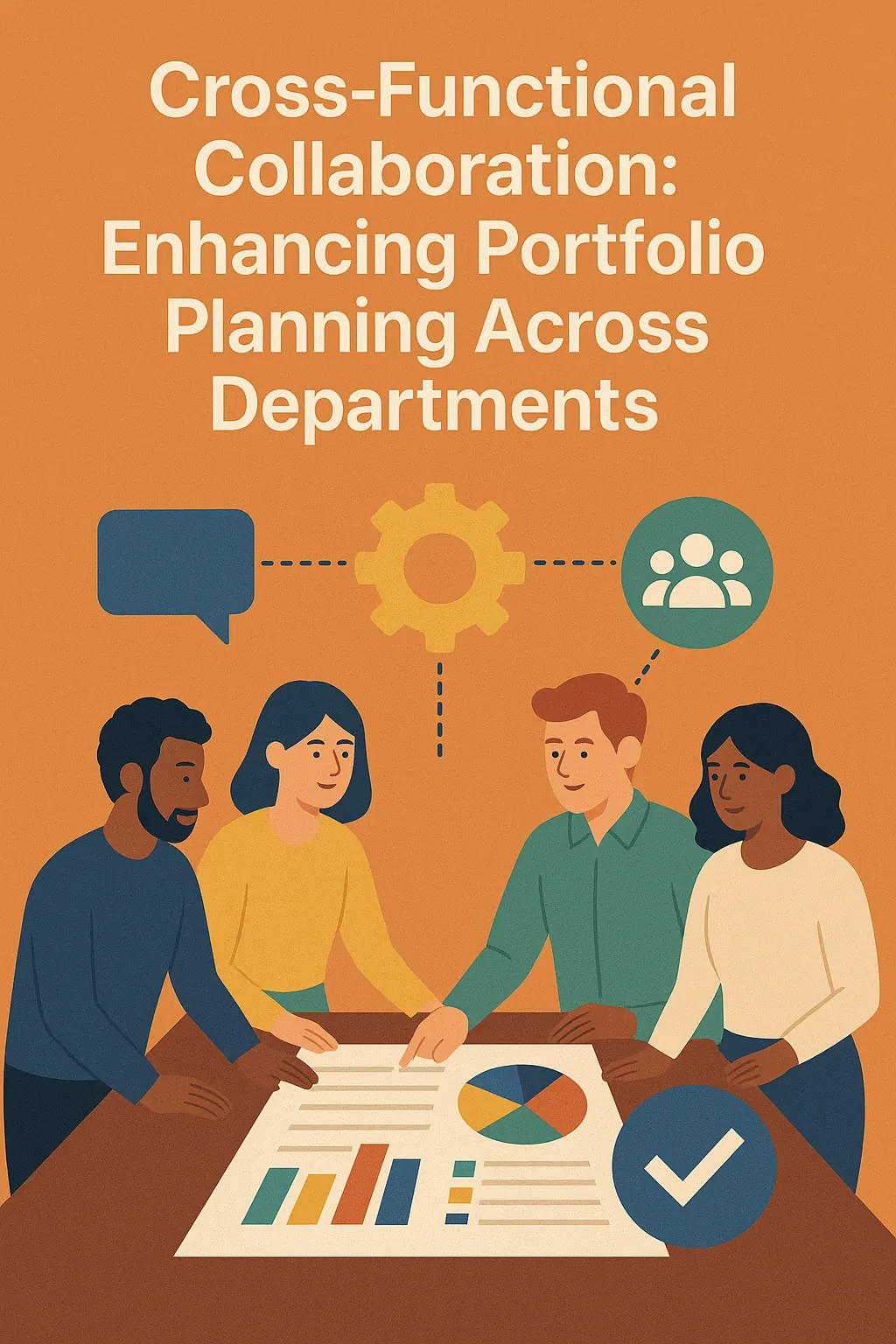
Particularly in portfolio planning, cross-functional collaboration emerges as a critical component for success. This section delves into the definition of cross-functional collaboration, its significance in portfolio planning, the benefits it brings, and real-world examples that illustrate its effectiveness.
Definition of Cross-Functional Collaboration
Cross-functional collaboration refers to the cooperative efforts of individuals from different departments or areas of expertise working together towards a common goal. In the context of portfolio planning, this collaboration is essential as it integrates diverse perspectives and skills, ensuring that all aspects of a project are considered. By breaking down silos, teams can leverage the unique insights and capabilities of various departments, leading to more comprehensive and effective planning.
Benefits of Collaboration
- Improved Communication: Effective collaboration fosters open lines of communication among team members from different departments. This transparency helps to clarify objectives, align priorities, and reduce misunderstandings, which can often derail projects. When team leaders and project managers communicate effectively, they can ensure that everyone is on the same page regarding project goals and timelines.
- Resource Sharing: Cross-functional teams can pool resources, including knowledge, skills, and tools, which enhances overall efficiency. By sharing resources, departments can avoid duplication of efforts and optimize the use of available assets. This not only saves time but also reduces costs, making the portfolio planning process more efficient.
- Enhanced Problem-Solving: Diverse teams bring varied perspectives to the table, which can lead to innovative solutions to complex problems. When team members from different backgrounds collaborate, they can approach challenges from multiple angles, resulting in more creative and effective strategies.
- Increased Accountability: Collaboration encourages a sense of shared responsibility among team members. When individuals from various departments work together, they are more likely to hold each other accountable for their contributions, leading to higher quality outcomes in portfolio planning.
Examples of Cross-Functional Teams in Successful Portfolio Planning
- Tech Development and Marketing: A technology company may form a cross-functional team comprising members from product development, marketing, and customer support. This team collaborates to ensure that new products not only meet technical specifications but also align with market needs and customer expectations. By integrating insights from marketing and customer feedback, the team can prioritize projects that are more likely to succeed in the marketplace.
- Finance and Operations: In a manufacturing firm, finance and operations departments can work together to assess the feasibility of new projects. By collaborating, they can evaluate the financial implications of operational changes, ensuring that portfolio decisions are both economically viable and operationally sound.
- Human Resources and Project Management: A cross-functional team that includes human resources and project management can enhance workforce planning and resource allocation. By collaborating, they can identify skill gaps and training needs, ensuring that the right talent is available for critical projects within the portfolio.
Challenges in Cross-Functional Collaboration
Effective portfolio planning is crucial for the success of any organization, particularly in environments where multiple departments must work together. However, cross-functional collaboration often faces several challenges that can hinder the planning process. Understanding these barriers is essential for team leaders and project managers aiming to enhance collaboration and improve portfolio outcomes.
1. Cultural Differences Between Departments
- Diverse Work Cultures: Each department within an organization typically has its own culture, shaped by its specific goals, values, and practices. For instance, the marketing team may prioritize creativity and innovation, while the finance department may focus on risk management and compliance. These cultural differences can lead to misunderstandings and conflicts, making it difficult to align on common objectives during portfolio planning.
- Resistance to Change: Departments may also exhibit resistance to adopting collaborative practices, especially if they perceive them as a threat to their established ways of working. This resistance can create friction and impede the development of a unified portfolio strategy.
2. Communication Breakdowns and Silos
- Ineffective Communication Channels: Poor communication is a significant barrier to effective collaboration. When departments operate in silos, information may not flow freely between them, leading to gaps in understanding and coordination. This can result in duplicated efforts or misaligned priorities, ultimately affecting the success of the portfolio.
- Lack of Shared Language: Different departments may use jargon or terminology that is specific to their field, which can create confusion and hinder effective communication. Establishing a common language and clear communication protocols is essential for fostering collaboration.
3. Conflicting Priorities and Resource Allocation Issues
- Competing Objectives: Departments often have their own priorities that may conflict with those of other teams. For example, while the IT department may prioritize system upgrades, the sales team may focus on immediate customer needs. These conflicting objectives can complicate decision-making during portfolio planning, as teams struggle to balance their individual goals with the overall organizational strategy.
- Resource Constraints: Limited resources can exacerbate conflicts between departments. When resources such as budget, personnel, or time are scarce, departments may compete for access, leading to tension and further complicating collaboration efforts. Effective portfolio planning requires a clear understanding of resource allocation and prioritization to ensure that all departments can contribute effectively.
Strategies for Enhancing Collaboration
Effective portfolio planning is crucial for the success of any organization, particularly in a cross-functional environment where multiple departments must work together seamlessly. Here are actionable strategies that team leaders and project managers can implement to enhance collaboration across departments:
1. Establish Clear Communication Channels and Protocols
- Define Communication Norms: Create guidelines that specify how and when team members should communicate. This includes regular updates, feedback loops, and escalation procedures for issues that arise.
- Regular Meetings: Schedule consistent cross-departmental meetings to discuss progress, challenges, and upcoming initiatives. This ensures that everyone is aligned and aware of each other’s contributions and timelines.
- Feedback Mechanisms: Implement structured feedback processes that allow team members to share insights and suggestions openly. This can help identify potential issues early and foster a collaborative atmosphere.
2. Utilize Collaborative Tools and Technology
- Project Management Software: Leverage tools like Asana, Trello, or Microsoft Teams to facilitate project tracking and task assignments. These platforms can help visualize progress and responsibilities across departments.
- Shared Document Repositories: Use cloud-based storage solutions (e.g., Google Drive, SharePoint) to create a centralized location for all project-related documents. This ensures that everyone has access to the latest information and can contribute effectively.
- Real-Time Collaboration Tools: Implement tools that allow for real-time collaboration, such as Slack or Zoom, to facilitate instant communication and brainstorming sessions, regardless of team members’ locations.
3. Encourage a Culture of Openness and Trust
- Foster Inclusivity: Create an environment where all team members feel valued and encouraged to share their ideas and perspectives. This can be achieved through team-building activities and open forums for discussion.
- Recognize Contributions: Acknowledge and celebrate the achievements of individuals and teams across departments. Recognition can motivate team members and reinforce the importance of collaboration.
- Conflict Resolution: Establish clear processes for addressing conflicts that may arise between departments. Encourage open dialogue and mediation to resolve issues constructively.
4. Set Shared Goals and Joint Accountability Measures
- Align Objectives: Develop shared goals that require input and collaboration from multiple departments. This alignment ensures that all teams are working towards a common purpose and understand their role in achieving it.
- Joint Accountability: Implement accountability measures that require teams to report on their contributions to shared goals. This can include joint performance metrics and regular check-ins to assess progress.
- Cross-Functional Teams: Form cross-functional teams for specific projects or initiatives. This not only enhances collaboration but also allows team members to gain insights into other departments’ processes and challenges.
By implementing these strategies, team leaders and project managers can significantly enhance collaboration across departments, leading to more effective portfolio planning and ultimately, greater organizational success.
Measuring the Impact of Collaboration on Portfolio Success
Particularly in portfolio planning, cross-functional collaboration is not just beneficial; it is essential for achieving success. As team leaders and project managers navigate the complexities of managing multiple projects across various departments, understanding how to measure the effectiveness of collaboration becomes crucial. Here are some key points to consider when assessing the impact of collaboration on portfolio success:
Key Performance Indicators (KPIs) to Measure Collaboration Success
- Project Delivery Timeliness: One of the primary indicators of successful collaboration is the ability to meet project deadlines. Tracking the percentage of projects delivered on time can provide insights into how well teams are working together.
- Resource Utilization Rates: Effective collaboration often leads to better resource allocation. Measuring how efficiently resources (human, financial, and material) are utilized across projects can indicate the level of collaboration among departments.
- Stakeholder Satisfaction: Gathering feedback from stakeholders regarding their satisfaction with project outcomes can serve as a KPI. High satisfaction levels often correlate with effective collaboration, as it reflects the alignment of project goals with stakeholder expectations.
- Quality of Deliverables: Assessing the quality of project outputs can also serve as a measure of collaboration. This can include evaluating the number of revisions required, adherence to standards, and overall project quality ratings.
- Communication Effectiveness: Monitoring the frequency and quality of communication between teams can provide insights into collaboration. Tools such as surveys or communication audits can help gauge how well information is shared across departments.
Feedback Mechanisms from Team Members and Stakeholders
- Regular Surveys and Polls: Implementing regular surveys can help gather insights from team members about their experiences with collaboration. Questions can focus on perceived barriers, communication effectiveness, and overall satisfaction with collaborative efforts.
- Retrospective Meetings: Conducting retrospective meetings at the end of projects allows teams to reflect on what worked well and what didn’t. This feedback can be invaluable for understanding collaboration dynamics and identifying areas for improvement.
- Stakeholder Interviews: Engaging with stakeholders through interviews can provide deeper insights into their perspectives on collaboration. This qualitative feedback can highlight specific areas where collaboration may be lacking or particularly strong.
- Collaboration Tools Analytics: Utilizing project management and collaboration tools that offer analytics can help track engagement levels, communication patterns, and project progress. Analyzing this data can reveal trends and areas needing attention.
Continuous Improvement Processes Based on Evaluation Results
- Action Plans for Improvement: Based on feedback and KPI evaluations, teams should develop action plans that address identified weaknesses in collaboration. This could involve training sessions, process adjustments, or the introduction of new collaboration tools.
- Iterative Review Cycles: Establishing a cycle of continuous review allows teams to regularly assess collaboration effectiveness. This iterative approach ensures that improvements are made in real-time and that teams remain agile in their collaboration efforts.
- Recognition and Reward Systems: Implementing recognition programs for teams that excel in collaboration can motivate others to enhance their collaborative efforts. Celebrating successes fosters a culture of teamwork and encourages ongoing collaboration.
- Training and Development: Providing ongoing training focused on collaboration skills, such as communication, conflict resolution, and teamwork, can enhance the overall effectiveness of cross-functional collaboration.
By focusing on these key areas, team leaders and project managers can effectively measure and enhance the impact of cross-functional collaboration on portfolio planning. This not only leads to improved project outcomes but also fosters a culture of teamwork and shared success across departments.
Conclusion: The Future of Portfolio Planning Through Collaboration
The significance of cross-functional collaboration in portfolio planning cannot be overstated. As organizations strive to optimize their resources and align their strategic objectives, the benefits of fostering collaboration across departments become increasingly clear. Here’s a recap of the key advantages:
- Enhanced Decision-Making: Cross-functional collaboration brings together diverse perspectives and expertise, leading to more informed decision-making. When team leaders and project managers collaborate, they can identify potential risks and opportunities that may not be visible within siloed departments.
- Increased Efficiency: By working together, teams can streamline processes and eliminate redundancies. This efficiency not only accelerates project timelines but also maximizes resource utilization, ensuring that projects are completed on time and within budget.
- Improved Innovation: Collaboration encourages creativity and innovation. When individuals from different backgrounds and skill sets come together, they can generate unique ideas and solutions that drive project success and enhance overall portfolio performance.
- Stronger Relationships: Building a culture of collaboration fosters stronger relationships among team members and departments. This interconnectedness leads to better communication, trust, and a shared commitment to organizational goals.
As we look to the future of portfolio planning, it is essential for project managers and team leaders to prioritize collaboration as a core component of their strategy. By actively seeking opportunities to engage with colleagues across various functions, leaders can create a more cohesive and agile project environment.
In conclusion, the future of portfolio planning lies in a collaborative environment where diverse teams unite to achieve shared goals. By fostering a culture of collaboration, organizations can not only enhance their portfolio planning processes but also position themselves for sustained success in an increasingly complex project landscape.
Find out more about Shaun Stoltz https://www.shaunstoltz.com/about/.
This post was written by an AI and reviewed/edited by a human.