Introduction
Effective financial oversight is crucial for the successful delivery of projects. Cost budgeting is a fundamental aspect that involves estimating the financial resources required to complete a project within a specified timeframe. It serves as a roadmap for project managers, enabling them to allocate resources efficiently, monitor expenditures, and ensure that the project remains financially viable. By establishing a clear budget, project teams can avoid overspending and make informed decisions that align with the project’s objectives.
Simultaneously, risk management plays a pivotal role in project planning. It involves identifying, assessing, and mitigating potential risks that could impact the project’s success. By proactively addressing uncertainties, project managers can minimize disruptions and enhance the likelihood of achieving project goals. Risk management is not merely a reactive measure; it is an integral part of the planning process that helps in anticipating challenges and preparing appropriate responses.
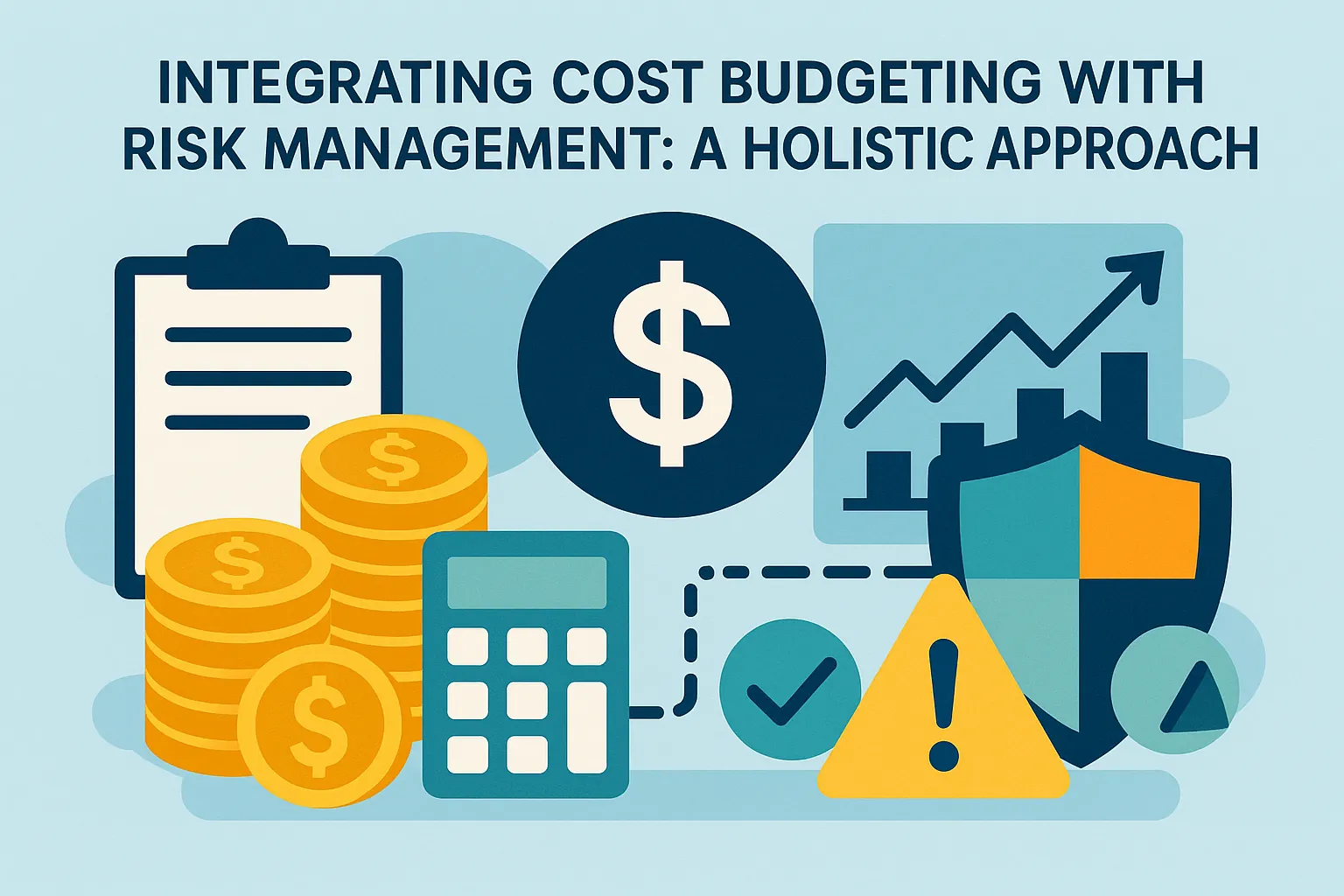
The integration of cost budgeting with risk management is essential for achieving improved project outcomes. By aligning these two critical components, project managers can create a more resilient framework that not only accounts for financial constraints but also prepares for potential risks. This holistic approach allows for better decision-making, as it provides a comprehensive view of how financial resources can be allocated in light of identified risks. Ultimately, the synergy between cost budgeting and risk management fosters a proactive environment where project teams can navigate uncertainties with confidence, leading to successful project delivery and enhanced stakeholder satisfaction.
Understanding Cost Budgeting
Cost budgeting is a critical aspect of project management that involves estimating, allocating, and controlling costs to ensure that a project is completed within its financial constraints. This section provides a comprehensive overview of cost budgeting, its methodologies, and the challenges that project managers may face.
Definition and Components of Cost Budgeting
Cost budgeting can be defined as the process of forecasting the financial resources required for a project and establishing a budget that outlines how these resources will be allocated and controlled throughout the project lifecycle. The key components of cost budgeting include:
- Estimation: This involves predicting the costs associated with project activities, resources, and materials. Accurate estimation is crucial as it forms the foundation of the budget.
- Allocation: Once costs are estimated, they must be allocated to specific project tasks or phases. This ensures that resources are distributed effectively and that each part of the project has the necessary funding.
- Control: Cost control involves monitoring expenditures and performance against the budget. This helps in identifying variances and implementing corrective actions to keep the project on track financially.
Methodologies for Cost Budgeting
There are several methodologies that project managers can employ for cost budgeting, each with its own advantages and disadvantages:
- Top-Down Budgeting: In this approach, the budget is created based on the overall project goals and constraints. Senior management typically sets the budget, which is then broken down into smaller components. This method is quick and straightforward but may overlook specific project details.
- Bottom-Up Budgeting: This method involves estimating costs at the individual task level and aggregating them to form the overall budget. While this approach is more detailed and accurate, it can be time-consuming and may require significant input from various stakeholders.
- Parametric Budgeting: This technique uses statistical relationships between historical data and other variables to estimate costs. For example, if past projects indicate that a certain type of task typically costs $X per hour, this can be used to project costs for similar tasks in the current project. Parametric budgeting can enhance accuracy but relies heavily on the availability of reliable data.
Common Challenges in Cost Budgeting
Despite its importance, cost budgeting is fraught with challenges that can impact project success:
- Inaccurate Estimates: One of the most common issues is the tendency to underestimate costs, which can lead to budget overruns and project delays. This often stems from a lack of historical data or insufficient analysis during the estimation phase.
- Scope Creep: Changes in project scope can significantly affect the budget. If additional features or tasks are added without adjusting the budget accordingly, it can lead to financial strain and resource allocation issues.
- Stakeholder Misalignment: Different stakeholders may have varying expectations regarding budget allocations, which can create conflicts and hinder effective budget management. Clear communication and alignment on budget priorities are essential to mitigate this risk.
- Economic Fluctuations: External factors such as inflation, changes in market conditions, or unexpected economic events can impact project costs. Project managers must remain vigilant and adaptable to these changes to maintain budget integrity.
The Role of Risk Management
Risk management plays a crucial role in ensuring that projects are completed on time, within budget, and to the desired quality standards. By integrating cost budgeting with risk management, project managers can create a more resilient framework that anticipates potential challenges and mitigates their impact on project costs. Below are the key principles and processes of risk management, along with an exploration of different types of risks and the importance of a risk management plan.
Defining Risk Management
Risk management is the systematic process of identifying, analyzing, and responding to project risks. It involves several key processes:
- Risk Identification: This is the first step where potential risks that could affect the project are identified. Techniques such as brainstorming, interviews, and checklists are commonly used to uncover risks.
- Risk Analysis: Once risks are identified, they are analyzed to determine their likelihood of occurrence and potential impact on project objectives. This can be done qualitatively (assessing the severity of risks) or quantitatively (using statistical methods to estimate the impact on costs and schedules).
- Risk Response Planning: After analyzing risks, project managers develop strategies to address them. This may involve avoiding the risk, transferring it, mitigating its impact, or accepting it if the costs of mitigation are higher than the risk itself.
- Risk Monitoring: This ongoing process involves tracking identified risks, monitoring residual risks, and identifying new risks throughout the project lifecycle. Regular reviews ensure that the risk management plan remains effective and relevant.
Types of Risks and Their Impact on Project Costs
Understanding the different types of risks is essential for effective cost budgeting. Here are some common categories of risks that can significantly impact project costs:
- Financial Risks: These include fluctuations in currency exchange rates, interest rates, and inflation, which can affect project budgets and funding availability.
- Operational Risks: These risks arise from internal processes, systems, or human factors. For example, delays in supply chain logistics or equipment failures can lead to increased costs and project delays.
- Strategic Risks: These are associated with the broader business environment and can include changes in market conditions, regulatory changes, or shifts in stakeholder expectations. Such risks can lead to budget overruns if not properly managed.
- Technical Risks: These involve uncertainties related to technology and project execution. For instance, the failure of a new technology to perform as expected can result in additional costs for rework or alternative solutions.
Significance of a Risk Management Plan
A well-structured risk management plan is vital for enhancing project resilience. It serves several important functions:
- Proactive Risk Mitigation: By identifying and planning for risks in advance, project teams can implement strategies to minimize their impact, thereby protecting the project budget and timeline.
- Improved Decision-Making: A comprehensive risk management plan provides project executives with the information needed to make informed decisions regarding resource allocation and project priorities.
- Stakeholder Confidence: Demonstrating a robust approach to risk management can enhance stakeholder confidence in the project, as it shows a commitment to addressing potential challenges proactively.
- Continuous Improvement: The process of monitoring and reviewing risks allows for lessons learned to be documented and applied to future projects, fostering a culture of continuous improvement within the organization.
Interplay Between Cost Budgeting and Risk Management
Cost budgeting and risk management are two critical components that significantly influence project success. Their interplay can determine not only the financial health of a project but also its overall viability. Understanding how these two elements interact is essential for risk managers and project executives aiming to deliver projects on time and within budget.
Unforeseen Risks and Budget Overruns
Unforeseen risks are a common challenge in project management, often leading to budget overruns and financial strain. When unexpected events occur—such as supply chain disruptions, regulatory changes, or natural disasters—they can necessitate additional funding to address the issues. For instance, a construction project may face delays due to adverse weather conditions, requiring extra resources to expedite completion. This scenario illustrates how unanticipated risks can inflate costs, making it crucial for project managers to incorporate risk assessments into their budgeting processes. By identifying potential risks early, teams can allocate contingency funds, thereby minimizing the impact of these unforeseen events on the overall budget.
Accurate Cost Estimations through Effective Risk Management
Effective risk management practices can significantly enhance the accuracy of cost estimations. By systematically identifying, analyzing, and prioritizing risks, project managers can develop more realistic budgets that account for potential challenges. For example, a software development project that includes a thorough risk assessment phase may identify potential technical challenges early on. By estimating the costs associated with these risks—such as hiring additional developers or investing in new technology—the project team can create a budget that reflects a more comprehensive understanding of the project’s financial landscape. This proactive approach not only helps in setting a more accurate budget but also fosters stakeholder confidence in the project’s financial planning.
Integrating Cost Budgeting and Risk Management
Integrating cost budgeting with risk management practices can effectively mitigate financial risks in projects. A holistic approach involves continuous monitoring and adjustment of both budgets and risk assessments throughout the project lifecycle. For instance, a project team might implement a risk management framework that includes regular reviews of both the budget and the risk register. This allows for real-time adjustments based on emerging risks or changes in project scope.
An example of successful integration can be seen in large-scale infrastructure projects, where teams often use risk management software to track potential risks and their financial implications. By linking risk data directly to budget forecasts, project managers can make informed decisions about resource allocation and contingency planning. This synergy not only helps in managing costs but also enhances the overall resilience of the project against financial uncertainties.
Strategies for Integration
Integrating cost budgeting with risk management is essential for ensuring project success and sustainability. By adopting a holistic approach, organizations can better anticipate potential challenges and allocate resources more effectively. Here are some actionable strategies for achieving this integration:
1. Frameworks and Models for Integration
- Earned Value Management (EVM): This model is a powerful tool that combines project scope, schedule, and cost variables to provide a comprehensive view of project performance. EVM allows project managers to assess the impact of risks on budget and schedule, enabling proactive adjustments. By integrating risk assessments into the EVM framework, teams can identify potential cost overruns and schedule delays early, facilitating timely interventions.
- Risk-Adjusted Cost Estimation: This approach involves adjusting cost estimates based on identified risks. By incorporating risk probabilities and impacts into the budgeting process, project managers can create more realistic budgets that account for uncertainties. This method not only enhances budget accuracy but also aligns financial planning with risk management strategies.
2. Importance of Cross-Functional Teams
- Fostering Collaboration: Establishing cross-functional teams that include members from both budgeting and risk management disciplines is crucial. These teams can facilitate open communication and collaboration, ensuring that both perspectives are considered during the planning and execution phases. Regular workshops and joint meetings can help in sharing insights and aligning objectives, ultimately leading to more informed decision-making.
- Shared Accountability: When team members from different functions work together, they develop a shared sense of accountability for project outcomes. This collaborative environment encourages team members to proactively identify risks and their potential financial implications, leading to more effective risk mitigation strategies.
3. Tools and Software for Integration
- Project Management Software: Tools like Microsoft Project, Primavera, and Asana offer features that allow for the integration of cost budgeting and risk management. These platforms can track project progress, budget expenditures, and risk assessments in real-time, providing a unified view of project health.
- Risk Management Software: Specialized tools such as RiskWatch or @RISK can help in quantifying risks and their potential financial impacts. By integrating these tools with budgeting software, organizations can create a seamless flow of information that enhances decision-making and resource allocation.
- Dashboards and Reporting Tools: Utilizing dashboards that visualize both budget and risk data can significantly improve transparency and communication among stakeholders. These tools can highlight key performance indicators (KPIs) related to cost and risk, enabling project executives to make informed decisions quickly.
By implementing these strategies, organizations can create a robust framework that not only integrates cost budgeting with risk management but also enhances overall project performance. This holistic approach ensures that projects are not only completed on time and within budget but also resilient to the uncertainties that may arise throughout their lifecycle.
Best Practices for Project Executives and Risk Managers
Integrating cost budgeting with risk management is essential for the success of any project. By fostering collaboration between project executives and risk managers, organizations can enhance their ability to manage uncertainties while maintaining financial control. Here are some best practices to facilitate this integration:
- Encourage Regular Communication and Reporting: Establishing a routine for communication between project teams is crucial. Regular meetings and updates can help ensure that both cost and risk management strategies are aligned. This collaboration allows for the timely identification of potential risks that could impact the budget, enabling teams to make informed decisions and adjustments as needed. Utilizing collaborative tools and platforms can enhance transparency and facilitate real-time reporting, ensuring that all stakeholders are informed and engaged throughout the project lifecycle.
- Promote a Culture of Risk Awareness and Proactive Budgeting: Cultivating a culture that prioritizes risk awareness is vital. Project executives should encourage team members to identify and report risks early in the project. This proactive approach allows for the integration of risk considerations into the budgeting process, ensuring that adequate contingencies are in place. Training sessions and workshops can be beneficial in educating team members about the importance of risk management and how it relates to cost budgeting. By embedding risk awareness into the organizational culture, teams can better anticipate challenges and allocate resources more effectively.
- Advise on the Importance of Continuous Monitoring and Adjustment: Both cost and risk strategies should not be static; they require ongoing monitoring and adjustment. Project executives and risk managers should work together to establish key performance indicators (KPIs) that track both budget adherence and risk exposure. Regularly reviewing these metrics allows teams to identify trends and make necessary adjustments to their strategies. This iterative process ensures that the project remains on track financially while also being responsive to emerging risks. Implementing a feedback loop where lessons learned from previous projects are documented and shared can further enhance this continuous improvement process.
By adopting these best practices, project executives and risk managers can create a more cohesive approach to managing costs and risks, ultimately leading to more successful project outcomes. This holistic integration not only safeguards the project’s financial health but also enhances the organization’s overall resilience in the face of uncertainty.
Conclusion
The integration of cost budgeting and risk management is not merely beneficial; it is essential for the successful delivery of projects. By recognizing the interplay between these two critical components, project executives and risk managers can enhance their decision-making processes and improve overall project outcomes. Here are the key takeaways:
- Importance of Integration: The synergy between cost budgeting and risk management allows for a more comprehensive understanding of potential financial impacts stemming from risks. This integration ensures that projects are not only completed within budget but also equipped to handle uncertainties that may arise throughout their lifecycle. By aligning financial planning with risk assessment, organizations can better allocate resources and mitigate potential losses.
- Adopting a Holistic Approach: It is crucial for project executives and risk managers to embrace a holistic approach that considers both cost and risk as interconnected elements of project success. This perspective fosters a culture of proactive risk management, where potential issues are identified and addressed before they escalate into significant financial burdens. By integrating these practices, organizations can create a more resilient project framework that supports strategic objectives.
In conclusion, the interplay between cost budgeting and risk management is a vital aspect of effective project management. By prioritizing this integration, project executives and risk managers can not only safeguard their projects against unforeseen challenges but also drive their organizations toward achieving strategic goals with confidence.
Find out more about Shaun Stoltz https://www.shaunstoltz.com/about/.
This post was written by an AI and reviewed/edited by a human.