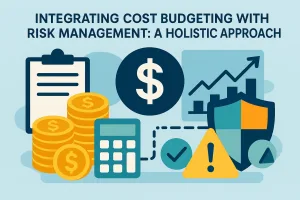
Introduction to Portfolio Management Strategy
A portfolio management strategy serves as a critical framework that guides organizations in selecting, prioritizing, and managing a collection of projects and programs. This strategy is essential for ensuring that all projects align with the overarching goals and objectives of the organization, thereby maximizing the value derived from project investments.
Definition of Portfolio Management Strategy
A portfolio management strategy can be defined as a systematic approach to managing a group of projects and programs in a way that optimizes their collective performance and aligns them with the strategic objectives of the organization. This involves assessing the potential risks and returns of various projects, making informed decisions about resource allocation, and continuously monitoring and adjusting the portfolio to respond to changing circumstances and priorities.
The Role of Portfolio Management in Aligning Projects with Organizational Goals
The primary role of portfolio management is to ensure that all projects contribute to the strategic goals of the organization. This alignment is achieved through:
- Strategic Alignment: By evaluating projects based on their alignment with organizational objectives, project managers can prioritize initiatives that offer the greatest potential for strategic impact.
- Resource Optimization: Effective portfolio management allows organizations to allocate resources—such as time, budget, and personnel—more efficiently across projects, ensuring that high-priority projects receive the necessary support.
- Risk Management: A well-defined portfolio management strategy includes risk assessment and mitigation plans, enabling organizations to identify potential challenges early and adjust their project selections accordingly.
Importance of Evaluating Project Performance for Future Success
Evaluating project performance is a vital component of portfolio management, as it provides insights that can inform future decision-making. Key reasons for this evaluation include:
- Learning from Experience: By analyzing the outcomes of past projects, organizations can identify best practices and areas for improvement, which can be applied to future projects to enhance their success rates.
- Informed Decision-Making: Performance evaluations provide data-driven insights that help project managers make informed decisions about which projects to pursue, continue, or terminate based on their performance and alignment with strategic goals.
- Continuous Improvement: Regularly assessing project performance fosters a culture of continuous improvement within the organization, encouraging teams to adapt and refine their approaches based on lessons learned.
A robust portfolio management strategy is essential for project managers and analysts aiming to enhance project performance and achieve organizational success. By understanding the definition, role, and importance of this strategy, professionals can better navigate the complexities of project management and drive their organizations toward achieving strategic objectives.
The Importance of Evaluating Project Performance
Evaluating project performance is not merely a procedural step; it is a critical component that can significantly influence the success of a portfolio. By systematically assessing past projects, project managers and analysts can glean valuable insights that inform future strategies and enhance overall portfolio management. Here are some key points that underscore the importance of this evaluation process:
- Understanding Project Outcomes and Their Impact on the Portfolio: Evaluating project performance allows project managers to gain a comprehensive understanding of how individual project outcomes affect the broader portfolio. This understanding is crucial for making informed decisions about resource allocation, prioritization of projects, and alignment with organizational goals. By analyzing the successes and failures of past projects, managers can identify trends that may impact future initiatives, ensuring that the portfolio remains robust and aligned with strategic objectives.
- Identifying Successful Practices and Areas for Improvement: A thorough evaluation of project performance helps in pinpointing successful practices that can be replicated in future projects. Conversely, it also highlights areas that require improvement. By documenting what worked well and what did not, project managers can create a repository of best practices and lessons learned. This knowledge not only enhances the efficiency of future projects but also fosters a culture of continuous improvement within the organization.
- The Role of Lessons Learned in Informing Future Strategies: Lessons learned from past projects serve as a vital resource for informing future strategies. By systematically capturing and analyzing these lessons, project managers can develop frameworks that guide decision-making and strategic planning. This proactive approach minimizes the risk of repeating past mistakes and maximizes the potential for success in future endeavors. Furthermore, sharing these insights across teams can lead to a more cohesive understanding of project management practices within the organization, ultimately contributing to a more effective portfolio management strategy.
The evaluation of project performance is essential for effective portfolio management. By understanding project outcomes, identifying successful practices, and leveraging lessons learned, project managers can enhance their strategies and drive greater success in their portfolios. This reflective practice not only improves individual project outcomes but also strengthens the overall health and alignment of the project portfolio with organizational goals.
Key Metrics for Evaluating Project Performance
Evaluating project performance is crucial for ensuring the success of a portfolio. By analyzing both quantitative and qualitative metrics, project managers and analysts can glean valuable insights that inform future projects and enhance overall portfolio management strategies. Here’s a detailed look at the key metrics that can be utilized for this purpose.
Overview of Quantitative Metrics
- Return on Investment (ROI):
- ROI is a critical financial metric that measures the profitability of a project relative to its costs. It is calculated by dividing the net profit of the project by the total investment costs. A higher ROI indicates a more successful project, making it an essential metric for portfolio evaluation.
- Cost Variance (CV):
- Cost Variance is a measure of financial performance that indicates the difference between the budgeted cost of work performed and the actual cost incurred. A positive CV suggests that a project is under budget, while a negative CV indicates overspending. This metric helps project managers identify financial issues early on.
- Schedule Variance (SV):
- Schedule Variance assesses the difference between the planned progress of a project and its actual progress. It is calculated by subtracting the planned value from the earned value. A positive SV indicates that a project is ahead of schedule, while a negative SV suggests delays. Monitoring SV is vital for maintaining timelines across the portfolio.
Qualitative Metrics
- Stakeholder Satisfaction:
- Measuring stakeholder satisfaction involves gathering feedback from those affected by the project, including clients, team members, and other stakeholders. High levels of satisfaction often correlate with project success and can provide insights into areas for improvement in future projects.
- Team Performance:
- Evaluating team performance encompasses assessing collaboration, communication, and overall effectiveness of the project team. Metrics such as team engagement scores and productivity levels can help identify strengths and weaknesses within the team, guiding future resource allocation and team development efforts.
- Lessons Learned:
- Documenting lessons learned is a qualitative metric that captures insights gained throughout the project lifecycle. This includes successes, challenges, and unexpected outcomes. Analyzing these lessons can inform best practices and strategies for future projects, ultimately enhancing portfolio management.
How to Choose the Right Metrics for Portfolio Evaluation
Selecting the appropriate metrics for evaluating project performance is essential for effective portfolio management. Here are some guidelines to consider:
- Align Metrics with Strategic Goals: Ensure that the chosen metrics align with the overall strategic objectives of the organization. This alignment helps in measuring success in a way that supports broader business goals.
- Consider Stakeholder Needs: Different stakeholders may have varying interests and priorities. Engage with stakeholders to understand what metrics are most relevant to them, ensuring that the evaluation process is comprehensive and inclusive.
- Balance Quantitative and Qualitative Metrics: A well-rounded evaluation should incorporate both quantitative and qualitative metrics. While numbers provide concrete data, qualitative insights can reveal underlying issues and opportunities for improvement.
- Regularly Review and Adjust Metrics: As projects evolve and organizational priorities shift, it is important to regularly review and adjust the metrics used for evaluation. This adaptability ensures that the evaluation process remains relevant and effective.
By leveraging these key metrics, project managers and analysts can enhance their understanding of project performance, leading to more informed decision-making and improved outcomes in future portfolio management efforts.
Collecting Lessons Learned from Past Projects
The ability to learn from past projects is crucial for enhancing future performance and ensuring the success of ongoing and upcoming initiatives. By systematically collecting lessons learned, project managers can refine their strategies, mitigate risks, and optimize resource allocation. Here are some effective methods for gathering valuable insights from completed projects:
1. Establishing a Structured Process for Collecting Lessons Learned
Creating a formalized process for documenting lessons learned is essential. This process should include:
- Standardized Templates: Develop templates that guide team members in documenting their insights, challenges faced, and solutions implemented. This ensures consistency and comprehensiveness in the information collected.
- Regular Intervals: Schedule regular intervals for collecting lessons learned, such as at the end of each project phase or milestone. This helps in capturing insights while they are still fresh in the minds of team members.
- Centralized Repository: Maintain a centralized database or repository where all lessons learned can be stored and easily accessed by current and future project teams. This promotes knowledge sharing and prevents the loss of valuable information over time.
2. Encouraging Team Participation in the Reflection Process
Engaging the entire project team in the reflection process is vital for gathering diverse perspectives and insights. To foster participation:
- Inclusive Meetings: Organize meetings specifically dedicated to discussing lessons learned, inviting all team members to share their experiences and viewpoints. This inclusivity can lead to richer discussions and more comprehensive insights.
- Anonymous Feedback: Provide options for team members to submit feedback anonymously. This can encourage more honest and candid reflections, especially regarding sensitive issues or challenges faced during the project.
- Recognition of Contributions: Acknowledge and reward team members who actively participate in the lessons learned process. This can motivate others to contribute and create a culture of continuous improvement.
3. Utilizing Project Retrospectives and Post-Mortems for Comprehensive Insights
Project retrospectives and post-mortem analyses are powerful tools for evaluating project performance and extracting lessons learned. These methods involve:
- Structured Discussions: Conduct structured discussions that focus on what went well, what didn’t, and what could be improved. Use guided questions to facilitate the conversation and ensure all aspects of the project are covered.
- Actionable Recommendations: Encourage teams to develop actionable recommendations based on the insights gathered during retrospectives. This helps in translating lessons learned into practical strategies for future projects.
- Follow-Up on Implementation: Ensure that the recommendations from retrospectives are tracked and implemented in future projects. This reinforces the importance of the lessons learned and demonstrates a commitment to continuous improvement.
By implementing these methods for collecting lessons learned, project managers can significantly enhance their portfolio management strategies. The insights gained from past projects not only inform better decision-making but also foster a culture of learning and adaptation within project teams. This proactive approach ultimately leads to improved project outcomes and greater success in managing portfolios effectively.
Integrating Lessons Learned into Portfolio Management Strategy
The ability to learn from past experiences is crucial for enhancing future portfolio performance. By systematically integrating lessons learned into the portfolio management strategy, project managers and analysts can significantly improve project selection, resource allocation, and overall portfolio success. Here are key points to consider when incorporating these insights:
1. Developing a Framework for Integrating Insights into Future Project Selection
Creating a structured framework for capturing and analyzing lessons learned is essential. This framework should include:
- Documentation Process: Establish a standardized method for documenting lessons learned at the conclusion of each project. This can involve templates or software tools that facilitate easy recording and retrieval of insights.
- Categorization of Insights: Classify lessons learned into relevant categories such as project scope, risk management, stakeholder engagement, and resource utilization. This categorization helps in quickly identifying applicable insights for future projects.
- Review Mechanisms: Implement regular review sessions where project teams can discuss lessons learned and how they can influence future project selection. This ensures that insights are not only documented but actively used in decision-making processes.
2. Using Lessons Learned to Adjust Portfolio Balance and Resource Allocation
Lessons learned can provide valuable data that informs adjustments in portfolio management, particularly in balancing projects and allocating resources effectively:
- Performance Metrics: Analyze past project performance metrics to identify trends and patterns. For instance, if certain types of projects consistently underperform, this insight can guide the selection of future projects that align better with organizational strengths.
- Resource Optimization: Use insights to identify resource bottlenecks or over-allocations. By understanding which projects faced resource challenges, project managers can better allocate resources across the portfolio to enhance efficiency and effectiveness.
- Risk Management: Incorporate lessons learned related to risk management into the portfolio strategy. Understanding past risks and their impacts can help in developing more robust risk mitigation strategies for future projects.
3. Creating a Culture of Continuous Improvement within Project Teams
Fostering a culture that values continuous improvement is vital for the successful integration of lessons learned:
- Encouraging Open Communication: Promote an environment where team members feel comfortable sharing both successes and failures. This openness can lead to richer discussions about lessons learned and their implications for future projects.
- Training and Development: Invest in training programs that emphasize the importance of learning from past projects. Equip project teams with the skills to analyze and apply lessons learned effectively.
- Recognition and Reward Systems: Implement recognition programs that reward teams for successfully applying lessons learned in their projects. This not only motivates teams but also reinforces the importance of continuous improvement.
By systematically integrating lessons learned into the portfolio management strategy, project managers can enhance decision-making, optimize resource allocation, and foster a culture of continuous improvement. This proactive approach not only leads to better project outcomes but also contributes to the overall success of the organization’s project portfolio.
Tools and Techniques for Effective Portfolio Management
Effective portfolio management is crucial for ensuring that projects align with organizational goals and deliver value. By leveraging the right tools and techniques, project managers and analysts can enhance their portfolio management strategies, leading to improved project performance and successful outcomes. Here are some key points to consider:
Overview of Software and Methodologies for Tracking Project Performance
- Project Management Software: Tools like Microsoft Project, Asana, and Trello provide robust platforms for tracking project timelines, resources, and deliverables. These tools allow project managers to visualize project progress through Gantt charts and Kanban boards, making it easier to identify bottlenecks and allocate resources effectively.
- Portfolio Management Tools: Specialized software such as Planview, Clarizen, and Monday.com offer features tailored for portfolio management. These tools enable users to assess project performance across multiple initiatives, prioritize projects based on strategic alignment, and manage resource allocation at a portfolio level.
- Agile Methodologies: Implementing Agile frameworks, such as Scrum or Kanban, can enhance flexibility in portfolio management. Agile methodologies promote iterative progress and continuous feedback, allowing project teams to adapt quickly to changes and improve project outcomes.
Techniques for Analyzing Data and Generating Insights
- Key Performance Indicators (KPIs): Establishing KPIs is essential for measuring project success. Common KPIs include return on investment (ROI), project completion rates, and stakeholder satisfaction. By regularly monitoring these indicators, project managers can gain insights into project performance and make informed decisions.
- Data Analytics Tools: Utilizing data analytics platforms like Tableau or Power BI can help project managers visualize complex data sets and identify trends. These tools enable users to create dashboards that provide real-time insights into project performance, facilitating data-driven decision-making.
- Lessons Learned Analysis: Conducting post-project reviews to analyze what worked well and what can’t provide valuable insights for future projects. Documenting lessons learned helps in refining processes and avoiding past mistakes, ultimately leading to better portfolio management.
Best Practices for Communicating Findings and Engaging Stakeholders
- Regular Reporting: Establish a routine for reporting project performance to stakeholders. This could include weekly or monthly updates that highlight key metrics, progress against goals, and any challenges faced. Consistent communication fosters transparency and keeps stakeholders informed.
- Visual Communication: Use visual aids such as charts, graphs, and infographics to present data in an easily digestible format. Visual communication can enhance understanding and engagement among stakeholders, making it easier to convey complex information.
- Stakeholder Engagement: Actively involve stakeholders in the portfolio management process. This can be achieved through regular meetings, feedback sessions, and collaborative decision-making. Engaging stakeholders not only builds trust but also ensures that their insights and concerns are considered in the management strategy.
By implementing these tools and techniques, project managers and analysts can significantly enhance their portfolio management strategies. Learning from past projects and continuously refining processes will lead to improved project performance and greater success in achieving organizational objectives.
Conclusion and Next Steps
Evaluating project performance is not merely a retrospective exercise; it is a critical component that informs future portfolio management strategies. By systematically assessing past projects, project managers and analysts can uncover valuable insights that drive improvement and enhance the overall success of their portfolios. Here are the key takeaways to consider:
- Importance of Evaluating Project Performance: Regular evaluation of project performance allows organizations to identify what worked well and what did not. This process not only highlights successful strategies but also reveals pitfalls to avoid in future projects. By understanding these dynamics, project managers can make informed decisions that align with organizational goals and improve project outcomes.
- Implement a Structured Approach to Collecting Lessons Learned: To maximize the benefits of past experiences, it is essential to adopt a structured approach to gathering lessons learned. This can involve creating standardized templates for feedback, conducting post-project reviews, and fostering an open culture where team members feel comfortable sharing insights. By systematically documenting these lessons, organizations can build a repository of knowledge that serves as a reference for future projects.
- Develop a Plan to Refine Portfolio Management Strategy: Armed with insights from past projects, project managers should take proactive steps to refine their portfolio management strategies. This involves analyzing the collected lessons learned and integrating them into the planning and execution phases of future projects. Consider setting specific goals for improvement, such as enhancing resource allocation, optimizing project selection criteria, or improving stakeholder engagement.
The journey towards effective portfolio management is ongoing. By committing to evaluate project performance, implementing structured lessons learned processes, and actively refining strategies based on these insights, project managers can significantly enhance their portfolio’s success. Now is the time to take action—develop a plan that incorporates these lessons and positions your organization for future achievements.
Find out more about Shaun Stoltz https://www.shaunstoltz.com/about/.
This post was written by an AI and reviewed/edited by a human.