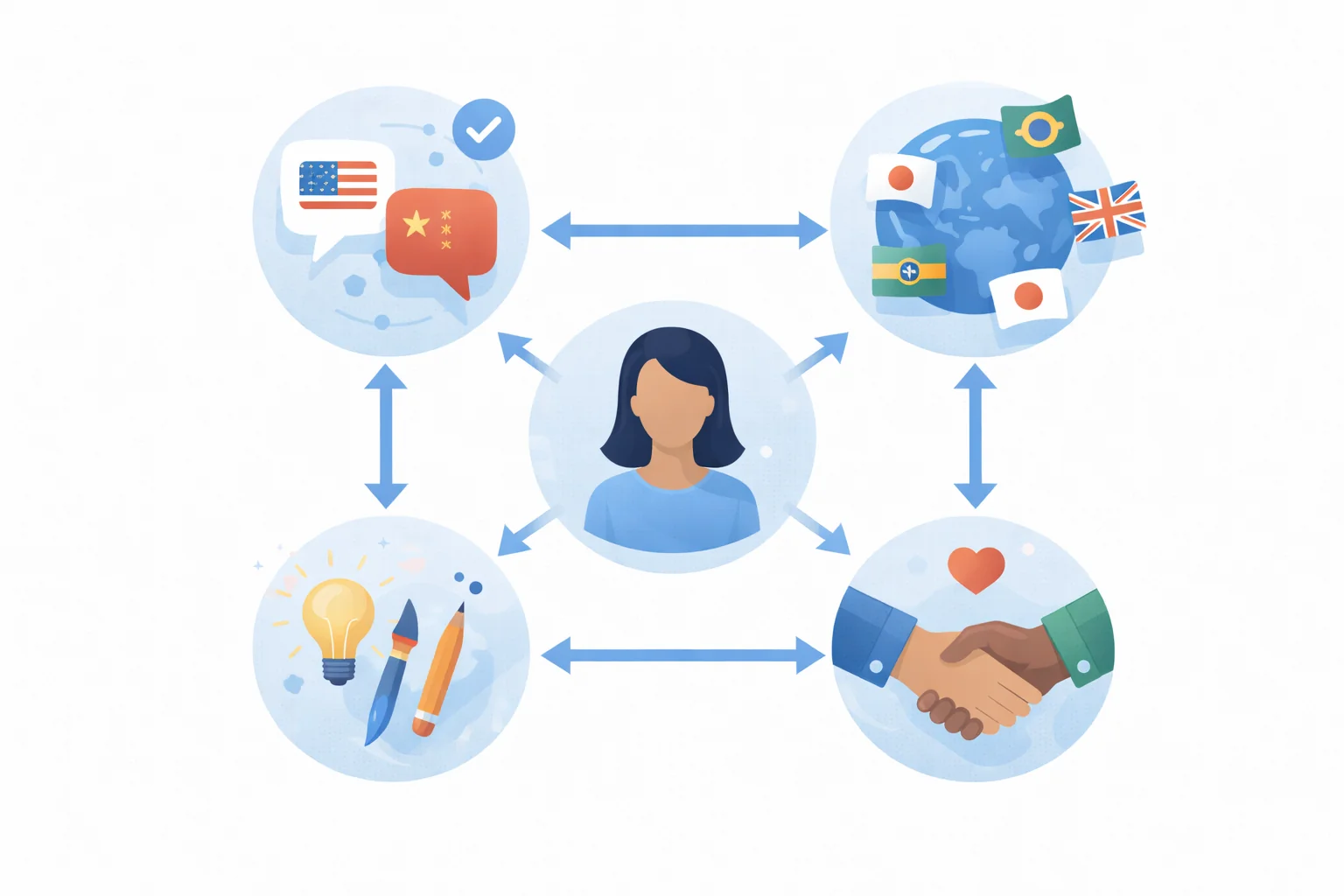
Introduction to Cultural Sensitivity in Creative Project Management
In today’s interconnected world, project managers in the creative industries are increasingly tasked with leading diverse teams that span across various cultures and geographical boundaries. This necessitates a deep understanding of cultural sensitivity, which can be defined as the awareness and appreciation of cultural differences and the ability to navigate these differences effectively in a professional setting. Cultural sensitivity is crucial in global projects as it fosters mutual respect, enhances communication, and ultimately leads to more successful outcomes.
Importance of Cultural Sensitivity in Global Projects
Cultural sensitivity plays a pivotal role in the success of international creative projects. It allows project managers to:
- Build Trust and Respect: Understanding cultural nuances helps in establishing trust among team members, which is essential for collaboration and creativity. When team members feel respected and understood, they are more likely to contribute openly and share innovative ideas.
- Enhance Communication: Different cultures have varying communication styles, and being culturally sensitive enables project managers to adapt their communication methods accordingly. This reduces misunderstandings and ensures that all team members are on the same page.
- Foster Inclusivity: A culturally sensitive approach promotes inclusivity, allowing for a richer exchange of ideas and perspectives. This diversity can lead to more creative solutions and a broader range of artistic expressions.
Unique Challenges Faced by Project Managers in International Creative Teams
Managing international creative teams comes with its own set of challenges, including:
- Diverse Work Styles: Team members from different cultures may have distinct approaches to work, deadlines, and feedback. Project managers must navigate these differences to create a cohesive workflow.
- Language Barriers: Language differences can lead to miscommunication and hinder collaboration. Project managers need to find effective ways to bridge these gaps, whether through translation services or by encouraging a common language.
- Cultural Misunderstandings: Without cultural awareness, project managers risk making assumptions that can lead to conflicts or alienation among team members. Understanding cultural contexts is essential to avoid these pitfalls.
Toolkit for Enhancing Cultural Awareness
To effectively manage diverse creative teams, project managers can utilize a toolkit designed to enhance cultural awareness. This toolkit may include:
- Cultural Training Workshops: Providing team members with training on cultural sensitivity can equip them with the skills needed to work effectively in a diverse environment.
- Communication Guidelines: Establishing clear communication protocols that take into account cultural differences can help mitigate misunderstandings.
- Feedback Mechanisms: Implementing regular feedback sessions allows team members to express their concerns and share their experiences, fostering an environment of continuous learning and adaptation.
- Cultural Celebrations: Encouraging team members to share their cultural backgrounds through celebrations or presentations can promote understanding and appreciation among the team.
Cultural sensitivity is not just a nice-to-have but a necessity for project managers in the creative industries. By embracing cultural awareness, project managers can lead their teams to greater creativity, collaboration, and success in an increasingly globalized market.
Understanding Cultural Differences
In project management within the creative industries, cultural sensitivity is paramount. Recognizing and understanding diverse cultural backgrounds can significantly enhance collaboration and innovation among international teams. Here, we delve into Hofstede’s cultural dimensions theory, the impact of cultural differences on various aspects of project management, and real-world examples of cultural misunderstandings.
Hofstede’s Cultural Dimensions Theory
Hofstede’s cultural dimensions theory provides a framework for understanding how cultural values influence behavior in the workplace. The theory identifies six dimensions that can be particularly useful for project managers:
- Power Distance: This dimension reflects how power is distributed and accepted within a culture. In high power distance cultures, hierarchical structures are respected, while low power distance cultures favor egalitarianism. Understanding this can help project managers navigate authority and decision-making processes effectively.
- Individualism vs. Collectivism: Cultures that lean towards individualism prioritize personal achievements and autonomy, whereas collectivist cultures emphasize group harmony and consensus. This distinction can affect team dynamics and the approach to collaboration.
- Masculinity vs. Femininity: This dimension relates to the value placed on traditionally masculine traits (e.g., competitiveness) versus feminine traits (e.g., cooperation). Recognizing these traits can guide project managers in fostering an inclusive environment that respects diverse working styles.
- Uncertainty Avoidance: Cultures with high uncertainty avoidance prefer structured environments and clear rules, while those with low uncertainty avoidance are more comfortable with ambiguity. This can influence how teams approach risk and innovation.
- Long-Term vs. Short-Term Orientation: This dimension reflects a culture’s focus on future rewards versus immediate results. Understanding this can help project managers align project goals with team expectations.
- Indulgence vs. Restraint: Cultures that score high on indulgence allow for the free expression of emotions and desires, while restrained cultures suppress gratification. This can impact team morale and motivation.
By applying Hofstede’s dimensions, project managers can tailor their strategies to accommodate the cultural nuances of their teams, fostering a more cohesive and productive work environment.
Impact of Cultural Differences
Cultural differences can significantly influence various aspects of project management, including:
- Communication Styles: Different cultures have distinct communication preferences. For instance, some cultures may favor direct communication, while others may rely on indirect cues. Misunderstandings can arise if team members are not aware of these differences, leading to conflicts or misinterpretations.
- Decision-Making Processes: Cultural backgrounds can shape how decisions are made within a team. In some cultures, decisions may be made collectively, while in others, they may be made by a single leader. Understanding these dynamics is crucial for effective collaboration.
- Creative Expression: Cultural influences can affect how creativity is expressed and valued. For example, some cultures may prioritize innovation and risk-taking, while others may focus on tradition and stability. Recognizing these differences can help project managers harness the full potential of their diverse teams.
Examples of Cultural Misunderstandings
Cultural misunderstandings can have significant repercussions in creative projects. Here are a few illustrative examples:
- Advertising Campaigns: A global advertising agency launched a campaign that was well-received in Western markets but faced backlash in Asian markets due to cultural insensitivity. The campaign’s imagery, which was considered humorous in one culture, was perceived as offensive in another, highlighting the need for cultural awareness in marketing strategies.
- Film Production: During the production of an international film, a director’s directorial style clashed with the local crew’s expectations for a more collaborative approach. This led to frustration and decreased morale among team members, ultimately affecting the project’s timeline and quality.
- Design Projects: A design team working on a product for a global market failed to consider cultural preferences in color and symbolism. The final product, which used colors that were culturally significant in one region, was met with confusion and disapproval in another, demonstrating the importance of cultural research in design.
Understanding cultural differences is essential for project managers in the creative industries. By leveraging Hofstede’s cultural dimensions theory, recognizing the impact of cultural variations on communication and decision-making, and learning from past misunderstandings, project managers can foster a more inclusive and effective environment for their diverse teams. This cultural awareness not only enhances collaboration but also drives innovation and success in global creative projects.
Building a Culturally Diverse Team
In project management within the creative industries, assembling a culturally diverse team is not just a beneficial strategy; it is essential for fostering creativity and innovation. Here are key points to consider when building and managing such a team:
Strategies for Recruiting Talent from Various Cultural Backgrounds
- Redefine Your Recruiting Strategy: To attract a diverse pool of candidates, project managers should customize their recruiting strategies. This includes broadening the search to include various platforms and networks that cater to underrepresented groups, ensuring that job postings are inclusive and appealing to a wide audience [6].
- Embrace Diversity Training Programs: Implementing diversity training can help in understanding the nuances of different cultures, which can be beneficial during the recruitment process. This training prepares hiring teams to recognize and mitigate biases, allowing for a more equitable selection process [5].
- Establish Mentorship Opportunities: Creating mentorship programs for underrepresented groups can not only help in recruiting but also in retaining diverse talent. These programs provide support and guidance, fostering a sense of belonging within the team [5].
The Benefits of Diversity in Fostering Creativity and Innovation
- Enhanced Creativity: Diverse teams bring a variety of perspectives and ideas, which can lead to more innovative solutions. When team members from different cultural backgrounds collaborate, they can challenge each other’s assumptions and inspire creative thinking [3].
- Cultural Sensitivity: Project managers who are culturally aware can better navigate the complexities of global projects. This sensitivity helps in avoiding misunderstandings and promotes a collaborative environment where all voices are heard and valued [3][4].
- Motivation and Respect: A culturally diverse team can enhance motivation among team members. When individuals feel respected and included, they are more likely to contribute their unique insights, leading to a richer creative process [3].
Best Practices for Creating an Inclusive Team Environment
- Foster Open Communication: Establishing a culture of open dialogue is crucial. Encourage team members to express their thoughts and ideas freely, ensuring that everyone feels comfortable sharing their perspectives. This can be achieved through regular check-ins and feedback sessions [2][4].
- Promote Mutual Respect: Cultivating an environment of mutual respect is essential for collaboration. Project managers should model respectful behavior and set clear expectations for team interactions, emphasizing the importance of valuing diverse opinions [8].
- Cultural Awareness Training: Providing training on cultural awareness can help team members understand and appreciate each other’s backgrounds. This training can cover topics such as communication styles, cultural norms, and conflict resolution strategies, which are vital for effective teamwork in a diverse setting [8].
By implementing these strategies and best practices, project managers in the creative industries can successfully build and manage culturally diverse teams, ultimately leading to more innovative and successful project outcomes.
Effective Communication Across Cultures
In project management within the creative industries, effective communication is paramount, especially when managing diverse teams across different cultural backgrounds. Cultural sensitivity not only enhances collaboration but also fosters an environment where creativity can thrive. Here are some key points to consider:
Explore Different Communication Styles and Their Cultural Implications
- Varied Communication Approaches: Different cultures have distinct communication styles, which can significantly impact team dynamics. For instance, some cultures may favor direct communication, valuing clarity and straightforwardness, while others may prefer a more indirect approach, where context and nuance play a crucial role. Understanding these differences is essential for project managers to navigate potential misunderstandings and foster a collaborative atmosphere [11][12].
- Non-Verbal Communication: Beyond verbal exchanges, non-verbal cues such as body language, eye contact, and gestures can vary widely across cultures. For example, maintaining eye contact may be seen as a sign of confidence in some cultures, while in others, it may be perceived as disrespectful. Project managers should be aware of these nuances to avoid misinterpretations and build trust within their teams [11][14].
Tips for Ensuring Clarity and Understanding in Communication
- Active Listening: Encouraging team members to voice their ideas and concerns is vital. Active listening demonstrates respect for diverse perspectives and helps ensure that all voices are heard. This practice not only enhances understanding but also promotes a sense of belonging among team members [12][13].
- Clear and Concise Messaging: When communicating across cultures, clarity is key. Project managers should strive to use simple language and avoid idiomatic expressions that may not translate well. Providing context and examples can also aid in ensuring that messages are understood as intended [12][13].
- Feedback Mechanisms: Implementing regular feedback loops can help identify communication barriers early on. Encouraging team members to share their thoughts on communication effectiveness can lead to improvements and foster a culture of openness [12][13].
Utilizing Technology to Bridge Communication Gaps in Remote Teams
- Collaboration Tools: Leveraging technology can significantly enhance communication in remote teams. Tools such as video conferencing, instant messaging, and project management software can facilitate real-time collaboration and help bridge geographical divides. These platforms often come with features that support diverse communication styles, such as screen sharing and visual aids, which can enhance understanding [11][15].
- Cultural Awareness Training: Incorporating cultural awareness training into the onboarding process for remote teams can equip members with the knowledge to navigate cultural differences effectively. This training can cover communication styles, etiquette, and conflict resolution strategies, ultimately leading to more cohesive team interactions [11][14].
Effective communication across cultures is a cornerstone of successful project management in the creative industries. By understanding diverse communication styles, ensuring clarity, and utilizing technology, project managers can create an inclusive environment that not only respects cultural differences but also harnesses them to drive creativity and innovation.
Adapting Project Management Methodologies
Cultural sensitivity is paramount for project managers who oversee diverse teams. Adapting traditional project management methodologies to accommodate cultural diversity not only enhances team collaboration but also drives project success. Here are some key points to consider:
- Necessity of Flexibility: Project managers must embrace flexibility in their approaches to effectively navigate the complexities of cultural differences. This involves being open to modifying established methodologies to better suit the cultural contexts of team members. For instance, understanding that different cultures may have varying expectations regarding communication styles, decision-making processes, and timelines is crucial. This adaptability fosters an inclusive environment where all team members feel valued and understood [1][7].
- Examples of Methodologies in Culturally Diverse Settings:
- Agile Methodology: Agile is particularly effective in creative industries due to its iterative nature and emphasis on collaboration. In a culturally diverse setting, Agile can be adapted by incorporating regular feedback loops that respect cultural norms and communication preferences. For example, daily stand-ups can be adjusted to accommodate local holidays or working hours, ensuring that all team members can participate fully [2][5].
- Waterfall Methodology: While more linear, the Waterfall approach can also be adapted for cultural sensitivity. Project managers can integrate cultural assessments at each phase of the project to ensure that the needs and expectations of diverse stakeholders are met. This might involve customizing project timelines to align with regional practices or incorporating culturally relevant milestones [3][4].
- Hybrid Approaches: Combining elements from various methodologies can also be beneficial. For instance, a hybrid model that utilizes Agile’s flexibility while maintaining Waterfall’s structured phases can help manage projects in a way that respects cultural differences while still adhering to project goals [6].
- Incorporating Cultural Considerations into Project Planning and Execution: Effective project planning requires a deep understanding of the cultural dynamics at play. This includes:
- Conducting cultural awareness assessments to identify potential challenges and opportunities within the team [4].
- Customizing communication strategies to ensure clarity and respect for cultural nuances. This might involve using culturally appropriate language and communication tools that resonate with team members [8].
- Building cultural liaisons within the team who can bridge gaps and facilitate understanding among members from different backgrounds [4][6].
By integrating these cultural considerations into project management methodologies, project managers can create a more harmonious and productive environment for their diverse creative teams. This not only enhances collaboration but also leads to more innovative outcomes, as diverse perspectives are valued and leveraged throughout the project lifecycle.
Conflict Resolution in a Cultural Context
Cultural sensitivity is paramount, especially when managing diverse teams. Conflicts can arise from misunderstandings rooted in cultural differences, making it essential for project managers to be equipped with effective strategies for resolution. Here are some key points to consider:
Common Sources of Conflict in Culturally Diverse Teams
- Communication Styles: Different cultures have varying norms regarding communication, which can lead to misunderstandings. For instance, some cultures may value directness, while others may prefer a more indirect approach, leading to potential conflicts over feedback and discussions.
- Decision-Making Processes: Cultural backgrounds influence how decisions are made. In some cultures, collective decision-making is preferred, while others may lean towards individual authority. This divergence can create friction when team members have differing expectations about how decisions should be reached [4].
- Work Ethic and Attitudes: Variations in work ethic and attitudes towards deadlines can also be a source of conflict. Some cultures may prioritize punctuality and strict adherence to timelines, while others may adopt a more flexible approach, leading to frustration among team members [6].
Approaches to Conflict Resolution that Respect Cultural Differences
- Cultural Sensitivity Training: Investing in cultural sensitivity training can help team members recognize and understand cultural differences, fostering an environment of respect and collaboration. This training equips individuals with the tools to navigate potential conflicts more effectively [3].
- Open Dialogue and Active Listening: Encouraging open dialogue and active listening is crucial. Project managers should create a safe space for team members to express their concerns and perspectives. This approach not only helps in understanding the root causes of conflicts but also promotes empathy among team members [5].
- Adaptability and Flexibility: Being adaptable and flexible in conflict resolution strategies is essential. Project managers should be willing to adjust their approaches based on the cultural context of the team members involved. This may involve modifying communication styles or decision-making processes to align with the team’s cultural dynamics [4][6].
The Importance of Mediation and Seeking Common Ground
- Mediation: When conflicts escalate, mediation can be an effective tool. A neutral third party can facilitate discussions, helping team members articulate their viewpoints and work towards a resolution that respects cultural differences. This process can lead to a deeper understanding and stronger relationships within the team [1].
- Finding Common Ground: Project managers should focus on identifying shared goals and values among team members. By emphasizing common objectives, it becomes easier to navigate conflicts and foster collaboration. This approach not only resolves immediate issues but also strengthens team cohesion in the long run [2][5].
Managing conflicts in culturally diverse creative teams requires a nuanced understanding of cultural differences and a commitment to respectful communication. By implementing these strategies, project managers can create a harmonious work environment that leverages the strengths of a diverse team, ultimately leading to more innovative and successful creative projects.
Evaluating Success in Global Creative Projects
Cultural sensitivity plays a pivotal role in the success of global projects. As project managers navigate diverse teams, understanding and measuring the impact of cultural awareness on project outcomes becomes essential. Here are key points to consider when evaluating success in projects involving diverse creative teams:
Metrics for Assessing Effectiveness of Cultural Sensitivity
- Project Outcome Metrics:
- Evaluate the quality of deliverables against predefined standards. Successful projects often reflect a blend of diverse cultural inputs that enhance creativity and innovation. Metrics such as client satisfaction scores and project completion rates can provide insights into how cultural sensitivity influences outcomes [1].
- Team Performance Indicators:
- Assess team dynamics through performance metrics such as collaboration effectiveness, creativity in problem-solving, and the ability to meet deadlines. High-performing teams often exhibit strong cultural integration, which can be measured through peer reviews and self-assessments [2].
- Cultural Competence Assessments:
- Implement assessments to gauge the cultural competence of team members. This can include surveys that measure understanding and appreciation of different cultural perspectives, which directly correlate with project success [4].
Feedback Mechanisms to Understand Team Dynamics
- Regular Check-ins and Surveys:
- Establish a routine of feedback through surveys and one-on-one check-ins. This allows team members to express their experiences and challenges related to cultural integration. Understanding these dynamics can help project managers make necessary adjustments to enhance collaboration [3].
- Focus Groups:
- Conduct focus groups that bring together team members from various cultural backgrounds to discuss their experiences. This qualitative feedback can provide deeper insights into how cultural differences are navigated and integrated within the team [5].
- Post-Project Reviews:
- After project completion, hold debrief sessions to reflect on what worked well and what could be improved regarding cultural sensitivity. This retrospective analysis can inform future projects and help refine strategies for managing diverse teams [9].
Case Studies Showcasing Successful Culturally Sensitive Creative Projects
- Global Advertising Campaigns:
- Analyze case studies of successful global advertising campaigns that effectively integrated cultural elements. For instance, campaigns that tailored messages to resonate with local cultures often see higher engagement and conversion rates, demonstrating the value of cultural sensitivity in creative projects [6].
- Film and Media Productions:
- Explore examples from the film industry where culturally diverse teams collaborated to produce award-winning films. These projects often highlight the importance of cultural narratives and perspectives, showcasing how cultural sensitivity can lead to richer storytelling and broader audience appeal [7].
- Design and Innovation Projects:
- Review case studies in design where teams from different cultural backgrounds contributed unique insights that enhanced product innovation. Projects that embraced cultural diversity often resulted in more creative solutions and successful market entries [8].
Measuring success in global creative projects requires a multifaceted approach that emphasizes cultural sensitivity. By utilizing effective metrics, establishing robust feedback mechanisms, and learning from successful case studies, project managers can foster an environment where diverse creative teams thrive, ultimately leading to more innovative and successful project outcomes.
Conclusion: The Future of Cultural Sensitivity in Project Management
As creative industries continues to evolve, the significance of cultural sensitivity in project management cannot be overstated. The ability to navigate and appreciate diverse cultural perspectives is essential for enhancing team performance and fostering an inclusive environment. Here are the key takeaways regarding the future of cultural sensitivity in project management:
- Enhancing Team Performance through Cultural Awareness: Cultural awareness is not merely a nicety; it is a necessity for project managers working with diverse teams. Understanding the cultural backgrounds of team members can lead to improved communication, collaboration, and creativity. By recognizing and valuing different perspectives, project managers can harness the full potential of their teams, leading to innovative solutions and successful project outcomes.
- Continuous Learning and Adaptation: The dynamic nature of global creative projects demands that project managers commit to ongoing learning and adaptation. This includes staying informed about cultural trends, practices, and sensitivities that may impact team dynamics and project execution. Embracing a mindset of continuous improvement will enable project managers to respond effectively to the challenges posed by cultural diversity, ensuring that their teams remain cohesive and productive.
- Developing a Cultural Sensitivity Toolkit: Project managers are encouraged to actively develop their cultural sensitivity toolkit. This toolkit should include resources such as training programs, cultural competency workshops, and networking opportunities with professionals from various cultural backgrounds. By equipping themselves with the necessary skills and knowledge, project managers can lead their teams more effectively and create an environment where all voices are heard and valued.
As the creative industries become increasingly globalized, the role of cultural sensitivity in project management will only grow in importance. By prioritizing cultural awareness, committing to continuous learning, and developing a robust toolkit, project managers can navigate the complexities of diverse teams and drive successful outcomes in their projects. The future of project management in the creative industries hinges on the ability to embrace and celebrate cultural diversity, ultimately leading to richer, more innovative creative endeavors.
Find out more about Shaun Stoltz https://www.shaunstoltz.com/about/.
This post was written by an AI and reviewed/edited by a human.