Introduction to Cost Tracking in Project Management
Effective cost tracking is a critical component that can significantly influence the success of a project. Understanding how to monitor and manage costs not only helps in maintaining budgetary constraints but also plays a vital role in decision-making processes throughout the project lifecycle.
Definition of Cost Tracking
Cost tracking refers to the systematic process of monitoring and recording all expenses associated with a project. This includes direct costs, such as materials and labor, as well as indirect costs, like overhead and administrative expenses. By keeping a close eye on these expenditures, project managers can ensure that the project remains within its budget and can make informed adjustments as necessary. Effective cost tracking allows for:
- Real-time financial oversight: Project managers can identify variances between planned and actual spending, enabling timely corrective actions.
- Resource allocation: Understanding where funds are being spent helps in reallocating resources efficiently to areas that may require additional support.
- Forecasting: Historical cost data can aid in predicting future expenses, which is essential for planning subsequent phases of the project.
The Significance of Cost-Benefit Analysis for Project Success
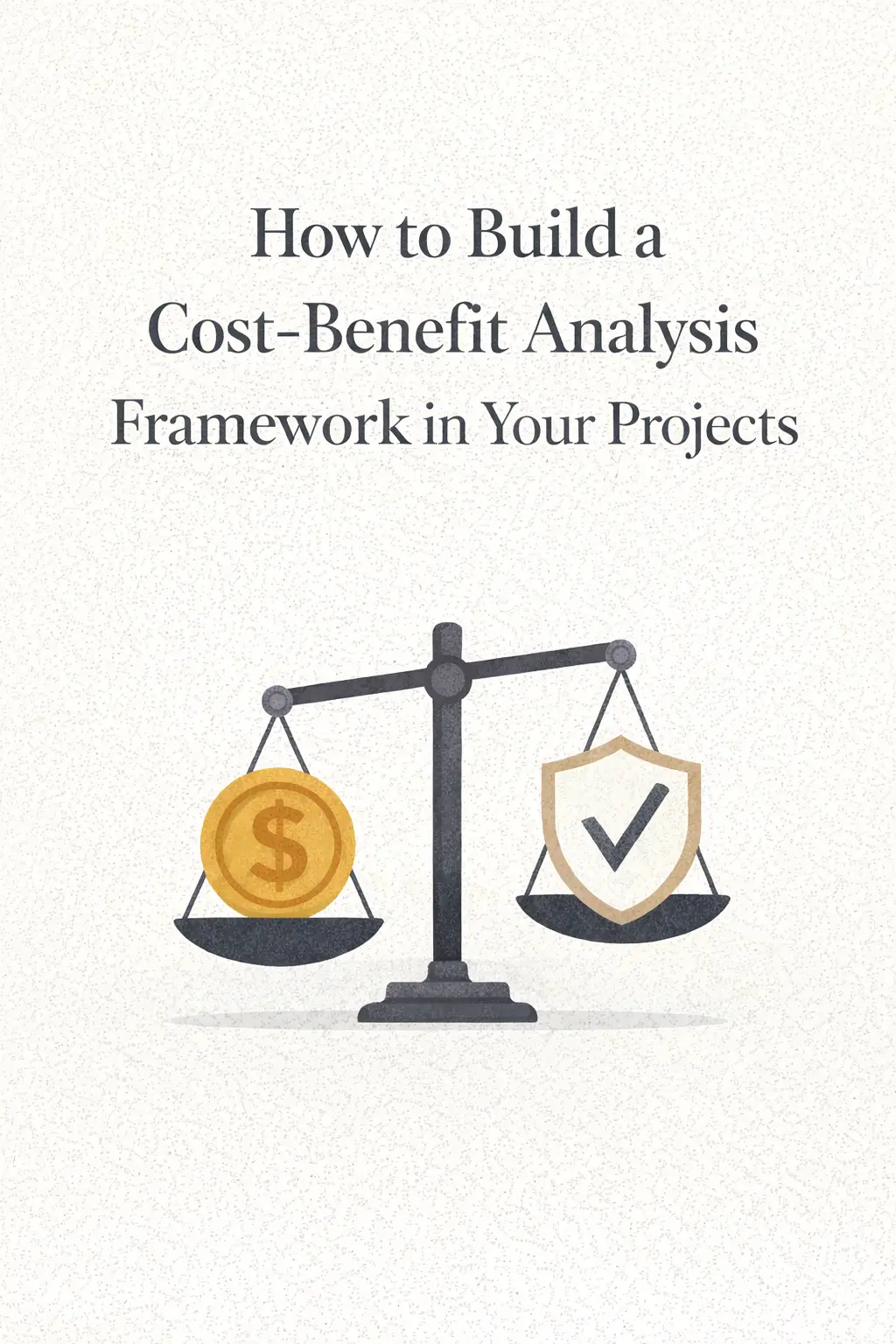
Cost-benefit analysis (CBA) is a fundamental tool that complements cost tracking by evaluating the financial implications of project decisions. It involves comparing the expected costs of a project against the anticipated benefits, providing a clear picture of the project’s viability. The significance of CBA in project management includes:
- Informed decision-making: By quantifying the benefits against the costs, project managers can make more informed choices about whether to proceed with a project or adjust its scope.
- Prioritization of projects: CBA helps in assessing multiple projects, allowing organizations to prioritize initiatives that offer the greatest return on investment.
- Stakeholder communication: A well-structured CBA can effectively communicate the value of a project to stakeholders, fostering support and buy-in.
Overview of the Blog Structure
In this blog, we will provide a comprehensive step-by-step guide to building a cost-benefit analysis framework that enhances cost tracking in your projects. Readers can expect the following sections:
- Understanding the Basics of Cost Tracking: A deeper dive into the principles and tools used for effective cost tracking.
- Developing a Cost-Benefit Analysis Framework: Step-by-step instructions on how to create a robust CBA framework tailored to your project needs.
- Implementing the Framework: Practical tips on integrating the CBA framework into your existing project management processes.
- Case Studies and Examples: Real-world applications of cost tracking and CBA to illustrate best practices and lessons learned.
- Conclusion and Next Steps: Summarizing key takeaways and encouraging readers to apply the concepts discussed.
By the end of this blog, project managers and business analysts will have a clear understanding of how to effectively track costs and leverage cost-benefit analysis to enhance project outcomes.
Understanding Cost-Benefit Analysis
Cost-Benefit Analysis (CBA) is a systematic approach used in project management to evaluate the financial implications of a project by comparing its costs and benefits. This analysis helps project managers and business analysts make informed decisions about resource allocation and project viability. Here’s a closer look at the key components and their relationship to cost tracking.
Definition of Cost-Benefit Analysis (CBA)
Cost-Benefit Analysis is a quantitative method that assesses the economic feasibility of a project by identifying and comparing the expected costs and benefits. The primary goal of CBA is to determine whether the benefits of a project outweigh its costs, thereby justifying the investment. This analysis is crucial for decision-making, as it provides a clear framework for evaluating the potential return on investment (ROI) and helps prioritize projects based on their financial merits.
Components of CBA: Costs, Benefits, and Their Evaluation
Costs:
- Direct Costs: These are expenses that can be directly attributed to the project, such as labor, materials, and equipment.
- Indirect Costs: These include overhead costs that are not directly tied to a specific project but are necessary for its execution, such as administrative expenses.
- Opportunity Costs: This refers to the potential benefits lost when choosing one project over another.
Benefits:
- Tangible Benefits: These are measurable advantages, such as increased revenue, cost savings, or improved efficiency.
- Intangible Benefits: These include non-quantifiable advantages, such as enhanced customer satisfaction or improved brand reputation.
Evaluation:
- The evaluation process involves calculating the net present value (NPV) of the costs and benefits over time, considering factors like discount rates and project lifespan. This helps in determining the overall value of the project and aids in making comparisons between different projects.
The Relationship Between Cost Tracking and CBA
Cost tracking plays a vital role in the effectiveness of a Cost-Benefit Analysis. Here’s how they are interconnected:
- Accurate Data Collection: Effective cost tracking ensures that all project expenses are accurately recorded and categorized. This data is essential for conducting a reliable CBA, as it provides the foundation for understanding the total costs involved in a project.
- Real-Time Monitoring: Continuous cost tracking allows project managers to monitor expenditures in real-time, enabling them to adjust project plans and budgets as necessary. This adaptability is crucial for maintaining the accuracy of the CBA throughout the project lifecycle.
- Informed Decision-Making: By integrating cost tracking with CBA, project managers can make more informed decisions based on up-to-date financial data. This integration helps in identifying potential cost overruns early and allows for timely interventions to mitigate financial risks.
- Performance Measurement: Cost tracking provides insights into the actual performance of a project against the projected benefits outlined in the CBA. This comparison helps in assessing whether the project is on track to deliver the expected ROI and informs future project planning.
Step 1: Define Project Objectives and Scope
Establishing clear project objectives and scope is crucial for effective cost tracking. This foundational step not only sets the direction for the project but also ensures that all financial resources are aligned with the intended outcomes. Here’s how to approach this step systematically:
Identifying Key Project Goals and Deliverables
- Articulate Specific Goals: Begin by defining what the project aims to achieve. This could include increasing revenue, improving customer satisfaction, or launching a new product. Specificity helps in measuring success and tracking costs effectively.
- List Deliverables: Identify the tangible outputs of the project. These could be reports, software applications, or physical products. Clearly defined deliverables allow for better estimation of costs associated with each component of the project.
Determining the Project Scope and Constraints
- Define the Scope: Clearly outline what is included in the project and what is not. This includes specifying tasks, resources, and timelines. A well-defined scope helps prevent scope creep, which can lead to unexpected costs.
- Identify Constraints: Recognize any limitations that may impact the project, such as budgetary restrictions, resource availability, or regulatory requirements. Understanding these constraints is essential for realistic cost tracking and management.
Aligning Project Objectives with Organizational Strategy
- Ensure Strategic Alignment: Review how the project objectives align with the broader goals of the organization. This alignment ensures that resources are allocated effectively and that the project contributes to the overall mission of the organization.
- Engage Stakeholders: Involve key stakeholders in the objective-setting process. Their insights can provide valuable perspectives on organizational priorities and help refine project goals, ensuring that cost tracking is relevant and focused on strategic outcomes.
By meticulously defining project objectives and scope, project managers can create a robust framework for cost tracking. This clarity not only aids in monitoring expenses but also enhances decision-making throughout the project lifecycle, ultimately leading to more successful project outcomes.
Step 2: Identify and Classify Costs
Effective cost tracking is crucial for ensuring that projects remain within budget and deliver expected returns. The second step in building a robust cost-benefit analysis framework involves identifying and classifying costs associated with your project. This process not only aids in tracking expenses but also enhances overall financial analysis and decision-making. Here’s how to approach this step systematically:
Types of Costs
Understanding the different types of costs is fundamental to effective cost tracking. Here are the primary categories:
- Fixed Costs: These are expenses that do not change with the level of output or activity. Examples include salaries, rent, and insurance. Fixed costs remain constant regardless of project progress.
- Variable Costs: Unlike fixed costs, variable costs fluctuate with project activity levels. For instance, materials and labor costs may increase as project scope expands.
- Direct Costs: These costs can be directly attributed to a specific project or activity. Examples include raw materials, labor directly involved in production, and equipment used exclusively for the project.
- Indirect Costs: These are expenses that are not directly tied to a single project but are necessary for overall operations. Examples include administrative salaries, utilities, and office supplies.
- Sunk Costs: Costs that have already been incurred and cannot be recovered. Understanding sunk costs is essential to avoid the “sunk cost fallacy,” where past investments unduly influence future decisions.
Creating a Comprehensive Cost Breakdown Structure
A Cost Breakdown Structure (CBS) is a hierarchical representation of all costs associated with a project. It serves as a framework for organizing and categorizing costs, making it easier to track and analyze them. Here’s how to create an effective CBS:
- Define Major Cost Categories: Start by identifying the major categories of costs relevant to your project, such as labor, materials, overhead, and contingency.
- Subdivide Categories: Break down each major category into subcategories. For example, under labor, you might include salaries, benefits, and overtime.
- Assign Cost Codes: Use a coding system to label each cost item. This facilitates easier tracking and reporting.
- Document Assumptions: Clearly document any assumptions made during the cost categorization process. This transparency helps in future analysis and adjustments.
- Review and Revise: Regularly review the CBS to ensure it remains aligned with project changes and updates.
Tools and Techniques for Cost Identification
To effectively identify and classify costs, project managers can leverage various tools and techniques:
- Cost Estimation Software: Tools like Microsoft Project, Primavera, or specialized cost management software can help automate cost tracking and provide real-time insights.
- Work Breakdown Structure (WBS): Integrating cost identification with a WBS allows for a more detailed view of costs associated with each project component.
- Expert Judgment: Consulting with team members or stakeholders who have experience with similar projects can provide valuable insights into potential costs.
- Historical Data Analysis: Reviewing costs from past projects can help in estimating and classifying current project costs more accurately.
- Cost Management Plans: Developing a comprehensive cost management plan that outlines how costs will be tracked, reported, and controlled is essential for maintaining budgetary discipline.
By systematically identifying and classifying costs, project managers can enhance their ability to track expenses effectively, leading to better financial oversight and project success. This foundational step sets the stage for more detailed analysis and informed decision-making as the project progresses.
Step 3: Estimate Benefits
Estimating the benefits of a project is a crucial step in building a robust cost-benefit analysis framework. This process not only helps in justifying the investment but also enhances overall cost tracking throughout the project lifecycle. Here’s a detailed guide on how to effectively estimate benefits, focusing on both financial and non-financial aspects.
Methods for Quantifying Benefits
Financial Benefits:
- Revenue Increases: Calculate potential increases in revenue generated from the project. This could include new sales, market expansion, or enhanced pricing strategies.
- Cost Savings: Identify areas where the project will lead to reduced operational costs. This can include efficiencies gained through automation or process improvements.
- Return on Investment (ROI): Use ROI calculations to express the financial benefits in relation to the costs incurred. This metric helps in comparing the profitability of different projects.
Non-Financial Benefits:
- Improved Customer Satisfaction: Measure potential enhancements in customer experience, which can lead to increased loyalty and repeat business. Surveys and feedback mechanisms can provide valuable insights.
- Brand Reputation: Consider the long-term benefits of improved brand perception and market positioning as a result of the project.
- Employee Engagement: Evaluate how the project may enhance employee morale and productivity, which can indirectly contribute to financial performance.
Using Historical Data and Market Research for Estimation
- Leverage Past Projects: Analyze data from similar past projects to identify patterns in benefits realization. Historical performance can provide a benchmark for estimating potential benefits in the current project.
- Market Trends: Conduct market research to understand industry trends and customer needs. This information can help in projecting future benefits more accurately, ensuring that the project aligns with market demands.
- Scenario Analysis: Utilize scenario planning to estimate benefits under different conditions. This approach allows project managers to prepare for various outcomes and adjust their strategies accordingly.
Importance of Stakeholder Input in Benefit Estimation
- Engage Stakeholders Early: Involve key stakeholders in the benefit estimation process from the outset. Their insights can provide a more comprehensive view of potential benefits and help in identifying aspects that may not be immediately apparent.
- Diverse Perspectives: Different stakeholders may have varying priorities and expectations. Gathering input from a diverse group can lead to a more balanced and realistic estimation of benefits.
- Validation of Assumptions: Stakeholders can help validate the assumptions made during the estimation process, ensuring that the benefits projected are achievable and aligned with organizational goals.
By following these steps, project managers and business analysts can create a well-rounded framework for estimating benefits, which is essential for effective cost tracking and overall project success. This structured approach not only aids in making informed decisions but also enhances the credibility of the project in the eyes of stakeholders.
Step 4: Develop the Cost-Benefit Analysis Framework
Creating a robust Cost-Benefit Analysis (CBA) framework is essential for effective cost tracking in project management. This structured approach not only helps in documenting costs and benefits but also enhances decision-making throughout the project lifecycle. Here’s a step-by-step guide to developing your CBA framework:
1. Creating Templates for Documenting Costs and Benefits
- Standardized Templates: Develop standardized templates that can be used across different projects. These templates should include sections for direct costs (e.g., labor, materials), indirect costs (e.g., overhead), and anticipated benefits (e.g., revenue increases, cost savings).
- Categorization: Organize costs and benefits into categories such as fixed, variable, and one-time costs. This categorization will help in better tracking and analysis.
- Documentation Practices: Ensure that all team members are trained on how to fill out these templates accurately. Consistent documentation practices will facilitate easier comparisons and analyses later on.
2. Utilizing Software Tools for Analysis
- Excel for Cost-Benefit Analysis: Excel is a powerful tool for conducting CBA. Utilize its functions to create formulas that automatically calculate total costs and benefits, allowing for quick adjustments as project parameters change.
- Project Management Software: Consider using specialized project management software that includes CBA features. These tools often provide built-in templates and dashboards that can visualize costs and benefits, making it easier to track progress and make informed decisions.
- Integration with Financial Systems: Ensure that your CBA framework can integrate with existing financial systems. This integration will streamline data collection and enhance the accuracy of your cost tracking.
3. Incorporating Risk and Sensitivity Analysis
- Risk Assessment: Include a section in your CBA framework dedicated to identifying potential risks that could impact costs and benefits. This should involve both qualitative and quantitative assessments of risks.
- Sensitivity Analysis: Conduct sensitivity analyses to understand how changes in key assumptions (e.g., cost estimates, benefit projections) affect the overall CBA. This analysis will help project managers identify which variables have the most significant impact on project outcomes.
- Scenario Planning: Develop different scenarios (best-case, worst-case, and most likely) to evaluate how various factors could influence the project’s financial viability. This approach will provide a more comprehensive view of potential outcomes and aid in strategic planning.
By following these steps, project managers and business analysts can create a comprehensive Cost-Benefit Analysis framework that not only enhances cost tracking but also supports informed decision-making throughout the project lifecycle. This structured approach will ultimately lead to more successful project outcomes and better resource allocation.
Step 5: Implement Cost Tracking Mechanisms
Effective cost tracking is crucial for the success of any project, as it allows project managers and business analysts to monitor expenditures, compare them against the budget, and make informed decisions. Here’s a step-by-step guide to implementing cost tracking mechanisms that enhance your cost-benefit analysis framework.
1. Establish a Cost Tracking System and Tools
- Select Appropriate Tools: Choose software or tools that fit your project’s needs. Options include project management software like Microsoft Project, Trello, or specialized financial tracking tools such as QuickBooks or SAP. These tools should allow for easy input of costs and provide real-time tracking capabilities.
- Define Cost Categories: Break down costs into categories such as labor, materials, overhead, and contingency. This categorization helps in identifying where the budget is being spent and facilitates easier tracking and reporting.
- Create a Cost Baseline: Establish a cost baseline that reflects the approved budget for the project. This baseline serves as a reference point against which actual costs can be compared throughout the project lifecycle.
2. Regularly Update and Monitor Costs Against the Baseline
- Frequent Updates: Implement a schedule for regular updates to the cost tracking system. This could be weekly or bi-weekly, depending on the project’s size and complexity. Regular updates ensure that any deviations from the budget are identified early.
- Variance Analysis: Conduct variance analysis to compare actual costs against the baseline. This analysis helps in understanding the reasons for any discrepancies and allows for timely corrective actions. For instance, if labor costs exceed the budget, it may indicate the need for additional resources or a review of productivity.
- Adjust Forecasts: Use the data collected from cost tracking to adjust future cost forecasts. If certain areas are consistently over or under budget, it may be necessary to revise the budget or reallocate resources to ensure project success.
3. Reporting and Communicating Cost Tracking Results to Stakeholders
- Regular Reporting: Develop a reporting framework that includes regular updates on cost tracking results. This could be in the form of dashboards, reports, or presentations that summarize the current financial status of the project.
- Stakeholder Communication: Ensure that all stakeholders are informed about the cost tracking results. This includes project sponsors, team members, and any other relevant parties. Clear communication helps in managing expectations and fosters transparency.
- Actionable Insights: Provide actionable insights based on the cost tracking data. For example, if costs are projected to exceed the budget, suggest potential cost-saving measures or adjustments to the project scope. This proactive approach can help in maintaining stakeholder confidence and project viability.
By implementing these cost tracking mechanisms, project managers and business analysts can enhance their ability to monitor and control project costs effectively. This not only aids in achieving project objectives but also contributes to the overall success of the organization by ensuring that resources are utilized efficiently.
Step 6: Review and Adjust: Continuous Improvement
The ability to effectively track costs and assess benefits is crucial for ensuring project success. Step 6 of building a robust cost-benefit analysis framework emphasizes the importance of ongoing review and adjustment. This step not only helps in maintaining the accuracy of your cost tracking but also fosters a culture of continuous improvement within your project teams. Here are the key components to consider:
Setting Up Regular Review Meetings: Establishing a schedule for regular review meetings is essential for assessing cost performance. These meetings should involve key stakeholders, including project managers, financial analysts, and team members. During these sessions, you can:
- Analyze current spending against the budget.
- Identify any variances and discuss their implications.
- Review the effectiveness of cost-saving measures implemented in previous phases.
- Use these insights to make informed decisions about future expenditures and resource allocation.
Adjusting the Cost-Benefit Framework: Projects are dynamic, and changes are inevitable. It is vital to adjust your cost-benefit framework in response to project changes and lessons learned. This can include:
- Revising cost estimates based on new information or unexpected challenges.
- Updating the benefits realization plan to reflect changes in project scope or objectives.
- Incorporating feedback from team members and stakeholders to refine the framework, ensuring it remains relevant and effective.
Encouraging a Culture of Continuous Improvement: Fostering a culture that values continuous improvement in cost management is essential for long-term project success. This can be achieved by:
- Promoting open communication about cost management practices and encouraging team members to share their insights and suggestions.
- Providing training and resources that empower team members to identify cost-saving opportunities and improve efficiency.
- Celebrating successes and learning from failures, which can motivate the team to strive for better cost management practices in future projects.
By implementing these strategies, project managers and business analysts can enhance their cost tracking capabilities, leading to more informed decision-making and ultimately, more successful project outcomes. Continuous review and adjustment not only improve the accuracy of cost assessments but also contribute to a more agile and responsive project management environment.
Conclusion
Effective cost tracking is not just a best practice; it is a critical component that can determine the success or failure of a project. By implementing a robust Cost-Benefit Analysis (CBA) framework, project managers and business analysts can gain invaluable insights into the financial implications of their decisions, ensuring that resources are allocated efficiently and effectively.
Key Takeaways:
- Importance of Cost Tracking and CBA: Cost tracking allows project managers to monitor expenditures against the budget, providing a clear picture of financial health throughout the project lifecycle. A well-structured CBA framework enhances this process by systematically evaluating the costs and benefits associated with project decisions, enabling informed choices that align with organizational goals.
- Enhancing Project Management through Effective Cost Analysis: By integrating cost tracking with a CBA framework, project managers can identify potential financial risks early, optimize resource allocation, and justify project expenditures to stakeholders. This proactive approach not only improves project outcomes but also fosters a culture of accountability and transparency within the team.
In conclusion, the integration of cost tracking and a CBA framework is essential for navigating the complexities of project management. Embrace this opportunity to refine your processes and drive your projects toward success.
Find out more about Shaun Stoltz https://www.shaunstoltz.com/about/.
This post was written by an AI and reviewed/edited by a human.