Introduction
The Project Management Professional (PMP) certification stands out as a hallmark of excellence and a testament to a professional’s commitment to the discipline. Offered by the Project Management Institute (PMI), the PMP certification is recognized globally and signifies that an individual possesses the knowledge, experience, and skills necessary to lead and direct projects effectively. This certification not only enhances one’s technical abilities but also plays a crucial role in developing essential leadership skills that are vital for success in any project management role.
Leadership skills are paramount in project management, as they enable project managers to inspire teams, navigate challenges, and drive projects to successful completion. Effective leadership fosters collaboration, motivates team members, and ensures that all stakeholders are aligned with the project’s goals. As project managers often find themselves at the intersection of various teams and interests, the ability to lead with confidence and clarity becomes indispensable.
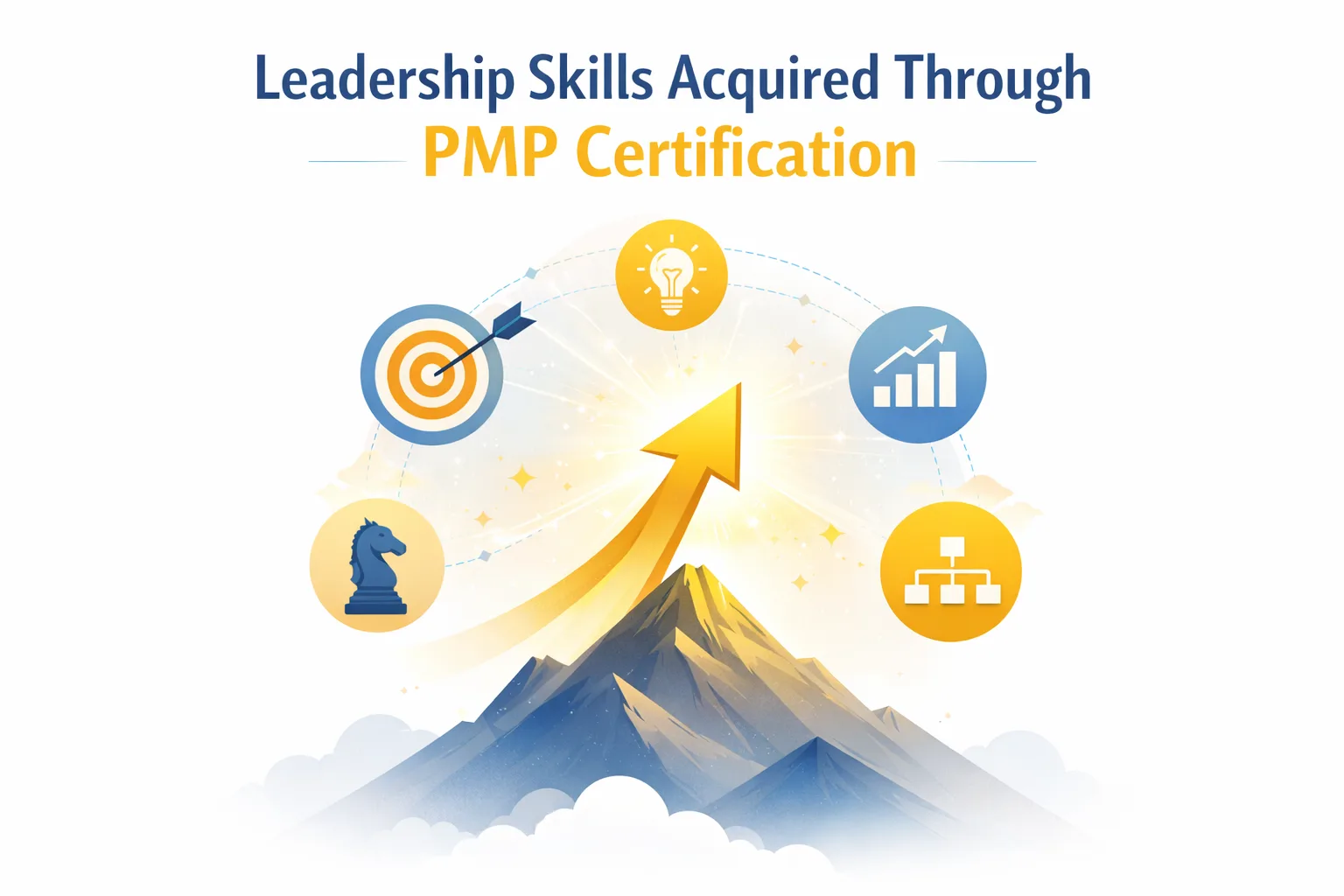
In this blog, we will delve into the specific leadership and soft skills that are cultivated through the PMP certification process. These skills include effective communication, conflict resolution, stakeholder management, and emotional intelligence, among others. By exploring these competencies, we aim to highlight how PMP certification not only equips professionals with project management techniques but also transforms them into influential leaders capable of steering their teams toward success.
Understanding PMP Certification
PMP (Project Management Professional) certification is a globally recognized credential offered by the Project Management Institute (PMI). It signifies that an individual possesses the knowledge, skills, and experience necessary to lead and direct projects effectively. Here’s a closer look at what PMP certification entails, its objectives, the certification process, and the role of PMI.
Definition and Objectives of PMP Certification
Definition: PMP certification is designed for project managers who want to demonstrate their expertise in project management principles and practices. It validates a professional’s ability to manage projects and lead teams effectively, ensuring that projects are completed on time and within budget.
Objectives: The primary objectives of obtaining PMP certification include:
- Enhancing project management skills and knowledge.
- Validating professional experience and competence in managing projects.
- Increasing career opportunities and earning potential.
- Establishing a common language and framework for project management across industries.
Overview of the Certification Process and Requirements
Eligibility Requirements: To qualify for the PMP certification, candidates must meet specific educational and professional experience criteria. Generally, this includes:
- A four-year degree (bachelor’s or equivalent) with at least 36 months of leading projects and 35 hours of project management education, or
- A high school diploma or associate degree with at least 60 months of leading projects and 35 hours of project management education.
Application Process: Candidates must complete an online application detailing their project management experience and education. Once approved, they can schedule their exam.
Exam Structure: The PMP exam consists of 180 multiple-choice questions that assess a candidate’s knowledge across various domains of project management, including initiating, planning, executing, monitoring, and closing projects.
Continuing Education: After obtaining the certification, PMP holders must earn 60 professional development units (PDUs) every three years to maintain their certification, ensuring they stay current with industry trends and practices.
Importance of the PMI (Project Management Institute) in the Certification
- Role of PMI: The Project Management Institute (PMI) is a leading global association for project management professionals. It plays a crucial role in the development and maintenance of the PMP certification, ensuring that it meets the evolving needs of the industry.
- Standards and Guidelines: PMI establishes the standards and guidelines for project management practices, which are reflected in the PMP certification exam. This ensures that certified professionals are equipped with the latest methodologies and best practices.
- Networking and Resources: PMI provides a wealth of resources, including access to a global network of project management professionals, educational materials, and opportunities for professional development. This support is invaluable for both current and aspiring project managers looking to enhance their skills and advance their careers.
Key Leadership Skills Developed Through PMP Certification
Pursuing a Project Management Professional (PMP) certification is not just about mastering project management methodologies; it also equips professionals with essential leadership and soft skills that are crucial for effective project execution and team dynamics. Here are some key leadership skills that are developed through the PMP certification process:
- Strategic Thinking and Decision-Making: PMP certification emphasizes the importance of strategic planning and decision-making. Project managers learn to align project goals with organizational objectives, enabling them to make informed decisions that drive project success. This skill involves analyzing complex situations, evaluating options, and anticipating potential challenges, which is vital for steering projects in the right direction.
- Effective Communication and Stakeholder Management: Communication is a cornerstone of successful project management. PMP training teaches project managers how to communicate effectively with diverse stakeholders, ensuring that everyone is on the same page. This includes understanding stakeholder needs, managing expectations, and delivering clear, concise information. Strong communication skills foster collaboration and help in building trust among team members and stakeholders.
- Conflict Resolution and Negotiation Skills: Conflicts are inevitable in any project environment. PMP certification provides tools and techniques for resolving conflicts amicably and effectively. Project managers learn negotiation strategies that help them mediate disputes and find mutually beneficial solutions. This skill is essential for maintaining a positive team atmosphere and ensuring project continuity.
- Team Leadership and Motivation Techniques: Leading a project team requires more than just technical knowledge; it demands strong leadership capabilities. PMP certification focuses on developing skills to inspire and motivate team members. Project managers learn how to create a supportive environment, recognize individual contributions, and foster a culture of collaboration. Effective team leadership enhances productivity and morale, leading to better project outcomes.
- Adaptability and Change Management: In today’s fast-paced business environment, adaptability is crucial. PMP certification prepares project managers to handle change effectively, whether it’s a shift in project scope, resources, or stakeholder expectations. They learn change management principles that help them guide their teams through transitions smoothly, minimizing disruption and maintaining project momentum.
Soft Skills Enhancement
Pursuing a Project Management Professional (PMP) certification is not just about mastering project management methodologies and tools; it also significantly enhances a range of soft skills that are crucial for effective leadership. Here are some key soft skills that are developed during the PMP certification journey:
- Emotional Intelligence and Empathy: One of the core components of effective leadership is emotional intelligence, which involves understanding and managing your own emotions as well as recognizing and influencing the emotions of others. PMP certification training emphasizes the importance of empathy in leadership, enabling project managers to connect with their teams on a deeper level. This skill helps in building trust and fostering a supportive work environment, which is essential for team cohesion and morale.
- Active Listening and Feedback Mechanisms: Effective communication is a cornerstone of successful project management. The PMP certification process teaches project managers the art of active listening, which involves fully concentrating, understanding, responding, and remembering what is being said. This skill is vital for gathering accurate information, addressing team concerns, and providing constructive feedback. By mastering feedback mechanisms, project managers can create a culture of open communication, where team members feel valued and heard.
- Collaboration and Teamwork Dynamics: The PMP certification journey emphasizes the importance of collaboration and teamwork. Project managers learn how to facilitate group dynamics, encourage participation, and leverage the diverse strengths of team members. This training helps in creating an inclusive environment where collaboration thrives, leading to more innovative solutions and improved project outcomes. Understanding team roles and dynamics also enables project managers to resolve conflicts effectively and maintain a positive team atmosphere.
- Time Management and Prioritization Skills: Time management is a critical skill for any project manager, and the PMP certification process provides tools and techniques to enhance this ability. Project managers learn how to prioritize tasks effectively, set realistic deadlines, and allocate resources efficiently. This not only helps in meeting project timelines but also reduces stress and enhances productivity within the team. By mastering time management, project managers can lead by example, demonstrating the importance of balancing workload and maintaining focus on project goals.
Real-World Applications of Leadership Skills
PMP (Project Management Professional) certification is not just a credential; it is a transformative experience that equips project managers with essential leadership and soft skills. These skills are crucial for navigating the complexities of project management and can significantly impact project outcomes. Below, we explore how the leadership skills acquired through PMP certification can be applied in real-world scenarios, supported by case studies and examples.
Beyond Project Management: Broader Implications of Leadership Skills
Acquiring a Project Management Professional (PMP) certification is not just about mastering project management methodologies; it also equips professionals with essential leadership and soft skills that can be applied across various roles and industries. Here are some key points highlighting the broader implications of these leadership skills:
Transferability of Skills to Other Roles and Industries
- Versatile Skill Set: The skills learned during PMP certification, such as communication, negotiation, and conflict resolution, are highly transferable. These competencies are valuable in diverse fields, including marketing, operations, and human resources, allowing certified professionals to pivot into different roles with ease.
- Adaptability: The ability to manage projects effectively fosters adaptability, enabling professionals to thrive in dynamic environments. This adaptability is crucial in industries undergoing rapid change, such as technology and healthcare, where project managers often lead cross-functional teams.
Leadership in Organizational Change and Strategic Initiatives
- Driving Change: PMP-certified professionals are trained to lead teams through organizational change. Their understanding of change management principles allows them to effectively guide teams in adapting to new processes, technologies, or structures, ensuring a smoother transition and minimizing resistance.
- Strategic Vision: The PMP framework emphasizes aligning projects with organizational goals. This strategic mindset enables certified project managers to contribute to high-level initiatives, influencing the direction of their organizations and ensuring that projects deliver maximum value.
Building a Personal Brand and Advancing Career Opportunities
- Enhanced Credibility: Earning a PMP certification enhances a professional’s credibility and demonstrates a commitment to excellence in project management. This recognition can significantly bolster a personal brand, making individuals more attractive to potential employers.
- Networking Opportunities: The PMP community offers extensive networking opportunities, allowing certified professionals to connect with industry leaders and peers. These connections can lead to mentorship, collaboration, and new career opportunities, further advancing their professional journey.
- Career Advancement: The leadership skills gained through PMP certification often lead to increased responsibilities and promotions. Organizations value leaders who can manage projects effectively while inspiring and guiding their teams, making PMP-certified professionals prime candidates for leadership roles.
Conclusion
In conclusion, pursuing a PMP (Project Management Professional) certification not only equips individuals with essential project management knowledge but also fosters a range of leadership and soft skills that are crucial for success in today’s dynamic work environment. Here are the key takeaways regarding the leadership and soft skills acquired through PMP certification:
- Enhanced Leadership Abilities: PMP certification emphasizes the importance of leadership in project management. Candidates learn to inspire and motivate teams, manage conflicts, and drive project success through effective decision-making and strategic thinking. These skills are vital for leading diverse teams and navigating complex project landscapes.
- Improved Communication Skills: Effective communication is a cornerstone of successful project management. The PMP curriculum teaches professionals how to convey ideas clearly, listen actively, and engage stakeholders at all levels. This skill set is essential for building relationships and ensuring that project objectives are understood and met.
- Conflict Resolution and Negotiation: PMP certification prepares project managers to handle conflicts and negotiate effectively. Understanding how to mediate disputes and find common ground among team members and stakeholders is crucial for maintaining a productive work environment.
- Adaptability and Problem-Solving: The certification process encourages critical thinking and adaptability. Project managers learn to assess situations, identify potential issues, and develop innovative solutions, which are essential skills in an ever-changing project landscape.
- Team Building and Collaboration: PMP certification emphasizes the importance of teamwork and collaboration. Project managers learn how to foster a collaborative environment, encouraging team members to contribute their strengths and work towards common goals.
For aspiring project managers, obtaining a PMP certification is a significant step towards enhancing your career. It not only validates your expertise but also opens doors to new opportunities and professional growth. Engaging with the project management community can further enrich your learning experience. Networking with peers, attending workshops, and participating in discussions can provide valuable insights and support as you navigate your career path.
In summary, the leadership and soft skills gained through PMP certification are invaluable assets that extend beyond project management. They empower professionals to lead effectively, communicate clearly, and adapt to challenges, ultimately contributing to their success and the success of their teams. Consider pursuing PMP certification to elevate your career and become a more effective leader in the field of project management.
Find out more about Shaun Stoltz https://www.shaunstoltz.com/about/.
This post was written by an AI and reviewed/edited by a human.