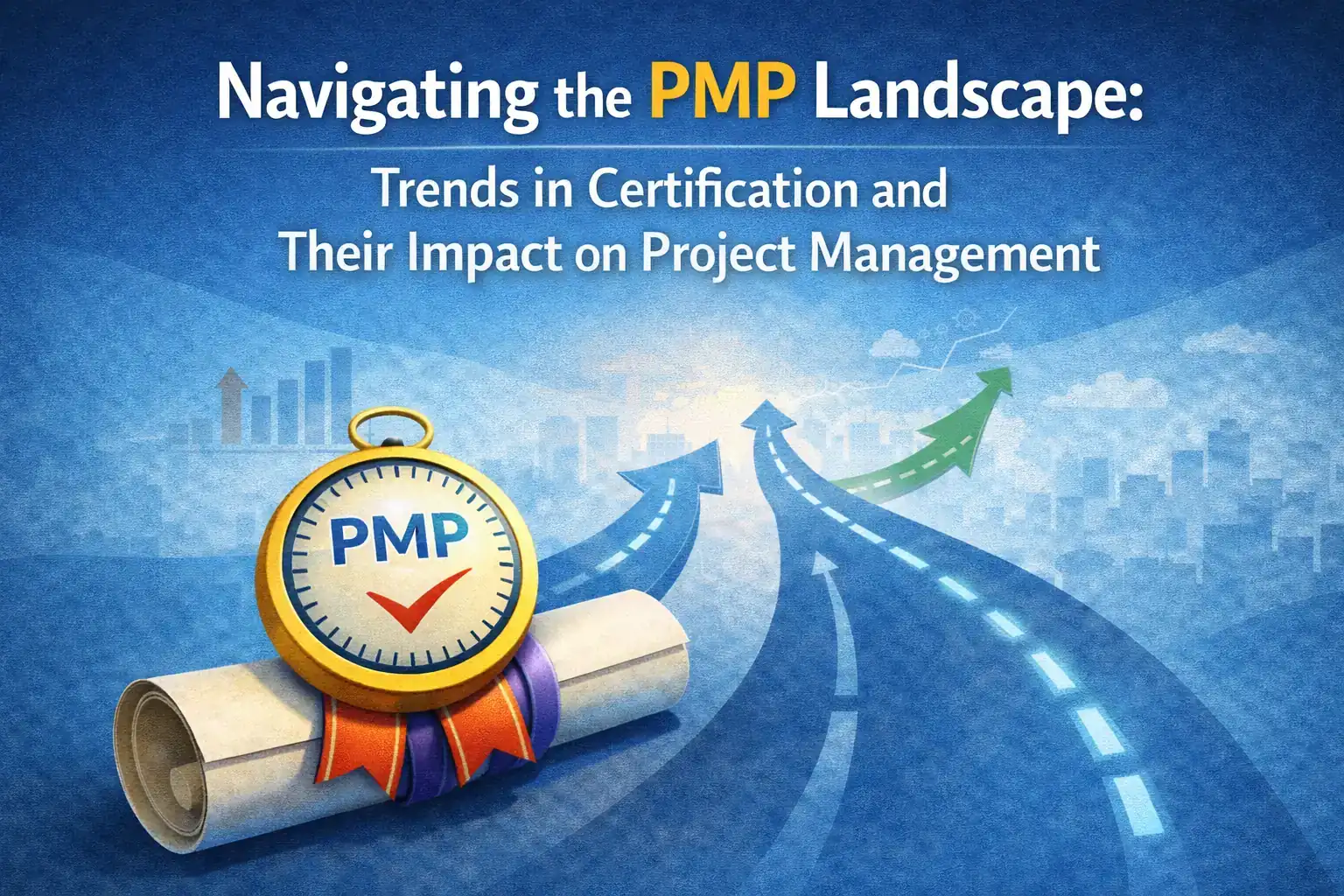
Introduction to PMP Certification
The Project Management Professional (PMP) certification is a globally recognized credential offered by the Project Management Institute (PMI). It signifies that an individual possesses the knowledge, skills, and experience necessary to lead and direct projects effectively. The certification is designed for project managers who are looking to validate their expertise and enhance their career prospects in a competitive job market.
Definition and Overview of PMP Certification
PMP certification is awarded to professionals who meet specific educational and professional experience requirements and pass a rigorous examination. The certification covers a wide range of project management topics, including project initiation, planning, execution, monitoring, and closure. It emphasizes the application of standardized project management practices and methodologies, making it a valuable asset for those seeking to improve their project management capabilities.
Importance of PMP in the Project Management Industry
The PMP certification is highly regarded in the project management industry for several reasons:
- Standardization of Practices: It promotes a common language and framework for project management, which is essential for collaboration across diverse teams and organizations.
- Career Advancement: Holding a PMP certification can significantly enhance a professional’s career prospects. Many employers prefer or require PMP certification for project management roles, as it demonstrates a commitment to the profession and a high level of competency.
- Increased Earning Potential: Statistics show that PMP-certified professionals tend to earn higher salaries compared to their non-certified counterparts. According to PMI’s Earning Power: Project Management Salary Survey, PMP holders earn 20% more on average than those without the certification.
Statistics on PMP Certification Holders and Market Demand
The demand for PMP-certified professionals continues to grow, reflecting the increasing complexity of projects across various industries. Recent statistics highlight the following trends:
- Global Reach: As of 2023, there are over 1 million PMP certification holders worldwide, indicating the widespread recognition and value of the credential.
- Job Market Demand: A report from PMI indicates that organizations are increasingly seeking project managers with PMP certification, with 87% of high-performing organizations reporting that they prioritize hiring certified professionals.
- Industry Growth: The project management profession is projected to grow significantly, with an estimated 22 million new project management roles expected to be created globally by 2027. This growth underscores the importance of PMP certification as a means to stand out in a crowded job market.
Current Trends in PMP Certification
As experienced project managers and certification candidates navigate this dynamic environment, several key trends are shaping the relevance and application of PMP certification in today’s professional landscape.
Increased Focus on Agile Methodologies and Hybrid Project Management
One of the most significant trends in project management is the increasing emphasis on agile methodologies. Organizations are recognizing the need for flexibility and adaptability in their project execution, leading to a shift from traditional waterfall approaches to more iterative and incremental frameworks. The PMP certification has adapted to this trend by incorporating agile principles into its curriculum, allowing certified professionals to effectively manage projects that require rapid adjustments and stakeholder collaboration.
Moreover, the rise of hybrid project management—combining elements of both agile and traditional methodologies—has become prevalent. This approach enables project managers to tailor their strategies to the specific needs of their projects, enhancing efficiency and responsiveness. As a result, PMP-certified professionals are better equipped to lead diverse teams and projects that demand a nuanced understanding of various methodologies.
Emergence of Digital Project Management Tools
The integration of digital project management tools is another trend reshaping the PMP certification landscape. With the advent of advanced software solutions, project managers can now leverage technology to streamline processes, enhance communication, and improve overall project visibility. Tools such as Asana, Trello, and Microsoft Project are becoming essential for managing tasks, timelines, and resources effectively.
PMP certification programs are increasingly incorporating training on these digital tools, ensuring that candidates are proficient in using technology to facilitate project management. This trend not only enhances the skill set of project managers but also aligns with the growing demand for tech-savvy professionals who can navigate the complexities of modern project environments.
Growing Importance of Soft Skills and Leadership
In addition to technical skills, there is a growing recognition of the importance of soft skills and leadership in project management roles. Effective communication, emotional intelligence, and conflict resolution are becoming critical competencies for project managers, as they must lead diverse teams and navigate complex stakeholder relationships.
The PMP certification now emphasizes these soft skills, reflecting the industry’s shift towards valuing interpersonal abilities alongside technical expertise. As project managers are often tasked with motivating teams and fostering collaboration, those with strong leadership skills are more likely to succeed in delivering projects on time and within budget.
The Value of PMP Certification in Today’s Job Market
Obtaining a Project Management Professional (PMP) certification has become a significant milestone for professionals seeking to enhance their careers. This certification, offered by the Project Management Institute (PMI), not only validates a project manager’s skills and knowledge but also opens doors to numerous opportunities. Here are some of the tangible benefits of obtaining a PMP certification:
- Higher Salary Potential: Research consistently shows that PMP-certified project managers tend to earn higher salaries compared to their non-certified counterparts. According to various industry reports, certified professionals can earn up to 20% more than those without the certification. This salary premium reflects the value that organizations place on the rigorous training and expertise that PMP certification signifies.
- Increased Credibility and Professional Recognition: In a competitive job market, having a PMP certification enhances a project manager’s credibility. It serves as a testament to their commitment to the profession and adherence to industry standards. Employers often prefer candidates with this certification, as it indicates a solid understanding of project management principles and practices. This recognition can lead to greater trust from stakeholders and team members, fostering a more collaborative work environment.
- Impact on Promotions and Career Growth: PMP certification can significantly influence career advancement opportunities. Many organizations have established criteria for promotions that include certification as a prerequisite. Certified project managers are often viewed as more qualified for leadership roles, which can lead to faster career progression. Additionally, the skills acquired during the certification process—such as risk management, stakeholder engagement, and strategic planning—are invaluable for those looking to take on more complex projects and responsibilities.
Challenges and Considerations for Certification Candidates
Pursuing a Project Management Professional (PMP) certification can be a significant career move for experienced project managers. However, candidates should be aware of several challenges and considerations that may impact their journey toward certification. Here are some key points to consider:
- Cost of Certification and Preparation Resources: The financial investment required for PMP certification can be substantial. Candidates must account for the exam fee, which can range from several hundred to over a thousand dollars, depending on membership status with the Project Management Institute (PMI). Additionally, preparation resources such as study guides, online courses, and boot camps can add to the overall cost. It is essential for candidates to budget accordingly and explore various options to find the most cost-effective resources that suit their learning style and needs.
- Time Commitment Required for Study and Exam Preparation: Achieving PMP certification demands a significant time investment. Candidates typically need to dedicate several months to studying the PMBOK Guide and other relevant materials, as well as completing practice exams. The recommended study time can vary, but many experts suggest allocating at least 100 to 150 hours of focused study. This commitment can be daunting, especially for those balancing other professional and personal responsibilities. Candidates should create a realistic study schedule that allows for consistent progress without overwhelming themselves.
- Balancing Work Responsibilities with Certification Goals: For many candidates, the challenge lies in balancing their current job responsibilities with the pursuit of certification. Project managers often have demanding roles that require their full attention, making it difficult to carve out time for study. Candidates should consider their workload and seek support from their employers, such as flexible work hours or study leave, to facilitate their preparation. Additionally, effective time management strategies can help candidates integrate their study plans into their daily routines, ensuring they remain on track to achieve their certification goals.
The Future of PMP Certification and Project Management
The Project Management Professional (PMP) certification remains a cornerstone for professionals seeking to validate their expertise and enhance their career prospects. Here, we explore potential future developments in PMP certification and their implications for project management professionals.
Predictions for Changes in Certification Requirements and Formats
- Increased Focus on Agile Methodologies: As organizations increasingly adopt agile practices, the PMP certification may evolve to incorporate more agile principles and frameworks. This shift could lead to a greater emphasis on hybrid project management approaches, blending traditional and agile methodologies to meet diverse project needs.
- Digital and Remote Learning Formats: The rise of remote work and digital learning platforms is likely to influence how PMP certification courses are delivered. Expect to see more online, interactive training modules that cater to a global audience, making certification more accessible to candidates regardless of their location.
- Micro-Credentials and Specializations: The future may see the introduction of micro-credentials or specialized certifications within the PMP framework. These could allow professionals to demonstrate expertise in specific areas such as risk management, stakeholder engagement, or digital project management, catering to the nuanced demands of various industries.
Impact of Emerging Technologies on Project Management
- Artificial Intelligence and Automation: The integration of AI and automation tools in project management is set to transform how projects are planned and executed. Project managers will need to adapt to these technologies, utilizing AI for predictive analytics, resource allocation, and risk assessment. This shift may necessitate updates to the PMP curriculum to include training on these emerging tools.
- Data Analytics: The ability to analyze and interpret data will become increasingly critical for project managers. As data-driven decision-making becomes the norm, PMP certification may evolve to emphasize skills in data analytics, enabling project managers to leverage insights for better project outcomes.
- Collaboration Tools: The proliferation of collaboration and project management software will require project managers to be proficient in various digital tools. Future PMP training may include modules on the effective use of these platforms to enhance team collaboration and project tracking.
The Evolving Role of Project Managers
- Strategic Leadership: As organizations face complex challenges and rapid changes, the role of project managers is shifting from tactical execution to strategic leadership. PMP-certified professionals will be expected to align projects with organizational goals, demonstrating a broader understanding of business strategy and stakeholder management.
- Change Management: With the pace of change accelerating, project managers will increasingly be tasked with leading change initiatives. This evolving role will require a deeper understanding of change management principles, which may be reflected in future PMP certification requirements.
- Soft Skills Development: The importance of soft skills, such as communication, negotiation, and emotional intelligence, is gaining recognition in project management. Future PMP training may place greater emphasis on developing these skills, preparing project managers to navigate the complexities of team dynamics and stakeholder relationships.
Conclusion: Making an Informed Decision on PMP Certification
The significance of obtaining a Project Management Professional (PMP) certification cannot be overstated. This certification has become a benchmark for project management excellence, offering numerous benefits that can enhance a professional’s career trajectory. Here’s a recap of the key benefits and trends associated with PMP certification:
- Enhanced Career Opportunities: PMP certification is widely recognized and respected across various industries. It often opens doors to higher-level positions and can lead to increased job security and salary potential. Many organizations prioritize hiring certified professionals, making it a valuable asset for career advancement.
- Improved Project Management Skills: The rigorous training and knowledge gained through PMP certification equip professionals with essential skills in project planning, execution, and monitoring. This not only enhances individual performance but also contributes to the overall success of projects within an organization.
- Networking Opportunities: Becoming PMP certified connects professionals with a global network of project managers. This community can provide support, share best practices, and offer opportunities for collaboration, which is invaluable in today’s interconnected work environment.
- Staying Current with Industry Trends: The PMP certification process requires ongoing education and professional development, ensuring that certified individuals remain updated on the latest project management methodologies and tools. This commitment to continuous learning is crucial in a field that is constantly evolving.
As you consider pursuing PMP certification, it is essential to assess your personal career goals and the specific needs of your industry. Reflect on how this certification aligns with your aspirations and whether it will provide the necessary skills and recognition to advance your career.
In conclusion, staying updated in project management practices is not just beneficial; it is imperative. The landscape of project management is changing rapidly, influenced by technological advancements and shifting organizational needs. By investing in PMP certification, you are not only enhancing your own capabilities but also positioning yourself as a leader in the field. Weigh the benefits against the challenges, and make an informed decision that aligns with your professional journey.
Find out more about Shaun Stoltz https://www.shaunstoltz.com/about/.
This post was written by an AI and reviewed/edited by a human.