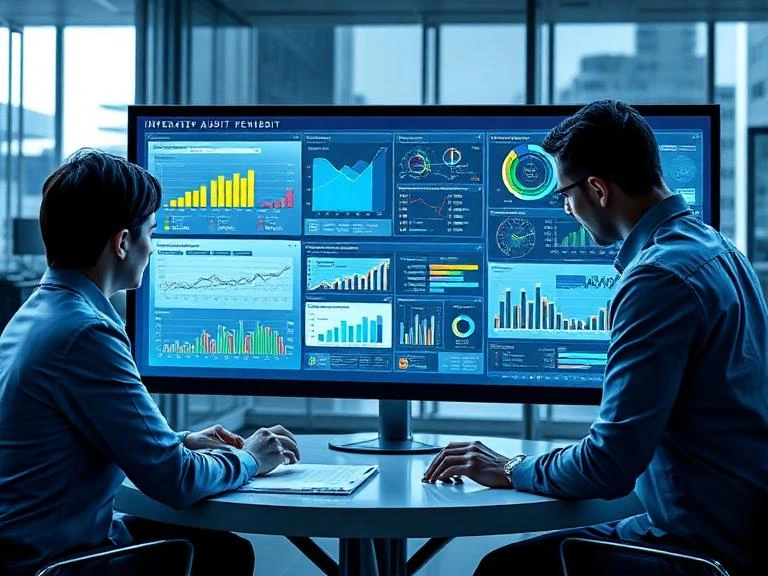
Integrated audits represent a comprehensive approach to evaluating an organization’s financial statements, internal controls, and operational processes. Unlike traditional audits that may focus solely on financial or operational aspects, integrated audits take a holistic view, assessing how various elements within an organization work together to achieve strategic objectives. This broader scope is essential for identifying material misstatements and significant deficiencies, as well as for recognizing the role of internal controls in the audit process [1][2].
Purpose of Integrated Audits
The primary purpose of integrated audits is to provide a thorough assessment of an organization’s overall health by examining the interconnections between financial reporting and internal controls. This approach not only enhances the accuracy of financial statements but also ensures that the organization adheres to regulatory requirements and best practices in governance. By aligning audit objectives with the organization’s strategic goals, integrated audits add value beyond mere compliance, fostering a culture of transparency and accountability [6].
Enhancing Risk Management and Organizational Efficiency
Integrated audits play a crucial role in enhancing risk management and organizational efficiency. By evaluating multiple areas of an organization simultaneously, these audits help identify potential risks that may not be apparent when examining individual components in isolation. This comprehensive analysis allows organizations to implement more effective risk mitigation strategies, ultimately leading to improved operational performance and resource management [4][6]. Furthermore, integrated audits facilitate better communication and collaboration among different functions within the organization, promoting a unified approach to risk management [5].
The Role of Technology in Modern Internal Audit Practices
In the context of integrated audits, technology has become a transformative force, reshaping how audits are conducted. Advanced tools and techniques enable internal auditors to gather and analyze data more efficiently, ensuring greater accuracy and consistency in their findings. Technology also supports continuous monitoring of internal controls, allowing organizations to adapt to changing business environments and emerging risks [12]. By leveraging data analytics, artificial intelligence, and other innovative solutions, internal audit professionals can enhance their audit processes, streamline workflows, and ultimately deliver more value to their organizations [10][15].
In summary, integrated audits are essential for providing a comprehensive view of an organization’s operations and financial health. They enhance risk management and organizational efficiency while being significantly transformed by the adoption of advanced technology in modern internal audit practices.
The Evolution of Integrated Audits
The landscape of internal auditing has undergone significant transformation over the years, particularly with the advent of technology. This evolution has led to the emergence of integrated audits, which combine various elements of an organization’s operations into a cohesive assessment. Here’s a closer look at the historical context and progression of integrated audits leading to the present day.
Development of Internal Auditing Practices
- Early Beginnings: Internal auditing practices can be traced back to the early 20th century when organizations began to recognize the need for systematic checks on financial reporting and compliance. The introduction of electronic accounting systems in the 1960s marked a pivotal moment, as auditors started to consider the implications of computerized data on auditing processes.
- Emergence of Standards: Over the decades, various standards and frameworks have been developed to guide internal audit practices. These standards have evolved to address the complexities of modern business environments, emphasizing the importance of risk management and compliance [11].
Transition from Traditional Audits to Integrated Audits
- Defining Integrated Audits: Integrated audits differ from traditional audits by focusing on how various organizational elements work together. While traditional audits often concentrated solely on financial controls, integrated audits assess the interplay between financial, operational, and compliance aspects [1][11]. This shift reflects a broader understanding of organizational dynamics and the need for a holistic approach to auditing.
- Technological Advancements: The integration of technology into auditing practices has been a game-changer. Tools such as data analytics, artificial intelligence, and automated compliance monitoring have enabled auditors to conduct more thorough and efficient assessments. These technologies allow for deeper data analysis, moving beyond basic procedures to uncover insights that were previously difficult to obtain [4][5][7].
Increasing Complexity of Business Environments
- Navigating Complexity: Today’s business environments are characterized by rapid changes, increased regulatory scrutiny, and a growing reliance on technology. This complexity necessitates integrated approaches to auditing, as organizations must ensure that all aspects of their operations are aligned and compliant [11][12].
- The Role of Internal Audit: As organizations face these challenges, the role of internal audit has expanded. Internal auditors are now expected to provide value beyond traditional financial oversight, acting as strategic advisors who can help organizations navigate risks and enhance operational efficiency [13][15]. This evolution underscores the importance of integrated audits in fostering transparency and accountability within organizations.
The evolution of integrated audits reflects a significant shift in internal auditing practices, driven by technological advancements and the increasing complexity of business environments. As internal audit professionals and IT auditors continue to adapt to these changes, the integration of various auditing elements will be crucial in ensuring effective governance and risk management in the modern landscape.
Key Technologies Transforming Integrated Audits
The landscape of integrated audits is undergoing a significant transformation, driven by advancements in technology. Internal audit professionals and IT auditors are increasingly leveraging various tools and techniques to enhance their audit procedures, improve risk assessment, and streamline processes. Here are some key technologies reshaping integrated audits:
1. Data Analytics
Data analytics plays a crucial role in enhancing audit procedures by enabling auditors to extract valuable insights from vast amounts of data. This technology allows for:
- Comprehensive Analysis: Auditors can analyze historical, real-time, and predictive data to identify trends and anomalies that may indicate risks or areas needing attention [12].
- Risk Identification: By integrating data analytics into each phase of the audit process, auditors can focus their efforts on high-risk areas during planning, conduct deeper analyses during fieldwork, and derive actionable insights during reporting [15].
- Enhanced Decision-Making: The ability to visualize and interpret data effectively supports better decision-making and prioritization of audit activities.
2. Artificial Intelligence and Machine Learning
Artificial intelligence (AI) and machine learning are revolutionizing risk assessment in integrated audits. These technologies offer several advantages:
- Improved Accuracy: AI tools enhance the accuracy of audits by automating routine tasks and analyzing large volumes of data with greater precision [3]. This allows auditors to focus on more strategic aspects of their work.
- Predictive Analytics: Machine learning algorithms can improve predictive accuracy over time, which is particularly useful for assessing risks associated with complex financial instruments and transactions [13]. This capability enables auditors to anticipate potential issues before they arise.
- Trend and Anomaly Detection: AI technologies facilitate the identification of trends and anomalies in data, helping auditors to pinpoint risks more effectively [7].
3. Automation Tools
Automation tools are essential for streamlining audit processes, providing numerous benefits:
- Efficiency Gains: By automating time-consuming tasks such as data extraction and document review, auditors can allocate more time to strategic analysis and decision-making [6]. This leads to increased efficiency and productivity within audit teams.
- Consistency and Accuracy: Automation reduces the likelihood of human error, ensuring that audit processes are consistent and accurate [9]. This is particularly important in maintaining the integrity of audit findings.
- Integration with Other Technologies: Many automation tools can be integrated with AI and data analytics platforms, creating a cohesive ecosystem that enhances the overall audit process [11].
The integration of data analytics, artificial intelligence, machine learning, and automation tools is transforming the way integrated audits are conducted. These technologies not only enhance the efficiency and effectiveness of audit procedures but also empower internal audit professionals to navigate the complexities of modern auditing with greater confidence and insight. As these tools continue to evolve, they will play an increasingly vital role in shaping the future of integrated audits.
Techniques for Effective Integrated Audits
The integration of technology into internal audits is revolutionizing the way audits are conducted, enhancing efficiency, accuracy, and collaboration. Here are some practical techniques for implementing technology in integrated audits that internal audit professionals and IT auditors can leverage:
1. Incorporating Data Visualization Tools for Clearer Reporting
Data visualization tools play a crucial role in transforming complex data into understandable visual formats. By utilizing these tools, auditors can:
- Enhance Clarity: Visual representations such as charts, graphs, and dashboards make it easier for stakeholders to grasp key findings and trends quickly. This is particularly important in integrated audits where data from various sources is analyzed simultaneously [4].
- Facilitate Decision-Making: Clear visual reports enable stakeholders to make informed decisions based on the insights derived from the audit process. This is essential for fostering a data-driven culture within organizations [10].
- Improve Communication: Data visualization aids in communicating audit results effectively to non-technical stakeholders, ensuring that everyone involved understands the implications of the findings.
2. Utilizing Continuous Auditing Techniques and Real-Time Monitoring
Continuous auditing and real-time monitoring are transformative techniques that allow auditors to maintain an ongoing assessment of risk and compliance. These techniques include:
- Automated Data Analysis: By employing data analytics tools, auditors can continuously analyze transactions and operational data, identifying anomalies and potential risks as they occur. This proactive approach enhances the ability to detect fraud and compliance issues early [13].
- Real-Time Dashboards: Implementing real-time monitoring systems provides auditors with up-to-the-minute insights into key performance indicators (KPIs) and risk factors. This allows for timely interventions and adjustments to audit strategies as needed [14].
- Feedback Loops: Continuous auditing creates feedback loops that enable audit teams to refine their processes and methodologies based on real-time data, leading to more effective audits over time.
3. Importance of Collaborative Platforms for Audit Teams and Stakeholders
Collaboration is essential in integrated audits, and technology can significantly enhance teamwork among audit professionals and stakeholders. Key aspects include:
- Centralized Communication: Collaborative platforms facilitate seamless communication among audit team members and stakeholders, ensuring that everyone is aligned on objectives, findings, and action items. This is vital for maintaining transparency and accountability throughout the audit process [6].
- Document Sharing and Version Control: Utilizing cloud-based tools allows for easy sharing of documents and ensures that all team members are working with the most current information. This reduces the risk of errors and miscommunication [10].
- Stakeholder Engagement: Collaborative platforms enable auditors to engage stakeholders throughout the audit process, fostering a culture of collaboration and shared responsibility for risk management and compliance [11].
The integration of technology into internal audits through data visualization, continuous auditing, and collaborative platforms is transforming the audit landscape. By adopting these techniques, internal audit professionals can enhance the effectiveness of integrated audits, ultimately delivering greater value to their organizations.
Future Trends in Integrated Audits
The landscape of integrated audits is rapidly evolving, driven by advancements in technology. As internal audit professionals and IT auditors navigate this transformation, several key trends are emerging that will shape the future of integrated audits.
1. Emerging Technologies Impacting Integrated Audits
- Blockchain Technology: Blockchain is poised to revolutionize the audit process by providing a transparent and decentralized ledger system. This technology enhances the accuracy and authenticity of transactions, allowing auditors to verify data in real-time, which is crucial for integrated audits. Its tamper-proof nature simplifies transaction verification and reduces the time and cost associated with traditional audit procedures, making it a vital tool for auditors in the future [5].
- Artificial Intelligence (AI): AI is transforming audit practices by introducing advanced data analytics capabilities. It enables auditors to analyze vast amounts of data quickly, providing insights that were previously unattainable. This technology allows for more efficient risk assessments and enhances the overall quality of audits, making it an essential component of integrated audits moving forward [11].
- Robotic Process Automation (RPA): RPA can automate repetitive tasks within the audit process, freeing up auditors to focus on more strategic activities. This technology not only increases efficiency but also reduces the likelihood of human error, thereby improving the reliability of audit outcomes [6][12].
2. Growing Importance of Cybersecurity in Audit Practices
As organizations increasingly rely on digital platforms, the importance of cybersecurity in audit practices cannot be overstated. Cyber threats pose significant risks to data integrity and confidentiality, making it imperative for internal auditors to incorporate cybersecurity assessments into their audit frameworks.
- Integration of Cybersecurity Audits: Future integrated audits will likely include comprehensive cybersecurity evaluations, ensuring that organizations are not only compliant with regulations but also resilient against potential cyber threats. This shift will require auditors to develop new skills and knowledge in cybersecurity to effectively assess risks and controls [14].
- Continuous Monitoring: The adoption of continuous monitoring tools will become more prevalent, allowing auditors to assess cybersecurity risks in real-time. This proactive approach will enable organizations to respond swiftly to potential threats, enhancing the overall effectiveness of integrated audits [12].
3. The Future Role of Internal Auditors in a Tech-Driven Environment
As technology continues to reshape the audit landscape, the role of internal auditors will evolve significantly.
- Advisory Role: Internal auditors will increasingly take on advisory roles, providing insights on technology implementation and risk management strategies. Their expertise will be crucial in guiding organizations through the complexities of integrating new technologies into their operations [11][14].
- Collaboration with IT Professionals: The future will see a greater collaboration between internal auditors and IT professionals. This partnership will be essential for understanding the technical aspects of integrated audits and ensuring that audit practices align with technological advancements [12].
- Focus on Data Analytics: Internal auditors will need to enhance their data analytics skills to effectively leverage the insights generated by AI and other technologies. This focus on data-driven decision-making will be critical for maintaining the relevance and effectiveness of internal audit functions in a tech-driven environment.
The future of integrated audits is being shaped by emerging technologies such as blockchain, AI, and RPA, alongside an increasing emphasis on cybersecurity. Internal auditors must adapt to these changes, embracing new tools and techniques to enhance their audit practices and ensure they remain effective in a rapidly evolving landscape.
Conclusion
In conclusion, the integration of technology into audit practices is fundamentally transforming the landscape of internal audits, particularly in the realm of integrated audits. The adoption of advanced tools such as artificial intelligence, data analytics, and robotic process automation is enhancing the efficiency and effectiveness of audit processes. These technologies enable auditors to conduct more thorough risk assessments, improve fraud detection, and automate repetitive tasks, thereby allowing for a more strategic focus on high-risk areas throughout the audit lifecycle [1][11].
As the internal audit profession continues to evolve, it is crucial for professionals to engage in ongoing education and adaptation. Understanding emerging technologies and their applications within the audit context is essential for auditors to remain relevant and effective. This commitment to continuous learning will empower internal auditors to leverage technology to its fullest potential, ensuring that they can meet the challenges posed by an increasingly complex business environment [7][12].
Moreover, a strategic approach to technology integration is necessary for successful implementation within integrated audits. This involves not only selecting the right tools but also aligning them with the organization’s objectives and risk management strategies. By thoughtfully incorporating technology into their audit processes, internal auditors can enhance their contributions to organizational governance and decision-making, ultimately leading to improved outcomes for their organizations [13].
Embracing technology is not merely an option but a necessity for internal audit professionals aiming to thrive in the modern audit landscape. By recognizing the transformative impact of technology and committing to its strategic integration, auditors can significantly elevate the quality and effectiveness of their integrated audits, ensuring they remain valuable partners in their organizations’ success [4][10].
Call to Action
As technology continues to reshape the landscape of internal auditing, particularly in the realm of integrated audits, it is essential for internal audit professionals and IT auditors to embrace these advancements. Here are some actionable steps to help you start integrating technology into your audit processes:
- Assess Current Tools and Technologies: Begin by evaluating the tools and technologies currently in use within your organization. Identify gaps and areas where technology can enhance efficiency and effectiveness in your integrated audits. This could include software for data analytics, risk assessment, or compliance tracking [4].
- Invest in Training and Development: Equip your audit team with the necessary skills to leverage new technologies. Consider offering training sessions on data analytics, AI applications in auditing, and other relevant technologies that can streamline your audit processes [11][9].
- Implement Data Analytics: Utilize data analytics tools to gain deeper insights into your organization’s operations. This can help in identifying trends, anomalies, and areas of risk that may not be visible through traditional audit methods [6][3].
- Foster Collaboration Across Departments: Integrated audits require collaboration between various departments. Use technology to facilitate communication and data sharing among teams, ensuring that everyone is aligned and informed throughout the audit process.
- Stay Informed on Emerging Technologies: Keep abreast of the latest technological advancements in the auditing field. Regularly review industry publications, attend webinars, and participate in professional networks to learn about new tools and techniques that can enhance your audit practices [5][15].
We encourage you to share your experiences and insights regarding the integration of technology in audits. Your contributions can help foster a community of learning and improvement among internal audit professionals.
Lastly, don’t miss out on valuable updates and resources related to internal auditing. Subscribe to our newsletter to stay informed about the latest trends, best practices, and tools that can help you excel in your role as an internal auditor. Together, we can navigate the evolving landscape of integrated audits and leverage technology to enhance our effectiveness and impact.
Find out more about Shaun Stoltz https://www.shaunstoltz.com/about/
This post was written by an AI and reviewed/edited by a human.