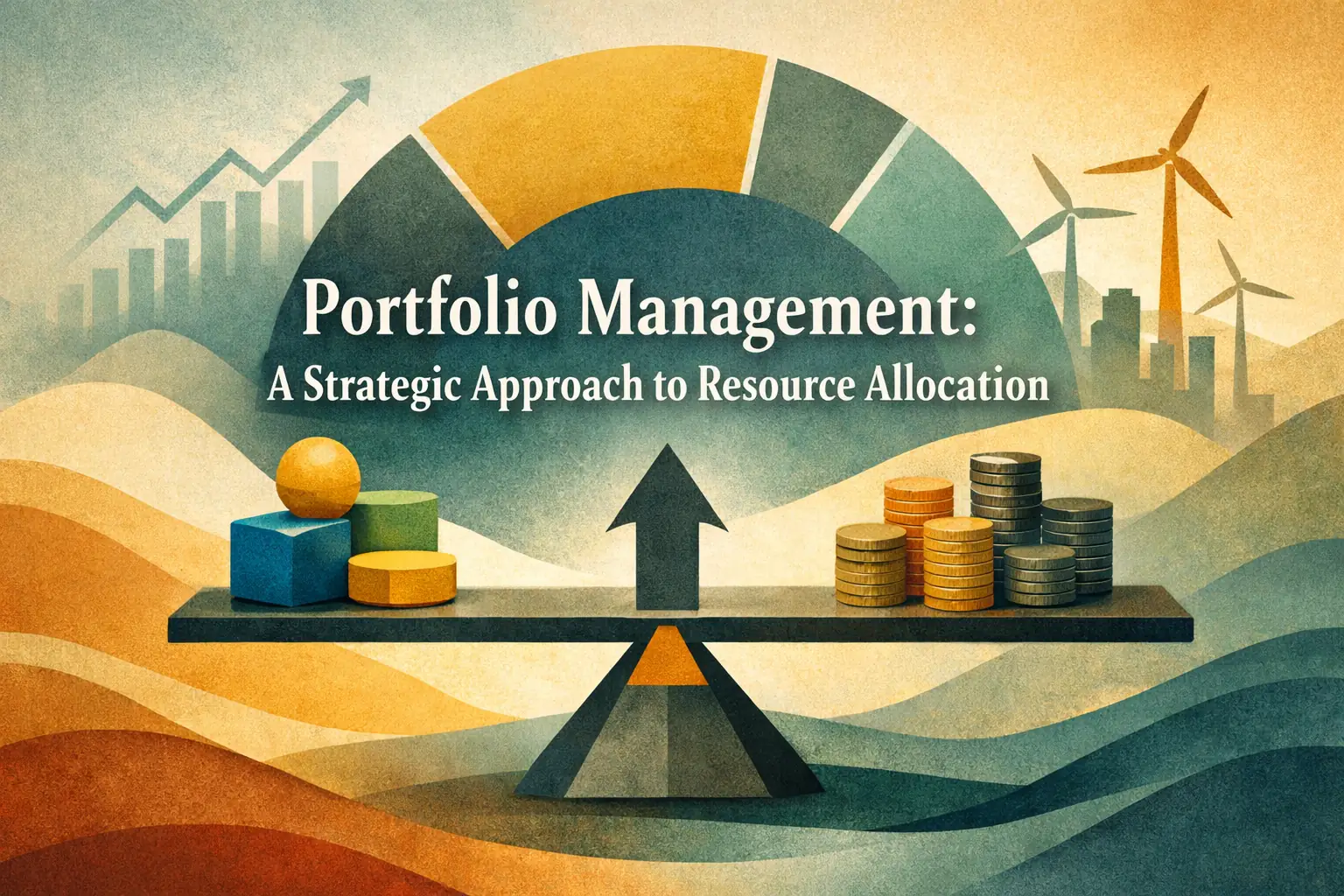
Introduction to Portfolio Management
Portfolio management serves as a critical framework that enables organizations to align their projects with strategic objectives while optimizing resource allocation. It involves the centralized management of one or more portfolios, which are collections of projects and programs that are grouped together to facilitate effective management and meet strategic business goals. By adopting a portfolio management approach, organizations can ensure that they are not only executing projects efficiently but also prioritizing those that deliver the greatest value.
Defining Portfolio Management
Portfolio management in project management refers to the process of selecting, prioritizing, and managing a collection of projects and programs in a way that aligns with the organization’s strategic objectives. This involves evaluating the potential return on investment (ROI) of various projects, assessing risks, and ensuring that resources are allocated effectively across the portfolio. The goal is to maximize the overall value of the portfolio while minimizing risks and resource wastage.
Importance of a Portfolio View in Optimizing Resource Allocation
A portfolio view is essential for optimizing resource allocation across multiple projects. Here are several key reasons why this perspective is vital:
- Holistic Resource Management: By viewing all projects within a portfolio, resource managers can identify overlaps and gaps in resource allocation. This holistic view allows for better distribution of resources, ensuring that critical projects receive the necessary support while avoiding overallocation or underutilization of resources.
- Strategic Alignment: A portfolio view helps ensure that resources are allocated to projects that align with the organization’s strategic goals. This alignment is crucial for maximizing the impact of investments and achieving desired outcomes.
- Prioritization of Projects: With a comprehensive understanding of all ongoing projects, resource managers can prioritize initiatives based on their strategic importance, potential ROI, and resource requirements. This prioritization helps in making informed decisions about where to allocate limited resources.
- Risk Management: A portfolio view allows for better risk assessment and management. By analyzing the interdependencies between projects, resource managers can identify potential risks that may affect multiple projects and allocate resources accordingly to mitigate these risks.
- Performance Monitoring: Continuous monitoring of the portfolio enables resource managers to track performance metrics across projects. This data-driven approach facilitates timely adjustments in resource allocation to enhance project outcomes.
Target Audience: Resource Managers and Project Directors
The insights provided in this section are particularly relevant for resource managers and project directors who play a pivotal role in the successful execution of projects. Resource managers are tasked with ensuring that the right resources are available at the right time, while project directors are responsible for overseeing project execution and aligning it with strategic objectives. By understanding the principles of portfolio management and the significance of a portfolio view, these professionals can enhance their decision-making processes, optimize resource distribution, and ultimately drive project success.
Understanding the Portfolio View
Adopting a portfolio view is essential for optimizing resource allocation and ensuring strategic alignment across various initiatives. This section delves into what a portfolio view entails, its components, and how it contrasts with traditional project management approaches.
Defining a Portfolio View
A portfolio view encompasses the comprehensive management of multiple projects and programs within an organization. It includes:
- Projects: Individual initiatives with specific objectives, timelines, and deliverables.
- Programs: Groups of related projects managed in a coordinated manner to obtain benefits and control not available from managing them individually.
- Resources: The assets, including personnel, technology, and finances, that are allocated across projects and programs to achieve organizational goals.
This holistic perspective allows resource managers and project directors to visualize how different projects interconnect and how resources can be effectively distributed to maximize overall performance.
Difference Between Project Management and Portfolio Management
While project management focuses on the execution and delivery of individual projects, portfolio management takes a broader approach. Key distinctions include:
- Scope: Project management is concerned with the tactical execution of a single project, whereas portfolio management involves strategic oversight of multiple projects and programs.
- Objectives: The primary goal of project management is to complete projects on time and within budget. In contrast, portfolio management aims to align projects with the organization’s strategic objectives, ensuring that resources are allocated to initiatives that provide the greatest value.
- Decision-Making: Project managers make decisions based on project-specific criteria, while portfolio managers evaluate projects based on their contribution to the overall strategic goals of the organization.
This difference highlights the need for a portfolio view, as it enables organizations to prioritize projects that align with their long-term vision and strategic objectives.
Strategic Alignment of Projects within a Portfolio
A critical aspect of portfolio management is ensuring that all projects within the portfolio are strategically aligned. This alignment involves:
- Evaluating Project Contributions: Assessing how each project contributes to the organization’s strategic goals helps in prioritizing initiatives that offer the most significant benefits.
- Resource Optimization: By viewing projects as part of a larger portfolio, resource managers can allocate resources more effectively, ensuring that high-priority projects receive the necessary support while minimizing waste on lower-priority initiatives.
- Risk Management: A portfolio view allows for better risk assessment and management, as it provides insights into how risks in one project may impact others, enabling proactive mitigation strategies.
Benefits of a Portfolio View in Resource Distribution
Adopting a portfolio view in project management offers significant advantages for resource managers and project directors, particularly in optimizing resource allocation across multiple projects. Here are the key benefits:
- Enhanced Visibility of Resource Allocation Across Projects: A portfolio view provides a comprehensive overview of all ongoing projects, allowing resource managers to see how resources are distributed. This visibility helps identify potential bottlenecks or underutilized resources, enabling proactive adjustments to ensure that resources are allocated efficiently across the portfolio.
- Improved Prioritization of Projects Based on Strategic Objectives: By utilizing a portfolio view, organizations can align their projects with strategic goals more effectively. This alignment allows resource managers to prioritize projects that contribute most significantly to the organization’s objectives, ensuring that critical initiatives receive the necessary resources while less important projects may be scaled back or deferred.
- Maximized Utilization of Resources Leading to Cost Savings: A strategic portfolio approach helps in identifying overlapping resource needs across projects. By consolidating resources and avoiding duplication, organizations can maximize the utilization of their assets, leading to significant cost savings. This efficient allocation not only reduces waste but also enhances the overall productivity of the organization.
- Facilitated Decision-Making Through Data-Driven Insights: A portfolio view leverages data analytics to provide insights into resource performance and project outcomes. This data-driven approach empowers resource managers and project directors to make informed decisions regarding resource allocation, project prioritization, and risk management. By relying on concrete data rather than intuition, organizations can enhance their strategic planning and execution.
Key Principles for Effective Resource Allocation
Adopting a portfolio view is essential for optimizing resource distribution across multiple projects. This strategic approach enables resource managers and project directors to make informed decisions that align with organizational goals. Here are some actionable strategies to enhance resource allocation:
- Establish Clear Criteria for Project Prioritization: To effectively allocate resources, it is crucial to define clear criteria for prioritizing projects. This may include factors such as strategic alignment, potential return on investment, risk assessment, and resource availability. By establishing these criteria, resource managers can ensure that the most critical projects receive the necessary resources, thereby maximizing overall project success.
- Utilize Resource Management Tools and Software for Real-Time Insights: Implementing resource management tools and software can provide real-time insights into resource availability and utilization. These tools allow managers to track resource allocation across projects, identify bottlenecks, and make data-driven decisions. By leveraging technology, resource managers can enhance visibility into resource distribution, enabling them to respond swiftly to changing project demands.
- Encourage Collaboration Between Project Teams to Share Resources Effectively: Fostering a culture of collaboration among project teams can significantly improve resource sharing. When teams communicate openly about their resource needs and availability, it becomes easier to redistribute resources where they are most needed. This collaborative approach not only optimizes resource use but also enhances team cohesion and project outcomes.
- Regularly Review and Adjust Resource Allocations Based on Project Progress and Outcomes: Resource allocation should not be a one-time decision; it requires ongoing assessment and adjustment. Regularly reviewing project progress and outcomes allows resource managers to identify areas where resources may be over or under-utilized. By being proactive in adjusting allocations, managers can ensure that resources are aligned with project needs, ultimately leading to improved efficiency and effectiveness.
By implementing these key principles, resource managers can optimize resource distribution across projects, ensuring that their organization can achieve its strategic objectives while maintaining a balanced and efficient project portfolio.
Challenges in Adopting a Portfolio View
Implementing a portfolio view in project management can significantly enhance resource allocation and strategic alignment. However, resource managers and project directors often encounter several challenges when transitioning from traditional project management practices to a more integrated portfolio approach. Here are some key obstacles they may face:
- Resistance to Change from Traditional Practices: Many organizations have established project management methodologies that have been in place for years. Shifting to a portfolio view requires a cultural change that may be met with resistance from team members who are accustomed to familiar processes. This reluctance can stem from fear of the unknown, concerns about job security, or a lack of understanding of the benefits that a portfolio approach can bring to project outcomes.
- Data Silos and Lack of Integrated Systems: Effective resource tracking is crucial for successful portfolio management. However, many organizations struggle with data silos, where information is stored in disparate systems that do not communicate with each other. This fragmentation can lead to inefficiencies, as resource managers may find it challenging to obtain a comprehensive view of resource availability and allocation across projects. Without integrated systems, making informed decisions becomes difficult, hindering the overall effectiveness of the portfolio view.
- Difficulty in Aligning Projects with Strategic Goals: A portfolio view aims to ensure that all projects align with the organization’s strategic objectives. However, resource managers may find it challenging to evaluate how individual projects contribute to these goals. This misalignment can occur due to a lack of clear communication regarding strategic priorities or insufficient criteria for project selection. As a result, resources may be allocated to projects that do not support the organization’s long-term vision, leading to wasted efforts and missed opportunities.
- Complexity of Managing Multiple Stakeholders: In a portfolio management context, resource managers must navigate the expectations and interests of various stakeholders, including project teams, executives, and clients. Each group may have different priorities and demands, making it challenging to balance these competing interests. Effective communication and stakeholder engagement are essential, but the complexity of managing diverse perspectives can create friction and slow down decision-making processes.
By recognizing these challenges, resource managers and project directors can better prepare for the transition to a portfolio view, ultimately leading to more effective resource distribution and enhanced project outcomes. Addressing these obstacles proactively will facilitate a smoother implementation and help organizations realize the full benefits of portfolio management.
Tools and Techniques for Implementing a Portfolio View
Adopting a portfolio view is essential for optimizing resource allocation across multiple projects. This strategic approach not only enhances visibility into project performance but also ensures that resources are distributed effectively to meet organizational goals. Below are key tools, methodologies, and practices that can facilitate the implementation of a portfolio view.
Popular Portfolio Management Software and Tools
- Microsoft Project: A widely used tool that offers robust features for project scheduling, resource management, and portfolio analysis. It allows project managers to visualize project timelines and resource allocation, making it easier to identify bottlenecks and reallocate resources as needed.
- Smartsheet: This cloud-based platform combines project management and collaboration features, enabling teams to manage portfolios in real-time. Its customizable dashboards provide insights into project status and resource utilization, facilitating informed decision-making.
- Monday.com: Known for its user-friendly interface, Monday.com allows teams to track project progress and resource allocation visually. Its automation features help streamline workflows, ensuring that resources are allocated efficiently across projects.
- Jira Portfolio: Particularly useful for Agile teams, Jira Portfolio provides a comprehensive view of project progress and resource allocation. It integrates seamlessly with Jira, allowing teams to manage backlogs and sprints while keeping an eye on overall portfolio health.
- Planview: This enterprise-level solution offers advanced portfolio management capabilities, including resource forecasting and capacity planning. It helps organizations align their projects with strategic objectives, ensuring that resources are allocated to the most critical initiatives.
Methodologies Complementing Portfolio Management
- Agile: Agile methodologies, such as Scrum and Kanban, emphasize flexibility and iterative progress. By adopting Agile practices within a portfolio view, organizations can respond quickly to changing priorities and allocate resources dynamically based on project needs.
- Lean: Lean principles focus on maximizing value while minimizing waste. Implementing Lean within portfolio management encourages teams to prioritize projects that deliver the highest value, ensuring that resources are allocated efficiently and effectively.
- Hybrid Approaches: Many organizations are now adopting hybrid methodologies that combine Agile and traditional project management practices. This approach allows for greater adaptability while maintaining structure, enabling resource managers to optimize allocation across diverse project types.
Importance of Training and Development for Teams
To successfully implement a portfolio view, it is crucial to invest in training and development for project teams. Here are some key considerations:
- Skill Development: Providing training on portfolio management tools and methodologies ensures that team members are equipped with the necessary skills to utilize these resources effectively. This can include workshops, online courses, and certification programs.
- Change Management: Transitioning to a portfolio view often requires a cultural shift within the organization. Training should also focus on change management strategies to help teams adapt to new processes and embrace a collaborative approach to resource allocation.
- Continuous Learning: Encouraging a culture of continuous learning fosters innovation and adaptability. Regular training sessions and knowledge-sharing initiatives can help teams stay updated on the latest trends and best practices in portfolio management.
By leveraging the right tools, methodologies, and training, resource managers and project directors can effectively implement a portfolio view that optimizes resource distribution across projects, ultimately driving organizational success.
Conclusion
Adopting a portfolio view is not just beneficial; it is essential for optimizing resource allocation across multiple projects. By implementing a strategic portfolio management approach, organizations can unlock several key advantages:
- Enhanced Visibility: A portfolio view provides a comprehensive overview of all ongoing projects, allowing resource managers and project directors to identify where resources are being utilized effectively and where there may be gaps or overlaps. This visibility is crucial for making informed decisions that align with organizational goals.
- Improved Resource Allocation: With a clear understanding of project priorities and resource demands, managers can allocate resources more efficiently. This ensures that high-priority projects receive the necessary support while minimizing waste on lower-priority initiatives.
- Increased Agility: A portfolio management approach enables organizations to respond swiftly to changes in project requirements or market conditions. By regularly reviewing the portfolio, managers can reallocate resources as needed, ensuring that the organization remains agile and competitive.
- Strategic Alignment: By viewing projects through a portfolio lens, organizations can ensure that all initiatives align with their strategic objectives. This alignment helps in prioritizing projects that contribute the most value, thereby maximizing return on investment.
As resource managers and project directors, it is crucial to assess your current resource management practices. Are you leveraging a portfolio view to its fullest potential? Consider conducting a thorough evaluation of your existing processes to identify areas for improvement.
To begin your journey towards effective portfolio management, start small. Pilot a portfolio management approach in one area of your organization. This could involve selecting a few key projects to manage as a portfolio, allowing you to test the waters and refine your processes before scaling up. By taking this incremental approach, you can build confidence in your portfolio management capabilities and demonstrate the value it brings to your organization.
Embrace the power of a portfolio view in project management and transform the way you allocate resources. The benefits are clear, and the time to act is now.
Find out more about Shaun Stoltz https://www.shaunstoltz.com/about/.
This post was written by an AI and reviewed/edited by a human.