Introduction
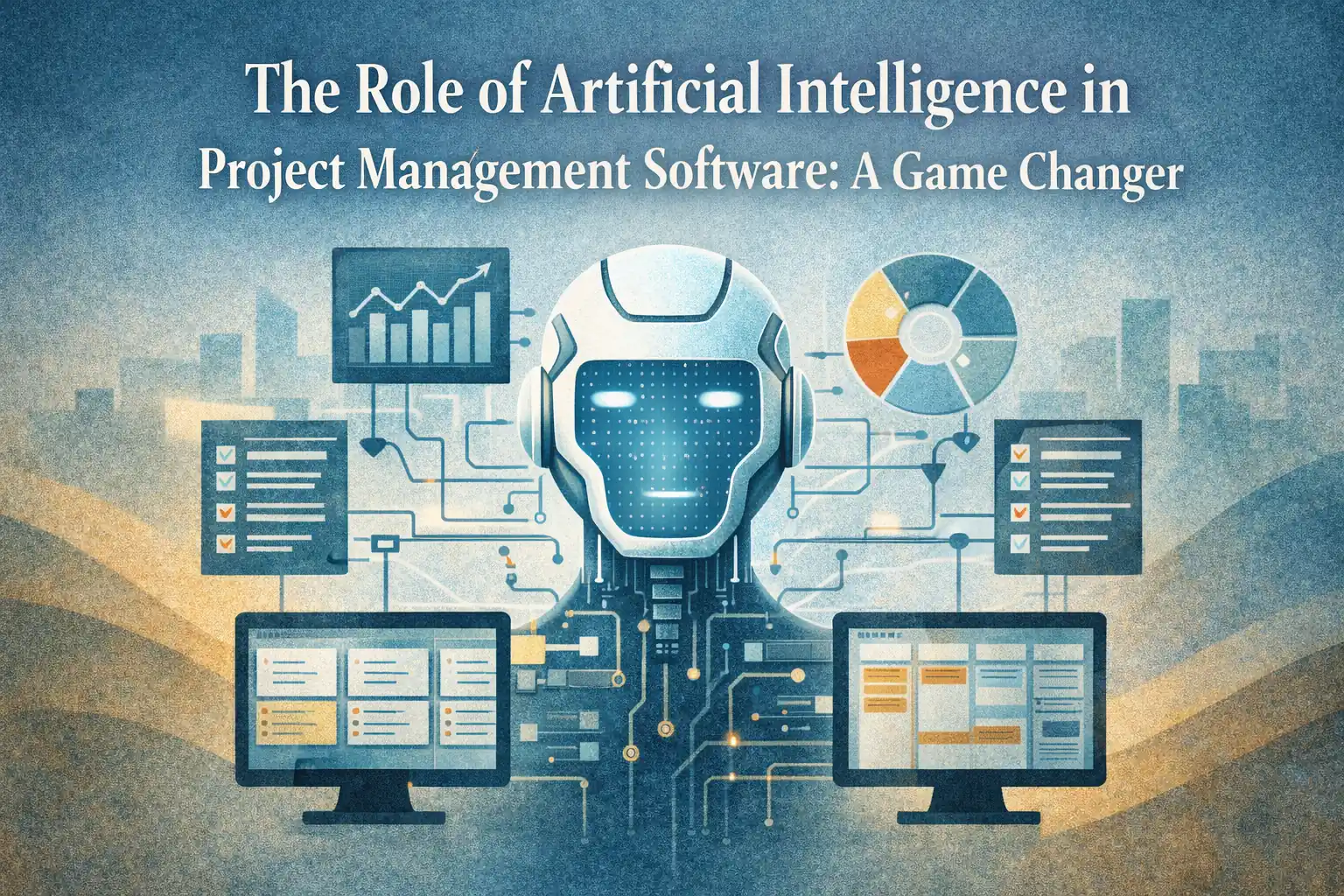
The tools and methodologies employed by project managers are crucial for ensuring successful project delivery. Project management software serves as a foundational element in this domain, traditionally designed to assist teams in planning, executing, and monitoring projects. These software solutions facilitate task assignment, resource allocation, scheduling, and communication, enabling project managers to maintain oversight and streamline workflows. However, as the complexity of projects increases and the demand for efficiency grows, the integration of artificial intelligence (AI) into project management software is emerging as a transformative force.
Defining Project Management Software
Project management software encompasses a range of applications that help project managers and teams organize, track, and manage project tasks and resources. These tools typically include features such as Gantt charts, Kanban boards, time tracking, and reporting capabilities. By providing a centralized platform for collaboration and communication, project management software has become indispensable for teams aiming to meet deadlines and achieve project goals.
The Role of Artificial Intelligence in Project Management
Artificial intelligence refers to the simulation of human intelligence processes by machines, particularly computer systems. In the context of project management, AI can analyze vast amounts of data, identify patterns, and make predictions that enhance decision-making. This capability allows project managers to leverage AI for various functions, such as risk assessment, resource optimization, and performance forecasting. By automating routine tasks and providing actionable insights, AI can significantly reduce the cognitive load on project managers, allowing them to focus on strategic planning and stakeholder engagement.
The Growing Importance of AI in Enhancing Project Management Efficiency
As organizations strive for greater efficiency and effectiveness in their project management practices, the integration of AI technologies is becoming increasingly vital. AI-driven project management software can:
- Improve Decision-Making: By analyzing historical data and current project metrics, AI can provide recommendations that help project managers make informed decisions quickly.
- Enhance Resource Allocation: AI can optimize resource distribution by predicting project needs and identifying potential bottlenecks before they arise.
- Facilitate Predictive Analytics: With the ability to forecast project outcomes based on data trends, AI empowers project managers to proactively address challenges and adjust strategies accordingly.
The incorporation of artificial intelligence into project management software is not merely a trend but a significant advancement that promises to reshape how projects are managed. As we delve deeper into this topic, we will explore the specific AI capabilities that are revolutionizing project management and the implications for project managers in the digital age.
Understanding AI in Project Management Software
Artificial Intelligence (AI) is revolutionizing various industries, and project management is no exception. As project managers increasingly seek efficiency and effectiveness in their workflows, AI technologies are becoming integral to project management software. This section will define AI, explore its relevance to project management, discuss various AI technologies utilized in these tools, and provide examples of popular project management software that incorporates AI capabilities.
Defining Artificial Intelligence
Artificial Intelligence refers to the simulation of human intelligence processes by machines, particularly computer systems. These processes include learning (the acquisition of information and rules for using it), reasoning (using rules to reach approximate or definite conclusions), and self-correction. In the context of project management, AI can enhance decision-making, optimize resource allocation, and improve communication among team members. By automating routine tasks and providing data-driven insights, AI allows project managers to focus on strategic planning and execution rather than getting bogged down in administrative details.
Relevance of AI to Project Management
The integration of AI into project management software is particularly relevant for several reasons:
- Enhanced Decision-Making: AI can analyze vast amounts of data to provide insights that inform project decisions, helping managers to anticipate risks and identify opportunities.
- Increased Efficiency: By automating repetitive tasks such as scheduling, reporting, and resource allocation, AI frees up time for project managers to concentrate on more critical aspects of their projects.
- Improved Collaboration: AI tools can facilitate better communication among team members by providing real-time updates and insights, ensuring everyone is on the same page.
AI Technologies Used in Project Management Software
Several AI technologies are commonly integrated into project management software, including:
- Machine Learning (ML): This technology enables software to learn from historical data and improve its performance over time. For instance, ML algorithms can predict project timelines based on past project data, helping managers set more realistic deadlines.
- Natural Language Processing (NLP): NLP allows project management tools to understand and interpret human language. This capability can be used for sentiment analysis in team communications or to automate responses to common queries, enhancing user experience.
- Predictive Analytics: By analyzing historical data, predictive analytics can forecast potential project risks and outcomes, enabling proactive management strategies.
- Chatbots and Virtual Assistants: These AI-driven tools can assist project managers and team members by providing instant answers to queries, scheduling meetings, and managing tasks, thereby streamlining communication and task management.
Examples of Popular Project Management Software Incorporating AI
Several project management software solutions have successfully integrated AI capabilities, enhancing their functionality and user experience:
- Asana: Asana uses machine learning to help teams prioritize tasks and predict project timelines based on historical data. Its smart project templates adapt to user needs, making project setup more efficient.
- Trello: Trello incorporates automation features powered by AI, allowing users to create rules that automate repetitive tasks, such as moving cards between lists based on specific triggers.
- Monday.com: This platform utilizes AI to provide insights into project performance and team productivity, helping managers make informed decisions about resource allocation and project timelines.
- Wrike: Wrike employs AI to analyze project data and provide recommendations for optimizing workflows, as well as offering predictive analytics to foresee potential project delays.
The integration of AI into project management software is transforming how project managers operate. By leveraging AI technologies such as machine learning and natural language processing, these tools enhance decision-making, improve efficiency, and foster better collaboration among teams. As AI continues to evolve, its role in project management will likely expand, offering even more innovative solutions to the challenges faced by project managers today.
Key AI Capabilities Transforming Project Management
The integration of artificial intelligence (AI) into project management software is revolutionizing the way project managers operate, enhancing efficiency and effectiveness across various project phases. Here are some key AI capabilities that are significantly transforming project management:
1. Automated Scheduling and Resource Allocation
AI-driven project management tools can automate the scheduling process by analyzing project timelines, resource availability, and task dependencies. This capability allows project managers to:
- Optimize Resource Utilization: AI algorithms can identify the best resources for specific tasks based on their skills and availability, ensuring that the right people are assigned to the right jobs.
- Dynamic Rescheduling: In the event of delays or changes in project scope, AI can automatically adjust schedules and reallocate resources, minimizing downtime and keeping projects on track.
2. Predictive Analytics for Risk Management
AI enhances risk management through predictive analytics, which involves analyzing historical data to forecast potential project risks. This capability enables project managers to:
- Identify Risks Early: By recognizing patterns and trends in data, AI can alert managers to potential issues before they escalate, allowing for proactive mitigation strategies.
- Data-Driven Decision Making: With insights derived from predictive analytics, project managers can make informed decisions that reduce uncertainty and improve project outcomes.
3. Enhanced Collaboration and Communication through AI Chatbots
AI chatbots are becoming essential tools for improving communication within project teams. They offer several benefits, including:
- 24/7 Availability: Chatbots can provide instant responses to team members’ queries, facilitating continuous communication regardless of time zones or working hours.
- Streamlined Information Sharing: By integrating with project management software, chatbots can quickly retrieve and share project updates, documents, and deadlines, ensuring that all team members are on the same page.
4. Real-Time Data Analysis and Reporting
AI capabilities enable real-time data analysis, which is crucial for effective project management. This feature allows project managers to:
- Monitor Project Progress: AI tools can analyze ongoing project data in real-time, providing insights into performance metrics and identifying areas that require attention.
- Automated Reporting: With AI, generating reports becomes a seamless process. Project managers can receive automated updates and visualizations that highlight key performance indicators, making it easier to communicate progress to stakeholders.
The incorporation of AI capabilities into project management software is not just a trend; it is a fundamental shift that enhances the way projects are planned, executed, and monitored. By leveraging automated scheduling, predictive analytics, AI chatbots, and real-time data analysis, project managers can improve efficiency, reduce risks, and foster better collaboration among team members. As AI technology continues to evolve, its impact on project management will only grow, making it an essential tool for tech-savvy project managers and AI enthusiasts alike.
Benefits of AI-Driven Project Management Software
The integration of artificial intelligence (AI) into project management software is proving to be a transformative force. For tech-savvy project managers and AI enthusiasts, understanding the benefits of these advanced tools is crucial for leveraging their full potential. Here are some key advantages that AI-driven project management software offers:
- Increased Efficiency and Productivity: AI tools automate routine tasks such as scheduling, resource allocation, and progress tracking. This automation allows project managers to focus on strategic planning and creative problem-solving rather than getting bogged down in administrative duties. By streamlining workflows, AI enhances overall productivity, enabling teams to accomplish more in less time.
- Improved Decision-Making Through Data Insights: AI-driven software can analyze vast amounts of data to provide actionable insights. By leveraging predictive analytics, project managers can forecast potential risks, budget overruns, and resource shortages before they become critical issues. This data-driven approach empowers managers to make informed decisions, ultimately leading to more successful project outcomes.
- Enhanced Project Visibility and Transparency: AI tools facilitate real-time monitoring of project progress and team performance. Dashboards and reporting features provide stakeholders with clear visibility into project status, timelines, and resource utilization. This transparency fosters better communication among team members and stakeholders, ensuring everyone is aligned and informed throughout the project lifecycle.
- Reduction in Human Error and Workload: By automating repetitive tasks and providing intelligent recommendations, AI reduces the likelihood of human error. This not only enhances the accuracy of project data but also alleviates the workload on project managers and team members. With fewer manual processes, teams can operate more efficiently, allowing them to dedicate more time to high-value activities that drive project success.
The incorporation of AI into project management software is not just a trend; it represents a significant shift in how projects are managed. By embracing these advanced tools, project managers can unlock new levels of efficiency, insight, and collaboration, ultimately leading to more successful project outcomes. As the technology continues to evolve, staying informed about AI capabilities will be essential for any project manager looking to stay ahead in the field.
Challenges and Considerations
As project management software increasingly integrates artificial intelligence (AI) capabilities, it is essential to recognize the potential challenges and considerations that come with this technological advancement. While AI can significantly enhance efficiency and decision-making, project managers must navigate several drawbacks to ensure successful implementation. Here are some key points to consider:
- Data Privacy and Security Concerns: The integration of AI in project management software often involves the collection and analysis of vast amounts of data. This raises significant concerns regarding data privacy and security. Organizations must ensure that sensitive information is protected against breaches and unauthorized access. Compliance with regulations such as GDPR is crucial, as failure to safeguard data can lead to legal repercussions and loss of stakeholder trust.
- Dependence on Technology and Potential Loss of Human Oversight: Relying heavily on AI-driven solutions can lead to a diminished role for human oversight in project management. While AI can automate routine tasks and provide data-driven insights, it is vital to maintain a balance between technology and human judgment. Over-dependence on AI may result in critical decisions being made without adequate human input, potentially overlooking nuances that only experienced project managers can recognize.
- The Need for Training and Adaptation Among Team Members: Implementing AI in project management software requires team members to adapt to new tools and processes. This necessitates comprehensive training programs to ensure that all users are proficient in utilizing AI features effectively. Resistance to change can hinder the adoption of AI technologies, making it essential for project managers to foster a culture of continuous learning and adaptation within their teams.
- Cost Implications of Implementing AI-Driven Solutions: While AI can lead to long-term efficiencies, the initial investment in AI-driven project management software can be substantial. Organizations must consider the costs associated with software acquisition, training, and ongoing maintenance. Budget constraints may limit the ability to implement advanced AI solutions, making it crucial for project managers to conduct a thorough cost-benefit analysis before proceeding.
While the integration of AI in project management software presents numerous opportunities for enhancing project outcomes, it is imperative to address these challenges proactively. By understanding the implications of data privacy, technology dependence, training needs, and cost considerations, project managers can better navigate the complexities of AI implementation and leverage its full potential for their projects.
Future Trends in AI and Project Management
The integration of artificial intelligence (AI) is poised to revolutionize the way project managers operate. Here are some key trends and predictions regarding the future impact of AI on project management practices and software:
Emerging Technologies and Their Potential Applications
- Automation of Routine Tasks: AI can automate repetitive tasks such as scheduling, resource allocation, and status updates. This allows project managers to focus on strategic decision-making rather than administrative duties. For instance, AI-driven tools can analyze project timelines and automatically adjust schedules based on real-time data, enhancing efficiency and reducing human error.
- Data-Driven Insights: With the ability to analyze vast amounts of data, AI can provide actionable insights that inform project planning and execution. Predictive analytics can forecast potential risks and project outcomes, enabling managers to make informed decisions and proactively address issues before they escalate.
- Enhanced Collaboration Tools: Emerging AI technologies are improving collaboration among team members, especially in remote and distributed teams. AI-powered platforms can facilitate communication by providing real-time translations, sentiment analysis, and intelligent chatbots that assist in resolving queries, thereby fostering a more cohesive team environment.
The Role of AI in Remote Project Management and Distributed Teams
- Virtual Assistants: AI-driven virtual assistants can support project managers and team members by managing schedules, sending reminders, and providing updates on project progress. This is particularly beneficial for remote teams, where maintaining communication and organization can be challenging.
- Performance Monitoring: AI can track team performance and productivity metrics, offering insights into individual and group contributions. This data can help project managers identify high performers, address underperformance, and tailor support to meet the needs of remote team members.
- Adaptive Learning: AI systems can learn from past projects and team interactions, continuously improving their recommendations and support. This adaptive learning capability allows project management software to evolve alongside the team, providing increasingly relevant insights and tools.
Predictions for the Evolution of Project Management Methodologies Driven by AI
- Agile and AI Integration: As AI tools become more prevalent, project management methodologies like Agile may evolve to incorporate AI-driven decision-making processes. This could lead to more dynamic project planning, where AI assists in sprint planning and backlog prioritization based on real-time feedback and data analysis.
- Personalized Project Management: Future project management software may offer personalized experiences tailored to individual team members’ working styles and preferences. AI can analyze user behavior and suggest customized workflows, tools, and resources that enhance productivity and engagement.
- Increased Focus on Strategic Roles: As AI takes over routine tasks, project managers will likely shift their focus toward more strategic roles, such as stakeholder engagement, change management, and innovation. This evolution will require project managers to develop new skills and adapt to a more strategic mindset, leveraging AI as a partner rather than a replacement.
The integration of AI into project management software is not just a trend; it represents a fundamental shift in how projects are managed. By embracing these emerging technologies, project managers can enhance their effectiveness, improve team collaboration, and drive successful project outcomes in an increasingly complex and dynamic environment. As we look to the future, the synergy between AI and project management will undoubtedly shape the industry, making it essential for project managers to stay informed and adaptable.
Conclusion
The integration of Artificial Intelligence (AI) into project management software has proven to be a transformative force, reshaping how project managers approach their tasks and responsibilities. The key points discussed throughout this article highlight the significant impact AI capabilities have on enhancing project efficiency, decision-making, and overall outcomes.
- Transformative Role of AI: AI technologies, such as machine learning and predictive analytics, have revolutionized project management by automating routine tasks, providing data-driven insights, and enabling more accurate forecasting. This shift allows project managers to focus on strategic planning and creative problem-solving rather than getting bogged down by administrative duties.
- Embracing AI Tools: It is essential for project managers to embrace AI-driven tools to stay competitive in an increasingly complex and fast-paced environment. By leveraging these technologies, project managers can enhance collaboration, improve resource allocation, and ultimately drive project success. The ability to analyze vast amounts of data quickly and efficiently empowers teams to make informed decisions that lead to better project outcomes.
The role of AI in project management software is not merely an enhancement; it is a game changer that can lead to significant improvements in how projects are managed and executed.
Find out more about Shaun Stoltz https://www.shaunstoltz.com/about/.
This post was written by an AI and reviewed/edited by a human.