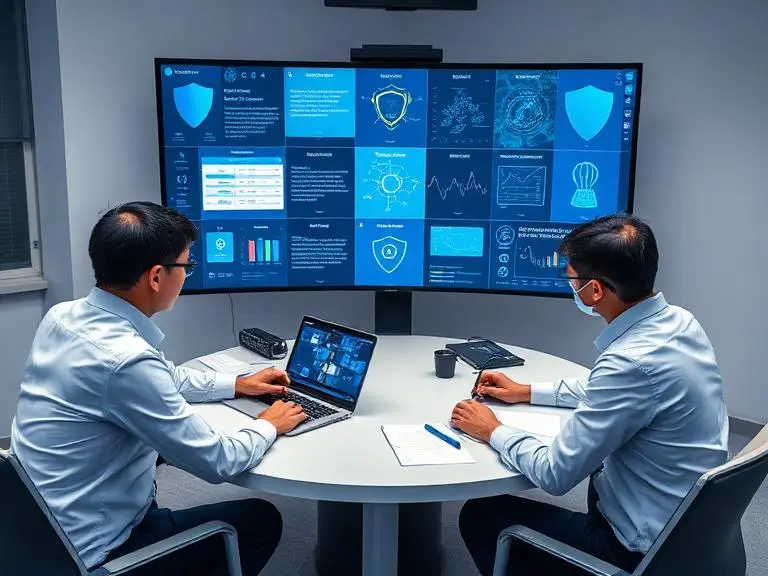
In the evolving landscape of internal auditing, virtual roundtables have emerged as a significant tool for enhancing collaboration and addressing critical issues, particularly in the realm of cybersecurity.
- Definition of Virtual Roundtables: Virtual roundtables are structured online discussions that bring together professionals from various sectors to share insights, experiences, and best practices. In the context of internal audits, these meetings facilitate dialogue among auditors, cybersecurity experts, and stakeholders, allowing for a comprehensive examination of audit processes and challenges in a digital format.
- Growing Trend of Remote Meetings: The shift towards remote work has accelerated the adoption of virtual meetings within the auditing profession. As organizations increasingly rely on technology to conduct audits, virtual roundtables have become a vital platform for auditors to connect, especially during times when in-person gatherings are impractical. This trend not only reflects the changing dynamics of the workplace but also underscores the necessity for auditors to adapt to new methods of communication and collaboration.
- Importance of Collaboration and Discussion: Collaboration is essential in the auditing process, as it fosters a shared understanding of risks and controls among team members. Virtual roundtables provide an opportunity for auditors to engage in meaningful discussions, exchange ideas, and collectively address cybersecurity threats. By leveraging the diverse perspectives of participants, these discussions can lead to more robust audit strategies and enhanced risk management practices.
Virtual roundtables represent a pivotal development in the internal auditing field, particularly as it relates to cybersecurity. They not only facilitate essential conversations but also empower auditors to navigate the complexities of a rapidly changing digital environment.
The Role of Cybersecurity in Virtual Roundtables
In the evolving landscape of internal auditing, virtual roundtables have become a vital platform for collaboration and discussion among cybersecurity professionals and internal auditors. However, the shift to virtual meetings brings with it a unique set of cybersecurity challenges that must be addressed to ensure the integrity and effectiveness of the audit process. Here are some key points to consider:
- Risks Associated with Virtual Meetings: Virtual meetings can expose organizations to various cybersecurity risks, including data breaches and unauthorized access. Cybercriminals often exploit vulnerabilities in video conferencing software and other online collaboration tools to gain access to sensitive information. This can lead to significant data leaks, compromising the confidentiality of audit findings and organizational data [1].
- Impact of Cyber Threats on the Integrity of Internal Audits: The integrity of internal audits can be severely undermined by cyber threats. If sensitive information discussed during virtual roundtables is intercepted or accessed by unauthorized individuals, it can lead to misinformation, misrepresentation of audit results, and ultimately, a loss of trust in the audit process. This highlights the need for robust cybersecurity measures to protect the integrity of the audit [2].
- Why Cybersecurity Should Be a Priority for Internal Auditors: Given the potential risks, cybersecurity must be a top priority for internal auditors during virtual roundtables. Implementing best practices such as using secure communication platforms, ensuring strong authentication methods, and regularly updating software can help mitigate risks. Additionally, auditors should be trained to recognize and respond to cybersecurity threats, ensuring that they can effectively safeguard sensitive information during discussions [3][4].
As virtual roundtables become increasingly common in the internal audit landscape, prioritizing cybersecurity is essential. By understanding the risks and implementing effective strategies, internal auditors can maintain the integrity of their audits and protect their organizations from potential cyber threats.
Best Practices for Ensuring Cybersecurity in Virtual Roundtables
As internal auditors increasingly conduct virtual roundtables, it is essential to prioritize cybersecurity to protect sensitive information and maintain the integrity of discussions. Here are some actionable strategies to enhance cybersecurity during these virtual meetings:
- Utilizing Secure Platforms with End-to-End Encryption: Choose virtual meeting platforms that offer robust security features, including end-to-end encryption. This ensures that only authorized participants can access the meeting content, safeguarding against unauthorized interception of data during transmission. Selecting platforms that are widely recognized for their security measures can significantly reduce the risk of breaches.
- Implementing Strong Password Policies and Two-Factor Authentication: Establishing strong password requirements is crucial for securing virtual meetings. Encourage participants to use complex passwords and change them regularly. Additionally, implementing two-factor authentication adds an extra layer of security, requiring users to verify their identity through a secondary method, such as a text message or authentication app, before accessing the meeting [2].
- Regularly Updating Software and Security Protocols: Keeping all software, including the virtual meeting platform and any associated applications, up to date is vital for cybersecurity. Regular updates often include patches for known vulnerabilities that cybercriminals may exploit. Internal auditors should also review and update their security protocols periodically to adapt to evolving threats [3].
- Educating Participants About Cybersecurity Awareness and Best Practices: Conducting training sessions on cybersecurity awareness for all participants can significantly enhance the security of virtual roundtables. Educate attendees about recognizing phishing attempts, the importance of not sharing meeting links publicly, and the need to report any suspicious activity. This proactive approach fosters a culture of security and vigilance among all participants [4].
By implementing these best practices, internal auditors can create a secure environment for virtual roundtables, ensuring that sensitive discussions remain confidential and protected from cyber threats.
Tools and Technologies for Secure Virtual Collaboration
In the realm of internal auditing, particularly when it intersects with cybersecurity, the need for secure virtual collaboration has never been more critical. As organizations increasingly rely on virtual roundtables to facilitate discussions among auditors and cybersecurity professionals, it is essential to leverage tools and technologies that ensure the confidentiality and integrity of sensitive information. Here are some key points to consider:
Overview of Popular Virtual Meeting Tools with Robust Security Features
- Zoom for Government: This version of Zoom is tailored for government agencies and offers enhanced security features, including end-to-end encryption, secure meeting IDs, and compliance with federal security standards. It is particularly useful for internal auditors who need to discuss sensitive audit findings securely.
- Microsoft Teams: Known for its integration with Office 365, Microsoft Teams provides a secure environment for collaboration. It includes features such as data encryption in transit and at rest, multi-factor authentication, and compliance with various regulatory standards, making it a suitable choice for internal audit discussions.
- Cisco Webex: Webex offers advanced security features, including end-to-end encryption, secure meeting controls, and the ability to lock meetings to prevent unauthorized access. Its focus on security makes it a reliable platform for internal auditors conducting virtual roundtables.
Advantages of Using Secure File-Sharing Services for Sensitive Documents
- Data Protection: Utilizing secure file-sharing services, such as Dropbox Business or Google Drive with enhanced security settings, allows internal auditors to share sensitive documents safely. These platforms often provide encryption, access controls, and audit trails, ensuring that only authorized personnel can access critical information.
- Version Control: Secure file-sharing services enable auditors to maintain version control of documents, which is essential for tracking changes and ensuring that all participants are working with the most current information during virtual discussions.
- Collaboration Features: Many secure file-sharing platforms offer collaborative features that allow multiple users to edit documents simultaneously while maintaining security protocols. This is particularly beneficial during virtual roundtables where real-time input is necessary.
Integrating Cybersecurity Tools for Monitoring and Risk Assessment During Meetings
- Real-Time Monitoring Tools: Integrating cybersecurity tools that provide real-time monitoring of virtual meetings can help internal auditors identify potential security threats. Tools that analyze network traffic and user behavior can alert participants to suspicious activities during discussions.
- Risk Assessment Frameworks: Implementing risk assessment frameworks during virtual roundtables can help auditors evaluate the security posture of the meeting environment. This includes assessing the security measures of the chosen platform, the participants’ access levels, and the overall risk associated with sharing sensitive information.
- Post-Meeting Security Reviews: Conducting security reviews after virtual roundtables can help internal auditors identify any vulnerabilities that may have arisen during the meeting. This practice not only enhances future meeting security but also fosters a culture of continuous improvement in cybersecurity practices.
By leveraging these tools and technologies, internal auditors can ensure that their virtual roundtables are not only productive but also secure, thereby safeguarding sensitive information and maintaining compliance with regulatory standards.
Analyzing Outcomes of Best Practices Implementation
The outcomes of implementing best practices in virtual roundtables have been overwhelmingly positive. Organizations that adopted comprehensive cybersecurity measures reported:
- Increased Trust: Stakeholders expressed greater confidence in the audit process, knowing that robust security protocols were in place. This trust is essential for the integrity of internal audits, particularly in sensitive sectors like finance and healthcare [1][5].
- Enhanced Efficiency: Virtual roundtables allowed for quicker decision-making and streamlined communication among auditors and cybersecurity professionals. The ability to connect experts from various locations without the constraints of travel led to more efficient audits [6].
- Improved Compliance: By adhering to established cybersecurity frameworks, organizations not only protected their data but also ensured compliance with regulatory requirements. This proactive stance helped mitigate potential legal risks associated with data breaches during audits [4][12].
The intersection of virtual meetings and cybersecurity in internal audits presents both challenges and opportunities. By examining successful case studies, internal auditors can glean valuable insights into effective practices that enhance security and efficiency in their virtual roundtables. As the landscape continues to evolve, these lessons will be instrumental in shaping the future of internal audits in a digital world.
Future Trends: The Evolution of Virtual Roundtables in Internal Auditing
As the landscape of internal auditing continues to evolve, virtual roundtables have emerged as a pivotal platform for collaboration among auditors, especially in the context of cybersecurity. Here are some key points to consider regarding the future of virtual meetings in auditing:
- Predictions for Future Collaboration: The shift towards remote work has fundamentally changed how internal auditors collaborate. It is anticipated that virtual roundtables will become increasingly sophisticated, leveraging advanced technologies to facilitate real-time discussions and decision-making. This evolution will likely include enhanced video conferencing tools that support larger groups and integrate seamlessly with audit management software, allowing for more dynamic interactions and information sharing among auditors across different regions and sectors [1].
- Role of Artificial Intelligence and Machine Learning: The integration of artificial intelligence (AI) and machine learning (ML) into virtual roundtables is expected to significantly enhance cybersecurity measures. These technologies can analyze vast amounts of data to identify potential threats and vulnerabilities in real-time, providing auditors with actionable insights during discussions. For instance, AI can assist in automating the identification of anomalies in financial data, which can then be addressed collaboratively in virtual settings. This not only improves the efficiency of audits but also strengthens the overall security posture of organizations.
- Challenges and Opportunities: While the transition to virtual roundtables presents numerous opportunities, it also comes with challenges. One major concern is the security of virtual platforms, as cyber threats continue to evolve. Internal auditors must remain vigilant about the risks associated with remote collaboration, including data breaches and unauthorized access to sensitive information. However, this challenge also presents an opportunity for auditors to advocate for and implement robust cybersecurity measures within their organizations. By fostering a culture of cybersecurity awareness and best practices during virtual meetings, auditors can play a crucial role in mitigating risks and enhancing the resilience of their organizations against cyber threats [2].
The future of virtual roundtables in internal auditing is poised for significant transformation, driven by technological advancements and the increasing importance of cybersecurity. By embracing these changes, internal auditors can enhance their collaborative efforts, improve audit outcomes, and better protect their organizations in an increasingly digital world.
Conclusion and Call to Action
In today’s rapidly evolving digital landscape, the significance of cybersecurity in virtual roundtables cannot be overstated. As organizations increasingly rely on remote meetings for internal audits, the potential risks associated with cyber threats have grown substantially. Internal auditors must recognize that the integrity of these discussions is paramount, as they often involve sensitive information and critical decision-making processes.
Key takeaways from our exploration of best practices for integrating cybersecurity into virtual roundtables include:
- Prioritize Security Protocols: Implementing robust security measures, such as end-to-end encryption and secure access controls, is essential to protect the confidentiality of discussions and data shared during virtual meetings. This proactive approach helps mitigate the risk of unauthorized access and data breaches.
- Educate and Train Participants: Ensuring that all participants are well-versed in cybersecurity best practices is crucial. Regular training sessions can empower auditors and stakeholders to recognize potential threats and respond effectively, fostering a culture of security awareness.
- Utilize Secure Platforms: Choosing reliable and secure virtual meeting platforms is vital. Auditors should evaluate the security features of these tools and select those that comply with industry standards and regulations.
- Document and Review: Maintaining thorough documentation of virtual roundtable discussions and decisions made can enhance accountability and provide a reference for future audits. Regular reviews of these practices can help identify areas for improvement.
As we conclude this discussion, we encourage internal auditors to adopt these best practices and remain vigilant in their cybersecurity efforts. The landscape of internal auditing is changing, and embracing these strategies will not only enhance the security of virtual roundtables but also strengthen the overall audit process.
We invite you to share your experiences and strategies with your peers in the auditing community. Engaging in dialogue about the challenges and successes faced in implementing cybersecurity measures during virtual meetings can foster collaboration and innovation. Together, we can build a more secure environment for internal audits and ensure that our organizations are well-prepared to face the evolving cyber threat landscape.
Find out more about Shaun Stoltz https://www.shaunstoltz.com/about/
This post was written by an AI and reviewed/edited by a human.