Introduction to Governance Management and Change Management
Effective governance and change management are critical components that significantly influence project success. Understanding these concepts and their interrelationship is essential for project and change managers aiming to navigate the complexities of modern projects.
Defining Governance Management in Project Management
Governance management refers to the framework of policies, processes, and structures that guide project execution and decision-making. It establishes the rules and responsibilities for project stakeholders, ensuring that projects align with organizational objectives and comply with regulatory requirements. Key aspects of governance management include:
- Accountability: Clearly defined roles and responsibilities help ensure that project stakeholders are accountable for their actions and decisions.
- Transparency: Governance frameworks promote transparency in decision-making processes, allowing stakeholders to understand how and why decisions are made.
- Risk Management: Effective governance includes mechanisms for identifying, assessing, and mitigating risks throughout the project lifecycle.
- Performance Monitoring: Governance structures facilitate the monitoring of project performance against established metrics, enabling timely interventions when necessary.
By implementing robust governance management practices, organizations can enhance project oversight, improve stakeholder engagement, and ultimately drive project success.
Defining Change Management and Its Importance in Project Success
Change management is the structured approach to transitioning individuals, teams, and organizations from a current state to a desired future state. It encompasses the processes, tools, and techniques used to manage the people side of change, ensuring that changes are implemented smoothly and effectively. The importance of change management in project success can be highlighted through several key points:
- Minimizing Resistance: Effective change management helps to address and reduce resistance from stakeholders, facilitating smoother transitions.
- Enhancing Adoption: By focusing on communication and training, change management increases the likelihood that stakeholders will adopt new processes or systems.
- Improving Outcomes: Projects that incorporate change management practices are more likely to meet their objectives, as they consider the human factors that influence project success.
- Sustaining Change: Change management ensures that new practices are not only implemented but also sustained over time, leading to long-term benefits for the organization.
The Relationship Between Governance and Change Management
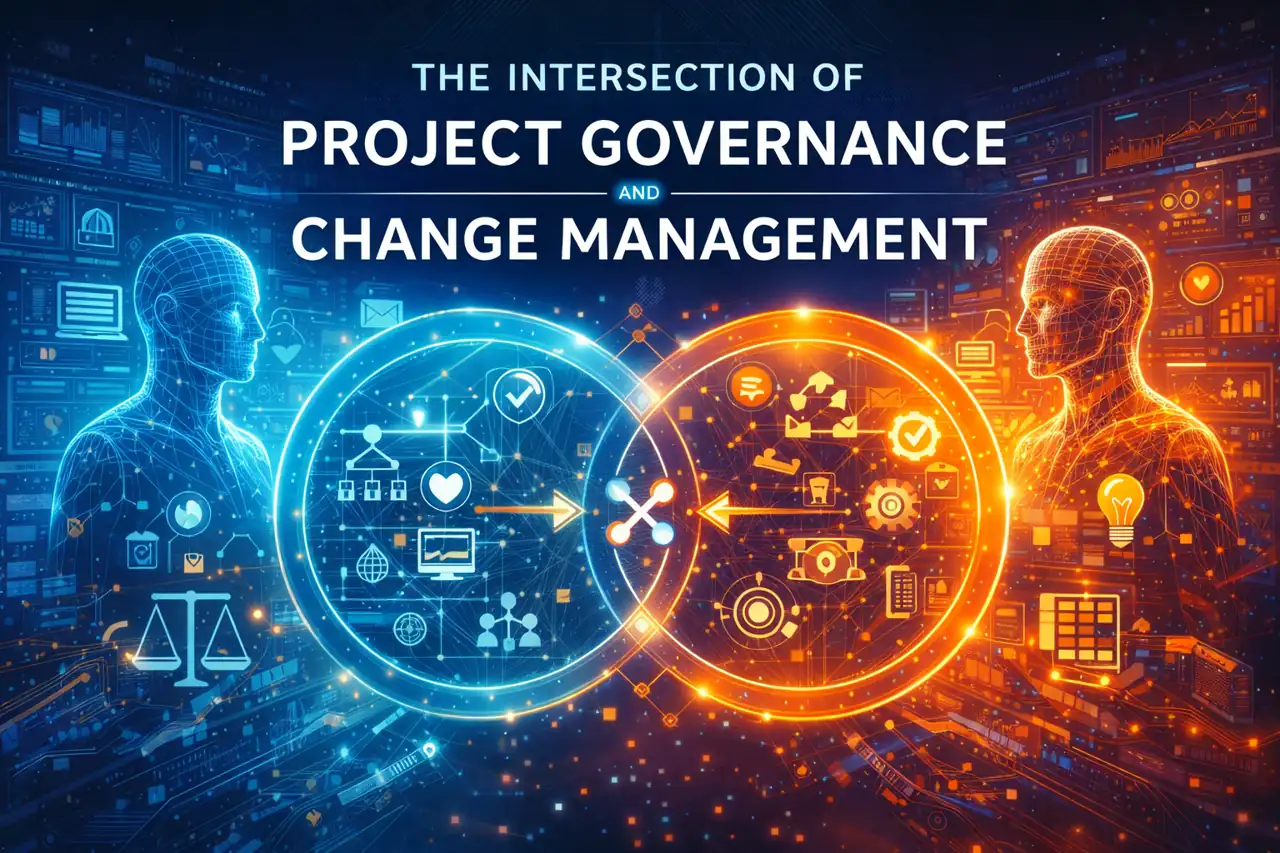
The intersection of governance management and change management is crucial for ensuring that projects are not only executed effectively but also adapt to the evolving needs of the organization. Governance frameworks can support effective change management in several ways:
- Alignment of Objectives: Governance structures help ensure that change initiatives align with organizational goals, providing a clear direction for project teams.
- Stakeholder Engagement: Governance management fosters stakeholder involvement, which is essential for successful change management. Engaged stakeholders are more likely to support and participate in change initiatives.
- Risk Mitigation: By integrating change management into governance frameworks, organizations can better identify and manage risks associated with change, leading to more resilient project outcomes.
- Performance Measurement: Governance frameworks can incorporate metrics for evaluating the success of change initiatives, allowing organizations to learn from past experiences and improve future projects.
Understanding governance management and change management, along with their interrelationship, is vital for project and change managers. By leveraging governance frameworks to support change initiatives, organizations can enhance their ability to navigate change effectively and achieve project success.
Understanding Governance Frameworks
Governance frameworks play a crucial role in ensuring that projects are executed effectively and align with organizational objectives. These frameworks provide structured approaches to decision-making, accountability, and stakeholder engagement, which are essential for managing change successfully. Below, we explore various governance frameworks, their key principles, and the importance of stakeholder engagement.
Types of Governance Frameworks
- PRINCE2 (Projects IN Controlled Environments):
- A structured project management method that emphasizes organization and control throughout the project lifecycle.
- It is based on seven principles, themes, and processes, ensuring that projects are well-defined and managed effectively.
- PRINCE2 is particularly beneficial for projects requiring a high level of control and documentation.
- PMBOK (Project Management Body of Knowledge):
- Developed by the Project Management Institute (PMI), PMBOK provides a comprehensive set of guidelines and best practices for project management.
- It outlines five process groups (initiating, planning, executing, monitoring and controlling, and closing) and ten knowledge areas, which help project managers navigate complex projects.
- PMBOK is widely recognized and used across various industries, making it a versatile framework.
- Agile:
- Agile is an iterative approach to project management that focuses on flexibility, collaboration, and customer satisfaction.
- It encourages adaptive planning and promotes rapid delivery of functional components, making it ideal for projects in dynamic environments.
- Agile frameworks, such as Scrum and Kanban, emphasize continuous improvement and stakeholder feedback, which are vital for effective change management.
Key Principles of Effective Governance Frameworks
- Clarity of Roles and Responsibilities: Effective governance frameworks clearly define the roles and responsibilities of all stakeholders involved in the project. This clarity helps prevent confusion and ensures accountability throughout the project lifecycle.
- Decision-Making Processes: Governance frameworks establish structured decision-making processes that facilitate timely and informed choices. This is particularly important during periods of change, where swift decisions can mitigate risks and capitalize on opportunities.
- Performance Monitoring and Reporting: Regular monitoring and reporting mechanisms are essential for tracking project progress and ensuring alignment with strategic goals. Effective governance frameworks incorporate performance metrics that provide insights into project health and stakeholder satisfaction.
- Risk Management: A robust governance framework includes risk management strategies that identify, assess, and mitigate potential risks. This proactive approach is crucial for navigating the uncertainties associated with change initiatives.
Importance of Stakeholder Engagement in Governance
Stakeholder engagement is a cornerstone of effective governance in project management. Engaging stakeholders throughout the project lifecycle fosters collaboration, builds trust, and enhances the likelihood of project success. Key aspects of stakeholder engagement include:
- Communication: Open and transparent communication channels ensure that stakeholders are informed about project developments, changes, and decisions. This transparency helps manage expectations and reduces resistance to change.
- Involvement in Decision-Making: Involving stakeholders in decision-making processes empowers them and encourages buy-in. When stakeholders feel their input is valued, they are more likely to support project initiatives and contribute to successful outcomes.
- Feedback Mechanisms: Establishing feedback mechanisms allows stakeholders to voice their concerns and suggestions. This feedback is invaluable for refining project strategies and addressing issues promptly, particularly during periods of change.
Governance frameworks are essential for effective project management, particularly in the context of change management. By understanding the various types of governance frameworks, their key principles, and the importance of stakeholder engagement, change managers and project managers can enhance their ability to navigate complex projects and drive successful change initiatives.
The Role of Governance in Change Management
The intersection of governance and change management is crucial for ensuring that change initiatives are executed effectively and sustainably. Governance frameworks provide the necessary structure and oversight that can significantly enhance change management practices. Here are some key points illustrating this relationship:
Clarity and Accountability
- Defined Roles and Responsibilities: Governance structures establish clear roles and responsibilities for all stakeholders involved in change initiatives. This clarity helps to ensure that everyone understands their contributions and the expectations placed upon them, which is vital for the success of any change effort. When team members know who is responsible for what, it reduces confusion and enhances collaboration.
- Decision-Making Processes: Effective governance frameworks outline decision-making processes that are transparent and inclusive. This transparency fosters accountability, as stakeholders can see how decisions are made and who is accountable for them. In change management, this is particularly important as it helps to build trust among team members and stakeholders, facilitating smoother transitions during periods of change.
Risk Management
- Identifying and Mitigating Risks: Governance plays a pivotal role in risk management by providing a systematic approach to identifying, assessing, and mitigating risks associated with change initiatives. A robust governance framework ensures that potential risks are evaluated early in the change process, allowing for proactive measures to be implemented. This foresight can prevent costly setbacks and enhance the overall resilience of the project.
- Monitoring and Reporting: Governance structures often include mechanisms for ongoing monitoring and reporting of risks throughout the change process. This continuous oversight allows project managers to adapt strategies as needed, ensuring that risks are managed effectively and that the change initiative remains on track. By integrating risk management into governance, organizations can better navigate the uncertainties that accompany change.
Compliance and Regulatory Considerations
- Adhering to Standards and Regulations: In many industries, compliance with legal and regulatory standards is non-negotiable. Governance frameworks help ensure that change management practices align with these requirements, reducing the risk of non-compliance. This is particularly important in sectors such as healthcare, finance, and construction, where regulatory oversight is stringent.
- Documentation and Audit Trails: Effective governance includes maintaining thorough documentation and audit trails of change management processes. This documentation not only supports compliance efforts but also provides valuable insights for future change initiatives. By having a clear record of decisions, actions, and outcomes, organizations can learn from past experiences and improve their change management practices over time.
Governance frameworks are essential for facilitating effective change management. By providing clarity and accountability, enhancing risk management, and ensuring compliance with regulatory standards, governance structures empower organizations to navigate change more successfully. For change managers and project managers alike, understanding and leveraging these governance principles can lead to more effective and sustainable change initiatives.
Best Practices for Integrating Governance and Change Management
The intersection of governance and change management is crucial for ensuring that projects not only meet their objectives but also adapt effectively to evolving circumstances. By aligning governance frameworks with change management processes, organizations can enhance their ability to manage change while maintaining oversight and accountability. Here are some actionable strategies for change managers and project managers to integrate these two critical areas effectively.
1. Align Governance Frameworks with Change Management Processes
- Define Clear Roles and Responsibilities: Establish a governance structure that clearly delineates the roles of change managers and project managers. This clarity helps in avoiding overlaps and ensures that both parties understand their contributions to the change process.
- Integrate Change Management into Governance Policies: Modify existing governance policies to include change management principles. This could involve incorporating change impact assessments into project approval processes, ensuring that potential changes are evaluated for their implications on project scope, timeline, and resources.
- Establish a Change Control Board (CCB): Form a CCB that includes representatives from both governance and change management teams. This board can oversee significant changes, ensuring that they align with project goals and governance standards.
2. Importance of Communication and Reporting Mechanisms
- Develop a Communication Plan: Create a comprehensive communication strategy that outlines how information regarding changes will be disseminated to stakeholders. This plan should specify the frequency, channels, and types of communication (e.g., updates, feedback sessions) to ensure transparency and engagement.
- Utilize Reporting Tools: Implement reporting mechanisms that provide real-time insights into the status of change initiatives. Regular reports can help stakeholders understand the impact of changes on project performance and governance compliance.
- Foster Open Dialogue: Encourage a culture of open communication where team members feel comfortable discussing potential changes and their implications. Regular meetings and feedback loops can facilitate this dialogue, allowing for timely adjustments to governance and change management strategies.
3. Tools and Techniques for Integration
- Dashboards: Utilize project management dashboards that integrate key performance indicators (KPIs) related to both governance and change management. Dashboards can provide a visual representation of project health, change impacts, and compliance with governance frameworks, enabling quick decision-making.
- Stakeholder Analysis: Conduct thorough stakeholder analysis to identify all parties affected by changes. Understanding stakeholder needs and concerns can help tailor governance processes to better support change initiatives, ensuring that all voices are heard and considered.
- Change Management Software: Leverage specialized change management tools that facilitate tracking, reporting, and managing change requests. These tools can integrate with project management software to provide a holistic view of project progress and governance adherence.
By implementing these best practices, change managers and project managers can create a cohesive approach that not only enhances project governance but also supports effective change management. This integration is essential for navigating the complexities of modern projects, ensuring that organizations remain agile and responsive to change while maintaining robust governance standards.
Challenges and Solutions in Governance and Change Management
The intersection of governance and change management is critical for ensuring that projects not only meet their objectives but also adapt effectively to evolving circumstances. However, organizations often face several challenges in aligning governance frameworks with change management processes. Below, we explore these challenges and propose actionable solutions to enhance integration.
Common Challenges
- Lack of Clarity in Roles and Responsibilities:
- One of the primary challenges is the ambiguity surrounding roles within governance and change management. When team members are unclear about their responsibilities, it can lead to confusion, delays, and ineffective decision-making.
- Resistance to Change:
- Change initiatives often encounter resistance from employees who may be comfortable with existing processes. This resistance can undermine governance efforts, as stakeholders may not fully engage with new frameworks or policies.
- Inadequate Communication:
- Effective governance relies on clear communication channels. However, organizations frequently struggle with disseminating information about governance policies and change initiatives, leading to misalignment and misunderstandings.
- Siloed Departments:
- Many organizations operate in silos, where different departments do not collaborate effectively. This lack of integration can hinder the alignment of governance and change management, resulting in fragmented efforts and inconsistent outcomes.
- Insufficient Training and Resources:
- Change management requires specific skills and knowledge. Organizations often fail to provide adequate training and resources, which can lead to ineffective implementation of governance frameworks.
Proposed Solutions and Strategies
- Define Clear Roles and Responsibilities:
- Establishing well-defined roles within governance and change management teams is essential. Organizations should create a RACI (Responsible, Accountable, Consulted, Informed) matrix to clarify who is responsible for what, ensuring accountability and streamlined decision-making.
- Foster a Culture of Change:
- To combat resistance, organizations should cultivate a culture that embraces change. This can be achieved through regular training sessions, workshops, and open forums where employees can express concerns and provide feedback on change initiatives.
- Enhance Communication Strategies:
- Implementing robust communication strategies is vital. Organizations should utilize multiple channels (e.g., newsletters, intranet updates, and team meetings) to keep all stakeholders informed about governance policies and change management processes. Regular updates can help maintain engagement and transparency.
- Encourage Cross-Department Collaboration:
- Breaking down silos is crucial for effective governance and change management. Organizations can promote collaboration through cross-functional teams, joint projects, and shared goals, ensuring that all departments work towards common objectives.
- Invest in Training and Development:
- Providing comprehensive training programs focused on governance and change management is essential. Organizations should invest in workshops, online courses, and mentorship opportunities to equip employees with the necessary skills to navigate both areas effectively.
Importance of Continuous Improvement
Continuous improvement is a cornerstone of effective governance and change management practices. Organizations should regularly assess their governance frameworks and change management processes to identify areas for enhancement. This can involve:
- Feedback Mechanisms: Establishing channels for feedback from stakeholders to understand the effectiveness of governance and change initiatives.
- Performance Metrics: Utilizing key performance indicators (KPIs) to measure the success of governance and change management efforts, allowing for data-driven adjustments.
- Agile Methodologies: Adopting agile practices can facilitate quicker responses to changes and improve the adaptability of governance frameworks.
By addressing these challenges and implementing the proposed solutions, organizations can create a more cohesive relationship between governance and change management, ultimately leading to more successful project outcomes.
Conclusion
The integration of governance frameworks with change management practices is not just beneficial; it is essential for achieving project success. Throughout this discussion, we have explored the symbiotic relationship between governance and change management, highlighting several key points:
- Relationship Between Governance Frameworks and Change Management: Governance frameworks provide a structured approach to decision-making, accountability, and risk management, which are critical during times of change. By establishing clear roles, responsibilities, and processes, these frameworks ensure that change initiatives are aligned with organizational objectives and stakeholder expectations. This alignment fosters a smoother transition and minimizes resistance, ultimately leading to more successful project outcomes.
- Adopting Best Practices: Project managers and change managers are encouraged to adopt best practices that leverage governance structures to enhance change management efforts. This includes regular stakeholder engagement, transparent communication, and the establishment of metrics to measure the impact of changes. By embedding governance principles into change management processes, organizations can create a culture that is more adaptable and responsive to change.
The intersection of project governance and change management is a powerful nexus that can drive organizational success. By recognizing the importance of this integration and committing to best practices, project and change managers can lead their teams through change with confidence and clarity.
Find out more about Shaun Stoltz https://www.shaunstoltz.com/about/.
This post was written by an AI and reviewed/edited by a human.