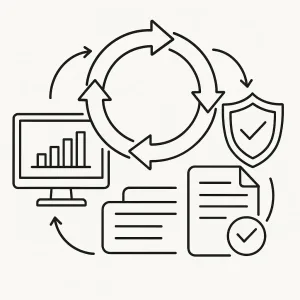
Introduction to Portfolio View in Project Management
The concept of a portfolio view has emerged as a critical framework for organizations aiming to optimize their project selection and execution processes. A portfolio view refers to the comprehensive oversight of all projects within an organization, allowing project managers and stakeholders to assess, prioritize, and align projects with strategic business objectives. This holistic perspective is essential for ensuring that resources are allocated efficiently and that projects contribute to the overall goals of the organization.
Significance of Portfolio View
The significance of a portfolio view in project management cannot be overstated. It provides several key benefits:
- Strategic Alignment: By viewing projects as part of a larger portfolio, organizations can ensure that each project aligns with their strategic goals. This alignment helps in prioritizing projects that offer the most value and impact.
- Resource Optimization: A portfolio view enables better resource allocation by identifying overlaps and dependencies among projects. This optimization minimizes waste and maximizes the use of available resources.
- Risk Management: Managing a portfolio allows organizations to assess risks across multiple projects rather than in isolation. This broader perspective helps in identifying potential issues early and developing strategies to mitigate them.
Traditional vs. Modern Approach to Portfolio Management
Traditionally, portfolio management has been characterized by a more siloed approach, where projects were managed independently with limited visibility into how they fit into the larger organizational strategy. This often led to inefficiencies, misalignment of resources, and missed opportunities for synergy among projects.
In contrast, the modern perspective on portfolio management emphasizes integration and collaboration. With the advent of digital tools and methodologies, project managers can now leverage data analytics, real-time reporting, and collaborative platforms to gain insights into project performance and alignment. This shift not only enhances decision-making but also fosters a culture of transparency and accountability within organizations.
Embracing Emerging Technologies
As we look to the future of project management, embracing emerging technologies is paramount for enhancing the portfolio view. Several trends are shaping this evolution:
- Artificial Intelligence (AI): AI can analyze vast amounts of data to provide predictive insights, helping project managers make informed decisions about project prioritization and resource allocation.
- Cloud Computing: Cloud-based project management tools facilitate real-time collaboration and data sharing, enabling teams to work together seamlessly, regardless of their physical location.
- Data Analytics: Advanced analytics tools allow organizations to track project performance metrics and assess the impact of projects on strategic goals, leading to more informed decision-making.
- Agile Methodologies: The adoption of agile practices encourages flexibility and responsiveness, allowing organizations to adapt their project portfolios in real-time based on changing market conditions and stakeholder feedback.
The portfolio view in project management is not just a trend; it is a fundamental shift towards a more strategic, integrated, and technology-driven approach. By understanding its significance and embracing emerging technologies, project management professionals can position their organizations for success in an increasingly complex and dynamic business environment.
The Evolution of Portfolio Management
Project management has undergone significant transformations over the years, particularly in portfolio management. This evolution reflects the changing needs of organizations and the advent of new technologies that enhance decision-making and strategic alignment. Here, we explore the historical methods of managing project portfolios, key milestones in their evolution, and the shift from reactive to proactive approaches.
Historical Methods of Managing Project Portfolios
- Traditional Approaches: In the early days of project management, portfolio management was largely a manual process. Organizations relied on spreadsheets and basic project management tools to track projects. This often led to inefficiencies, as data was siloed and difficult to analyze comprehensively.
- Waterfall Methodology: The adoption of the waterfall methodology in the late 20th century provided a structured approach to project management. However, it was often inflexible, making it challenging to adapt to changing project requirements or market conditions.
- Project Selection Criteria: Historically, project selection was based on simple criteria such as cost, time, and resource availability. This limited the ability to assess projects holistically and align them with strategic business goals.
Key Milestones in the Evolution of Portfolio Management
- Introduction of PMOs: The establishment of Project Management Offices (PMOs) in the 1990s marked a significant milestone. PMOs standardized project management practices and provided a centralized approach to portfolio management, enhancing visibility and control over projects.
- Emergence of Agile Practices: The rise of Agile methodologies in the early 2000s introduced flexibility and responsiveness into project management. This shift allowed organizations to manage portfolios more dynamically, adapting to changes in project scope and market demands.
- Integration of Technology: The advent of project management software and tools in the 2010s revolutionized portfolio management. These tools enabled real-time tracking, data analysis, and reporting, allowing project managers to make informed decisions based on comprehensive data insights.
Shift from Reactive to Proactive Portfolio Management Approaches
- Data-Driven Decision Making: The integration of advanced analytics and business intelligence tools has facilitated a shift towards data-driven decision-making in portfolio management. Project managers can now leverage data to predict project outcomes, assess risks, and allocate resources more effectively.
- Strategic Alignment: Modern portfolio management emphasizes aligning projects with organizational strategy. This proactive approach ensures that resources are allocated to projects that support long-term business goals, rather than merely responding to immediate needs.
- Continuous Improvement: The focus has shifted from merely completing projects to continuously improving processes and outcomes. Organizations are now adopting methodologies that promote learning and adaptation, ensuring that portfolio management evolves alongside changing business environments.
The evolution of portfolio management reflects a broader trend towards greater efficiency, strategic alignment, and adaptability. As emerging technologies continue to transform the field, project management professionals must embrace these changes to stay competitive and drive organizational success. The future of project management lies in leveraging these advancements to create a more proactive and integrated approach to portfolio management.
Emerging Technologies Transforming Portfolio Management
The adoption of innovative technologies is reshaping how professionals approach portfolio management. As organizations strive for efficiency and effectiveness, several key technologies are emerging as game-changers in this domain. Here’s a closer look at how these technologies are transforming portfolio management practices:
1. Artificial Intelligence (AI) and Machine Learning
- Automating Decision-Making: AI and machine learning algorithms are increasingly being integrated into project management tools, enabling automated decision-making processes. These technologies analyze vast amounts of data to provide insights that help project managers make informed choices quickly and efficiently.
- Predictive Analytics: By leveraging historical data, AI can forecast project outcomes, identify potential risks, and suggest mitigation strategies. This predictive capability allows project managers to proactively address issues before they escalate, ultimately leading to more successful project outcomes.
2. Data Visualization Tools
- Enhancing Data Interpretation: Data visualization tools are essential for transforming complex data sets into intuitive visual formats. These tools help project managers and stakeholders easily interpret project performance metrics, timelines, and resource allocations.
- Improving Project Tracking: With real-time dashboards and visual reports, project teams can monitor progress at a glance. This enhanced visibility facilitates better communication among team members and stakeholders, ensuring everyone is aligned with project goals.
3. Cloud-Based Project Management Software
- Facilitating Collaboration: Cloud-based solutions enable teams to collaborate seamlessly, regardless of their physical location. This flexibility is crucial in today’s remote work environment, allowing team members to access project information and updates from anywhere.
- Real-Time Updates: With cloud technology, project managers can provide real-time updates on project status, changes, and deadlines. This immediacy helps teams stay agile and responsive to shifting project demands, enhancing overall productivity.
4. Blockchain Technology
- Ensuring Transparency: Blockchain technology offers a decentralized and immutable ledger for project transactions, ensuring that all changes and updates are recorded transparently. This transparency builds trust among stakeholders and reduces the likelihood of disputes.
- Enhancing Security: The secure nature of blockchain technology protects sensitive project data from unauthorized access and tampering. This security is particularly important in industries where data integrity is paramount, such as finance and healthcare.
As project management continues to evolve, embracing these emerging technologies is essential for professionals looking to enhance their portfolio management practices. By leveraging AI, data visualization, cloud-based solutions, and blockchain technology, project managers can improve decision-making, foster collaboration, and ensure the successful delivery of projects. The future of project management is not just about managing tasks; it’s about harnessing technology to drive strategic outcomes and create value for organizations.
Benefits of Adopting a Portfolio View with Technology
Embracing a portfolio view is becoming increasingly essential. This approach not only enhances the management of individual projects but also aligns them with broader organizational goals. Leveraging emerging technologies can significantly amplify the benefits of adopting a portfolio view. Here are some key advantages:
- Improved Resource Allocation and Utilization: Technology enables project managers to gain a comprehensive overview of resource availability across multiple projects. By utilizing advanced analytics and resource management tools, organizations can optimize the allocation of human, financial, and material resources. This ensures that resources are utilized efficiently, reducing waste and enhancing productivity.
- Enhanced Risk Management with Data-Driven Insights: The integration of data analytics and machine learning into portfolio management allows for more effective risk assessment and mitigation. By analyzing historical data and current project metrics, organizations can identify potential risks early and develop strategies to address them proactively. This data-driven approach leads to more informed decision-making and minimizes the impact of unforeseen challenges.
- Increased Alignment of Projects with Organizational Strategy: A portfolio view facilitated by technology helps ensure that all projects are aligned with the strategic objectives of the organization. By using project management software that tracks project performance against strategic goals, organizations can prioritize initiatives that contribute most significantly to their mission. This alignment fosters a cohesive approach to project execution and enhances overall organizational effectiveness.
- Faster Decision-Making Processes through Real-Time Data Access: With the advent of cloud-based project management tools, stakeholders can access real-time data from anywhere, facilitating quicker decision-making. This immediacy allows project managers to respond to changes and challenges swiftly, ensuring that projects remain on track and aligned with strategic goals. The ability to make informed decisions in real-time is a game-changer in the fast-paced world of project management.
Adopting a portfolio view supported by emerging technologies not only streamlines project management processes but also enhances strategic alignment and resource efficiency. As project management professionals and tech enthusiasts explore these trends, the potential for improved outcomes and organizational success becomes increasingly evident. Embracing these advancements is not just a trend; it is a necessity for future-ready project management.
Challenges and Considerations in Implementing a Portfolio View
As project management continues to evolve with the integration of emerging technologies, adopting a portfolio view presents both opportunities and challenges. While the benefits of a comprehensive portfolio management approach are clear, project managers must navigate several hurdles to ensure successful implementation. Here are some key challenges and considerations:
- Resistance to Change: One of the most significant barriers to adopting a portfolio view is the resistance to change from team members and stakeholders. Many individuals are accustomed to traditional project management methods and may be hesitant to embrace new technologies. This resistance can stem from a fear of the unknown, concerns about job security, or simply a preference for familiar processes. To overcome this challenge, project managers should engage stakeholders early in the process, communicate the benefits of the portfolio view, and involve team members in the transition to foster a sense of ownership and acceptance.
- Integration with Existing Systems: Another critical consideration is the integration of new tools with existing project management systems. Many organizations have established workflows and software that may not easily align with new portfolio management solutions. This can lead to data silos, inefficiencies, and increased complexity. Project managers must carefully evaluate potential tools for compatibility with current systems and develop a clear integration strategy. This may involve customizing software, investing in middleware solutions, or even rethinking existing processes to ensure a seamless transition.
- Data Security and Privacy Concerns: As organizations increasingly turn to cloud-based solutions for portfolio management, data security and privacy become paramount concerns. Project managers must ensure that any new technology complies with relevant regulations and industry standards to protect sensitive information. This includes evaluating the security measures of cloud providers, understanding data ownership, and implementing robust access controls. Additionally, organizations should have a clear data governance policy in place to address potential risks associated with data breaches or unauthorized access.
- Training and Upskilling Teams: Finally, the successful implementation of a portfolio view requires a commitment to training and upskilling teams. New technologies often come with a learning curve, and project managers must ensure that their teams are equipped with the necessary skills to leverage these tools effectively. This may involve providing formal training sessions, creating user guides, or fostering a culture of continuous learning. By investing in team development, organizations can enhance their overall project management capabilities and maximize the benefits of a portfolio view.
While the transition to a portfolio view in project management offers significant advantages, it is essential to address the associated challenges proactively. By understanding and mitigating resistance to change, ensuring seamless integration, prioritizing data security, and committing to team training, project managers can successfully navigate the complexities of adopting new technologies and drive their organizations toward greater efficiency and success.
Future Trends in Portfolio Management
The concept of portfolio management is undergoing significant transformation. This section explores the emerging trends that are shaping the future of portfolio management, particularly through the lens of technology and changing work dynamics.
1. The Role of AI and Automation in Project Selection and Prioritization
Artificial Intelligence (AI) and automation are poised to revolutionize how project managers select and prioritize projects within their portfolios. By leveraging data analytics and machine learning algorithms, organizations can:
- Enhance Decision-Making: AI can analyze vast amounts of data to identify patterns and predict project success rates, enabling more informed decision-making.
- Streamline Processes: Automation can reduce the time spent on administrative tasks, allowing project managers to focus on strategic planning and execution.
- Dynamic Prioritization: AI tools can continuously assess project performance and market conditions, adjusting priorities in real-time to align with organizational goals.
These advancements not only improve efficiency but also enhance the accuracy of project selection, ensuring that resources are allocated to the most promising initiatives.
2. The Rise of Remote and Hybrid Project Teams
The shift towards remote and hybrid work environments has fundamentally changed how project teams operate. This trend impacts portfolio management in several ways:
- Diverse Talent Pools: Organizations can tap into a global talent pool, bringing together diverse skills and perspectives that can enhance project outcomes.
- Collaboration Tools: The adoption of advanced collaboration tools facilitates communication and coordination among team members, regardless of their physical location.
- Flexibility in Management: Portfolio managers must adapt to managing teams that may be dispersed across different time zones, requiring new strategies for engagement and oversight.
As remote work becomes more entrenched, portfolio management practices will need to evolve to accommodate these new team dynamics, ensuring that projects remain aligned with strategic objectives.
3. Emerging Methodologies Influencing Portfolio Management
The adoption of agile and lean methodologies is reshaping how organizations approach portfolio management. These methodologies emphasize:
- Iterative Development: Agile practices promote flexibility and responsiveness, allowing teams to adapt quickly to changing project requirements and market conditions.
- Value Stream Mapping: Lean principles focus on maximizing value while minimizing waste, encouraging project managers to prioritize initiatives that deliver the greatest impact.
- Cross-Functional Collaboration: Both methodologies foster collaboration across departments, breaking down silos and enhancing communication within project teams.
As these methodologies gain traction, portfolio managers will need to integrate their principles into traditional management practices, fostering a culture of continuous improvement and adaptability.
4. The Importance of Sustainability and Social Responsibility
In an increasingly conscious world, sustainability and social responsibility are becoming critical factors in project selection. Organizations are recognizing the need to align their portfolios with broader societal goals, which includes:
- Evaluating Environmental Impact: Projects that contribute to sustainability initiatives are prioritized, reflecting a commitment to reducing carbon footprints and promoting eco-friendly practices.
- Social Value Creation: There is a growing emphasis on projects that deliver social benefits, such as community development and social equity, which can enhance an organization’s reputation and stakeholder trust.
- Regulatory Compliance: As regulations around sustainability tighten, organizations must ensure that their project portfolios comply with legal and ethical standards, further influencing project selection.
By incorporating these values into portfolio management, organizations can not only achieve their strategic objectives but also contribute positively to society and the environment.
The future of portfolio management is being shaped by technological advancements, evolving work environments, and a heightened focus on sustainability. As project management professionals and tech enthusiasts navigate these changes, embracing these trends will be essential for driving successful project outcomes and ensuring that organizations remain competitive.
Conclusion: Embracing the Future of Portfolio Management
The significance of adopting a portfolio view cannot be overstated. This approach not only aligns projects with strategic objectives but also enhances decision-making and resource allocation across the organization. By maintaining a comprehensive perspective on all projects, organizations can ensure that they are not just executing tasks but are also driving towards their long-term goals.
In this era of rapid technological advancement, it is crucial for project management professionals to stay informed about emerging technologies that are reshaping the field. Innovations such as artificial intelligence, machine learning, and advanced data analytics are providing new tools for portfolio management, enabling professionals to gain deeper insights and make more informed decisions. These technologies facilitate real-time tracking of project performance, risk assessment, and resource optimization, ultimately leading to more successful project outcomes.
To thrive in this dynamic environment, project managers must embrace change and lead the transition towards a tech-enabled portfolio management approach. This involves not only adopting new tools and technologies but also fostering a culture of continuous learning and adaptation within their teams. By proactively engaging with these trends, project management professionals can position themselves as leaders in their field, driving their organizations towards greater efficiency and effectiveness.
The future of portfolio management is bright, filled with opportunities for those willing to adapt and innovate. By recognizing the importance of a portfolio view and staying abreast of technological advancements, project managers can ensure that they are not just participants in the evolution of their field but are at the forefront of shaping its future. Embrace the change, lead the way, and transform your approach to portfolio management for a more strategic and successful tomorrow.
Find out more about Shaun Stoltz https://www.shaunstoltz.com/about/.
This post was written by an AI and reviewed/edited by a human.