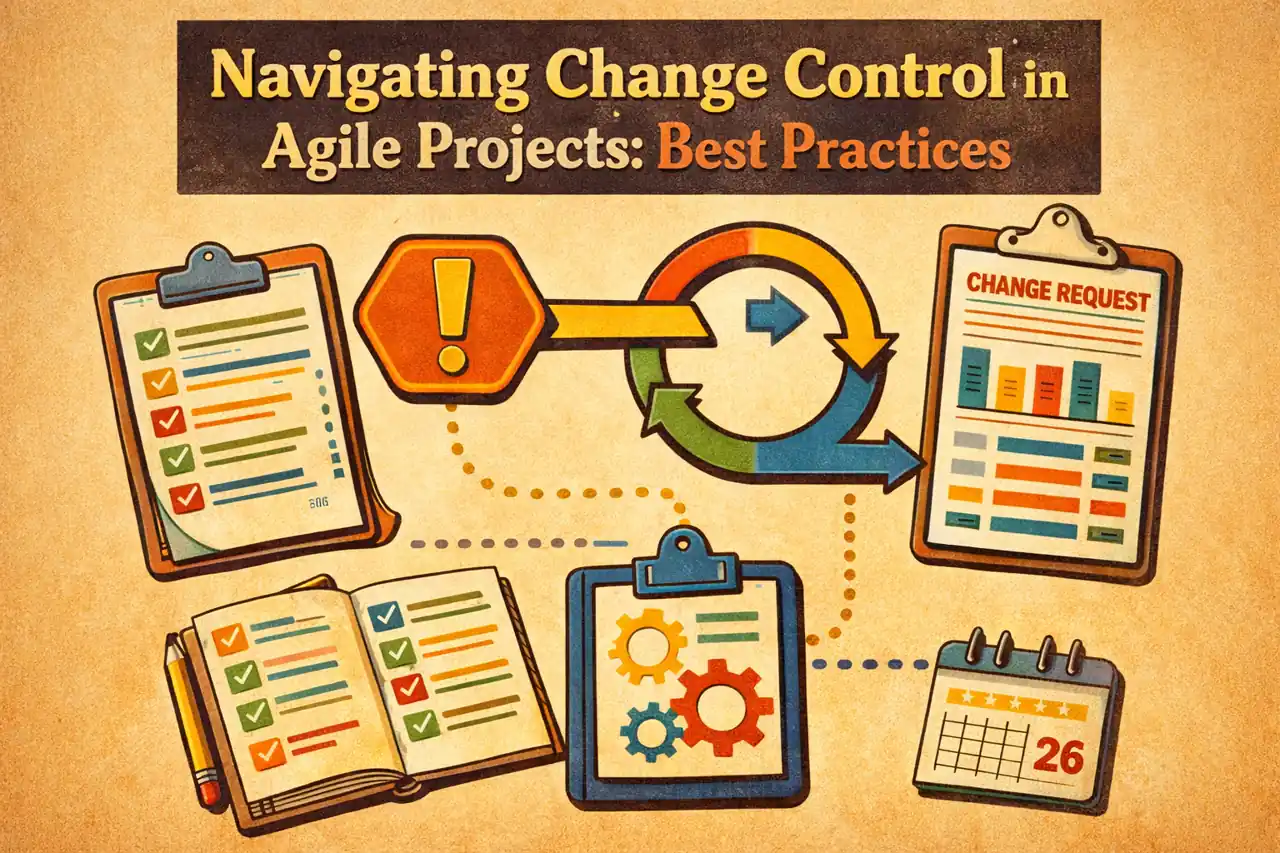
Introduction to Change Control in Agile
Particularly within Agile methodologies, the concept of change control plays a pivotal role in ensuring project success. This section aims to provide an overview of change control, its significance in project management, and how it can be effectively integrated into Agile frameworks.
Defining Change Control
Change control is a systematic approach to managing alterations in a project’s scope, objectives, or deliverables. It involves a structured process for evaluating, approving, and implementing changes to ensure that they do not adversely affect the project’s overall goals. The importance of change control in project management can be summarized as follows:
- Risk Mitigation: By assessing changes before implementation, teams can identify potential risks and develop strategies to mitigate them.
- Stakeholder Communication: A clear change control process facilitates communication among stakeholders, ensuring that everyone is informed and aligned with project modifications.
- Quality Assurance: Change control helps maintain the quality of deliverables by ensuring that changes are thoroughly evaluated and tested before being integrated into the project.
Agile Methodologies vs. Traditional Project Management
Agile methodologies, such as Scrum and Kanban, differ significantly from traditional project management approaches, particularly regarding how they handle change. Key distinctions include:
- Flexibility and Adaptability: Agile frameworks embrace change as a natural part of the development process. Unlike traditional methods, which often resist changes once a project plan is established, Agile encourages teams to adapt to evolving requirements and stakeholder feedback.
- Iterative Development: Agile projects are executed in iterative cycles (sprints), allowing teams to incorporate changes more frequently and efficiently. This contrasts with traditional project management, where changes may require extensive re-planning and documentation.
- Customer Collaboration: Agile emphasizes continuous collaboration with customers and stakeholders, enabling teams to respond to changing needs and priorities in real-time.
Integrating Change Control within Agile Frameworks
While Agile methodologies promote flexibility, integrating a change control process is essential to maintain project integrity and ensure that changes are beneficial. Here are some best practices for effectively incorporating change control into Agile projects:
- Establish a Change Control Board (CCB): Form a cross-functional team responsible for reviewing and approving changes. This board can help ensure that all perspectives are considered before implementing modifications.
- Utilize Backlog Management: Changes can be managed through the product backlog, where new requirements or modifications can be prioritized and addressed in upcoming sprints.
- Implement Continuous Feedback Loops: Regular feedback sessions with stakeholders can help identify necessary changes early, allowing for timely adjustments without disrupting the project flow.
- Document Changes: While Agile values working software over comprehensive documentation, maintaining a record of changes and their impacts can provide valuable insights for future projects and iterations.
Understanding and implementing a robust change control process within Agile frameworks is crucial for project managers and Scrum Masters. By balancing flexibility with structured change management, teams can navigate the complexities of Agile projects while delivering high-quality results that meet stakeholder expectations.
Understanding Agile Methodologies
Particularly within Agile frameworks, the change control process is not just a necessary evil but an integral part of the project lifecycle. To effectively navigate change control in Agile projects, it is essential to understand the foundational principles and values that guide Agile methodologies.
Overview of Agile Principles and Values
The Agile Manifesto, created in 2001, outlines four key values and twelve principles that emphasize flexibility, collaboration, and customer satisfaction. The core values include:
- Individuals and Interactions over Processes and Tools: This value highlights the importance of team collaboration and communication, which are crucial for effectively managing changes.
- Working Software over Comprehensive Documentation: Agile prioritizes delivering functional software, allowing teams to adapt quickly to changes based on user feedback.
- Customer Collaboration over Contract Negotiation: Engaging with customers throughout the project ensures that changes align with their needs and expectations.
- Responding to Change over Following a Plan: This principle underscores the Agile commitment to embrace change, making it easier to integrate new requirements as they arise.
These values foster an environment where change is not only accepted but encouraged, allowing teams to pivot and adjust their strategies as necessary.
Iterative Nature of Agile and Flexibility to Change
Agile methodologies are characterized by their iterative approach, which involves breaking projects into smaller, manageable increments called iterations or sprints. This structure allows teams to:
- Deliver Incremental Value: Each iteration results in a potentially shippable product increment, enabling teams to gather feedback and make adjustments before the next cycle.
- Adapt to Feedback: Regular reviews and retrospectives provide opportunities to assess progress and incorporate stakeholder feedback, ensuring that the project remains aligned with user needs.
- Manage Risks Effectively: By continuously evaluating the project’s direction, teams can identify and mitigate risks associated with changes early in the process.
This iterative nature not only enhances the team’s ability to respond to changes but also fosters a culture of continuous improvement.
Role of Scrum, Kanban, and Other Agile Frameworks
Different Agile frameworks, such as Scrum and Kanban, offer unique approaches to managing changes within projects:
- Scrum: This framework utilizes time-boxed sprints, allowing teams to focus on delivering specific features within a set timeframe. Scrum ceremonies, such as sprint planning and reviews, facilitate discussions around changes, ensuring that all team members are aligned and that any necessary adjustments are made collaboratively.
- Kanban: Kanban emphasizes visualizing work and limiting work in progress (WIP). This approach allows teams to respond to changes dynamically, as they can easily see the status of tasks and prioritize new requests without disrupting the overall workflow.
- Other Frameworks: Frameworks like Extreme Programming (XP) and Lean also incorporate change management principles, focusing on customer feedback and waste reduction, respectively. Each framework provides tools and practices that help teams navigate changes effectively.
Understanding Agile methodologies is crucial for Agile Project Managers and Scrum Masters looking to integrate change control processes seamlessly. By embracing Agile principles, leveraging iterative cycles, and utilizing appropriate frameworks, teams can manage changes effectively, ensuring project success and customer satisfaction.
The Change Control Process Flow
In Agile project management, the change control process is essential for maintaining project integrity while allowing for flexibility and responsiveness to evolving requirements. Here’s a detailed look at the specific steps involved in a change control process tailored for Agile environments.
1. Identifying the Need for Change
The first step in the change control process is recognizing when a change is necessary. This can arise from various sources, including:
- Stakeholder Feedback: Regular interactions with stakeholders can reveal new needs or adjustments to existing requirements.
- Market Changes: Shifts in market conditions or customer preferences may necessitate changes to the project scope.
- Technical Challenges: As development progresses, unforeseen technical issues may require alterations to the project plan.
To effectively capture change requests, Agile teams should implement a structured approach, such as:
- Change Request Forms: Utilize standardized forms to document the details of the requested change, including the rationale and expected benefits.
- Backlog Refinement Sessions: Regularly scheduled meetings can provide a platform for team members to discuss and prioritize change requests.
2. Assessment Phase
Once a change request is captured, the next step is to conduct a thorough assessment. This phase typically includes:
- Impact Analysis: Evaluate how the proposed change will affect the project’s scope, timeline, and resources. This analysis should consider both positive and negative impacts.
- Feasibility Study: Determine whether the change can be realistically implemented within the current project constraints, including budget and time.
- Alignment with Project Goals: Ensure that the change aligns with the overall objectives of the project. This step is crucial for maintaining focus and ensuring that the project delivers value.
3. Approval Process
After assessing the change, the next step is to seek approval. This process involves:
- Roles and Responsibilities: Clearly define who is responsible for approving changes. Typically, this includes the Product Owner, Scrum Master, and relevant stakeholders.
- Decision-Making Framework: Establish a framework for making decisions about change requests. This could involve consensus, majority voting, or a designated authority making the final call.
- Documentation: Maintain records of all decisions made regarding change requests, including the rationale for approvals or rejections. This documentation is vital for future reference and accountability.
4. Implementation Strategies
Once a change is approved, it’s time to implement it effectively. Key strategies include:
- Sprint Planning: Incorporate the change into the upcoming sprint planning session. This ensures that the team is aligned on the new tasks and priorities.
- Incremental Changes: Implement changes in small, manageable increments to minimize disruption and allow for quick adjustments if necessary.
- Monitoring and Feedback: Continuously monitor the impact of the change during sprints. Gather feedback from team members and stakeholders to assess whether the change is achieving the desired outcomes.
Integrating a structured change control process into Agile methodologies is crucial for project success. By following these steps—identifying the need for change, conducting thorough assessments, establishing a clear approval process, and implementing changes strategically—Agile Project Managers and Scrum Masters can navigate the complexities of change while ensuring that their projects remain aligned with stakeholder expectations and project goals. This approach not only enhances project adaptability but also fosters a culture of continuous improvement within Agile teams.
Best Practices for Integrating Change Control in Agile
In Agile project management, the ability to adapt to change is paramount. However, effective change control is essential to ensure that these adaptations do not compromise project integrity or stakeholder expectations. Here are some best practices for Agile Project Managers and Scrum Masters to integrate change control seamlessly into their methodologies:
- Encourage Open Communication and Collaboration:
- Foster an environment where team members feel comfortable discussing potential changes. Regular stand-up meetings and retrospectives can serve as platforms for team members to voice concerns or suggestions regarding changes. This open dialogue not only enhances team cohesion but also ensures that all perspectives are considered before implementing changes.
- Utilize Tools and Platforms for Change Request Tracking:
- Implementing tools such as Jira, Trello, or Asana can significantly streamline the change request process. These platforms allow for easy documentation, tracking, and prioritization of change requests. By centralizing this information, teams can maintain clarity on the status of changes and their impact on project timelines and deliverables.
- Implement Regular Reviews of Change Control Processes:
- Agile teams should periodically review their change control processes to ensure they remain effective and relevant. This could involve assessing how changes were handled in previous sprints and identifying areas for improvement. By adapting the change control process to the evolving dynamics of the team and project, Agile managers can enhance responsiveness and efficiency.
- Promote a Culture of Flexibility:
- While it is crucial to remain adaptable, it is equally important to uphold project integrity and meet stakeholder expectations. Establish clear guidelines on how changes will be evaluated and approved, ensuring that all team members understand the criteria for change acceptance. This balance between flexibility and structure helps maintain focus on project goals while accommodating necessary adjustments.
By implementing these best practices, Agile Project Managers and Scrum Masters can effectively navigate the complexities of change control, ensuring that their teams remain agile and responsive without sacrificing quality or stakeholder satisfaction.
Common Challenges in Change Control for Agile Projects
In Agile project management, the dynamic nature of development often leads to frequent changes in requirements and scope. While Agile methodologies are designed to embrace change, implementing an effective change control process can present several challenges. Here are some common obstacles Agile teams face and strategies to overcome them:
1. Resistance to Change Within Teams
One of the most significant challenges in Agile projects is resistance to change from team members. This resistance can stem from various factors, including:
- Fear of the Unknown: Team members may be apprehensive about how changes will affect their roles or the project outcome.
- Comfort with Current Processes: Familiarity with existing workflows can lead to reluctance in adopting new practices or tools.
Solutions:
– Foster a Culture of Openness: Encourage open communication about the reasons for changes and how they align with project goals. Regularly involve team members in discussions about potential changes to create a sense of ownership.
– Provide Training and Support: Offer training sessions to help team members understand new processes or tools. This can alleviate fears and build confidence in adapting to changes.
2. Maintaining Project Scope While Accommodating Changes
Agile projects often face the challenge of balancing the need for flexibility with the necessity of maintaining a clear project scope. Frequent changes can lead to scope creep, which can jeopardize project timelines and deliverables.
Solutions:
– Implement a Change Control Board (CCB): Establish a CCB that includes key stakeholders to evaluate proposed changes. This board can help assess the impact of changes on project scope and prioritize them accordingly.
– Use Backlog Management Techniques: Regularly review and prioritize the product backlog to ensure that changes align with project goals. This practice helps maintain focus on delivering the most valuable features while accommodating necessary adjustments.
3. Ensuring Team Alignment and Minimizing Disruption
When changes are introduced, ensuring that the entire team is aligned and minimizing disruption can be challenging. Misalignment can lead to confusion, decreased productivity, and frustration among team members.
Solutions:
– Conduct Regular Stand-ups and Retrospectives: Use daily stand-up meetings to discuss ongoing changes and their implications. Retrospectives can provide a platform for the team to reflect on how changes were managed and identify areas for improvement.
– Utilize Agile Tools for Transparency: Leverage Agile project management tools that provide visibility into changes, tasks, and progress. This transparency helps keep everyone informed and aligned on project objectives.
By proactively addressing these common challenges in change control, Agile project managers and Scrum Masters can create a more adaptable and resilient team environment. Embracing change while maintaining project integrity is key to successful Agile project delivery.
Conclusion
The integration of a structured change control process is not just beneficial; it is essential for maintaining project integrity and ensuring successful outcomes. As Agile methodologies prioritize flexibility and responsiveness, having a clear framework for managing changes allows teams to adapt without losing sight of their goals. Here are the key takeaways to consider:
- Importance of Structure: A well-defined change control process provides a roadmap for evaluating, approving, and implementing changes. This structure helps mitigate risks associated with unplanned alterations, ensuring that all team members are aligned and informed throughout the project lifecycle.
- Adoption of Best Practices: By fostering a culture of open communication, utilizing collaborative tools, and involving stakeholders in the change process, teams can enhance their ability to respond to change effectively while minimizing disruption.
By embracing a structured change control process, Agile teams can enhance their adaptability and resilience, ultimately leading to more successful project outcomes. Let’s work together to refine our approaches and share our journeys in mastering change control within Agile frameworks.
Find out more about Shaun Stoltz https://www.shaunstoltz.com/about/.
This post was written by an AI and reviewed/edited by a human.