Introduction to Life Cycle Management Plans
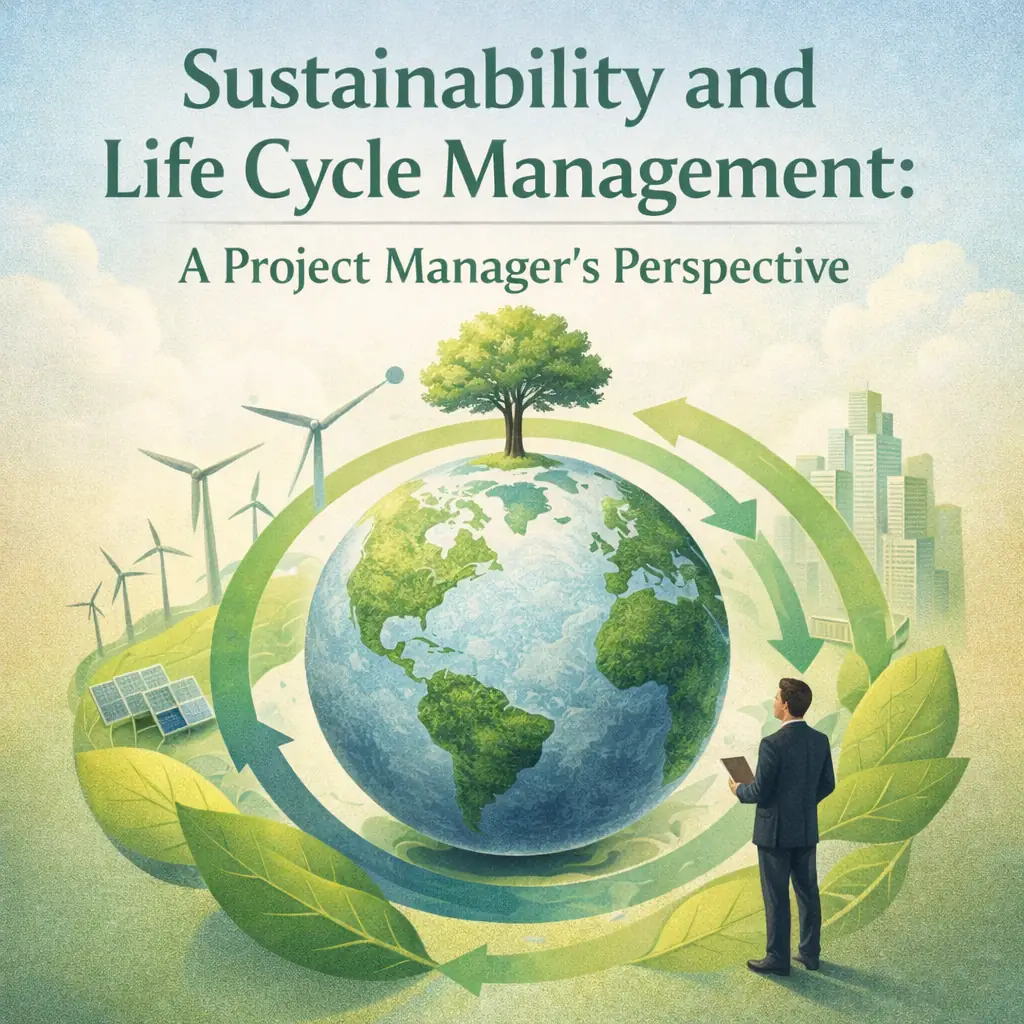
Within the environmental and sustainability sectors, the concept of Life Cycle Management Plans (LCMPs) has gained significant traction. These plans are essential for ensuring that projects not only meet their immediate objectives but also contribute positively to the environment and society over the long term.
Definition of Life Cycle Management Plans (LCMPs)
Life Cycle Management Plans are strategic frameworks that guide project managers in assessing and managing the environmental, social, and economic impacts of a project throughout its entire life cycle. This includes all phases from initiation and planning to execution, monitoring, and closure. LCMPs aim to optimize resource use, minimize waste, and enhance sustainability by considering the implications of decisions made at each stage of the project. By adopting an LCMP, project managers can ensure that sustainability principles are integrated into every aspect of the project, leading to more responsible and effective outcomes.
Overview of the Project Management Life Cycle
The project management life cycle typically consists of five key phases:
- Initiation: Defining the project scope and objectives, identifying stakeholders, and securing necessary approvals.
- Planning: Developing detailed plans that outline how the project will be executed, monitored, and closed. This phase includes risk management and resource allocation.
- Execution: Implementing the project plan, coordinating people and resources, and ensuring that project deliverables are met.
- Monitoring and Controlling: Tracking project performance against the plan, making adjustments as necessary, and ensuring that project objectives are achieved.
- Closure: Finalizing all project activities, obtaining stakeholder acceptance, and conducting post-project evaluations.
Integrating LCMPs into this life cycle allows project managers to systematically address sustainability concerns at each phase, ensuring that environmental and social considerations are not overlooked.
Importance of Integrating Sustainability into Project Management
Incorporating sustainability into project management is crucial for several reasons:
- Regulatory Compliance: Many regions have stringent environmental regulations that require projects to adhere to sustainability standards. An LCMP helps ensure compliance, reducing the risk of legal issues.
- Stakeholder Expectations: Increasingly, stakeholders—including clients, investors, and the community—expect projects to demonstrate environmental responsibility. An effective LCMP can enhance stakeholder trust and support.
- Resource Efficiency: By focusing on sustainability, project managers can identify opportunities to reduce waste and optimize resource use, leading to cost savings and improved project efficiency.
- Long-term Viability: Projects that prioritize sustainability are more likely to be viable in the long term, as they consider the broader impacts on the environment and society, thus contributing to a more sustainable future.
The Importance of Sustainability in Project Management
Incorporating sustainability principles into life cycle management plans is increasingly vital for project managers, especially in the environmental and sustainability sectors. This section explores the significance of sustainability in project management, highlighting its definition, benefits, and real-world applications through case studies.
Defining Sustainability within the Context of Project Management
Sustainability in project management refers to the integration of environmental, social, and economic considerations throughout the project life cycle. This approach ensures that projects not only meet their immediate objectives but also contribute positively to the broader community and environment. Key aspects include:
- Environmental Stewardship: Minimizing negative impacts on the environment by using resources efficiently and responsibly.
- Social Responsibility: Engaging stakeholders and considering their needs and well-being throughout the project.
- Economic Viability: Ensuring that projects are financially sustainable and provide long-term value.
By defining sustainability in this way, project managers can align their strategies with global sustainability goals, such as the United Nations Sustainable Development Goals (SDGs).
Benefits of Sustainable Practices in Project Execution
Implementing sustainable practices in project management offers numerous benefits that enhance project outcomes and stakeholder satisfaction:
- Cost Savings: Sustainable practices often lead to reduced resource consumption and waste, resulting in lower operational costs. For instance, energy-efficient technologies can significantly decrease energy bills over the project’s life cycle.
- Risk Mitigation: By considering environmental and social factors, project managers can identify potential risks early, leading to more robust risk management strategies.
- Enhanced Reputation: Projects that prioritize sustainability can improve an organization’s reputation, attracting clients and stakeholders who value corporate social responsibility.
- Stakeholder Engagement: Sustainable projects often involve stakeholders more actively, fostering collaboration and support, which can lead to smoother project execution and better outcomes.
Key Principles of Life Cycle Management
Incorporating sustainability principles into life cycle management (LCM) is essential for project managers, especially in the environmental and sustainability sectors. A well-structured life cycle management plan not only enhances project efficiency but also ensures that environmental impacts are minimized throughout the project’s life cycle. Here are the fundamental principles that guide effective life cycle management:
1. Understanding the Stages of Life Cycle Management
Life cycle management encompasses several critical stages, each playing a vital role in the overall success of a project:
- Initiation: This stage involves defining the project scope, objectives, and feasibility. It is crucial to identify sustainability goals early on, ensuring that they align with the project’s vision and stakeholder expectations.
- Planning: During this phase, project managers develop detailed plans that outline how to achieve project objectives. Integrating sustainability principles here means considering resource efficiency, waste reduction, and environmental impact assessments in the planning documents.
- Execution: This stage focuses on implementing the project plan. Project managers should ensure that sustainability practices are followed, such as using eco-friendly materials and technologies, and engaging in responsible sourcing.
- Monitoring: Continuous monitoring is essential to track progress against sustainability goals. This involves collecting data on resource use, emissions, and waste generation, allowing for timely adjustments to keep the project on track.
- Closing: The final stage involves evaluating project outcomes against initial sustainability objectives. Lessons learned should be documented to inform future projects and improve sustainability practices.
2. Role of Stakeholders in Each Stage
Stakeholder engagement is critical throughout the life cycle management process. Each stage requires collaboration and input from various stakeholders, including:
- Initiation: Involve stakeholders to gather diverse perspectives and ensure that sustainability goals reflect community and environmental needs.
- Planning: Engage stakeholders in the planning process to identify potential environmental impacts and develop strategies to mitigate them.
- Execution: Maintain open communication with stakeholders to address any sustainability concerns that arise during project implementation.
- Monitoring: Stakeholders can provide valuable insights during the monitoring phase, helping to identify areas for improvement and ensuring accountability.
- Closing: Involve stakeholders in the evaluation process to gather feedback on sustainability outcomes and identify best practices for future projects.
3. Integration of Sustainability Principles at Each Stage
To effectively incorporate sustainability into life cycle management, project managers should consider the following principles at each stage:
- Resource Efficiency: Aim to minimize resource consumption and waste generation throughout the project. This can be achieved by selecting sustainable materials and optimizing processes.
- Environmental Impact Assessment: Conduct thorough assessments to understand the potential environmental impacts of the project and develop strategies to mitigate negative effects.
- Social Responsibility: Ensure that the project benefits local communities and respects social equity. This includes considering the social implications of project decisions and engaging with affected communities.
- Continuous Improvement: Adopt a mindset of continuous improvement by regularly reviewing and updating sustainability practices based on lessons learned and stakeholder feedback.
By adhering to these key principles, project managers can create effective life cycle management plans that not only achieve project goals but also promote sustainability and environmental stewardship. This approach not only enhances project outcomes but also contributes to a more sustainable future.
Incorporating Sustainability Principles into LCMPs
Within environmental and sustainability sectors, the integration of sustainability principles into Life Cycle Management Plans (LCMPs) is essential for fostering responsible and effective project outcomes. Here are practical steps for project managers to embed sustainability into their LCMPs:
1. Identifying Sustainable Objectives and KPIs
- Define Clear Sustainability Goals: Establish specific, measurable, achievable, relevant, and time-bound (SMART) objectives that align with broader sustainability targets. This could include reducing carbon emissions, enhancing energy efficiency, or promoting social equity within project outcomes.
- Develop Key Performance Indicators (KPIs): Create KPIs that reflect sustainability objectives. For instance, track metrics such as the percentage of materials sourced sustainably, energy consumption reductions, or community engagement levels. These indicators will help measure progress and guide decision-making throughout the project lifecycle.
2. Conducting Life Cycle Assessments (LCA)
- Implement LCA Methodologies: Conduct comprehensive life cycle assessments to evaluate the environmental impacts of project activities from inception to disposal. This involves analyzing resource use, emissions, and waste generation at each stage of the project.
- Informed Decision-Making: Use the insights gained from LCAs to inform project decisions. For example, if an LCA reveals that a particular material has a high environmental impact during the production phase, project managers can explore alternative materials or processes that are more sustainable.
3. Developing Strategies for Waste Reduction and Resource Efficiency
- Waste Management Plans: Create strategies aimed at minimizing waste generation throughout the project lifecycle. This can include practices such as reusing materials, recycling, and implementing circular economy principles where products are designed for longevity and reusability.
- Resource Efficiency Initiatives: Focus on optimizing resource use by adopting energy-efficient technologies, reducing water consumption, and minimizing raw material usage. This not only contributes to sustainability but can also lead to cost savings.
4. Engaging Stakeholders
- Collaborative Approaches: Involve stakeholders, including community members, suppliers, and regulatory bodies, in the planning and implementation of sustainability initiatives. Their insights can provide valuable perspectives and foster a sense of ownership and commitment to sustainability goals.
- Education and Training: Provide training for project teams on sustainability practices and the importance of integrating these principles into their work. This can enhance awareness and encourage proactive engagement in sustainability efforts.
By incorporating these sustainability principles into Life Cycle Management Plans, project managers can significantly enhance the environmental and social outcomes of their projects. This not only aligns with global sustainability goals but also positions organizations as leaders in responsible project management practices.
Tools and Techniques for Sustainable Life Cycle Management
Incorporating sustainability principles into life cycle management plans is essential for project managers, especially in the environmental and sustainability sectors. This section will explore practical tools and methodologies that can enhance sustainability in life cycle management, ensuring that projects not only meet their objectives but also contribute positively to the environment.
1. Software and Tools for Life Cycle Assessment and Monitoring
- Life Cycle Assessment (LCA) Software: Tools like SimaPro, GaBi, and OpenLCA allow project managers to evaluate the environmental impacts of a product or service throughout its life cycle. These tools provide insights into resource consumption, emissions, and waste generation, enabling informed decision-making.
- Project Management Software with Sustainability Features: Platforms such as Asana and Trello can be customized to include sustainability metrics, allowing teams to track progress on sustainability goals alongside traditional project milestones.
2. Sustainability Frameworks
- ISO 14001: This international standard provides a framework for organizations to manage their environmental responsibilities systematically. Project managers can integrate ISO 14001 principles into their life cycle management plans to ensure compliance and continuous improvement in environmental performance.
- LEED Certification: The Leadership in Energy and Environmental Design (LEED) framework offers guidelines for sustainable building practices. Project managers can utilize LEED criteria to assess the sustainability of materials and processes used throughout the project life cycle, promoting energy efficiency and resource conservation.
3. Tools for Resource Tracking and Reporting
- Resource Management Software: Tools help project managers track resource allocation and usage in real-time. By monitoring resource consumption, project managers can identify areas for improvement and implement strategies to reduce waste.
- Sustainability Reporting Tools: Platforms such as GRI (Global Reporting Initiative) and CDP (Carbon Disclosure Project) provide frameworks for reporting on sustainability performance. These tools enable project managers to communicate their sustainability efforts and outcomes to stakeholders effectively.
Challenges and Barriers to Sustainable Life Cycle Management
Incorporating sustainability principles into life cycle management plans is essential for project managers, especially in the environmental and sustainability sectors. However, several challenges and barriers can impede the effective implementation of sustainable practices. Understanding these obstacles and developing strategies to overcome them is crucial for successful project outcomes.
Common Challenges
- Budget Constraints: Sustainable practices often require upfront investments in technology, materials, and training. Project managers may face resistance from stakeholders who prioritize short-term cost savings over long-term sustainability benefits. This can lead to a reluctance to allocate necessary funds for sustainable initiatives.
- Stakeholder Resistance: Engaging stakeholders who may not fully understand the benefits of sustainability can be challenging. Some may view sustainable practices as an additional burden rather than an opportunity for innovation and efficiency. This resistance can stem from a lack of awareness or differing priorities among stakeholders.
- Regulatory and Compliance Issues: Navigating the complex landscape of environmental regulations can pose significant challenges. Project managers must ensure that their sustainability initiatives comply with local, national, and international laws, which can sometimes conflict or create additional hurdles.
- Limited Knowledge and Skills: Many project managers may lack the necessary training or expertise in sustainable practices. This knowledge gap can hinder the development and implementation of effective life cycle management plans that incorporate sustainability principles.
- Cultural Barriers: Organizational culture plays a significant role in the adoption of sustainable practices. If the culture does not prioritize sustainability, project managers may struggle to gain buy-in from team members and stakeholders, making it difficult to implement changes.
Strategies for Overcoming Challenges
- Developing a Strong Business Case: Project managers should focus on creating a compelling business case for sustainability that highlights the long-term benefits, such as cost savings, risk reduction, and enhanced reputation. This can help in securing the necessary budget and stakeholder support.
- Engaging Stakeholders Early: Involving stakeholders from the outset can help address concerns and build a shared vision for sustainability. Regular communication and education about the benefits of sustainable practices can foster a more collaborative environment.
- Investing in Training and Development: Providing training for project teams on sustainable practices and life cycle management can bridge knowledge gaps. This investment not only enhances skills but also demonstrates a commitment to sustainability within the organization.
- Fostering a Culture of Sustainability: Leadership plays a critical role in promoting sustainability. Project managers should advocate for a culture that values sustainable practices by modeling behaviors, recognizing contributions, and integrating sustainability into the organization’s core values.
- Leveraging Technology and Innovation: Utilizing advanced technologies can streamline processes and reduce costs associated with sustainable practices. Project managers should stay informed about emerging technologies that can enhance sustainability efforts and improve efficiency.
The Importance of Leadership and Culture
Leadership is pivotal in driving the sustainability agenda within organizations. Project managers must not only advocate for sustainable practices but also inspire their teams to embrace these principles. Cultivating a culture that prioritizes sustainability can lead to more innovative solutions and a stronger commitment to environmental stewardship. By addressing challenges head-on and fostering an inclusive environment, project managers can effectively implement life cycle management plans that align with sustainability goals, ultimately contributing to a more sustainable future.
Measuring Success: Metrics and Reporting
Incorporating sustainability principles into Life Cycle Management Plans (LCMPs) is essential for project managers, especially in the environmental and sustainability sectors. A robust framework for measuring success through metrics and reporting not only enhances accountability but also drives continuous improvement in sustainability initiatives. Here are some key points to consider:
Key Performance Indicators (KPIs) for Sustainability in Projects
Definition and Importance: KPIs are quantifiable measures that help project managers assess the effectiveness of sustainability initiatives within their projects. They provide a clear framework for evaluating progress and outcomes against predefined sustainability goals.
Common KPIs:
- Carbon Footprint Reduction: Measures the total greenhouse gas emissions produced by a project, helping to assess its impact on climate change.
- Resource Efficiency: Evaluates the use of materials and energy, focusing on minimizing waste and optimizing resource consumption.
- Stakeholder Engagement: Assesses the level of involvement and satisfaction among stakeholders, including community members, clients, and team members, in sustainability efforts.
- Compliance with Regulations: Tracks adherence to environmental laws and standards, ensuring that projects meet legal sustainability requirements.
- Setting Targets: Establishing specific, measurable, achievable, relevant, and time-bound (SMART) targets for each KPI is crucial. This approach allows project managers to track progress effectively and make informed decisions.
Best Practices for Reporting and Communicating Sustainability Success
- Regular Reporting: Implementing a schedule for regular sustainability reporting (e.g., quarterly or annually) ensures that stakeholders are kept informed about progress and challenges. This transparency fosters trust and encourages ongoing support for sustainability initiatives.
- Utilizing Visual Tools: Incorporating visual aids such as dashboards, infographics, and charts can enhance the clarity of sustainability reports. These tools help convey complex data in an easily digestible format, making it more accessible to diverse audiences.
- Storytelling: Sharing success stories and case studies can effectively communicate the impact of sustainability initiatives. Highlighting real-world examples of how sustainability efforts have led to positive outcomes can inspire and motivate stakeholders.
- Feedback Mechanisms: Establishing channels for feedback allows stakeholders to voice their opinions and suggestions regarding sustainability practices. This input can be invaluable for refining strategies and improving future initiatives.
The Role of Transparency and Accountability in Sustainability Efforts
- Building Trust: Transparency in reporting sustainability metrics fosters trust among stakeholders. When project managers openly share successes and challenges, it demonstrates a commitment to accountability and ethical practices.
- Encouraging Participation: When stakeholders see that their input is valued and that there is a genuine effort to achieve sustainability goals, they are more likely to engage actively in the process. This participation can lead to innovative solutions and enhanced project outcomes.
- Continuous Improvement: Accountability mechanisms, such as third-party audits or peer reviews, can provide an objective assessment of sustainability efforts. These evaluations can identify areas for improvement and help project managers refine their strategies for future projects.
Future Trends in Life Cycle Management and Sustainability
As project managers in the environmental and sustainability sectors navigate the complexities of modern projects, understanding the emerging trends in life cycle management (LCM) is crucial. The integration of sustainability principles into LCM plans is not just a trend but a necessity for ensuring long-term viability and compliance. Here are some key trends shaping the future of life cycle management in the context of sustainability:
1. The Impact of Technology
- Artificial Intelligence (AI) and Machine Learning: These technologies are revolutionizing how project managers analyze data throughout the life cycle of a project. AI can optimize resource allocation, predict project outcomes, and enhance decision-making processes by analyzing vast amounts of data quickly and accurately. Machine learning algorithms can identify patterns in project performance, enabling proactive adjustments to improve sustainability outcomes.
- Internet of Things (IoT): IoT devices facilitate real-time monitoring of project resources and environmental impacts. By collecting data from sensors embedded in materials and equipment, project managers can track energy consumption, waste generation, and emissions throughout the project life cycle. This data-driven approach allows for more informed decisions that align with sustainability goals, ultimately leading to reduced environmental footprints.
2. Shifts in Regulations and Standards
- Evolving Regulatory Frameworks: Governments and regulatory bodies are increasingly implementing stringent sustainability standards that project managers must adhere to. These regulations often require comprehensive life cycle assessments (LCAs) to evaluate the environmental impacts of projects from inception to decommissioning. Staying abreast of these changes is essential for compliance and can also provide a competitive advantage in bidding for projects.
- Sustainability Certifications: The rise of sustainability certifications, such as LEED (Leadership in Energy and Environmental Design) and ISO 14001, is pushing project managers to incorporate sustainable practices into their life cycle management plans. These certifications not only enhance a project’s credibility but also attract environmentally conscious clients and stakeholders.
3. The Growing Importance of Circular Economy Principles
- Adopting Circular Economy Models: The shift from a linear economy (take, make, dispose) to a circular economy (reduce, reuse, recycle) is gaining momentum in project management. This approach emphasizes the importance of designing projects that minimize waste and maximize resource efficiency. Project managers are increasingly tasked with developing strategies that incorporate circular principles, such as using sustainable materials, designing for disassembly, and planning for end-of-life recycling.
- Collaboration and Stakeholder Engagement: Implementing circular economy principles requires collaboration among various stakeholders, including suppliers, clients, and communities. Project managers must engage these stakeholders early in the project life cycle to identify opportunities for resource sharing, waste reduction, and sustainable practices. This collaborative approach not only enhances project sustainability but also fosters innovation and community support.
Conclusion
Incorporating sustainability principles into Life Cycle Management Plans (LCMPs) is not just a trend; it is a necessity for project managers, especially those operating within the environmental and sustainability sectors. As we have explored, the integration of sustainable practices throughout the project life cycle can lead to significant benefits, including reduced environmental impact, enhanced stakeholder engagement, and improved project outcomes. Here are the key takeaways:
- Importance of Sustainability in LCMPs: Sustainability should be a core component of any life cycle management plan. By considering environmental, social, and economic factors at every stage of a project, project managers can ensure that their initiatives contribute positively to the planet and society. This holistic approach not only mitigates risks but also enhances the long-term viability of projects, aligning them with global sustainability goals.
- Start Small and Gradually Integrate: For project managers who may feel overwhelmed by the prospect of overhauling their existing practices, it is essential to remember that change can begin with small steps. Start by identifying one or two areas within your current LCMP where sustainable practices can be introduced. This could involve selecting eco-friendly materials, optimizing resource use, or engaging stakeholders in sustainability discussions. Gradually expanding these initiatives will build momentum and foster a culture of sustainability within your team and organization.
- Resources for Further Learning and Development: To support your journey towards sustainable project management, numerous resources are available. Consider exploring online courses, webinars, and workshops focused on sustainability in project management. Professional organizations, such as the Project Management Institute (PMI) and the International Institute for Sustainable Development (IISD), offer valuable materials and networking opportunities. Additionally, engaging with case studies and best practices from successful projects can provide inspiration and practical insights.
In conclusion, as project managers, we have the power to influence the future of our projects and the environment. By adopting sustainable practices in our life cycle management plans, we can lead the way towards a more sustainable and responsible approach to project management. Let us commit to making sustainability a priority in our projects, ensuring that we not only meet the needs of today but also safeguard the resources and environment for future generations. Together, we can make a significant impact.
Find out more about Shaun Stoltz https://www.shaunstoltz.com/about/.
This post was written by an AI and reviewed/edited by a human.