Introduction to Governance in Project Portfolio Management
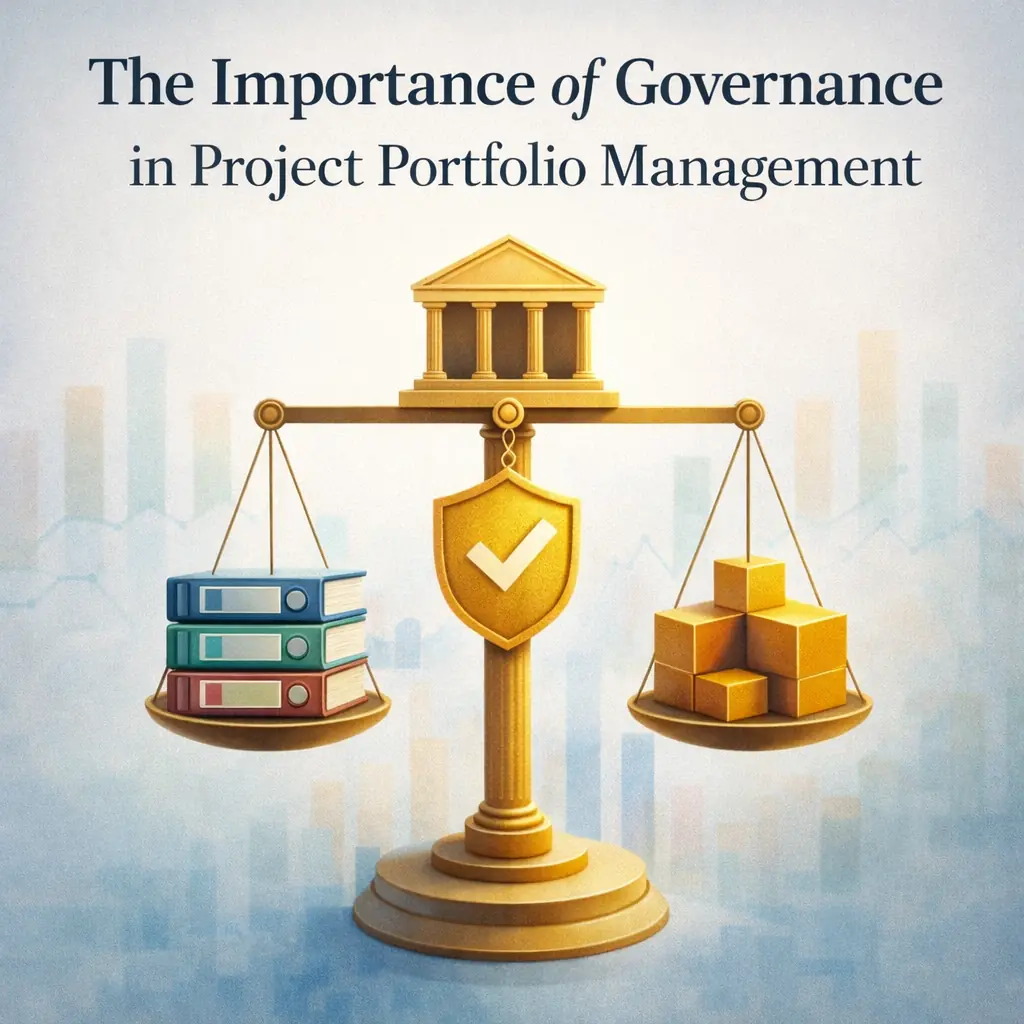
Governance plays a pivotal role in steering projects toward success and ensuring that they align with the broader objectives of the organization. Governance, in this context, refers to the framework of policies, procedures, and practices that guide project decision-making and execution. It encompasses the structures and processes that ensure accountability, transparency, and effective management of resources throughout the project lifecycle.
Defining Governance in Project Management
Governance in project management can be defined as the system by which projects are directed and controlled. It involves establishing clear roles and responsibilities, decision-making processes, and performance monitoring mechanisms. Effective governance ensures that projects are not only executed efficiently but also adhere to the strategic goals of the organization. This includes setting up a governance structure that facilitates communication among stakeholders, provides oversight, and enables timely interventions when necessary.
The Role of Governance in Aligning with Organizational Strategy
One of the primary functions of governance in project portfolio management is to ensure that all projects are aligned with the organization’s strategic objectives. This alignment is crucial for maximizing the value derived from project investments. Governance frameworks help in prioritizing projects based on their strategic fit, resource availability, and potential return on investment. By establishing criteria for project selection and evaluation, governance ensures that resources are allocated to initiatives that support the organization’s long-term vision and goals.
Moreover, governance facilitates stakeholder engagement and communication, which are essential for maintaining alignment with organizational strategy. Regular reviews and assessments of project performance against strategic objectives allow for adjustments and realignment as needed, ensuring that the project portfolio remains relevant and effective in achieving desired outcomes.
Overview of Project Portfolio Management and Its Objectives
Project portfolio management (PPM) is the centralized management of one or more project portfolios to achieve strategic objectives. It involves the selection, prioritization, and control of projects and programs in alignment with the organization’s goals. The primary objectives of PPM include:
- Maximizing Value: Ensuring that the portfolio delivers the highest possible value to the organization by selecting projects that align with strategic priorities.
- Resource Optimization: Efficiently allocating resources across projects to avoid conflicts and ensure that the right resources are available at the right time.
- Risk Management: Identifying and managing risks at the portfolio level to minimize potential negative impacts on the organization.
- Performance Monitoring: Continuously assessing the performance of projects within the portfolio to ensure they are on track to meet their objectives.
The Framework of Governance in Project Portfolio Management
Effective governance is a cornerstone of successful project portfolio management (PPM). It provides the necessary structure and processes to ensure that projects align with organizational goals, deliver value, and manage risks effectively. Below, we outline the key components of governance frameworks, the roles of governance bodies, and the significance of stakeholder engagement.
Common Governance Frameworks
PRINCE2 (Projects IN Controlled Environments):
- PRINCE2 is a structured project management method that emphasizes organization and control throughout the project lifecycle. It defines clear roles and responsibilities, ensuring that governance is integrated into every stage of the project.
- Key features include defined stages, a focus on business justification, and a strong emphasis on risk management.
PMBOK (Project Management Body of Knowledge):
- PMBOK provides a comprehensive set of guidelines and best practices for project management. It outlines processes, tools, and techniques that can be tailored to fit the governance needs of various projects.
- The framework emphasizes the importance of stakeholder engagement and communication, which are critical for effective governance.
Agile:
- Agile governance frameworks, such as Scrum and Kanban, focus on flexibility and iterative progress. They promote adaptive planning and encourage stakeholder involvement throughout the project.
- Agile governance emphasizes collaboration, transparency, and responsiveness to change, which are essential for managing project portfolios in dynamic environments.
Roles and Responsibilities of Governance Bodies
Governance bodies play a crucial role in overseeing project portfolios and ensuring alignment with strategic objectives. Key governance bodies include:
Steering Committees:
- Composed of senior executives and key stakeholders, steering committees provide strategic direction and oversight for project portfolios. They are responsible for approving project proposals, allocating resources, and monitoring project performance.
- Their involvement ensures that projects align with organizational goals and that risks are managed effectively.
Project Boards:
- Project boards are responsible for the governance of individual projects within the portfolio. They provide guidance, make decisions on project scope and direction, and ensure that projects adhere to governance standards.
- Members typically include project sponsors, project managers, and representatives from key stakeholder groups.
Importance of Stakeholder Engagement in Governance
Stakeholder engagement is vital for effective governance in project portfolio management. Engaging stakeholders ensures that their needs and expectations are considered throughout the project lifecycle. Key points include:
- Alignment with Organizational Goals: Engaging stakeholders helps ensure that projects are aligned with the strategic objectives of the organization. This alignment is crucial for maximizing the value delivered by the project portfolio.
- Risk Management: Stakeholders can provide valuable insights into potential risks and challenges. Their involvement in governance processes helps identify and mitigate risks early, leading to more successful project outcomes.
- Enhanced Communication: Effective governance frameworks promote open communication channels between stakeholders and governance bodies. This transparency fosters trust and collaboration, which are essential for navigating complex project environments.
Key Components of Effective Governance
Effective governance is crucial for successful project portfolio management, as it establishes a framework that guides decision-making, risk management, and performance evaluation. Here are the essential elements that contribute to effective governance in project portfolios:
1. Decision-Making Processes and Criteria for Project Selection
- Structured Decision-Making Framework: Establishing a clear and structured decision-making process is vital. This includes defining who is involved in the decision-making, the criteria for evaluating projects, and the methods used to prioritize them. A well-defined framework ensures that decisions are made consistently and transparently, aligning with the organization’s strategic objectives.
- Criteria for Project Selection: Criteria should encompass various factors such as strategic alignment, potential return on investment, resource availability, and risk assessment. By applying these criteria, portfolio managers can effectively evaluate and select projects that contribute to the overall goals of the organization.
2. Risk Management and Compliance
- Proactive Risk Management: Governance in project portfolio management must include robust risk management practices. This involves identifying potential risks at the portfolio level, assessing their impact, and developing mitigation strategies. A proactive approach to risk management helps in minimizing disruptions and ensuring that projects remain on track.
- Compliance with Regulations and Standards: Ensuring compliance with relevant regulations and industry standards is a critical aspect of governance. This not only protects the organization from legal repercussions but also enhances its reputation. Governance frameworks should include mechanisms for monitoring compliance and addressing any issues that arise.
3. Performance Measurement and Reporting Mechanisms
- Establishing Key Performance Indicators (KPIs): Effective governance requires the establishment of KPIs that align with the strategic objectives of the organization. These indicators should measure both the performance of individual projects and the overall portfolio. Regularly reviewing these KPIs allows for timely adjustments and informed decision-making.
- Transparent Reporting Mechanisms: Implementing transparent reporting mechanisms is essential for effective governance. This includes regular updates to stakeholders on project status, performance against KPIs, and any risks or issues encountered. Clear communication fosters trust and accountability among stakeholders, ensuring that everyone is aligned with the portfolio’s objectives.
Benefits of Strong Governance in Project Portfolio Management
Effective governance is a cornerstone of successful project portfolio management (PPM). It establishes a framework that guides decision-making, ensures accountability, and aligns projects with organizational objectives. Here are several key benefits of strong governance in PPM:
- Improved Project Selection and Prioritization: Strong governance practices facilitate a structured approach to project selection and prioritization. By implementing clear criteria and processes, organizations can evaluate potential projects based on their alignment with strategic goals, expected returns, and resource availability. This systematic approach helps in identifying projects that offer the greatest value, thereby optimizing the portfolio and minimizing the risk of pursuing less beneficial initiatives.
- Enhanced Resource Allocation and Utilization: Governance frameworks provide guidelines for effective resource management across the project portfolio. By establishing clear roles, responsibilities, and processes for resource allocation, organizations can ensure that resources are utilized efficiently and effectively. This not only helps in avoiding resource conflicts but also maximizes the productivity of teams and assets. With strong governance, portfolio managers can make informed decisions about resource distribution, ensuring that high-priority projects receive the necessary support while maintaining balance across the portfolio.
- Alignment with Strategic Goals: One of the most significant impacts of governance in PPM is its role in ensuring that projects align with the organization’s strategic objectives. Governance structures, such as steering committees and project review boards, play a critical role in monitoring project progress and ensuring that each initiative contributes to the broader goals of the organization. This alignment is crucial for maintaining stakeholder support and securing funding, as projects that are clearly linked to strategic priorities are more likely to receive the necessary backing from senior executives.
Governance Challenges in Project Portfolio Management
Effective governance is crucial for the success of project portfolio management (PPM), yet many organizations face significant challenges in implementing robust governance frameworks. Understanding these challenges is essential for portfolio managers and senior executives aiming to enhance their project outcomes. Below are some common barriers to effective governance, the implications of poor governance, and strategies to overcome these challenges.
Barriers to Effective Governance
- Lack of Stakeholder Buy-In: One of the most significant barriers to effective governance is the absence of support from key stakeholders. When stakeholders do not see the value in governance processes, they may resist participation, leading to a lack of engagement and commitment. This can result in insufficient resources allocated to governance activities, ultimately undermining the effectiveness of the governance framework.
- Unclear Roles and Responsibilities: Governance frameworks often fail when there is ambiguity regarding roles and responsibilities. Without clearly defined roles, team members may not understand their contributions to governance processes, leading to confusion and inefficiencies. This lack of clarity can hinder decision-making and accountability, which are vital for successful project execution.
- Inadequate Communication: Effective governance relies on transparent communication among all stakeholders. However, poor communication can lead to misunderstandings and misalignment of project goals. When stakeholders are not kept informed about governance processes and decisions, it can create a disconnect that negatively impacts project performance.
- Resistance to Change: Implementing a governance framework often requires changes to existing processes and practices. Resistance to change from team members or leadership can impede the adoption of new governance structures. This resistance can stem from a fear of the unknown or a belief that current practices are sufficient, which can stifle innovation and improvement.
Implications of Poor Governance on Project Success
The consequences of inadequate governance can be severe, affecting not only individual projects but also the overall portfolio. Some implications include:
- Increased Risk: Poor governance can lead to unmitigated risks, as there may be insufficient oversight to identify and address potential issues early on. This can result in project delays, budget overruns, and ultimately, project failure.
- Misalignment with Strategic Goals: Without effective governance, projects may drift away from the organization’s strategic objectives. This misalignment can waste resources on initiatives that do not contribute to the overall mission, leading to lost opportunities and diminished returns on investment.
- Decreased Stakeholder Satisfaction: When governance is lacking, stakeholders may become frustrated with the project outcomes. This dissatisfaction can damage relationships and erode trust, making it more challenging to secure support for future projects.
Overcoming Governance Challenges
To address these governance challenges, organizations can implement several strategies:
- Engage Stakeholders Early: Involve stakeholders in the governance process from the outset. By soliciting their input and demonstrating the value of governance, organizations can foster buy-in and commitment. Regular updates and feedback loops can also help maintain engagement throughout the project lifecycle.
- Define Clear Roles and Responsibilities: Establish a governance structure that clearly outlines the roles and responsibilities of all stakeholders. This clarity can enhance accountability and ensure that everyone understands their contributions to the governance process.
- Enhance Communication: Develop a communication plan that ensures all stakeholders are informed about governance processes, decisions, and project progress. Utilizing various communication channels can help reach different audiences and keep everyone aligned.
- Foster a Culture of Adaptability: Encourage a culture that embraces change and innovation. Providing training and support for team members can help ease the transition to new governance practices and reduce resistance.
By addressing these challenges and implementing effective governance frameworks, organizations can significantly improve their project portfolio management practices, leading to better project outcomes and alignment with strategic goals.
Best Practices for Implementing Governance in Project Portfolios
Effective governance is crucial for the success of project portfolio management (PPM). It ensures that projects align with organizational strategy, resources are allocated efficiently, and risks are managed effectively. Here are some actionable recommendations for enhancing governance in project management:
1. Establish a Tailored Governance Framework
Creating a governance framework that aligns with the specific needs of your organization is essential. Here are steps to consider:
- Define Governance Objectives: Clearly outline what you aim to achieve with governance in your project portfolio. This could include improving decision-making, enhancing accountability, or ensuring compliance with regulations.
- Identify Stakeholders: Engage key stakeholders, including portfolio managers, project managers, and senior executives, to understand their needs and expectations. Their input will help shape the governance structure.
- Develop Governance Policies and Procedures: Create clear policies that outline roles, responsibilities, and processes for decision-making. This should include guidelines for project selection, prioritization, and resource allocation.
- Implement a Governance Structure: Establish a governance body, such as a steering committee, that meets regularly to review project performance, make strategic decisions, and address any issues that arise.
- Utilize Technology: Leverage project management tools and software that facilitate governance processes, such as dashboards for tracking project status and performance metrics.
2. Emphasize Continuous Improvement and Adaptation
Governance practices should not be static; they must evolve to meet changing organizational needs and external conditions. Consider the following:
- Regular Review and Assessment: Schedule periodic evaluations of governance practices to identify areas for improvement. This could involve analyzing project outcomes, stakeholder feedback, and compliance with governance policies.
- Adapt to Change: Be prepared to adjust governance frameworks in response to new challenges, such as shifts in market conditions, technological advancements, or changes in organizational strategy.
- Benchmarking: Compare your governance practices with industry standards and best practices. This can provide insights into areas where your organization can improve and innovate.
3. Invest in Training and Development for Governance Stakeholders
To ensure effective governance, it is vital to equip stakeholders with the necessary skills and knowledge. Here are some strategies:
- Regular Training Programs: Implement ongoing training sessions for all stakeholders involved in governance. This could cover topics such as risk management, compliance, and effective decision-making.
- Mentorship and Knowledge Sharing: Encourage experienced governance professionals to mentor newer team members. This can foster a culture of learning and continuous improvement within the organization.
- Promote a Governance Culture: Create an organizational culture that values governance by recognizing and rewarding good governance practices. This can motivate stakeholders to engage actively in governance processes.
By implementing these best practices, organizations can enhance their governance in project portfolio management, leading to improved project outcomes, better alignment with strategic goals, and increased stakeholder satisfaction. Effective governance not only mitigates risks but also drives the success of the entire project portfolio.
Conclusion: The Path Forward
Effective governance serves as the backbone that supports successful outcomes. The intricate relationship between governance and project success cannot be overstated; it is the framework that ensures alignment with organizational objectives, risk management, and resource optimization. Here are some key points to consider as we move forward:
- Reiterating the Link Between Governance and Success: Governance structures provide the necessary oversight and accountability that guide project selection, prioritization, and execution. By establishing clear roles, responsibilities, and decision-making processes, organizations can enhance transparency and foster a culture of collaboration. This alignment not only mitigates risks but also maximizes the value derived from each project within the portfolio.
- Prioritizing Governance: For portfolio managers and senior executives, prioritizing governance is essential. It is not merely a compliance requirement but a strategic imperative that can significantly influence project outcomes. By investing in robust governance frameworks, organizations can ensure that their projects are not only aligned with strategic goals but also adaptable to changing circumstances. This proactive approach can lead to improved project performance, stakeholder satisfaction, and ultimately, organizational success.
In conclusion, as we navigate the complexities of project portfolio management, let us commit to prioritizing governance as a critical component of our success. By doing so, we can pave the way for more effective project execution and a stronger alignment with our organizational goals.
Find out more about Shaun Stoltz https://www.shaunstoltz.com/about/.
This post was written by an AI and reviewed/edited by a human.