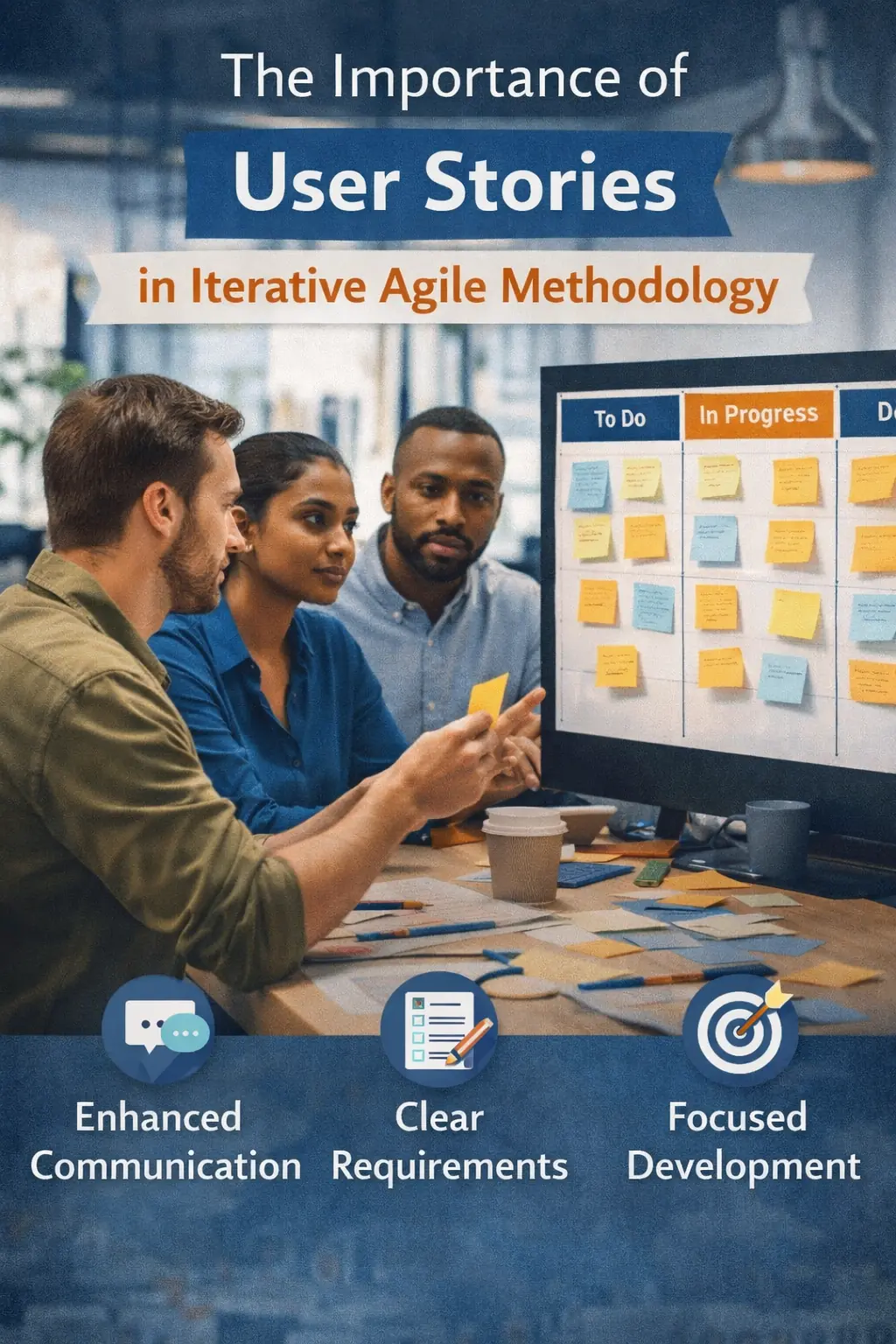
Introduction to Iterative Agile Methodology
Iterative agile methodology has emerged as a transformative approach that emphasizes flexibility, collaboration, and customer-centric development. This methodology is characterized by its cyclical process of planning, executing, and evaluating, allowing teams to adapt to changes and continuously improve their products.
Defining Iterative Agile Methodology
Iterative agile methodology is a framework that promotes the development of projects through repeated cycles (iterations) and incremental improvements. The core principles of this methodology include:
- Customer Collaboration: Engaging stakeholders and users throughout the project lifecycle to ensure that the final product meets their needs and expectations.
- Embracing Change: Recognizing that requirements may evolve and being open to adjusting plans and priorities accordingly.
- Frequent Delivery: Delivering functional components of the project at regular intervals, which allows for early feedback and adjustments.
- Cross-Functional Teams: Encouraging collaboration among team members with diverse skills to enhance creativity and problem-solving.
Importance of Flexibility and Adaptability
One of the most significant advantages of iterative agile methodology is its inherent flexibility. In traditional project management approaches, changes can be costly and time-consuming, often leading to project delays and budget overruns. In contrast, agile methodologies allow teams to pivot quickly in response to new information or shifting market demands. This adaptability is crucial for:
- Responding to User Feedback: By incorporating user feedback at various stages, teams can refine their products to better align with user needs.
- Mitigating Risks: Regular assessments and iterations help identify potential issues early, reducing the likelihood of major setbacks.
- Enhancing Team Morale: Agile practices foster a collaborative environment where team members feel empowered to contribute ideas and solutions, leading to increased job satisfaction.
The Role of User Stories in Agile Frameworks
At the heart of iterative agile methodology lies the concept of user stories. These are concise, informal descriptions of a feature from the perspective of the end user. User stories serve several essential functions in agile projects:
- Clarity and Focus: By articulating what users need, user stories help teams maintain a clear focus on delivering value. They provide a shared understanding of requirements among team members and stakeholders.
- Prioritization: User stories can be prioritized based on user needs and business value, ensuring that the most critical features are developed first.
- Facilitating Communication: They act as a common language between technical and non-technical stakeholders, fostering better communication and collaboration.
- Guiding Development: User stories help teams break down complex features into manageable tasks, making it easier to plan iterations and track progress.
The iterative agile methodology, with its emphasis on flexibility and user-centric development, is a powerful approach for project management. By leveraging user stories, product owners and project managers can enhance clarity and direction in their projects, ultimately leading to more successful outcomes.
Understanding User Stories
User stories play a crucial role in enhancing clarity and direction for project teams. They serve as a foundational element that bridges the gap between user needs and the development process. Here’s a closer look at what user stories are, their components, and their significance in agile projects.
Definition and Components of User Stories
User stories are concise, simple descriptions of a feature from the perspective of the end user. They are typically structured in a specific format to ensure clarity and focus on user needs. The standard format is:
- As a [type of user],
- I want [goal]
- so that [reason].
This structure helps to clearly articulate who the user is, what they want to achieve, and why it matters. For example, a user story might read: “As a frequent traveler, I want to receive flight alerts on my phone so that I can stay updated on any changes.”
Difference Between User Stories and Traditional Requirements
User stories differ significantly from traditional requirements in several ways:
- Focus on User Perspective: Traditional requirements often emphasize technical specifications and functionalities, while user stories prioritize the user’s perspective and their needs. This shift helps teams understand the “why” behind a feature, fostering a user-centered approach.
- Flexibility and Adaptability: User stories are inherently flexible, allowing for changes and adaptations as the project evolves. In contrast, traditional requirements can be rigid, making it difficult to accommodate new insights or changes in user needs.
- Collaboration and Communication: User stories encourage collaboration among team members, stakeholders, and users. They serve as a conversation starter, facilitating discussions that lead to a shared understanding of user needs. Traditional requirements, on the other hand, can create silos and misunderstandings due to their often formal and technical nature.
Importance of User Stories in Representing User Needs and Expectations
User stories are vital in agile projects for several reasons:
- Clarity and Focus: By articulating user needs in a straightforward manner, user stories provide clarity to the development team. This clarity helps prioritize work based on what delivers the most value to users, ensuring that the project remains aligned with user expectations.
- Enhanced Engagement: User stories foster greater engagement from stakeholders, including users, product owners, and project managers. When users see their needs reflected in user stories, they are more likely to feel invested in the project and provide valuable feedback.
- Facilitating Iteration: In an iterative agile methodology, user stories allow teams to break down complex features into manageable increments. This iterative approach enables teams to deliver value quickly and gather feedback, which can be used to refine future iterations.
- Alignment with Agile Principles: User stories embody the core principles of agile methodology, such as customer collaboration and responsiveness to change. They help teams remain adaptable and focused on delivering user-centric solutions.
User stories are an essential component of iterative agile methodology, providing clarity, direction, and a user-centered focus that enhances the overall effectiveness of agile projects. By understanding and implementing user stories, product owners and project managers can better align their teams with user needs and expectations, ultimately leading to more successful project outcomes.
The Role of User Stories in Enhancing Clarity
User stories play a pivotal role in ensuring that project goals and tasks are clearly defined and understood. For product owners and project managers, leveraging user stories can significantly enhance the clarity and direction of agile projects. Here are some key points illustrating the importance of user stories in achieving this clarity:
- Understanding User Needs: User stories are crafted from the perspective of the end-user, which helps teams gain a clear understanding of what users truly need. By focusing on the user’s experience and expectations, these stories articulate specific requirements in a straightforward manner. This user-centric approach ensures that the development team is aligned with the actual needs of the users, reducing the risk of miscommunication and rework.
- Prioritizing Features Based on User Value: One of the core principles of agile methodology is delivering value to users as quickly as possible. User stories help in prioritizing features by evaluating their importance to the user. By categorizing stories based on user value, teams can focus on delivering the most impactful features first. This prioritization not only streamlines the development process but also ensures that the most critical user needs are addressed promptly, enhancing overall project clarity.
- Facilitating Communication Among Team Members and Stakeholders: User stories serve as a common language for all stakeholders involved in the project, including developers, testers, product owners, and clients. They foster open communication and collaboration by providing a shared understanding of project goals. Regular discussions around user stories during sprint planning and review meetings help clarify expectations and align team efforts. This collaborative approach minimizes misunderstandings and keeps everyone on the same page, ultimately leading to a more cohesive project execution.
User stories are essential tools in iterative agile methodology that enhance clarity and direction in projects. By focusing on user needs, prioritizing features based on value, and facilitating effective communication, user stories empower product owners and project managers to navigate the complexities of agile development with confidence. Embracing this approach not only leads to successful project outcomes but also fosters a culture of continuous improvement and user satisfaction.
User Stories and Direction in Agile Projects
User stories play a pivotal role in enhancing clarity and direction for project teams. For product owners and project managers, understanding the significance of user stories can lead to more effective project execution and improved outcomes. Here’s how user stories guide the project team throughout the development process:
Creating a Roadmap for Development Sprints
User stories serve as the foundational elements that outline the requirements from the end-user’s perspective. By articulating what users need and expect, these stories create a clear roadmap for development sprints. Each user story typically follows a simple format: “As a [type of user], I want [an action] so that [a benefit].” This structure not only clarifies the purpose of each feature but also helps prioritize tasks based on user value.
- Clarity in Prioritization: User stories allow teams to prioritize work based on user needs, ensuring that the most valuable features are developed first. This prioritization is crucial in agile environments where time and resources are often limited.
- Focus on User Value: By centering development around user stories, teams can maintain a focus on delivering real value to users, which is essential for project success.
Iterative Refinement of User Stories
The iterative nature of agile methodology allows for continuous refinement of user stories throughout the project lifecycle. This process, often referred to as backlog grooming or refinement, involves revisiting and updating user stories based on feedback, changing requirements, and new insights gained during development.
- Adaptability: As the project evolves, user stories can be adjusted to reflect new information or shifts in user needs. This adaptability ensures that the project remains aligned with user expectations and market demands.
- Enhanced Collaboration: Regularly refining user stories fosters collaboration among team members, stakeholders, and users. This collaborative approach helps to clarify requirements and resolve ambiguities, leading to a more cohesive understanding of project goals.
User Acceptance Criteria and Quality Assurance
User acceptance criteria are integral to user stories, providing specific conditions that must be met for a story to be considered complete. These criteria serve as a benchmark for quality assurance, guiding the development team in delivering features that meet user expectations.
- Defining Success: By establishing clear acceptance criteria, teams can define what success looks like for each user story. This clarity helps prevent scope creep and ensures that all team members are aligned on the expected outcomes.
- Facilitating Testing: Acceptance criteria also streamline the testing process. They provide a clear framework for quality assurance teams to verify that the developed features meet the specified requirements, ultimately leading to higher quality deliverables.
User stories are not just a tool for capturing requirements; they are essential for guiding project teams through the complexities of agile development. By creating a roadmap for sprints, allowing for iterative refinement, and establishing clear acceptance criteria, user stories enhance clarity and direction, ultimately driving project success. For product owners and project managers, leveraging user stories effectively can lead to more focused development efforts and a better alignment with user needs.
Best Practices for Writing Effective User Stories
User stories play a pivotal role in enhancing clarity and direction for project teams. For product owners and project managers, crafting effective user stories is essential to ensure that the development process aligns with user needs and project goals. Here are some best practices to consider when writing user stories:
1. Foster Collaboration
- Engage Stakeholders: Involve all relevant stakeholders, including users, developers, and testers, in the user story creation process. This collaboration ensures that diverse perspectives are considered, leading to a more comprehensive understanding of user needs.
- Workshops and Brainstorming Sessions: Organize workshops where team members can brainstorm and discuss user stories. This not only generates ideas but also builds a shared understanding among team members about the project’s objectives.
2. Ensure Specificity, Measurability, and Testability
- Use the INVEST Criteria: Effective user stories should adhere to the INVEST criteria—Independent, Negotiable, Valuable, Estimable, Small, and Testable. This framework helps ensure that each user story is clear and actionable.
- Specific: Clearly define what the user needs. Instead of vague statements, use precise language that outlines the functionality or feature.
- Measurable: Include acceptance criteria that specify how success will be measured. This allows the team to understand when a user story is complete and meets the user’s needs.
- Testable: Ensure that each user story can be tested. This means that there should be clear criteria that can be used to verify that the functionality works as intended.
3. Emphasize Continuous Feedback and Iteration
- Regular Review Sessions: Schedule regular review sessions to revisit user stories. This allows the team to gather feedback from stakeholders and make necessary adjustments based on evolving requirements or insights.
- Iterative Refinement: Treat user stories as living documents that can evolve. Encourage the team to refine and update user stories based on feedback from sprints, user testing, and changing project dynamics.
- Incorporate User Feedback: Actively seek feedback from end-users after each iteration. This feedback is invaluable for understanding whether the user stories are meeting their needs and for identifying areas for improvement.
By implementing these best practices, product owners and project managers can create user stories that not only guide development but also enhance collaboration and ensure that the final product aligns closely with user expectations. This iterative approach to refining user stories is crucial for the success of agile projects, ultimately leading to more effective and user-centered outcomes.
Challenges in Implementing User Stories
User stories serve as a fundamental tool for enhancing clarity and direction in projects. However, their implementation is not without challenges. Understanding these obstacles is crucial for product owners and project managers aiming to leverage user stories effectively. Here are some common pitfalls and strategies to overcome them:
1. Vague User Stories
One of the most significant challenges in using user stories is the tendency for them to be vague or poorly defined. When user stories lack specificity, they can lead to confusion among team members regarding the requirements and expectations. This ambiguity can result in:
- Misinterpretation of Requirements: Team members may have different understandings of what a vague user story entails, leading to inconsistent outputs.
- Increased Rework: If the development team builds features based on unclear user stories, it often results in the need for revisions, which can delay project timelines and increase costs.
Solution: To combat vagueness, it is essential to adopt the INVEST criteria for user stories, ensuring they are Independent, Negotiable, Valuable, Estimable, Small, and Testable. Regular workshops or collaborative sessions can help refine user stories, making them more precise and actionable.
2. Misalignment with User Needs
Another common pitfall is the misalignment of user stories with actual user needs. This misalignment can occur due to a lack of direct input from end-users or stakeholders during the user story creation process. The consequences include:
- Developing Unnecessary Features: Teams may invest time and resources into building features that do not address the core needs of users, leading to wasted effort.
- Decreased User Satisfaction: If the final product does not resonate with users, it can result in poor adoption rates and dissatisfaction.
Solution: Engaging stakeholders throughout the user story creation process is vital. Conducting user interviews, surveys, and feedback sessions can provide valuable insights into user needs and preferences. This involvement ensures that user stories are grounded in real-world requirements.
3. Lack of Regular Reviews and Adjustments
User stories are not static; they should evolve as projects progress and new information emerges. A common challenge is the failure to regularly review and adjust user stories, which can lead to:
- Outdated Information: As project dynamics change, user stories that are not updated may no longer reflect current user needs or business goals.
- Reduced Team Agility: Without regular adjustments, teams may struggle to pivot in response to new challenges or opportunities, undermining the agile methodology’s core principles.
Solution: Implementing a routine for reviewing user stories—such as during sprint planning or retrospectives—can help ensure they remain relevant. Agile teams should prioritize flexibility, allowing for adjustments based on feedback and changing circumstances.
While user stories are a powerful tool in iterative agile methodology, their successful implementation requires awareness of potential challenges. By addressing issues such as vagueness, misalignment with user needs, and the need for regular reviews, product owners and project managers can enhance the clarity and direction of their agile projects. Engaging stakeholders and fostering a culture of continuous improvement will ultimately lead to more effective user stories and, consequently, more successful project outcomes.
Conclusion: The Value of User Stories in Iterative Agile Methodology
User stories play a pivotal role in enhancing clarity and direction throughout the project lifecycle. As we conclude our exploration of this essential component, it is important to recap the significant benefits that user stories bring to agile projects:
- Enhanced Clarity: User stories provide a clear and concise way to articulate the needs and expectations of end-users. By focusing on the user’s perspective, they help teams understand the “why” behind each feature, ensuring that development efforts align with user needs and business goals. This clarity reduces ambiguity and fosters a shared understanding among team members, which is crucial for successful collaboration.
- Guidance for Development: User stories serve as a roadmap for development teams, guiding their efforts and prioritizing tasks based on user value. This direction helps teams make informed decisions about what to build next, ensuring that the most valuable features are delivered first. By prioritizing user stories, product owners and project managers can effectively manage the backlog and maintain focus on delivering high-quality outcomes.
- Encouragement of Collaboration: The process of creating and refining user stories encourages collaboration among stakeholders, including product owners, developers, and users. This collaborative approach not only fosters a sense of ownership but also leads to richer insights and more innovative solutions. Engaging stakeholders in the user story development process ensures that diverse perspectives are considered, ultimately leading to a more user-centered product.
As projects evolve, it is essential for product owners and project managers to prioritize the continuous improvement of user stories. Agile methodology thrives on adaptability, and user stories should be regularly revisited and refined based on feedback and changing requirements. This iterative process allows teams to respond to new insights and ensures that the user stories remain relevant and valuable throughout the project lifecycle.
User stories are not just a tool for documentation; they are a vital component of the iterative agile methodology that enhances clarity, provides direction, and fosters collaboration. By embracing the development and refinement of user stories, product owners and project managers can significantly improve the effectiveness of their agile projects, ultimately leading to better outcomes for users and stakeholders alike.
Find out more about Shaun Stoltz https://www.shaunstoltz.com/about/.
This post was written by an AI and reviewed/edited by a human.