Introduction to the Program Life Cycle
The program life cycle serves as a critical framework that guides the successful execution of projects within an organization. Understanding this life cycle is essential for senior project managers and industry analysts, as it not only delineates the stages of program management but also highlights the evolving trends that can influence these processes.
Defining the Program Life Cycle and Its Stages
The program life cycle encompasses a series of stages that collectively ensure the effective management of multiple related projects. These stages include:
- Initiation: This is the foundational phase where the program’s feasibility is assessed, objectives are defined, and stakeholders are identified. It sets the stage for aligning the program with the strategic goals of the organization.
- Planning: During this stage, detailed plans are developed, including resource allocation, timelines, and risk management strategies. Effective planning is crucial for ensuring that all projects within the program are coordinated and aligned with the overall objectives.
- Execution: This phase involves the implementation of the plans developed in the previous stage. It requires active management of resources, team dynamics, and stakeholder engagement to ensure that projects are progressing as intended.
- Monitoring: Continuous oversight is essential during execution. This stage involves tracking progress, measuring performance against established metrics, and making necessary adjustments to keep the program on track.
- Closure: The final stage involves the formal completion of the program. This includes evaluating outcomes, documenting lessons learned, and ensuring that all deliverables meet the required standards.
The Role of Program Management in Aligning Projects with Organizational Goals
Program management plays a pivotal role in ensuring that individual projects contribute to the broader objectives of the organization. By overseeing multiple projects, program managers can:
- Ensure Strategic Alignment: They help align project outcomes with the strategic goals of the organization, ensuring that resources are utilized effectively and that projects deliver value.
- Facilitate Resource Optimization: Program management allows for better allocation of resources across projects, minimizing redundancies and maximizing efficiency.
- Enhance Stakeholder Engagement: By managing communication and expectations among stakeholders, program managers can foster collaboration and support for the program’s objectives.
The Significance of Understanding Trends in Program Management
Staying abreast of emerging trends is vital for program managers. Understanding these trends can lead to:
- Improved Decision-Making: Awareness of new methodologies, technologies, and best practices can enhance decision-making processes within program management.
- Adaptability to Change: Recognizing shifts in industry standards and practices allows program managers to adapt their strategies, ensuring that their programs remain relevant and effective.
- Competitive Advantage: Organizations that embrace innovative trends in program management can gain a competitive edge, positioning themselves as leaders in their respective industries.
The program life cycle is a fundamental aspect of project management that requires a deep understanding of its stages and the role of program management in achieving organizational goals. As we look to the future, being aware of the trends shaping this life cycle will be crucial for senior project managers and industry analysts aiming to drive successful outcomes in their programs.
Emerging Trends in Program Management
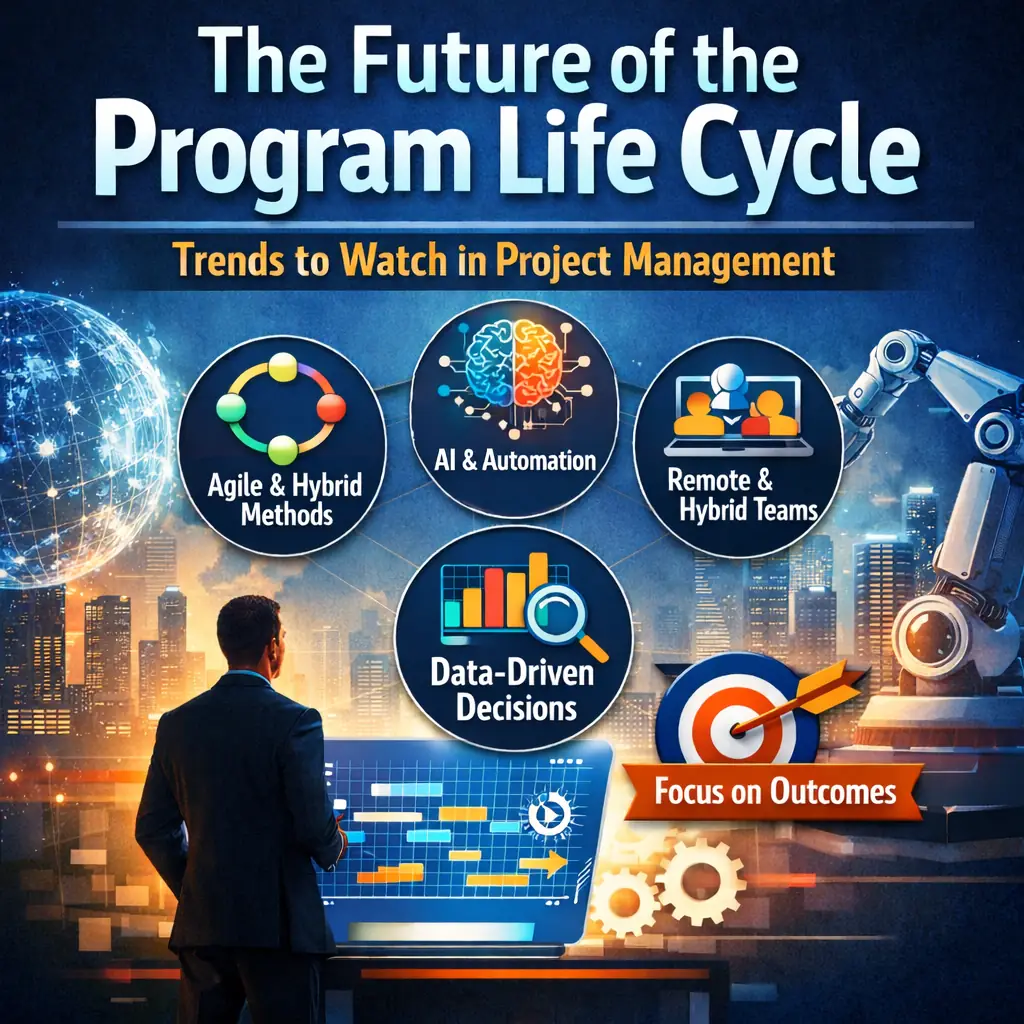
Several key trends are emerging that are set to significantly influence the program life cycle. Senior project managers and industry analysts should pay close attention to these developments, as they will shape the future of program management practices.
1. Increased Adoption of Agile Methodologies
The shift towards Agile methodologies is one of the most significant trends impacting program management today. Agile practices emphasize flexibility, collaboration, and customer-centric approaches, which are increasingly being integrated into program management frameworks.
- Enhanced Responsiveness: Agile methodologies allow teams to respond more quickly to changes in project scope or market demands, leading to improved project outcomes and stakeholder satisfaction.
- Iterative Development: Programs are now being managed in iterative cycles, enabling continuous feedback and adjustments, which enhances the overall quality of deliverables.
- Cross-Functional Teams: The Agile approach promotes the formation of cross-functional teams that can work collaboratively across different disciplines, fostering innovation and efficiency.
2. Rise of Hybrid Project Management Approaches
As organizations seek to leverage the strengths of both traditional and Agile methodologies, hybrid project management approaches are gaining traction. This trend reflects a more nuanced understanding of project requirements and the need for flexibility in execution.
- Tailored Methodologies: Hybrid approaches allow project managers to tailor their methodologies based on the specific needs of the program, combining the predictability of traditional methods with the adaptability of Agile.
- Improved Risk Management: By integrating elements from both methodologies, project managers can better identify and mitigate risks throughout the program life cycle, leading to more successful outcomes.
- Cultural Shift: The adoption of hybrid models often necessitates a cultural shift within organizations, promoting a mindset that values both structure and adaptability.
3. Growing Importance of Digital Transformation and Technology Integration
Digital transformation is reshaping how programs are managed, with technology playing a crucial role in enhancing efficiency and effectiveness.
- Data-Driven Decision Making: The integration of advanced analytics and data visualization tools enables project managers to make informed decisions based on real-time data, improving program performance.
- Collaboration Tools: The rise of digital collaboration platforms facilitates communication and coordination among team members, regardless of their geographical locations, thus enhancing teamwork and productivity.
- Automation and AI: The use of automation and artificial intelligence in program management can streamline processes, reduce manual errors, and free up project managers to focus on strategic decision-making.
The future of the program life cycle in project management is being shaped by these emerging trends. By embracing Agile methodologies, hybrid approaches, and digital transformation, senior project managers and industry analysts can position themselves to navigate the complexities of modern program management effectively. Staying ahead of these trends will not only enhance program outcomes but also ensure that organizations remain competitive.
The Role of Artificial Intelligence and Automation
The integration of Artificial Intelligence (AI) and automation is becoming increasingly pivotal in shaping the program life cycle. Senior project managers and industry analysts must stay abreast of these trends to leverage the full potential of their projects. Here, we explore the key AI tools and technologies, the benefits of automation, and real-world examples of successful implementation.
Overview of AI Tools and Technologies in Program Management
AI technologies are revolutionizing program management by providing tools that enhance decision-making, streamline processes, and improve overall efficiency. Some notable AI tools include:
- Predictive Analytics: These tools analyze historical data to forecast project outcomes, helping managers make informed decisions about resource allocation and risk management.
- Natural Language Processing (NLP): NLP applications can automate communication and reporting, allowing project teams to generate insights from unstructured data, such as emails and meeting notes.
- Machine Learning Algorithms: These algorithms can identify patterns in project performance data, enabling proactive adjustments to project plans and schedules.
- Robotic Process Automation (RPA): RPA tools automate repetitive tasks, such as data entry and report generation, freeing up project managers to focus on strategic activities.
Benefits of Automation in Resource Allocation, Risk Management, and Reporting
The automation of various aspects of the program life cycle offers several significant benefits:
- Enhanced Resource Allocation: Automation tools can analyze resource availability and project requirements in real-time, ensuring optimal allocation of personnel and materials. This leads to reduced downtime and improved project timelines.
- Improved Risk Management: AI-driven risk assessment tools can continuously monitor project variables and flag potential risks before they escalate. This proactive approach allows project managers to implement mitigation strategies early, minimizing disruptions.
- Streamlined Reporting: Automated reporting tools can generate real-time dashboards and reports, providing stakeholders with up-to-date insights into project status. This transparency fosters better communication and decision-making among team members and stakeholders.
The integration of AI and automation into the program life cycle is not just a trend but a fundamental shift in how project management is conducted. By embracing these technologies, senior project managers can enhance their practices, improve project outcomes, and position their organizations for future success. As these tools continue to evolve, staying informed about their capabilities and applications will be crucial for effective program management.
Sustainability and Social Responsibility in Program Management
The integration of sustainability and social responsibility into the program life cycle has become increasingly critical. This section explores the definition of sustainability in project management, strategies for incorporating sustainable practices, and the impact of corporate social responsibility (CSR) on program life cycle decisions.
Definition of Sustainability in Project Management
Sustainability in project management refers to the practice of managing projects in a way that meets present needs without compromising the ability of future generations to meet their own needs. This encompasses not only environmental considerations but also social and economic dimensions. Key aspects include:
- Environmental Stewardship: Minimizing negative impacts on the environment through resource conservation, waste reduction, and energy efficiency.
- Social Equity: Ensuring that projects benefit all stakeholders, including marginalized communities, and promote social well-being.
- Economic Viability: Balancing project costs with long-term benefits, ensuring that projects are financially sustainable over time.
Strategies for Incorporating Sustainable Practices into Program Management
To effectively integrate sustainability into the program life cycle, project managers can adopt several strategies:
- Sustainable Project Planning: Incorporate sustainability goals into the initial project planning phase. This includes setting clear objectives related to environmental impact, social benefits, and economic outcomes.
- Stakeholder Engagement: Actively involve stakeholders in the decision-making process to ensure that diverse perspectives are considered, particularly those of communities affected by the project.
- Sustainable Procurement: Choose suppliers and materials that adhere to sustainable practices. This can include sourcing from local vendors, using recycled materials, and selecting products with lower environmental footprints.
- Monitoring and Reporting: Implement systems to track sustainability metrics throughout the project life cycle. Regular reporting on these metrics can help maintain accountability and transparency.
Impact of Corporate Social Responsibility (CSR) on Program Life Cycle Decisions
Corporate social responsibility plays a significant role in shaping program life cycle decisions. As organizations increasingly recognize the importance of CSR, the following impacts can be observed:
- Enhanced Reputation: Companies that prioritize CSR often enjoy a better public image, which can lead to increased customer loyalty and brand strength. This reputation can influence project decisions, encouraging managers to adopt more sustainable practices.
- Regulatory Compliance: Many regions are implementing stricter regulations regarding environmental and social impacts. Organizations that proactively embrace CSR are better positioned to comply with these regulations, reducing the risk of legal issues.
- Attracting Talent: A strong commitment to sustainability and social responsibility can attract top talent, particularly among younger professionals who prioritize working for socially responsible companies. This can enhance team performance and innovation within projects.
The future of the program life cycle in project management will be significantly influenced by the growing emphasis on sustainability and social responsibility. By understanding and implementing sustainable practices, project managers can not only contribute to a healthier planet but also drive long-term success for their organizations. As these trends continue to evolve, staying informed and adaptable will be essential for senior project managers and industry analysts alike.
The Shift Towards Remote and Hybrid Teams
The transition to remote and hybrid work environments has significantly transformed program management. As organizations adapt to these changes, senior project managers and industry analysts must understand the implications for the program life cycle. Here are some key points to consider:
Challenges and Opportunities Presented by Remote and Hybrid Project Teams
- Communication Barriers: Remote teams often face challenges in communication due to time zone differences and the lack of face-to-face interactions. This can lead to misunderstandings and delays in project timelines. However, it also encourages teams to develop more structured communication protocols, fostering clarity and accountability.
- Team Dynamics: The shift to remote work can alter team dynamics, making it harder to build relationships and trust among team members. Conversely, it can also provide opportunities for diverse talent acquisition, as geographical limitations are reduced, allowing organizations to tap into a broader talent pool.
- Flexibility and Work-Life Balance: Remote work offers greater flexibility, which can enhance employee satisfaction and productivity. However, it can also blur the lines between work and personal life, leading to potential burnout if not managed properly.
Tools and Technologies Facilitating Remote Collaboration in Program Management
- Project Management Software: Tools like Asana, Trello, and Microsoft Teams have become essential for managing tasks, timelines, and team collaboration. These platforms allow for real-time updates and transparency, which are crucial for remote teams.
- Video Conferencing Tools: Applications such as Zoom and Microsoft Teams facilitate virtual meetings, enabling teams to maintain face-to-face interactions, which are vital for relationship building and effective communication.
- Collaboration Platforms: Tools like Slack and Miro support brainstorming and collaborative work, allowing team members to share ideas and feedback in real-time, regardless of their physical location.
Best Practices for Managing Remote Teams Within the Program Life Cycle
- Establish Clear Goals and Expectations: It is essential to set clear objectives and performance metrics for remote teams. This ensures that all team members understand their roles and responsibilities, which is critical for maintaining productivity.
- Regular Check-Ins and Feedback: Implementing regular one-on-one and team check-ins can help managers stay connected with their teams, address any issues promptly, and provide necessary support. Feedback loops are crucial for continuous improvement and team morale.
- Foster a Collaborative Culture: Encouraging a culture of collaboration and inclusivity can help remote teams feel more connected. This can be achieved through team-building activities, recognition programs, and open communication channels.
- Utilize Agile Methodologies: Adopting agile practices can enhance flexibility and responsiveness in program management. Agile methodologies promote iterative progress and adaptability, which are particularly beneficial in remote settings where conditions can change rapidly.
The shift towards remote and hybrid teams presents both challenges and opportunities for program management. By leveraging the right tools and adopting best practices, senior project managers can navigate this effectively, ensuring successful program delivery in a changing work environment.
Data-Driven Decision Making in Program Management
Data-driven decision making has emerged as a pivotal concept that significantly enhances the effectiveness of program management. As organizations increasingly rely on data analytics, understanding how to leverage this information can lead to improved outcomes and more successful program execution.
Introduction to Data-Driven Decision Making
Data-driven decision making (DDDM) refers to the practice of basing decisions on data analysis rather than intuition or observation alone. In program management, this approach allows project managers to make informed choices that can lead to better resource allocation, risk management, and overall program success. By utilizing quantitative and qualitative data, program managers can identify trends, forecast outcomes, and optimize processes, ultimately leading to more strategic and effective program execution.
Tools and Techniques for Gathering and Analyzing Data
To implement data-driven decision making effectively, program managers must utilize a variety of tools and techniques for data collection and analysis. Some of the most effective methods include:
- Project Management Software: Tools like Microsoft Project, Asana, and Trello offer features that allow for real-time tracking of project metrics, resource allocation, and timelines. These platforms often include analytics dashboards that provide insights into project performance.
- Business Intelligence (BI) Tools: Software such as Tableau, Power BI, and QlikView can transform raw data into visual insights, making it easier for managers to interpret complex datasets and identify patterns that inform decision making.
- Surveys and Feedback Mechanisms: Collecting feedback from stakeholders through surveys can provide qualitative data that complements quantitative metrics. This feedback can help identify areas for improvement and gauge stakeholder satisfaction.
- Predictive Analytics: Utilizing statistical algorithms and machine learning techniques, predictive analytics can forecast future project outcomes based on historical data. This allows program managers to anticipate challenges and adjust strategies proactively.
Examples of Data-Driven Strategies Leading to Successful Program Outcomes
Several organizations have successfully implemented data-driven strategies that have significantly improved their program outcomes. Here are a few notable examples:
- Agile Methodologies: Many organizations adopting Agile practices utilize data analytics to track team performance and project progress. By analyzing sprint data, teams can identify bottlenecks and adjust their workflows to enhance efficiency and productivity.
- Risk Management: Companies that employ data analytics for risk assessment can better predict potential project risks. For instance, by analyzing past project data, managers can identify common risk factors and develop mitigation strategies, leading to reduced project failures.
- Resource Optimization: Organizations that analyze resource utilization data can make informed decisions about resource allocation. For example, by examining workload data, managers can redistribute tasks among team members to ensure balanced workloads and prevent burnout.
- Performance Metrics: By establishing key performance indicators (KPIs) and regularly analyzing them, program managers can assess the effectiveness of their strategies. This ongoing evaluation allows for continuous improvement and adaptation to changing project dynamics.
The integration of data-driven decision making into program management is not just a trend but a necessity for organizations aiming to thrive in a competitive environment. By leveraging the right tools and techniques, and by learning from successful case studies, senior project managers and industry analysts can enhance their decision-making processes, leading to more successful program outcomes. As the field continues to evolve, staying abreast of these trends will be crucial for effective program management in the future.
Preparing for the Future: Skills and Competencies for Program Managers
Program managers must equip themselves with a diverse set of skills and competencies to navigate the complexities of modern programs. Here are the key skills and competencies that will be essential for program managers in the future:
Key Skills for Program Managers
- Adaptability: In an era marked by rapid technological advancements and shifting market dynamics, program managers must be able to pivot quickly in response to changes. This includes adjusting strategies, reallocating resources, and embracing new methodologies to ensure program success.
- Digital Literacy: With the increasing reliance on digital tools and platforms, program managers need to be proficient in various technologies. This includes understanding data analytics, project management software, and collaboration tools that facilitate remote work and enhance team communication.
- Emotional Intelligence (EI): As programs often involve diverse teams and stakeholders, emotional intelligence is crucial for effective leadership. Program managers should be adept at recognizing and managing their own emotions, as well as understanding and influencing the emotions of others. This skill fosters better collaboration, conflict resolution, and team cohesion.
Importance of Continuous Learning
The field of program management is constantly evolving, making continuous learning and professional development vital. Program managers should:
- Stay Updated on Industry Trends: Engaging with industry publications, attending conferences, and participating in webinars can help program managers stay informed about emerging trends and best practices.
- Seek Feedback and Mentorship: Regular feedback from peers and mentors can provide valuable insights into areas for improvement and growth. Establishing a mentorship relationship can also facilitate knowledge sharing and skill enhancement.
- Engage in Cross-Disciplinary Learning: Understanding concepts from related fields such as data science, behavioral psychology, and organizational development can provide program managers with a broader perspective and innovative approaches to problem-solving.
Recommendations for Training and Certification Programs
To enhance their skills and competencies, program managers should consider the following training and certification programs:
- Project Management Professional (PMP): Offered by the Project Management Institute (PMI), this certification is recognized globally and covers essential project management principles and practices.
- Certified ScrumMaster (CSM): For those working in agile environments, the CSM certification provides foundational knowledge of agile methodologies and team dynamics.
- Emotional Intelligence Training: Programs focused on developing emotional intelligence can help program managers improve their interpersonal skills and leadership effectiveness.
- Digital Project Management Courses: Online platforms like Coursera and LinkedIn Learning offer courses on digital tools and project management software, helping managers stay current with technological advancements.
By focusing on these key skills, embracing continuous learning, and pursuing relevant training programs, program managers can prepare themselves for the future and lead their teams to success in an increasingly complex project landscape.
Conclusion: Embracing Change in the Program Life Cycle
It is essential to recognize and adapt to the emerging trends that are reshaping the program life cycle. The following key takeaways summarize the critical trends discussed and their implications for the future of program management:
- Agile Methodologies: The shift towards agile practices is not just a trend but a fundamental change in how programs are managed. Embracing agility allows for greater flexibility, faster response times, and improved stakeholder engagement. Senior project managers must integrate agile principles into their program life cycles to enhance adaptability and responsiveness to change.
- Digital Transformation: The integration of advanced technologies such as artificial intelligence, machine learning, and data analytics is revolutionizing program management. These tools enable more informed decision-making, predictive analytics, and streamlined processes. Project managers should leverage these technologies to optimize resource allocation and enhance project outcomes.
- Sustainability and Social Responsibility: There is a growing emphasis on sustainability within program management. Programs that prioritize environmental and social governance (ESG) are not only more appealing to stakeholders but also contribute to long-term success. Project managers should incorporate sustainable practices into their program life cycles to align with global trends and stakeholder expectations.
- Remote Collaboration: The rise of remote work has transformed team dynamics and communication strategies. Embracing digital collaboration tools and fostering a culture of inclusivity are vital for maintaining team cohesion and productivity. Project managers must adapt their leadership styles to effectively manage remote teams and ensure successful program delivery.
- Focus on Soft Skills: As technical skills become increasingly automated, the importance of soft skills such as emotional intelligence, communication, and leadership is magnified. Senior project managers should prioritize the development of these skills within their teams to foster a collaborative and innovative program environment.
The future of the program life cycle is characterized by rapid change and innovation. By staying informed and adaptable, project managers can not only enhance their program management practices but also position themselves as leaders in the industry.
As we look ahead, it is crucial for project managers to remain proactive in their approach to change. Embracing innovation and fostering a culture of continuous improvement will be key to navigating the complexities of the program life cycle. The future of program management is bright for those who are willing to adapt and lead the way.
Find out more about Shaun Stoltz https://www.shaunstoltz.com/about/.
This post was written by an AI and reviewed/edited by a human.