Introduction
Portfolio management serves as a critical discipline that involves the centralized management of one or more portfolios to achieve strategic objectives. It encompasses the processes, methods, and tools used to manage and prioritize projects, programs, and initiatives in alignment with an organization’s overarching goals. By effectively managing a portfolio, organizations can optimize resource allocation, enhance decision-making, and ensure that projects contribute to the desired business outcomes.
The significance of strategy and portfolio management cannot be overstated. It acts as a bridge between an organization’s strategic vision and its operational execution. By aligning projects with strategic objectives, organizations can ensure that they are not only investing in the right initiatives but also maximizing their return on investment. This alignment is crucial in today’s fast-paced business environment, where the ability to adapt and respond to changing market conditions can determine an organization’s success or failure.
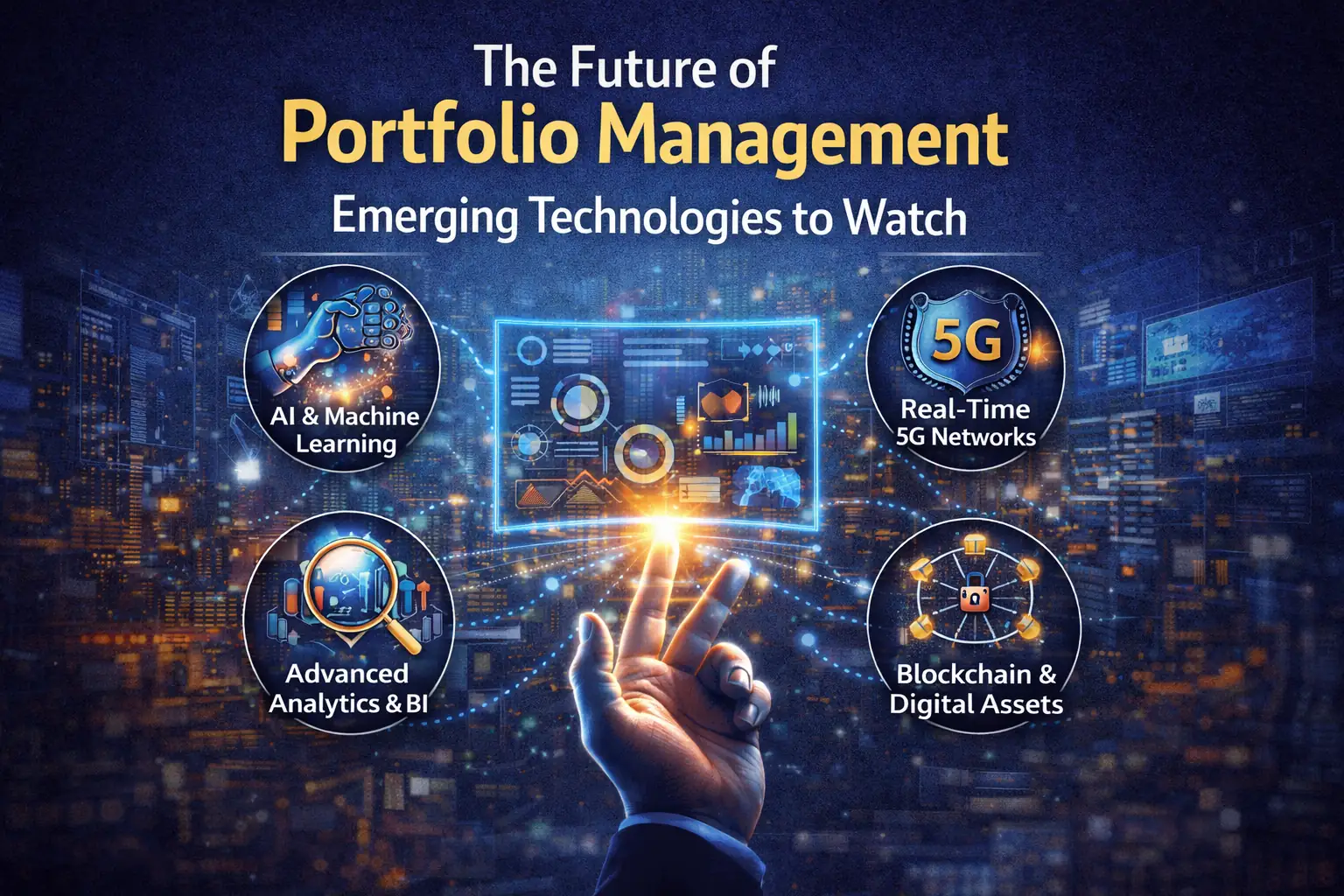
As we look to the future, several emerging technologies are poised to transform portfolio management. Among these, Artificial Intelligence (AI), Internet of Things (IoT), and Blockchain stand out as key players:
- Artificial Intelligence (AI): AI technologies are revolutionizing how project managers analyze data, forecast project outcomes, and make informed decisions. By leveraging machine learning algorithms, project managers can gain insights from historical data, identify potential risks, and optimize resource allocation in real-time.
- Internet of Things (IoT): IoT devices facilitate the collection of vast amounts of data from various sources, enabling project managers to monitor project progress and performance metrics more effectively. This connectivity allows for enhanced collaboration and communication among project teams, leading to improved project outcomes.
- Blockchain: This technology offers a decentralized and secure method for managing project data and transactions. By utilizing blockchain, organizations can enhance transparency, reduce fraud, and streamline processes, particularly in complex projects that involve multiple stakeholders.
In this blog section, we will delve deeper into how these emerging technologies are reshaping portfolio management, providing tech-savvy project managers and IT leaders with insights into the future of their field. As we explore these advancements, we will highlight the opportunities and challenges they present, equipping professionals with the knowledge to navigate this effectively.
The Role of AI in Portfolio Management
Artificial Intelligence (AI) is rapidly transforming portfolio management, offering innovative solutions that enhance decision-making and operational efficiency. As project managers and IT leaders navigate the complexities of managing multiple projects, AI technologies are becoming indispensable tools in their strategic arsenal. Here’s an overview of how AI is reshaping portfolio management.
Overview of AI Technologies Relevant to Portfolio Management
AI encompasses a range of technologies that can be leveraged in portfolio management, including:
- Machine Learning (ML): Algorithms that learn from data to make predictions or decisions without being explicitly programmed. ML can analyze historical project data to forecast future outcomes.
- Natural Language Processing (NLP): This technology enables machines to understand and interpret human language, facilitating better communication and reporting within project teams.
- Robotic Process Automation (RPA): RPA automates repetitive tasks, allowing project managers to focus on strategic decision-making rather than mundane administrative duties.
These technologies collectively enhance the ability to analyze vast amounts of data, streamline processes, and improve overall project outcomes.
Examples of AI Applications
- Predictive Analytics: AI-driven predictive analytics tools can assess historical project data to identify trends and forecast potential project outcomes. This capability allows project managers to make informed decisions about resource allocation and project prioritization, ultimately leading to more successful project completions.
- Resource Optimization: AI can analyze resource utilization patterns and suggest optimal resource allocation strategies. By ensuring that the right resources are assigned to the right projects at the right time, organizations can maximize efficiency and reduce costs.
- Risk Management: AI technologies can identify potential risks by analyzing data from various sources, including market trends, project performance metrics, and external factors. By predicting risks before they materialize, project managers can implement mitigation strategies proactively, reducing the likelihood of project failure.
Leveraging IoT for Enhanced Portfolio Insights
The Internet of Things (IoT) is revolutionizing various sectors, including project management, by providing real-time data that enhances decision-making and portfolio performance. As project managers and IT leaders navigate the complexities of portfolio management, understanding the implications of IoT is crucial for optimizing project outcomes.
Understanding IoT in Project Management
IoT refers to the network of interconnected devices that communicate and exchange data over the internet. In the context of project management, IoT enables the collection and analysis of vast amounts of data from various sources, facilitating better insights into project performance and resource utilization. This connectivity allows project managers to monitor projects in real-time, leading to more informed decision-making and strategic adjustments.
Data Collection for Portfolio Monitoring
IoT devices play a pivotal role in gathering data essential for portfolio monitoring and evaluation. These devices can track various metrics, such as:
- Resource Utilization: Sensors can monitor equipment usage, ensuring that resources are allocated efficiently and reducing waste.
- Environmental Conditions: In construction and manufacturing, IoT devices can measure temperature, humidity, and other environmental factors that may impact project timelines and quality.
- Operational Performance: Wearable devices can track worker productivity and safety, providing insights into workforce efficiency and potential areas for improvement.
By leveraging this data, project managers can gain a comprehensive view of their portfolio’s health, enabling proactive management and timely interventions.
IoT Applications Across Industries
The application of IoT in project management spans various industries, showcasing its versatility and effectiveness:
- Construction: IoT devices are used to monitor site conditions, track equipment, and ensure compliance with safety regulations. For instance, smart helmets equipped with sensors can provide real-time data on worker safety and environmental conditions, helping to mitigate risks and enhance productivity.
- Manufacturing: In manufacturing, IoT enables predictive maintenance of machinery by collecting data on equipment performance. This proactive approach reduces downtime and enhances operational efficiency, ultimately improving project timelines and cost management.
- Information Technology: In IT, IoT can facilitate better resource management by monitoring server performance and network traffic. This data helps IT leaders make informed decisions about infrastructure investments and project prioritization, ensuring that portfolios align with organizational goals.
The integration of IoT into portfolio management offers significant advantages for project managers and IT leaders. By harnessing real-time data from interconnected devices, organizations can enhance their decision-making processes, improve resource allocation, and ultimately drive better project outcomes. As IoT technology continues to evolve, its impact on portfolio management will likely grow, making it an essential area for tech-savvy professionals to explore.
Blockchain: Ensuring Transparency and Security in Portfolio Management
Blockchain technology is emerging as a transformative force, particularly in portfolio management. This section delves into the fundamentals of blockchain, its benefits for project documentation and transactions, and real-world applications that illustrate its potential.
What is Blockchain and How Does It Work?
Blockchain is a decentralized digital ledger technology that records transactions across multiple computers in a way that ensures the security and transparency of data. Each transaction is grouped into a block, which is then linked to the previous block, forming a chain. This structure is inherently secure due to several key features:
- Decentralization: Unlike traditional databases that are controlled by a single entity, blockchain operates on a peer-to-peer network, reducing the risk of data tampering and fraud.
- Immutability: Once a block is added to the chain, it cannot be altered or deleted without the consensus of the network, ensuring the integrity of the data.
- Transparency: All participants in the network can access the same information, fostering trust and accountability among stakeholders.
Benefits of Using Blockchain for Project Documentation, Contracts, and Transactions
The integration of blockchain technology into portfolio management offers several significant advantages:
- Enhanced Security: Blockchain’s cryptographic techniques protect sensitive project data from unauthorized access and cyber threats, ensuring that only authorized parties can view or modify information.
- Improved Collaboration: By providing a single source of truth, blockchain facilitates seamless collaboration among project stakeholders. All parties can access real-time updates on project status, contracts, and documentation, reducing misunderstandings and disputes.
- Streamlined Processes: Smart contracts—self-executing contracts with the terms of the agreement directly written into code—automate various project management tasks, such as payment processing and compliance checks. This automation reduces administrative overhead and accelerates project timelines.
- Auditability: The transparent nature of blockchain allows for easy tracking of changes and transactions, making it simpler to conduct audits and ensure compliance with regulatory requirements.
Real-World Examples of Blockchain Applications in Portfolio Management
Several organizations are already leveraging blockchain technology to enhance their portfolio management practices:
- IBM and Maersk: The two companies have collaborated on a blockchain-based supply chain solution that improves transparency and efficiency in shipping logistics. By using blockchain to track shipments, they can reduce delays and enhance accountability among all parties involved.
- Provenance: This platform uses blockchain to provide transparency in supply chains, allowing consumers to trace the origins of products. In project management, this can be particularly useful for ensuring ethical sourcing and compliance with sustainability standards.
- Everledger: Focused on the diamond industry, Everledger utilizes blockchain to create a digital ledger of diamonds, ensuring their provenance and authenticity. This application can be adapted to various industries, enhancing trust in project deliverables and assets.
Blockchain technology holds immense potential for revolutionizing portfolio management by ensuring transparency, security, and efficiency. As project managers and IT leaders continue to explore innovative solutions, embracing blockchain could be a pivotal step toward achieving more effective and collaborative project outcomes.
Integrating Emerging Technologies into Portfolio Management Strategies
The integration of emerging technologies such as Artificial Intelligence (AI), the Internet of Things (IoT), and Blockchain is becoming increasingly vital for effective portfolio management. For tech-savvy project managers and IT leaders, understanding how to leverage these technologies can enhance decision-making, improve efficiency, and drive innovation. However, the adoption of these technologies is not without its challenges. Below, we explore the key challenges, strategies for integration, and the importance of training and change management in successfully adopting these technologies.
Challenges in Adopting New Technologies
- Resistance to Change: One of the primary challenges in adopting new technologies is the resistance from team members and stakeholders who may be accustomed to traditional methods. This resistance can stem from fear of the unknown or a lack of understanding of the benefits that new technologies can bring.
- Integration Complexity: Integrating AI, IoT, and Blockchain into existing portfolio management systems can be complex. These technologies often require significant changes to workflows, data management practices, and communication channels, which can disrupt ongoing projects.
- Skill Gaps: The rapid pace of technological advancement can lead to skill gaps within teams. Project managers may find that their teams lack the necessary expertise to effectively implement and utilize these technologies, which can hinder progress and lead to suboptimal outcomes.
- Data Security and Privacy Concerns: With the integration of IoT and Blockchain, data security and privacy become paramount. Organizations must ensure that they have robust security measures in place to protect sensitive information from breaches and unauthorized access.
Strategies for Seamless Integration
- Conduct a Technology Assessment: Before integrating new technologies, project managers should conduct a thorough assessment of their current portfolio management practices. This includes identifying areas where AI, IoT, and Blockchain can add value, as well as understanding the specific needs and challenges of the organization.
- Develop a Clear Implementation Plan: A well-defined implementation plan is crucial for successful integration. This plan should outline the objectives, timelines, and resources required for the integration process. It should also include milestones to track progress and make adjustments as needed.
- Leverage Pilot Programs: Implementing pilot programs can help organizations test new technologies on a smaller scale before a full rollout. This approach allows project managers to identify potential issues and gather feedback from users, which can inform future integration efforts.
- Foster Collaboration: Encouraging collaboration between IT teams and project managers can facilitate smoother integration. By working together, these teams can share insights, address challenges, and ensure that the technology aligns with the organization’s strategic goals.
Importance of Training and Change Management
- Invest in Training Programs: To successfully adopt new technologies, organizations must invest in comprehensive training programs for their teams. This training should cover not only the technical aspects of the technologies but also their strategic implications for portfolio management.
- Implement Change Management Practices: Effective change management is essential for overcoming resistance and ensuring a smooth transition to new technologies. This includes communicating the benefits of the technologies, involving stakeholders in the decision-making process, and providing ongoing support throughout the transition.
- Encourage a Culture of Innovation: Fostering a culture that embraces innovation can help mitigate resistance to change. Project managers should encourage team members to explore new ideas and technologies, creating an environment where experimentation and learning are valued.
- Monitor and Evaluate Outcomes: After implementing new technologies, it is important to monitor their impact on portfolio management practices. Regular evaluations can help identify areas for improvement and ensure that the technologies are delivering the expected benefits.
By addressing the challenges of adopting AI, IoT, and Blockchain, and implementing effective strategies for integration, tech-savvy project managers can enhance their portfolio management practices. With a focus on training and change management, organizations can position themselves to thrive in an increasingly technology-driven environment.
Future Trends in Portfolio Management
Emerging technologies such as Artificial Intelligence (AI), the Internet of Things (IoT), and Blockchain are poised to significantly impact portfolio management. This section explores potential future developments in these technologies, their implications for project managers, and the skills that will be essential for success in this new environment.
Potential Future Developments in AI, IoT, and Blockchain
- Artificial Intelligence (AI): AI is expected to enhance decision-making processes in portfolio management by providing predictive analytics and data-driven insights. Future developments may include advanced algorithms that can analyze vast amounts of project data to identify trends, risks, and opportunities, enabling project managers to make more informed decisions. AI could also automate routine tasks, allowing project managers to focus on strategic planning and stakeholder engagement.
- Internet of Things (IoT): The integration of IoT devices in project management will facilitate real-time data collection and monitoring. Future advancements may lead to the development of smart project management tools that can track project progress, resource utilization, and environmental conditions automatically. This connectivity will enable project managers to respond swiftly to changes and optimize resource allocation, ultimately improving project outcomes.
- Blockchain: Blockchain technology has the potential to revolutionize portfolio management by enhancing transparency and security in project transactions. Future applications may include smart contracts that automatically execute project agreements when predefined conditions are met, reducing the need for intermediaries. This could streamline processes and minimize disputes, fostering trust among stakeholders.
Changing Role of Project Managers
The integration of these technologies will inevitably alter the role of project managers. As AI takes on more analytical tasks, project managers will need to transition from traditional management roles to more strategic positions. They will be required to:
- Embrace Data-Driven Decision Making: Project managers will need to become proficient in interpreting data analytics provided by AI tools, allowing them to make strategic decisions based on real-time insights.
- Leverage IoT for Enhanced Monitoring: Understanding how to utilize IoT data will be crucial. Project managers will need to develop skills in managing and interpreting data from connected devices to ensure projects remain on track.
- Navigate Blockchain Applications: Familiarity with blockchain technology will be essential for project managers to effectively implement smart contracts and ensure secure transactions within their portfolios.
Essential Skills for Future Project Managers
Project managers will need to cultivate a new set of skills:
- Technical Proficiency: A solid understanding of AI, IoT, and Blockchain technologies will be critical. Project managers should seek training in these areas to effectively leverage their capabilities.
- Analytical Skills: The ability to analyze and interpret complex data will be paramount. Project managers will need to develop strong analytical skills to extract actionable insights from AI-generated reports and IoT data streams.
- Adaptability and Continuous Learning: As technology continues to advance, project managers must be adaptable and committed to lifelong learning. Staying updated on emerging trends and tools will be essential for maintaining a competitive edge.
- Collaboration and Communication: With the increasing complexity of projects and the integration of various technologies, strong collaboration and communication skills will be vital. Project managers will need to effectively engage with cross-functional teams and stakeholders to ensure alignment and success.
The future of portfolio management is set to be transformed by AI, IoT, and Blockchain technologies. Project managers who embrace these changes and develop the necessary skills will be well-positioned to lead their teams and organizations into this new era of project management.
Conclusion
The integration of emerging technologies such as Artificial Intelligence (AI), the Internet of Things (IoT), and Blockchain is fundamentally transforming portfolio management. These technologies are not just trends; they are reshaping how project managers strategize, execute, and monitor their portfolios.
- Transformative Impact of Emerging Technologies: AI enhances decision-making processes by providing data-driven insights, enabling project managers to predict outcomes and optimize resource allocation. IoT facilitates real-time data collection from connected devices, allowing for more accurate tracking of project progress and resource utilization. Meanwhile, Blockchain introduces unprecedented levels of transparency and security in project transactions, fostering trust among stakeholders and streamlining processes through smart contracts.
- Staying Updated with Technological Advancements: As these technologies continue to evolve, it is crucial for project managers to remain informed about the latest developments. Understanding how to leverage these tools effectively can lead to improved efficiency, reduced risks, and enhanced project outcomes. Continuous learning and adaptation are essential in a field that is increasingly influenced by technological innovation.
The future of portfolio management is bright, driven by the potential of emerging technologies. By staying informed and adaptable, project managers can navigate this effectively, ensuring their projects not only meet current demands but also thrive in an increasingly complex environment.
Find out more about Shaun Stoltz https://www.shaunstoltz.com/about/.
This post was written by an AI and reviewed/edited by a human.